
Last Updated: April 2026
At a Glance: 72-Hour Family Blackout Preparedness Tips
- Store 1 gallon per person, per day to survive a 72-hour blackout.
- Keep an offline guide for the critical survival steps families tend to forget in the dark.
- Master the 4-24-48 Rule for food safety and seal home drafts to stay livable until the grid resets.
The 2026 grid is facing a massive surge in instability. From the brutal snowstorms that hammered the country early this year to the unpredictable weather shifts we’re seeing this month, localized blackouts have become a frequent occurrence. Preparing for 72 hours of self-sufficiency is now a critical necessity for every household.
Tactical Briefing: 72-Hour Family Blackout Preparedness Intel
Scroll to jump to a specific priority:
- Priority 01: Heat | The 3 factors for a livable home.
- Priority 02: Food Safety | Understanding the 4-24-48 Rule.
- Priority 03: Cooking | Safe indoor stove operations.
- Priority 04: Lighting | Preserving battery life with LEDs.
- Priority 05: Medical | Essential meds to stock now.
- Priority 06: Water Math | The exact 72 hour storage number.
- Priority 07: Comms | Tools that work when towers fail.
- Priority 08: Power | Closing the battery runtime gap.
- Priority 09: Morale | The “Hour 24” comfort item.
- Mission Asset: Blackout Checklist | The 1-page printable fridge sheet.
A Family Blackout Preparedness Checklist
Here’s a self-sufficient blackout preparedness checklist every household needs to have.
1. Heat Sources
How are you gonna keep your family warm without electricity? Having a heat source is, therefore, an excellent preparedness measure. If you have a fireplace, buying fire logs and fire starters is a great place to start.
Also, consider stacking firewood on your front porch or backyard for easy access if you live in a homestead. Moreover, you can also make backup fire starters with pine cones around your homestead and paraffin.
If you don’t have a fireplace, you can use other heat sources like a kerosene heater to heat your living room. Alternatively, you can also use propane heaters that are used primarily outdoors. Besides these heat sources, consider setting aside a good supply of fleece blankets around your home to help maintain heat.
In my experience, standard blankets often aren’t enough when the sun goes down and the house hits 40°F. I personally pull out the emergency bivvies and high-rated sleeping bags from my camping gear. They’re engineered to trap body heat far better than cotton blankets. During the February storms, my family “camped” in the smallest room of the house to consolidate our thermal mass and stay warm. If you’re looking to upgrade, you can see my [Top Survival Sleeping Bags Guide here].
Tips
- Whatever heat source you use, ensure you have smoke and carbon monoxide detectors
- Keep in mind that propane and kerosene heaters won’t have far-reaching warmth, especially in a large area, so having several for different rooms will suffice
2. Quick-Cook Foods

Without electricity, you will likely not make the meals from scratch. Therefore, having a stocked backout preparedness pantry will help you keep your family nourished.
Consider stocking up on foods such as:
- Soup: You only need to heat them up
- Mac and cheese: Here, you only boil the water to cook the macaroni and then squeeze the cheese
- Lots of crackers
- Chow Mein meals
- Bag of rice
- Potatoes
- Canned hamburger meat
- Pasta
- Water
- Beverages and drinks
Tip:
When in doubt, throw it out. Medical resources are often limited during a major blackout. Dealing with severe food poisoning when the lights are out and hospitals are overwhelmed is a tactical failure. If you hit the 4-hour mark for your fridge, don’t risk it.
RELATED: Mylar Bags vs Vacuum Sealing: Which Method is Best for Long-Term Food Storage?
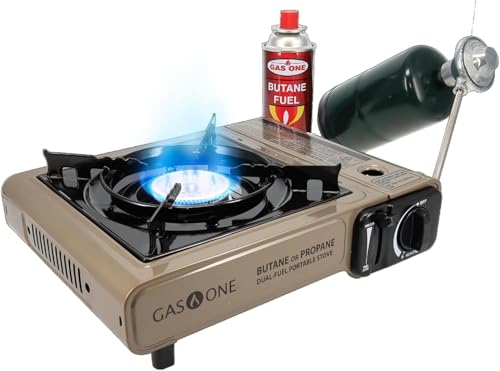
3. Cooking Needs (Deluxe Portable Stove)
There are numerous varieties of portable stoves that are affordable online. They’re primarily made for outdoor use, but you can also use them indoors to heat and cook meals.
You can quickly assemble the stove in minutes, and it cooks and warms food equally fast. It makes an excellent alternative for propane grills or camp-chef cooking stovetops and is convenient for small meals.
4. Light Sources
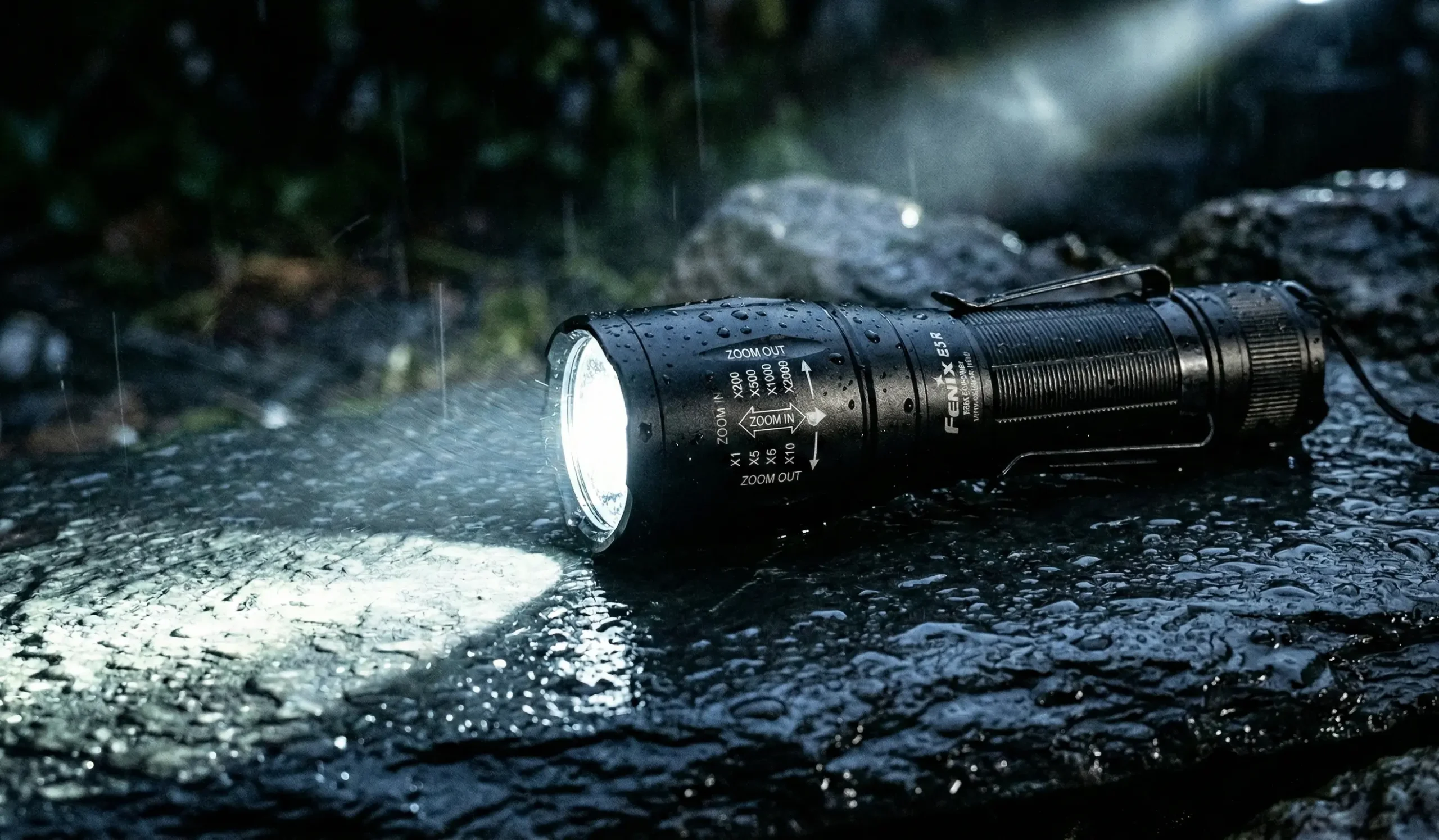
These are other vital supplies you need to stock up on for blackout preparedness. The best part is that these come in a variety, making it easier for you to choose what works for you.
Here you can stock up:
- Candles in jars
- Oil lamps
- Lighters
- Matches
- Big flashlights
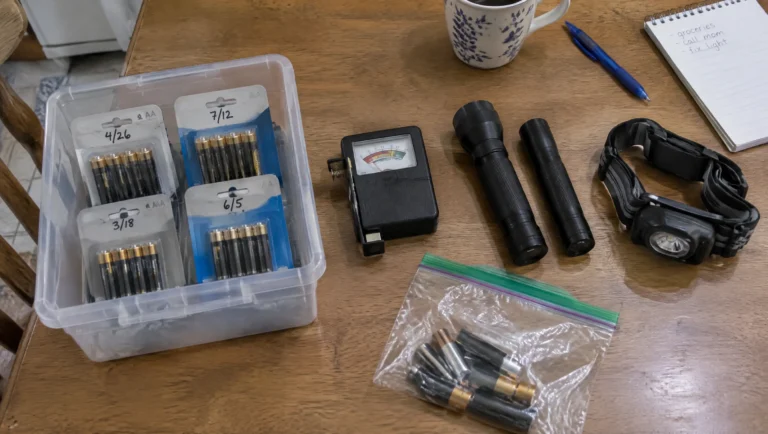
- Batteries
RELATED: The Top 7 Best Tactical Flashlights Ranked and Tested 2026
5. Medication
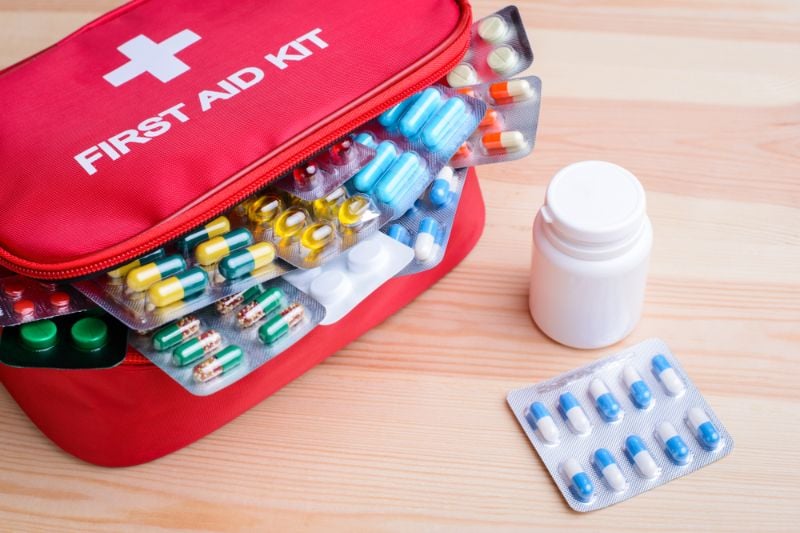
Without electricity, you bet no store will be operating during the night. Therefore, stocking up on medication, both prescriptions and over-the-counter, is an excellent preparedness measure for emergencies.
READ MORE: Medical Supplies: Complete List Every Family Should Own
6. Water
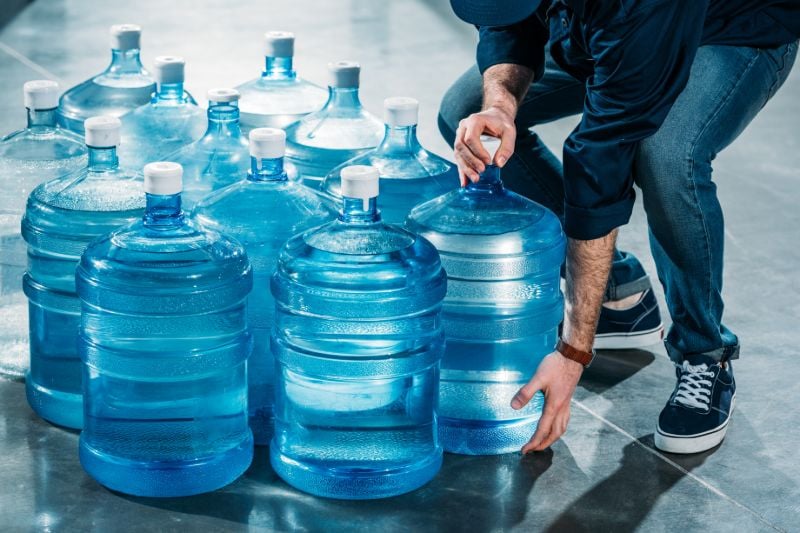
Even with electricity gone, you still need to take showers, cook, drink, and flash the toilets, hence needing as much water as possible. For this, you can buy storage containers and fill them up with water. You can also fill your bathtubs with water so that you’ll have enough for flushing toilets and showering during a blackout.
RELATED: EMERGENCY WATER SOURCES WHEN SHTF
7. Communication
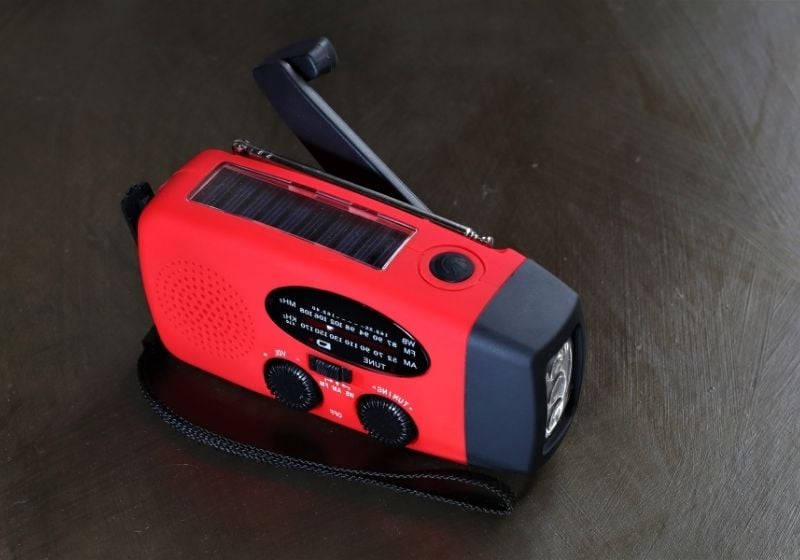
Part of surviving in times like these is keeping yourself aware not just of the power outage itself but knowing the probable cause of it.
Keeping a battery-powered radio, CB radio, or a charged mobile phone will help you be aware of the outside world. Listening to the news or communicating with other people can help with surviving and knowing what to do.
8. Backup Power
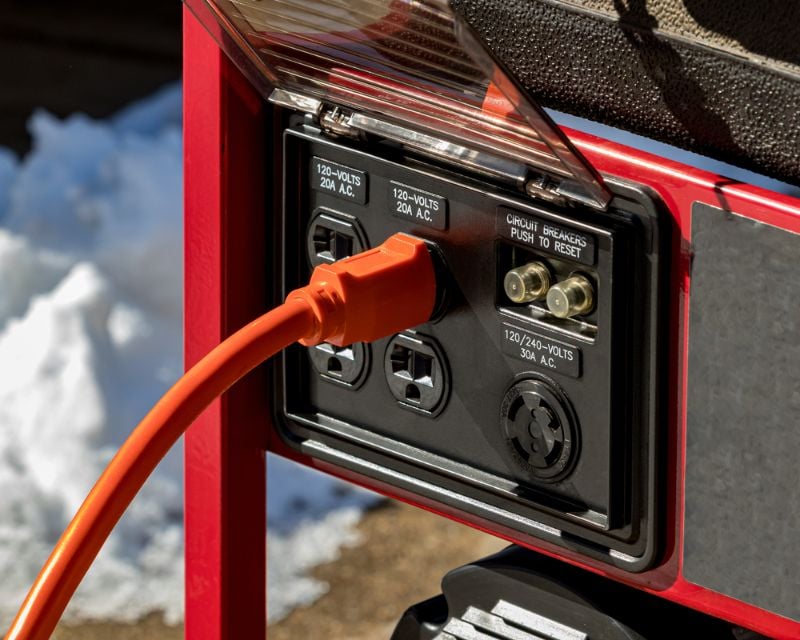
Many people assume that having a simple power bank for their phone is enough to get through a multi-day outage. However, if you want to keep your larger devices running or maintain your food storage, you need a more robust battery setup. Investigating portable power stations that can be recharged via solar panels is an excellent place to start. This ensures that even if the grid is down for a week, you have a renewable way to generate electricity for your essential gear.
TESTED & RANKED: Top 5 Portable Power Stations for Grid-Down Scenarios 2026
9. Morale
During a long blackout, the psychological toll can be just as difficult as the physical one. When the sun goes down and the house is silent, “cabin fever” often sets in for families. Keeping your spirits high is, therefore, a vital part of survival. Set aside a specific “Blackout Kit” that contains items strictly for fun and comfort. Having these items ready to go will help the time pass more quickly and keep children from becoming anxious during the dark hours.
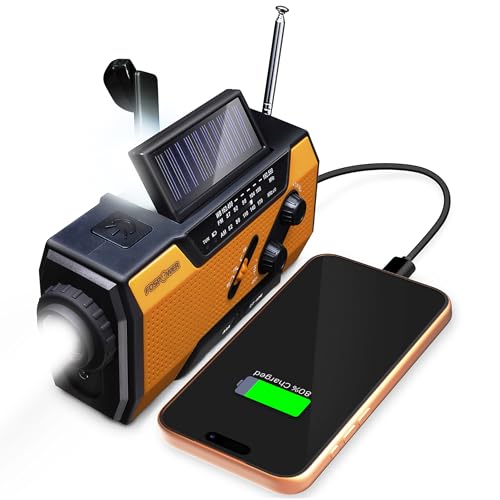
Outages are getting a lot more frequent in my area lately, so I finally decided it was time to upgrade my gear. I try to invest in new blackout essentials every once in a while to stay ready without the stress of a huge bill all at once. My latest move was investing in a portable power station and this core setup to keep our kitchen and comms running through the dark.

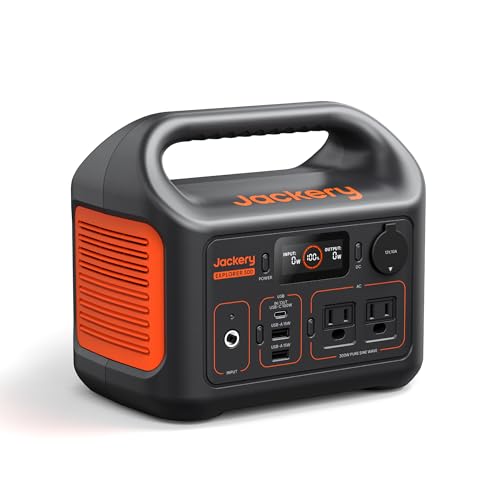
Last update on 2026-10-11 / Affiliate links / Images from Amazon Product Advertising API
The Grid doesn’t give warnings. > Don’t bet your family’s safety on a dead smartphone. Download and tape this 72-hour blackout preparedness sheet to your fridge before the lights go out.
Now that you have everything you’ll need during blackouts, check out this video about organizing your blackout box:
There you have it, preppers. With everything that’s happening globally, it is never too early to start prepping and stocking up supplies. The earlier you start, the better and the more supplies you’ll have. Starting early also means doing it at your pace and not hurting your finances.
Blackout Preparedness FAQs
How can I keep my house warm if the power goes out during winter? Focus on insulation and stopping air infiltration by immediately blocking drafts around doors and windows with towels. Insulation refers to how thick your walls are, while thermal mass items like brick or water jugs help hold the internal temperature. If you use backup fuel heaters, ensure you have working smoke and carbon monoxide detectors in place.
How long does food stay safe after the power cuts? Follow the 4-24-48 rule: you have 4 hours for the fridge, 24 hours for a half-full freezer, and 48 hours for a packed freezer. Once the fridge hits the 4-hour mark, bacteria growth makes high-protein foods dangerous to consume. Never risk severe food poisoning during a blackout when medical resources and hospitals are likely overwhelmed.
What specs should I look for when choosing a portable power station? To stay secure through a multi-day outage, you must close the runtime gap by investing in a capacity at least three times your estimated daily draw. For example, if you have a 500Wh battery and try to run a 1,000W appliance, it will die in only 30 minutes. Look for stations that can be recharged via solar panels to ensure you have a renewable way to generate electricity if the grid is down for a week.
How many hours can your household actually survive right now without power? Post your honest number below. No rounding up.