
Last Updated: March 2026
We all said it during the 2020 saga: Never again. Never again would we be caught staring at an empty shelf where the infant Tylenol used to be. Yet here we are in March 2026 , watching gas prices surge past $6.09 a gallon and reading headlines about delayed shipping hubs and pharmacy backorders. It feels like the cycle is repeating, but this time around, you’ll know which medical supplies to grab early before they get in demand and vanish during a crisis. I’ll show you below.
Jump to:
Medical Supplies That Run Out First
Red Cross FREE Medical Supplies Checklist
Related: Medical Supplies Disaster Prepared Kits
Why Invest in Medical Supplies in 2026

Complacency is a luxury we can’t afford this year. Between the conversation around grid stability and “stealthy warfare” like cyber disruptions, our regional shipping hubs are more vulnerable than ever. Think of medical readiness as your family’s first line of defense; when a doctor or a stocked shelf isn’t immediately available, it’s just you and your first-aid supplies. If we’re willing to put resources into high-end sneakers or designer purses, it’s only logical to apply that same standard to medical tools that actually protect us when the system stutters.
Medical Supplies That Run Out First During a Shortage 2026
With localized health alerts like the recent measles outbreak, pharmacies often face “flash shortages” where essentials vanish within hours. To keep your family safe, you need to prioritize the items that disappear first.
Pain and Fever Management
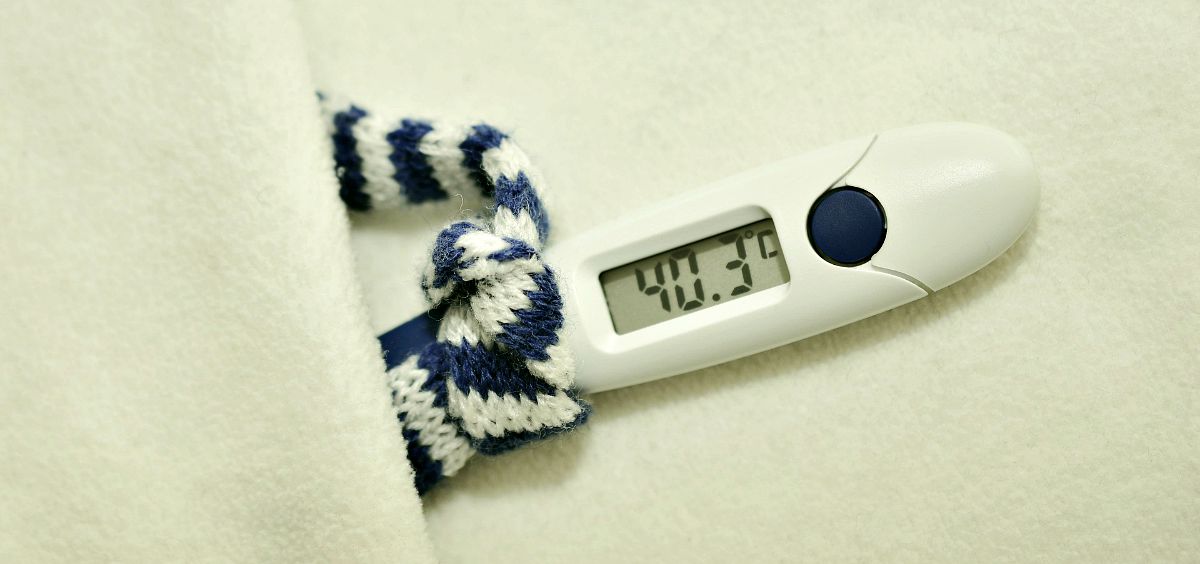
The biggest risk to your medical readiness is the localized stock-out. When a seasonal bug or a regional health alert hits a specific zip code, every household within a 20-mile radius tries to buy the same three things at 5:00 PM. We frequently see these “flash shortages” hit Acetaminophen and Ibuprofen, especially in liquid or chewable formats that are easier for kids to take.
- The Buffer: Keep at least two unopened bottles of your primary fever reducers (one for adults, one for pediatric).
- The Logic: It’s not “hoarding”; you’re just ensuring that your family isn’t dependent on a single delivery truck arriving at a single store during a week of high demand.
GI and Hydration
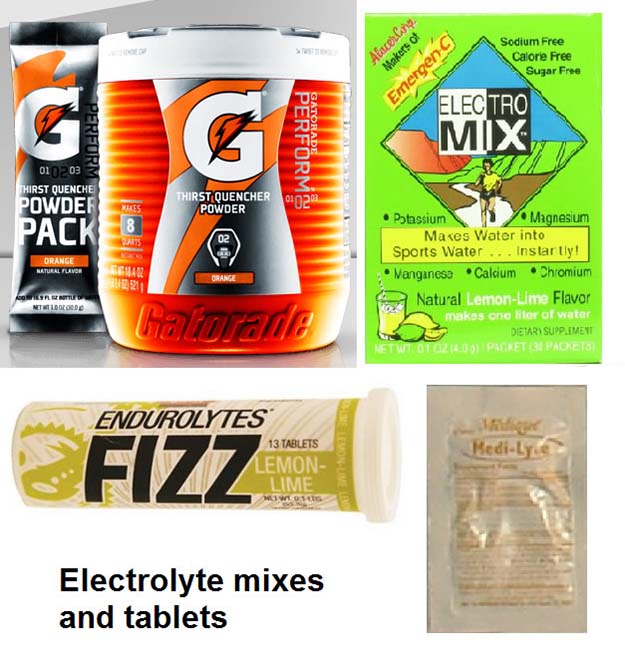
Heavy items are the first things to disappear from shelves when transit is disrupted. Liquid electrolytes and gallon jugs of distilled water are expensive to ship and take up massive amounts of space on a delivery truck. If a regional shipping hub faces a delay, maybe due to bad weather, road closures, or technical glitches, those heavy pallets are often the first to be bumped from the schedule.
- The Buffer: Include powdered electrolyte sticks in your hydration plan.
- The Logic: Powders have a significantly longer shelf life, take up 90% less space, and can be shipped through standard mail or couriers, even if the heavy freight lines are backed up.
Wound Care and Consumables

Most modern medical supplies rely on a fickle inventory model. When a major distributor faces a technical backlog or a shipping delay, the ripple effect hits the “consumables” hardest such as sterile gauze, medical tape, and alcohol prep pads. These items are often manually reordered by pharmacy staff, whcih means a single administrative delay can result in two weeks of empty shelves.
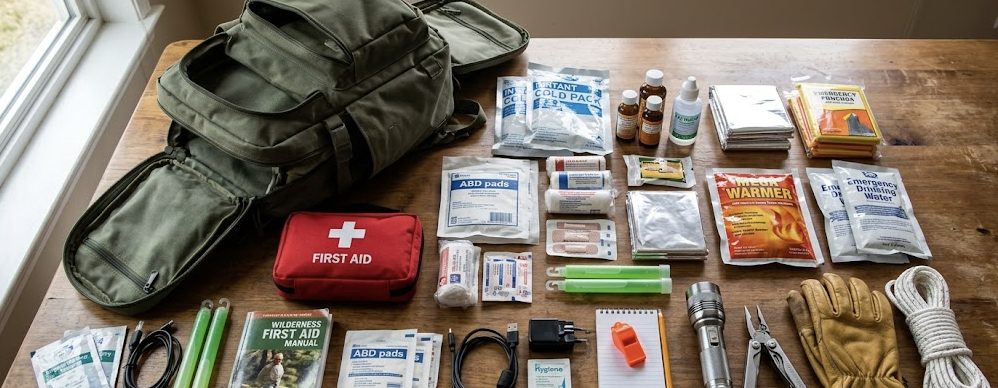
- The Buffer: Build a “Pro-Sumer” wound module with 4×4 sterile gauze pads, high-quality medical tape, and a hemostatic agent.
- The Logic: Having a professional-grade buffer means you can handle minor lacerations or scrapes at home without having to navigate an overstretched urgent care just because the local CVS is waiting on a backordered shipment.
Eye Care Solution
You don’t want to be the person trying to find sterile saline when you have dust in your eye from a rally or a minor infection at home.
- The Buffer: Stock three 4oz bottles of sterile saline eye wash. Don’t rely on “multi-purpose” contact lens solution as a substitute for an emergency eye flush; you want the pure stuff.
- The Check: Look at your lubricating drops (artificial tears). If they’re “preservative-free” (single-use vials), that means they’re currently the highest stock-out risk because their packaging process is the most complex. Grab a backup box now.
- The Logic: By keeping a 6-month supply of these solutions (usually just 2-3 small bottles), you opt out of the sterile supply chain’s “bad weeks.”
Diagnostic and Specialty Tools

Medical electronics, specifically digital thermometers and pulse oximeters, often have surprisingly fragile supply chains. Because many of these components are shipped from centralized tech hubs, any disruption in specialized electronics shipping results in a “tech lag” at the retail level. If your thermometer breaks during a week when the regional warehouse is offline, you’ll get stuck with old-school tools.
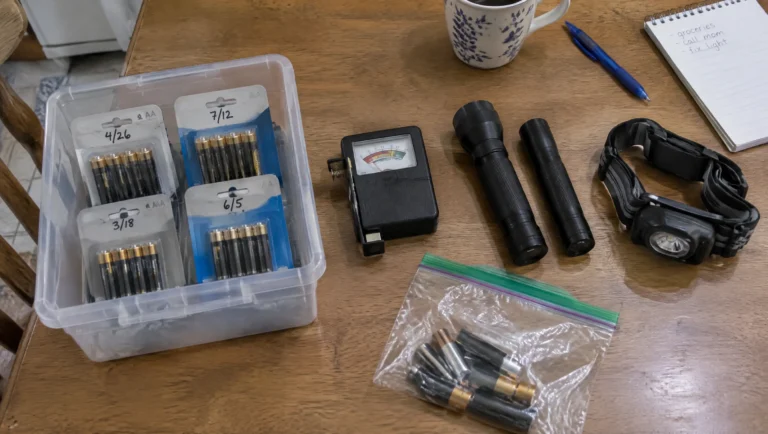
- The Buffer: Ensure you have one high-quality digital thermometer with a spare set of the specific batteries it requires (usually CR2032 or AAA).
- The Logic: A diagnostic tool is only as good as its power source. Checking your batteries today is a $5 prep that saves you a massive headache during a localized system stutter.
Watching the I-95 corridor choke out near New Haven while the boards hit $6.39 last week was the only ‘go code’ I needed to harden my family’s medical rig. I spent the weekend securing the survival picks in the table below, from the pediatric Ibuprofen to the Medi-Lyte sticks and a fresh QuikClot module.

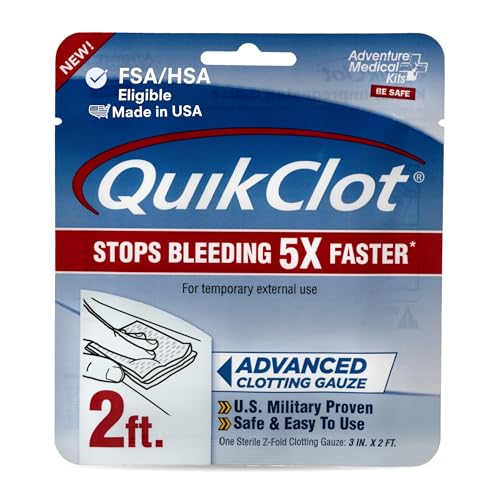

Last update on 2026-10-09 / Affiliate links / Images from Amazon Product Advertising API
Foundational Medical Supplies Checklist Recommended by the American Red Cross

Once you have secured the high-priority supplies that tend to run out first, use this checklist to assemble the rest of your kit. These items provide the baseline medical attention recommended by the American Red Cross. (feel free to screenshot or tick off the boxes)
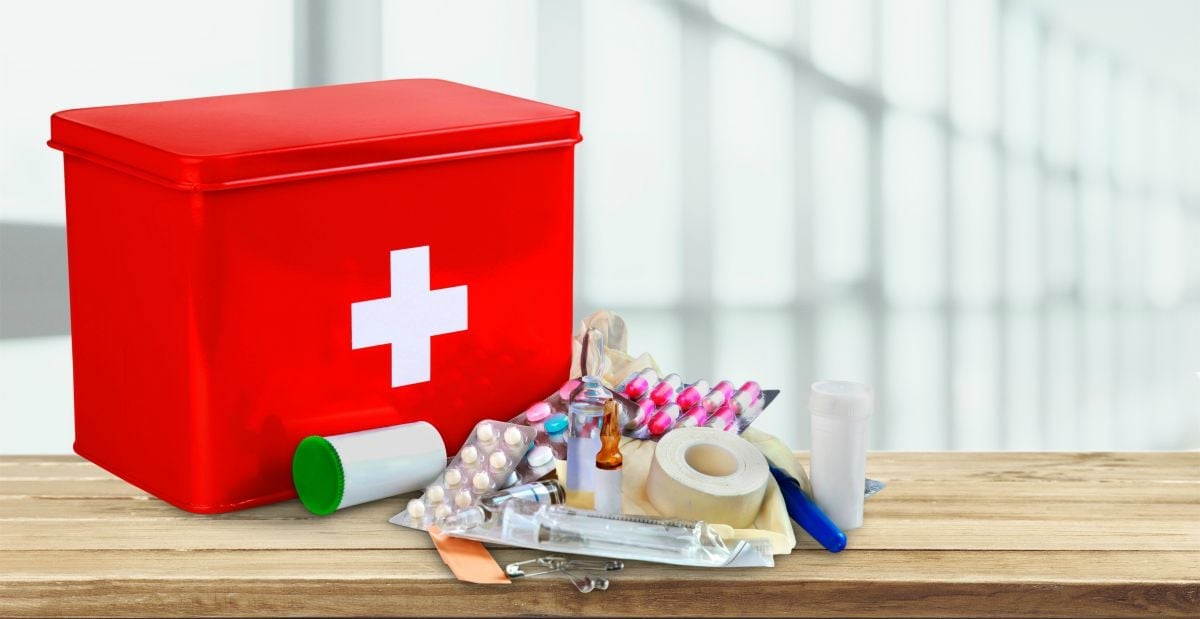
List of Medications for Your First Aid Kit:
/
7 Additional Emergency Medical Supplies
Aside from the list containing standard medical supplies, you can also invest in other emergency items for more advanced situations. However, these particular supplies require adequate medical training. You will never know though when these items would be needed. It is better to be prepared and safe than sorry.
1. Lights
A crucial piece of equipment for medical emergencies, lighting such as LED flashlights and headlamps is an essential part of your advanced first aid kit.
2. Foley Catheters
These are flexible and thin plastic tubes designed to provide relief from blockage of the urinary tract.
3. QuikClot
This wound-dressing product contains kaolin which stimulates blood clotting.
4. Water Purification Equipment
Water is the universal solvent and when in pure unadulterated form, it also has healing properties.
5. Penrose Drain Tubes
These specialized tubes are designed to drain excess fluids from wounds.
6. Extra Sheets of Blankets
This may seem obvious but you will be surprised how often these items are overlooked. Blankets have various functions and thus essential.
7. Portable Power Supplies
Some of your equipment such as flashlights or LED lamps may need extra power during long-term medical treatment. Portable power supplies may come in handy during this situation.
RELATED: Top 5 Portable Power Stations for Grid-Down Scenarios 2026
Basic Medical Know-how
All these pieces of supplies and equipment though would be useless if you are not capable of using them. Getting yourself equipped with basic first aid knowledge is highly advised. A few hours of training will make a difference during emergencies. You also need not go far or spend a lot of money. There are excellent online first aid and basic CPR courses that are now offered online.
Check out this Medical Supplies for Long Term Care and Prepping vid by Survival Dispatch:
In an uncertain world where threats of disease, crime, and natural disasters are part of everyday existence, you might as well be ready to face these challenges. Ensuring that your home is well-equipped with complete medical supplies is one thing but without proper medical knowledge is more important. Live, learn, and survive!
FAQs
1. How often should I check and update my emergency medical kit? You should audit your medical supplies at least once every six months. This ensures you can rotate and replace expired medications (like liquid fever reducers or ointments), verify that sterile packaging on gauze or saline hasn’t been compromised, and check the batteries in diagnostic tools like digital thermometers and pulse oximeters.
2. What medical supplies usually run out first during a local emergency? During local “flash shortages,” everyday consumable essentials vanish the fastest. To stay ahead of the curve, prioritize stocking up on children’s and adult pain/fever reducers (Acetaminophen and Ibuprofen), powdered electrolyte sticks, sterile wound care items (gauze and medical tape), and preservative-free eye care solutions.
3. Do I need special training to use items like QuikClot or tourniquets? Yes. While having advanced trauma supplies in your kit is incredibly important for grid-down scenarios, using them incorrectly can cause further injury. If you stock advanced items like hemostatic gauze, chest seals, or tourniquets, you should absolutely pair them with formal training, such as an online CPR certification or an in-person “Stop the Bleed” course.
QUICK POLL: Is a med kit a necessity, or are you just trying to dodge a massive insurance bill?
Let’s discuss in the comments! Are med kits an absolute necessity for survival, or just a desperate attempt to avoid 2026 healthcare costs? Defend your vote below!