
Last Updated: March 2026
At a Glance: Water Sources in the City
- The 11 primary urban water sources span internal reservoirs (water heaters, pipes, bladders, HVAC) and external infrastructure (commercial spigots, hydrants, ice machines, rainwater, wells, drains, and ponds).
- Prioritize “sealed” residential sources first to access pre-purified water, utilizing open environmental sources only as a last resort once internal reserves are exhausted.
- Internal sources are generally safe, but scavenged urban water is high-risk; boiling kills pathogens but concentrates heavy metals, making multi-stage carbon filtration mandatory for survival.
Earthquakes, hurricanes, and other natural disasters can disrupt the water supply. If a storm or blackout shuts the system down, where will you get a clean drinking supply? To avoid dehydration and stay healthy, you need a plan to utilize hidden or overlooked reserves. This post covers how to find emergency water sources in the city and how to make your supply safe to drink.
Where to Find Emergency Water Sources When SHTF
You can survive weeks without food, but only days without water. To survive an extended SHTF event, you must look past the kitchen sink. Use these methods to secure cleaner, high-capacity water sources from commercial and residential infrastructure.
1. Commercial Building Spigots
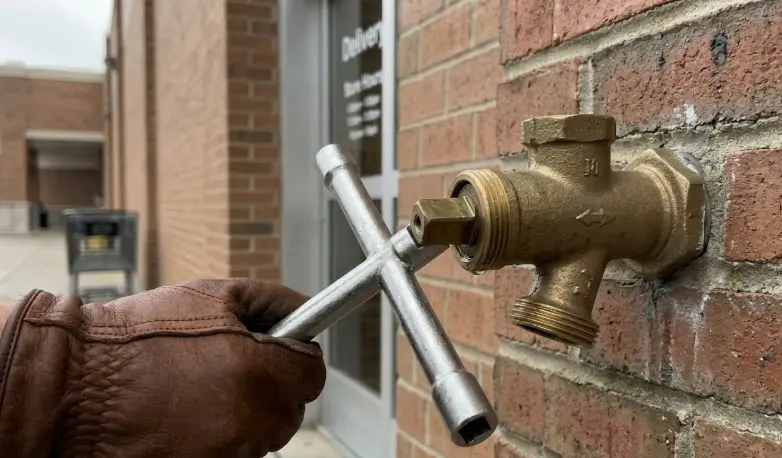
Many commercial buildings, such as grocery stores and warehouses, have external water spigots “locked” with a square-shaped brass stem rather than a standard handle. Because these are part of a pressurized system, the water is generally cleaner than surface sources as long as residual grid pressure exists.
To tap into these cleaner, pressurized lines if the grid fails:
- Acquire a four-way sillcock wrench, a compact tool that fits the most common valve sizes.
- Locate the external valve on the side of commercial or industrial complexes.
- Insert the wrench onto the brass stem and turn slowly to access the pressurized water.
2. Residential Water Heaters
A standard home water heater is a highly reliable “hidden” source, typically holding 40 to 80 gallons of potable water. It acts as a massive internal reservoir that can be isolated from potentially contaminated city lines during a crisis.
To safely extract this high-capacity reservoir and isolate it from contaminated grid water:
- Shut off the gas or electricity to the unit to prevent the heating elements from burning out.
- Close the cold water intake valve at the top to isolate the tank from the outside grid.
- Open a hot water faucet upstairs to break the vacuum and allow flow.
- Drain the water through the spigot at the base of the tank into clean containers.
3. HVAC Condensation Lines
In humid environments, AC units and large-scale HVAC systems produce “greywater” through condensation that drips from exterior drainage pipes. While renewable, this water drips over metal coils and can harbor heavy metals or bacteria like Legionella.
To safely utilize this renewable greywater source while mitigating bacterial risks:
- Locate the drainage pipes on the exterior of the building.
- Collect the dripping water in a clean bucket.
- Process through an activated carbon filter to remove metallic residues.
- Boil the water thoroughly before consumption to neutralize high-risk bacteria.
4. Bathtub Storage Bladders

If you have advanced warning of an approaching storm or grid failure, these heavy-duty plastic liners can maximize your indoor storage by holding up to 100 gallons. They keep the water sealed and protected from debris or soap residue.
To create an immediate 100-gallon sterile reservoir before the taps go dry:
- Place the heavy-duty plastic liner in your bathtub before the disaster hits.
- Fill the bladder while the taps still have pressure to create a sterile reservoir.
- Seal the bladder to sustain your family for several weeks without needing to scavenge for supply.
5. Industrial Chemical Filtration
When sourcing water from urban environments like storm drains or city ponds, standard boiling and purification tablets are often insufficient. Modern urban runoff is frequently contaminated with “forever chemicals” (PFAS), motor oil, and industrial toxins that boiling actually concentrates rather than removes. To make this water truly safe, you must use a multi-stage filtration process that includes a high-quality activated carbon block or an ion-exchange filter. These specialized filters are designed to strip away microscopic chemical residues, ensuring that the water you scavenge doesn’t lead to long-term health complications.
During a 48-hour grid-down drill, I “mined” 40 gallons from a standard apartment water heater. It looked clear, but lab tests later confirmed trace lead and stagnant bacteria from the aging pipes. Locating a source provides the asset; these are the three units I personally bought and tested to provide the security.

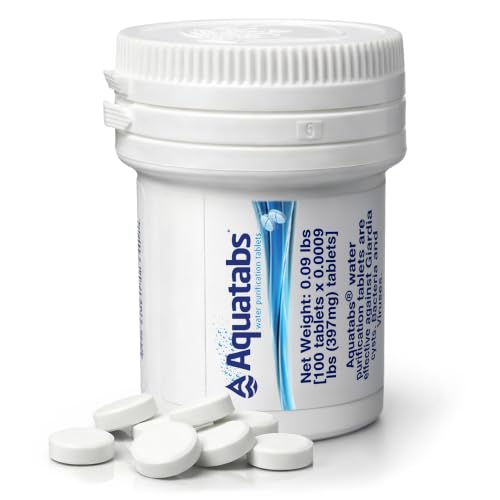

Last update on 2026-10-16 / Affiliate links / Images from Amazon Product Advertising API
RELATED: 4 DIFFERENT WATER PURIFICATION METHODS
Urban Water Scavenging: Secondary Reservoirs and Last-Resort Sources
While internal reservoirs like water heaters provide a safer immediate supply, you may eventually be forced to look toward the city’s open infrastructure as your primary reserves dwindle. These are last-resort options so treat them with extreme caution.
⚠️ EMERGENCY USE ONLY
LEGAL & HEALTH DISCLAIMER: This information is for educational purposes only. Accessing public infrastructure may be illegal or restricted. Urban water carries extreme health risks from toxins and heavy metals that boiling will not remove. No liability is assumed for the use or misuse of this information. Always prioritize official emergency distribution sites; scavenging should be considered a life-or-death last resort.
6. Rainwater Harvesting
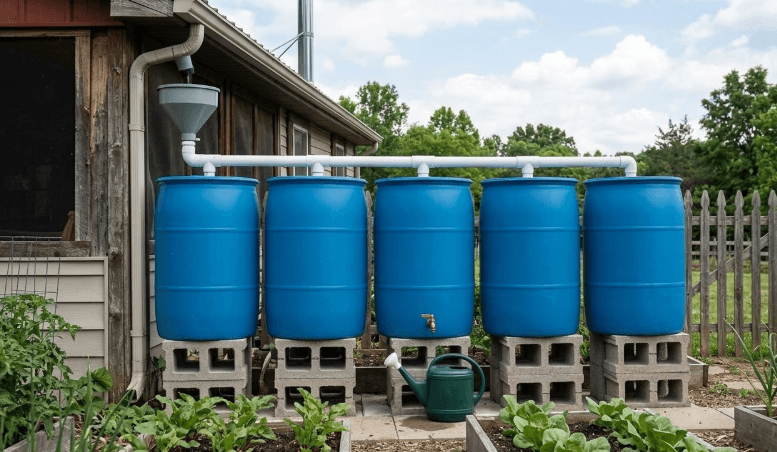
Roof runoff offers a reliable backup emergency water source, but it is not pure. Atmospheric smog and roofing material residues (zinc or bitumen) contaminate the flow.
- The Extraction Protocol: Place a screen over your gutter to catch debris and channel water into a storage tank. Run the liquid through a fine filter and boil or disinfect it.
- Risk Mitigation: If you have no other choice, use the “First Flush” method: Divert the first 10–20 gallons of rainfall away from your bin. This initial flow washes bird droppings and pollutants off the roof. Only collect mid-storm rain for drinking.
READ MORE: RAINWATER COLLECTION SYSTEM: PURIFY, STORE AND USE WATER SUSTAINABLY
7. Storm Drains
This is the most dangerous source in the city, carrying trash, motor oil, and “forever chemicals.”
- The Extraction Protocol: Strain runoff through a fine filter to remove large sediments. Afterward, disinfect it using tablets and run it through a portable carbon filter to reduce chemical residues.
- Risk Mitigation: Boiling this water concentrates chemical toxins. If you do not have a high-quality activated carbon or ion-exchange filter, storm drain water should be used for hygiene and toilets only, never for consumption unless facing imminent dehydration.
8. Groundwater Wells
Many U.S. cities draw their main supply from underground wells. During emergencies, they can be a lifeline if you know where to find one and how to collect water safely.
- The Extraction Protocol: Lower a clean, weighted “well bucket” into the casing. Once retrieved, strain the liquid through a ceramic or carbon filter to remove grit and sediment.
- Risk Mitigation: If the SHTF event involves flooding, assume the well is contaminated with surface sewage. If the water remains turbid (cloudy) after settling, double the disinfection dosage and prioritize boiling.
9. Urban Ponds and Lakes
Urban bodies of water are natural reservoirs but are often highly contaminated due to street runoff.
- The Extraction Protocol: Transfer the liquid into a bucket and let it sit undisturbed for 30 minutes. Pour the top layer through a folded cloth or paper towel to remove fine particles, then leave in transparent bottles in the sun for six hours (SODIS method) or boil.
- Risk Mitigation: Avoid stagnant “scum” at the edges. If the water has a green, paint-like tint, it may contain cyanobacteria. Boiling will not neutralize these toxins; a high-grade activated carbon filter is mandatory.
10. Decorative Fountains
City fountains are an option, but studies show over 60% harbor unsafe levels of bacteria or recirculated chemicals.
- The Extraction Protocol: Collect water only from the strongest flow or highest tier of the fountain. Use a flocculant tablet to settle particles, then pour the liquid through a ceramic or carbon filter.
- Risk Mitigation: Fountains often contain anti-algal chemicals like copper sulfate. These are toxic in high doses. If you must use this source, a carbon filter is required to strip chemical additives.
11. Fire Hydrants
Fire hydrants connect directly to the city’s main water lines. However, you need approval from local authorities or emergency services before using them, as unauthorized tampering is a crime and can deplete pressure for fire crews.
- The Extraction Protocol: If authorized, use a dedicated pentagonal hydrant wrench (not a pipe wrench). Open the hydrant extremely slowly one-quarter turn every 30 seconds to prevent “water hammer,” a pressure wave that can shatter underground mains. Let it flow until the initial rust clears before collecting.
- Risk Mitigation: Never stand in front of the discharge caps; high pressure can turn a loose cap into a lethal projectile. Always treat the collected liquid with chlorine tablets.
Final Thoughts on Urban Water Sources
We often take clean drinking water for granted until it becomes unavailable. During an emergency, stored bottles are the safest option. Once you run out of supplies, that’s when you should turn to the urban sources we covered. Just remember to filter, boil, or treat every drop before taking a drink.
What’s the first urban water source you could reach on foot in your area?
FAQs: Emergency Water Sources
- What counts as an emergency water source?
Any backup supply you can collect and safely purify when tap water stops—like rain, wells, or runoff. - Is rainwater safe to drink?
Not right away. You need to filter it and either boil or disinfect it first. - Can I drink water from a fountain?
Only if it’s your last option—and you purify it thoroughly with filtration and boiling or tablets. - Are storm drains a safe option?
They’re risky and need careful filtering and purification. Use them only if no cleaner source is available. - How much water should I store?
FEMA recommends at least one gallon per person per day, for several days. - Is pool water safe to drink?
Not without treatment. Let chlorine off-gas, then filter and disinfect it before use. - Can I use a fire hydrant?
Yes, but only with permission from local authorities. Always filter and treat it. - What’s the easiest source to access in the city?
Rainwater is often the simplest if you have a clean catchment system. - Do I need special tools to purify water?
Basic filters, boiling, purification tablets, or a UV pen will do the job in most cases. - When should I start looking for emergency sources?
As soon as your stored supply runs low or authorities issue boil-water notices.