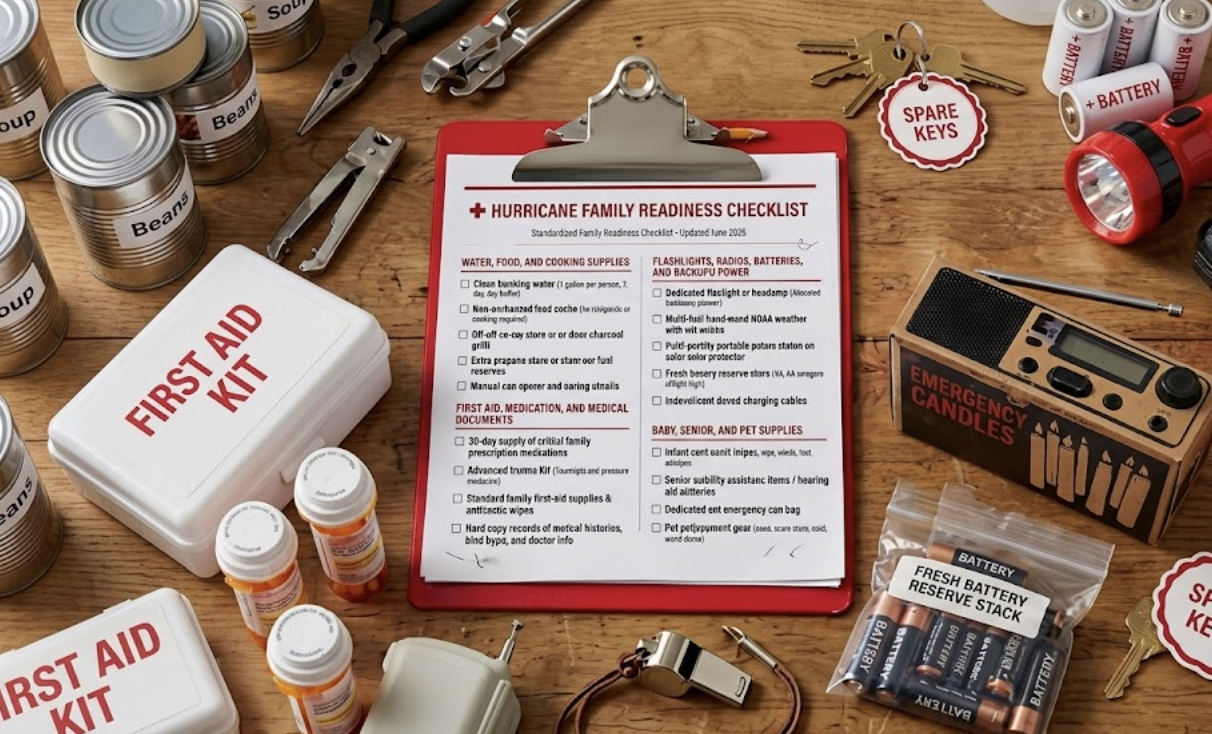

The 2026 hurricane season is here. Don’t wait for heavy rains, dry gas stations, and empty grocery shelves to figure out your plan.
FEMA has laid out their baseline guidelines for this year, but reading a government manual won’t be enough to prepare for the storm. You need a practical, tested setup that actually works when the water rises. We took the federal baseline and turned it into a family-ready checklist. This is exactly what you need to print, pack, and update right now so your household stays safe, powered, and fed while everyone else is panicking.
What FEMA Recommends for Hurricane Preparedness in 2026
FEMA recommends every family know their local flood risk, build an emergency kit meant to last several days, and have a clear evacuation route planned out before a storm hits. To get your household up to speed, we’re going to break down the core basics you need to handle right now, from knowing your evacuation zone to locking down your important documents.
- Know Your Risk: Hurricanes are not just a coastal problem. High winds and heavy inland flooding can stretch hundreds of miles from the shoreline.
- Make a Plan: Know exactly how you will contact your family and where you will go if local officials issue an evacuation order.
- Know Your Evacuation Zone: Check your local county or state emergency management website to find your designated zone.
- Recognize Alerts: Download the FEMA app and enable Wireless Emergency Alerts (WEAs) on your smartphone.
- Review Documents: Dig out your insurance policies, medical records, and property deeds. Store physical copies in a waterproof bag and save digital backups to the cloud.
- Prepare Supplies: Build a kit that allows your household to survive independently for several days without power, water, or emergency services.
FEMA’s 2026 Hurricane Preparedness Checklist
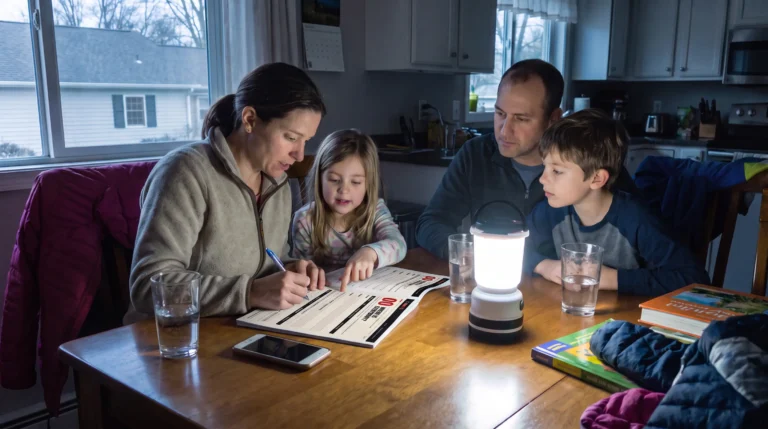
You don’t need to overcomplicate this. You just need to execute. Here is the master checklist you need to run through this weekend to ensure your family is ready.
- Emergency alerts enabled: Double-check your phone settings.
- Evacuation route written down: Physical maps beat GPS when cell towers go down.
- Family meeting place selected: Pick one spot in your neighborhood and one out of town.
- Insurance documents reviewed: Confirm your flood coverage is active (standard policies don’t cover flooding).
- Prescription refills checked: Keep at least a 30-day backup supply of essential meds.
- Pet plan ready: Not all shelters take pets. Know which local hotels do.
- Cash and IDs packed: Card readers die when the power grid fails. Have small bills on hand.
- Emergency kit updated: Rotate out expired food and test your batteries.
72-Hour Emergency Kit for Hurricane Season
Ready.gov states your emergency kit should help your household survive on its own for several days after a disaster. A 72-hour kit is the bare minimum survival baseline.
- Water: One gallon per person, per day.
- Shelf-stable food: Canned goods, protein bars, and easy-to-prep meals.
- Flashlights: One for every family member.
- Batteries: Stock heavily in AA, AAA, and D cell.
- First aid kit: Include trauma supplies, not just bandaids.
- NOAA weather radio: Hand-crank or battery-operated.
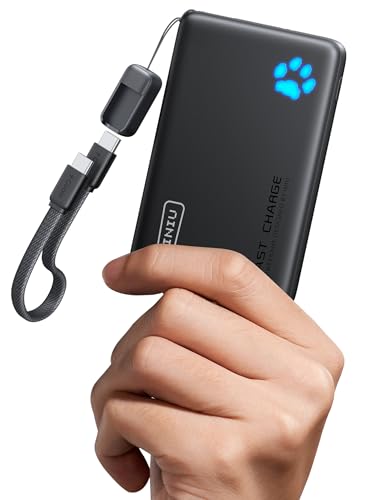
- Power bank: Keep it fully charged and packed.
- Hygiene supplies: Wet wipes, trash bags, and sanitation needs.
- Medications: Over-the-counter pain relievers and prescriptions.
- Copies of key documents: Sealed in a waterproof pouch.
I recently updated our emergency stash with these exact items because I know how fast store shelves empty and how power shuts down quickly when a storm hits:

Last update on 2026-10-21 / Affiliate links / Images from Amazon Product Advertising API
14-Day Supply Stockpile for Hurricane Season
If you live near the coast or in a flood-prone area, three days of supplies won’t cut it. You need a 14-day stockpile to weather extended power grid failures and supply chain collapses. This is your “better prepared” upgrade.
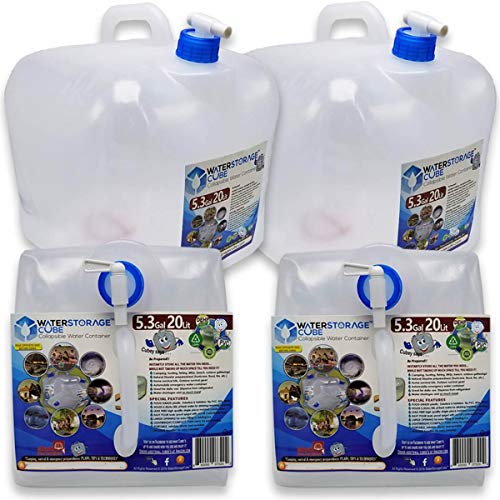
- Water storage containers: Stackable, BPA-free 5-gallon jugs.
- Gravity water filter: To purify tap water or rainwater if the municipal supply is compromised.
- Solar charger: To keep devices running indefinitely.
- Portable power station: A lithium-iron-phosphate (LiFePO4) generator to run CPAP machines, fans, or small fridges.
- Freeze-dried meals: Long shelf life, lightweight, and requires only boiling water.
- Lantern set: To safely light common rooms without the fire risk of candles.
- Backup cooking option: A camp stove with extra propane canisters.
To secure 2-week-long water supply, check this out: The Best Collapsible Water Containers for Small Spaces, Bug-Outs, and Emergency Kits
Family Communication Plan Template for Hurricanes
When cell towers overload, local calls fail but long-distance texts often go through. Your communication plan needs to be written down and handed out to every family member.
- Out-of-state contact: Designate one person outside the storm path to act as your central hub. Everyone checks in with them.
- Group text backup: Pre-build a group chat with your core family and the out-of-state contact.
- School pickup plan: Know the exact disaster protocols for your children’s schools.
- Elderly relative check-in: Assign someone to physically check on vulnerable family members.
- Pet contact info: Have your vet’s number and microchip details ready.
- Printed emergency numbers: Laminate a card with police, fire, and utility contact numbers.
How to Create a Hurricane Evacuation Plan
You create a hurricane evacuation plan by identifying your designated evacuation zone, mapping out two separate escape routes, and securing an inland destination well before the weather turns. Let’s walk through the specific steps you need to take to get your family out safely, including packing a go-bag and knowing exactly when to hit the road.
- Know your zone: Local authorities evacuate by zone. If your zone is called, leave immediately.
- Pick 2 routes: A primary highway and a secondary backroad in case of gridlock.
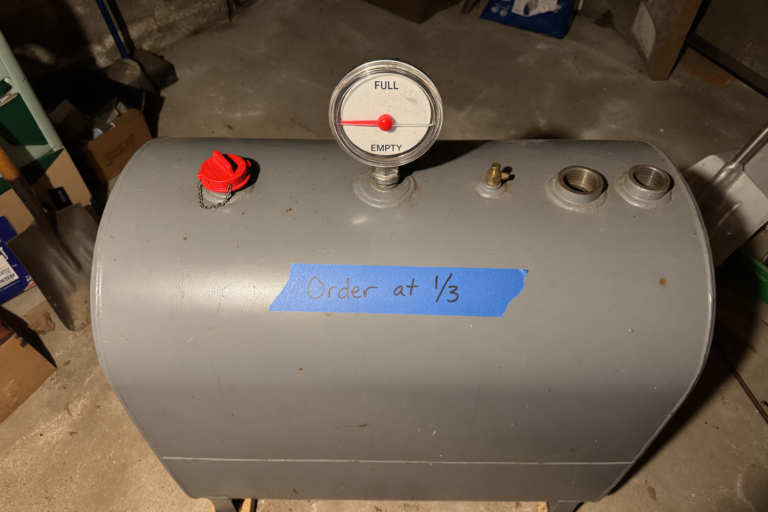
- Fuel early: Keep your gas tank at least half-full from June through November. Fill up completely the moment a storm is named.
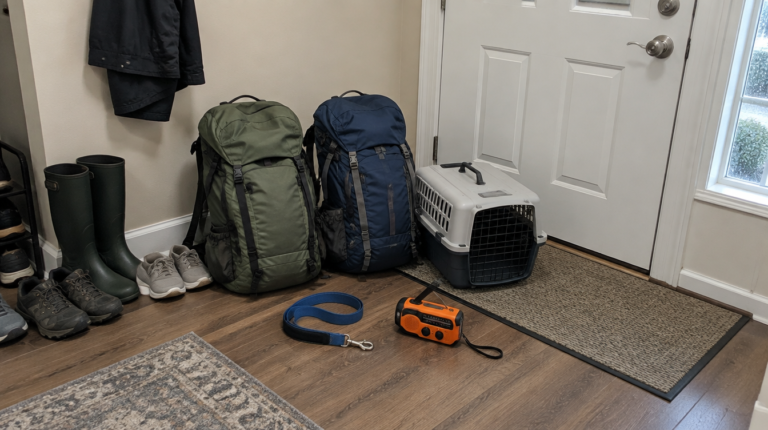
- Pack a go-bag: Have your 72-hour kit staged by the door.
- Choose inland lodging: Book a hotel or coordinate with family well outside the strike zone.
- Bring documents: Grab your waterproof document bag on the way out.
- Leave before roads clog: If you wait until the last minute, you will ride out the storm stranded in your car. Leave early.
Hurricane Prep for Apartments, Houses, and RV Travelers
The storm hits everyone differently based on where they live. You need to adjust your preparations to match your shelter.
- Apartment dwellers: Know your building’s evacuation stairwells. Stock up on gravity water filters since high-rise water pumps fail during power outages.
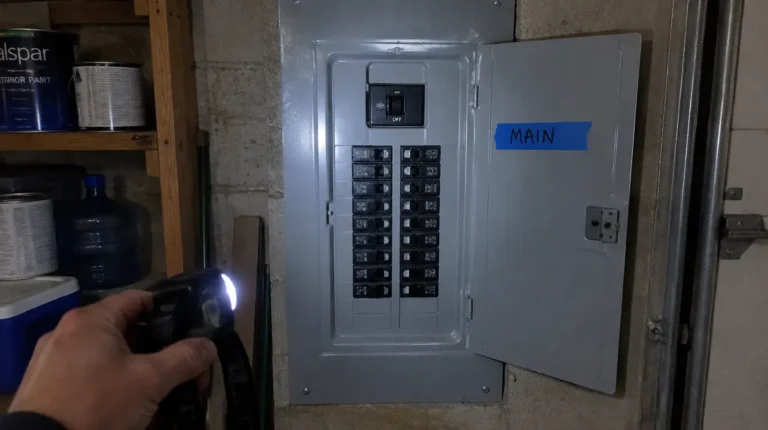
- Homeowners: Trim trees, clear gutters, and have pre-cut plywood ready to secure your windows. Know how to shut off your main water and gas lines.
- Coastal travelers: If you are vacationing near the beach, locate the local evacuation routes the day you arrive. Don’t wait for a warning.
- RV families: RVs are not safe in hurricane-force winds. Hook up and drive inland days before landfall.
- Elderly households: Arrange for medical transport early if mobility is an issue. Secure backup power for necessary medical devices.
- Pet owners: Stock two weeks of pet food and keep a hard-sided carrier ready for transport.
RELATED: Hurricanes | 11 Tips to Help Prepare Homeowners For Hurricanes
Best Hurricane Preparedness Gear to Buy Before Peak Season
Do not wait until a Category 3 is barreling toward your coast to buy gear. These are the critical items you need to secure before the peak season rush clears the shelves.
- Best emergency radio: Look for a crank-powered NOAA radio with a built-in flashlight and USB charging port.
- Best family first aid kit: Buy a kit that includes tourniquets, pressure dressings, and burn gel, not just scrape supplies.
- Best water filter: Invest in a high-capacity gravity filter that removes bacteria, cysts, and viruses.
- Best battery bank: Get a rugged, waterproof power bank of at least 20,000mAh.
- Best waterproof document pouch: Find a fireproof and waterproof silicone-coated fiberglass bag.
- Best flashlight kit: Opt for tactical LED flashlights that take standard batteries and have a strobe function for signaling.
I’ve spent years fine-tuning my hurricane kit, and trust me, you don’t want to be caught empty-handed when the storm hits. Here is the best gear to buy before peak storm season clears the shelves:
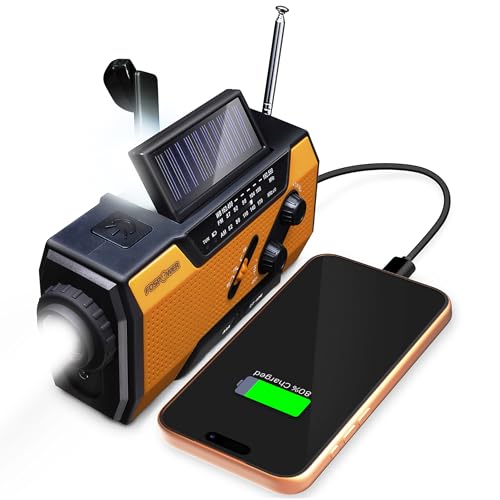

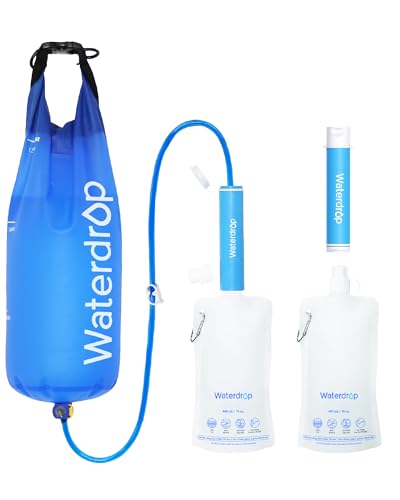
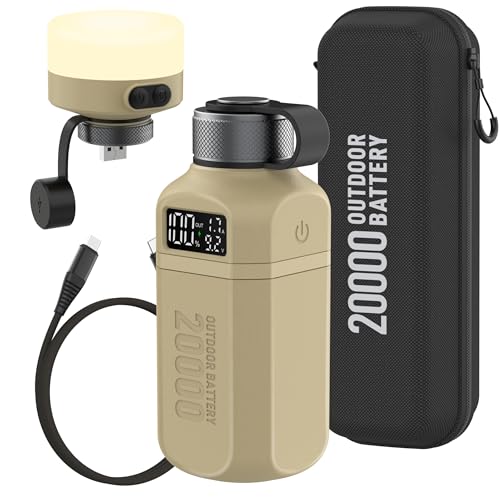

Last update on 2026-10-21 / Affiliate links / Images from Amazon Product Advertising API
Stop relying on memory. A written list is the only way to ensure you don’t miss a critical step during high-pressure moments.
Hope you liked our family-friendly hurricane prep checklists. Also check out FEMA’s official printable emergency supply checklist here. Print these pages, tape them inside your pantry door, stick them up in your garage, or drop them under the lid of your go-bag so your family won’t get caught off guard.
FAQs Hurricane Preparedness FEMA
What does FEMA recommend for hurricane preparedness?
FEMA recommends building a family plan, packing an emergency kit, knowing your evacuation route, setting up phone alerts, and reviewing your insurance policies while stocking several days’ worth of supplies. Let’s look at exactly what goes into those kits and how much you actually need to store.
What should be in a 72-hour hurricane kit?
A 72-hour kit should include a gallon of water per person per day, shelf-stable food, a first aid kit, flashlights, a battery-powered radio, extra batteries, necessary medications, backup phone chargers, and copies of your vital documents. Now, while three days is a good start, let’s look at why stretching that to a two-week supply might be the smarter play.
Is a 14-day supply better than a 72-hour kit?
Yes, a 14-day supply is vastly superior for families in coastal or flood-prone areas because widespread storm damage can knock out power, block roads, and empty grocery stores for weeks, not just days. If you’re building out that longer-term supply, let’s talk about the specific evacuation and communication plans you’ll need to go with it.
How do I make a family hurricane evacuation plan?
Make your plan by writing down your specific evacuation zone, two alternate driving routes, a designated family meeting place, an out-of-state contact person, and exactly where you will stay if you have to leave. Timing your evacuation is just as critical, which brings us to the exact dates you need to watch out for this year.
When does hurricane season start in 2026?
The 2026 Atlantic hurricane season officially started on June 1 and runs all the way through November 30. Get your gear, finalize your plans, and stay ready.
QUICK POLL
Should disaster aid be provided equally to everyone, or should families
with kids, elderly relatives, and medical needs get priority?
Vote, then make your case in the comments below.