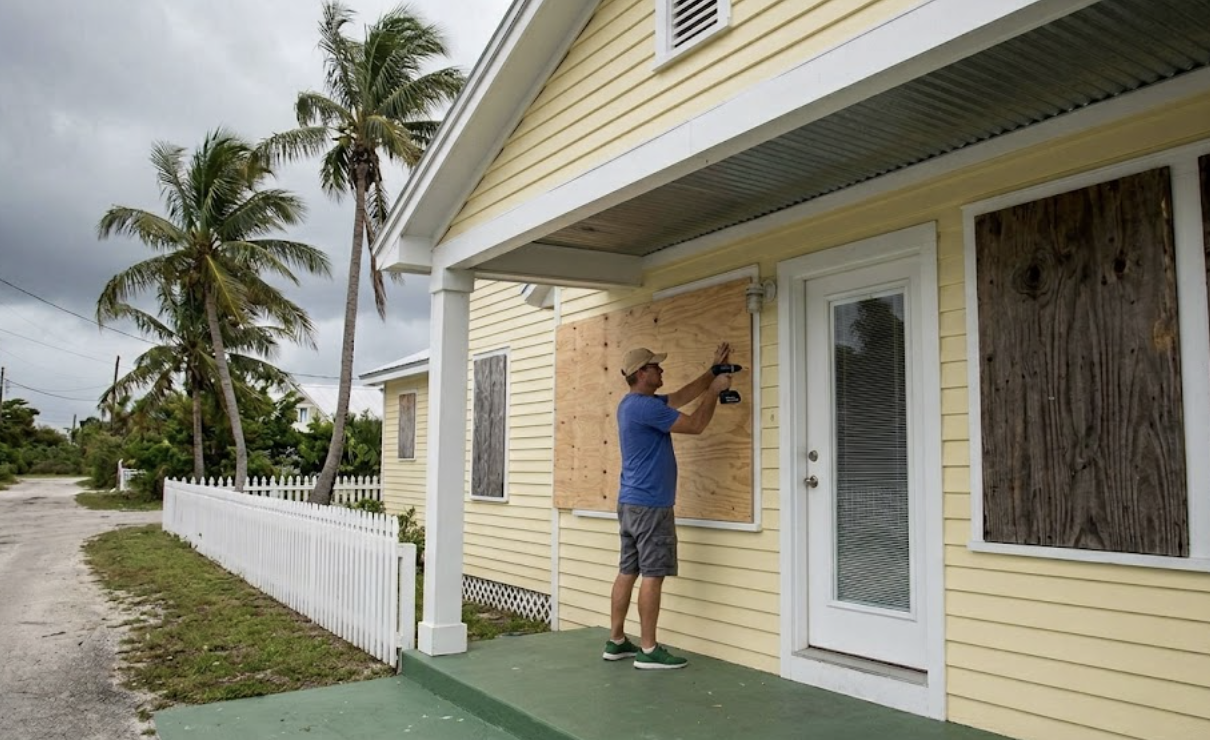

Tips to Help Prepare Homeowners For Hurricanes
Before you spend a dime, use this simple trigger tree to dictate your actions:
- IF Category 1-3 AND you are outside the storm surge zone → Stay and lock down the building’s envelope using the structural defenses below.
- IF Category 4-5 OR you are inside the surge zone → Abandon the structure. No amount of caulking stops the ocean.
RELATED: Hurricane Survival Guide For Families
If you are sheltering in, here are 11 simple structural upgrades you can install right now to lock down your home.
1. Brace Your Garage Door with a Kit
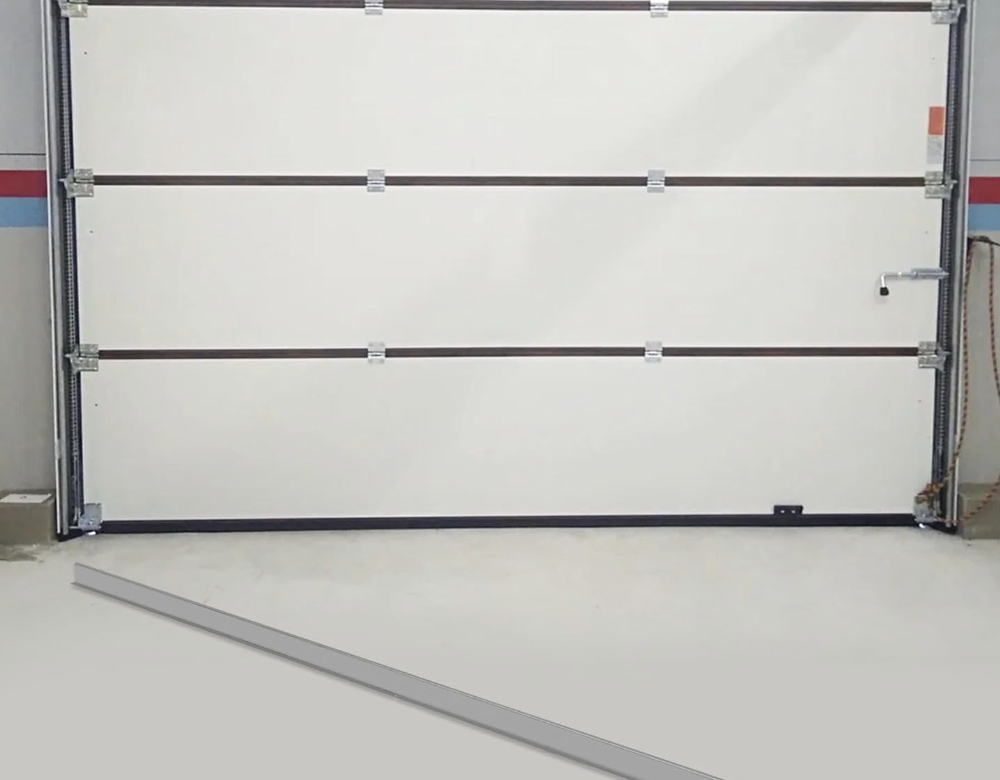
- The Threat: A standard 2-car garage door is the weakest point of your home. A 140 mph wind pushes with 50 pounds of pressure per square foot. That means a standard 16×7 foot garage door takes 5,600 pounds of pushing force. If it bends and blows off its tracks, the wind rushes in, pressurizes the house, and pops the roof off from the inside out.
- The Solution: You don’t need to buy a reinforced $3,000 door. You can install a heavy-duty, bolt-on garage door brace kit.
- How to Install: These kits use vertical aluminum posts that anchor to the floor and the header above the door. Drill the anchor plates into the concrete floor, attach the brackets to the door hinges, and slide the heavy C-channel beams into place when a storm is approaching. It takes about an hour to set up initially, and 10 minutes to deploy.
2. Stick on Impact Window Film
- The Threat: Flying debris breaks standard glass instantly. Once a window is gone, the wind enters and destroys the interior drywall while ripping off the roof.
- The Solution: If you cannot afford $15,000 impact windows, shatterproof security window film is your best DIY alternative. It won’t stop the glass from cracking, but it’ll hold the broken pane together in one solid, impenetrable sheet and protect it from the wind.
- How to Install: Measure your glass panes and cut the heavy-duty clear film to size. Spray the window heavily with a mix of water and a few drops of dish soap. Peel the backing off the film, press it onto the wet glass, and use a rigid squeegee to push all the water and air bubbles out to the edges. Let it cure for 24 hours.

3. Beef Up Your Door Hardware
- The Threat: Most builders install front doors using standard half-inch screws on the strike plates and hinges. Under hurricane-force winds, those tiny screws rip straight out of the soft wood trim, blowing your front door wide open.
- The Solution: Heavy-duty 3-inch steel screws and reinforced metal strike plates anchor the door directly into the framing studs of the house, not just the flimsy door frame.
- How to Install: Take a power drill and back out the short screws on your door’s hinges and lock strike plate. Replace the strike plate with an extended security plate, and drive 3-inch construction screws through the hardware, deep into the wall’s wooden studs. It takes five minutes and costs less than $20.
I knew those flimsy half-inch factory screws wouldn’t survive a Category 3 headwind, so I swapped them out for a heavy-duty 3-inch reinforcement kit. It took five minutes to drive them deep into the wall studs, and my front door instantly felt anchored to concrete against the storm:
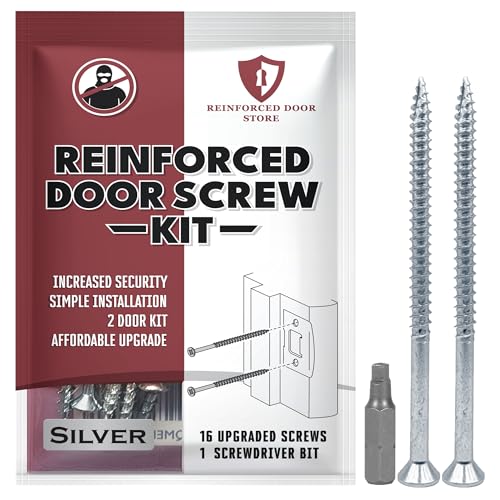
- [ANTI-VILLAIN TECHNOLOGY] Fixes the 3 WEAK POINTS of a residential door: The Strike Plate, Deadbolt Plate, and Hinges. Kick...
- [YOU SHALL NOT PASS] 3-Inch Long Hardened Steel Screws Burrow Past the Door Jamb and Dig Deep Into The Door Frame. Effective...
Last update on 2026-10-13 / Affiliate links / Images from Amazon Product Advertising API
4. Anchor Your AC Unit and Outdoor Items
- The Threat: A 100+ mph wind turns heavy outdoor items like standalone AC condenser units, tool sheds, or generators into wrecking balls that might smash through your walls.
- The Solution: Heavy-duty ground anchors. Use steel earth augers with wire cable for the dirt, or metal hurricane straps if the item sits on concrete.
- How to Install: If your equipment or furniture is on the grass, grab a set of steel earth augers, which look like giant metal corkscrews. Twist them deep into the dirt on opposite sides of the item until they are flush with the ground. Then, thread a thick steel cable or heavy-duty strap through the strongest part of the item’s frame like the structural base or heavy legs, hook it to the augers, and pull it tight.


5. Drop Water Dams at Your Doors
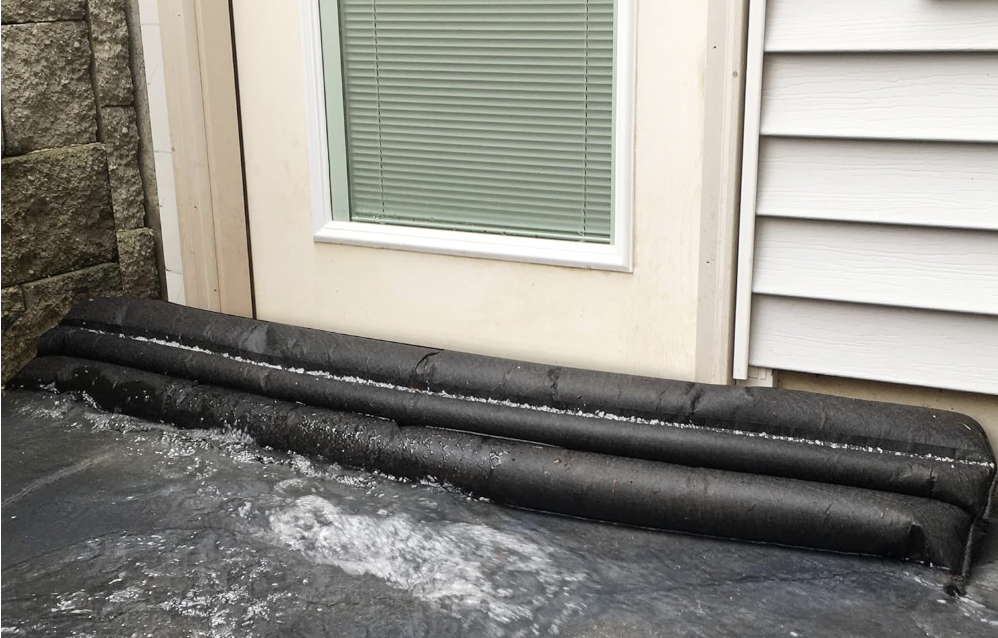
- The Threat: Traditional doors are not watertight. If street flooding pushes water up onto your porch, it will seep right under the door sweeps and destroy your floors.
- The Solution: Reusable, sandless water barriers (like Quick Dams). Traditional sandbags require a truck, heavy labor, and messy sand. These are lightweight fabric tubes filled with a super-absorbent polymer.
- How to Install: Keep them dry in your closet. When a storm approaches, lay them flat across the outside threshold of your exterior doors and garage. As the rain hits them, the inner gel absorbs the water and swells up, creating a heavy, custom-fit, watertight dam against the bottom of your door.
6. Foam the Gaps Around Pipes
- The Threat: Rain in a hurricane does not fall straight down; it blows sideways at high speeds. Sideways rain will find every single gap where your AC lines, cables, or plumbing pipes enter the exterior brick or siding of your home.
- The Solution: Extreme weather expanding polyurethane foam. It plugs the hole, seals the water out, and insulates the gap.
- How to Install: Walk the perimeter of your house and locate any penetrations in the wall. Shake the can of exterior-grade expanding foam, insert the plastic straw deep into the gap, and pull the trigger. Fill the hole about 50% full. The foam will expand outward to create a perfect, rock-hard waterproof seal.
7. Cover Your Attic Vents
- The Threat: Water doesn’t just seep in under the door. It can also enter sideways through the attic vents and ruined the drywall. This is a massive, overlooked failure point. Soffit vents and gable vents are designed to let your attic breathe, but high winds push sheets of rain right through them, soaking your insulation and collapsing your ceiling.
- The Solution: Heavy metal soffit vent mesh and temporary storm covers.
- How to Install: For permanent protection, staple fine stainless-steel wire mesh securely over the inside of your attic vents. For an incoming storm, cut pieces of heavy plastic or plywood to the exact size of your gable vents and screw them directly over the exterior openings. Remove them after the storm passes so the attic can vent moisture.
8. Snap on Gutter Guards
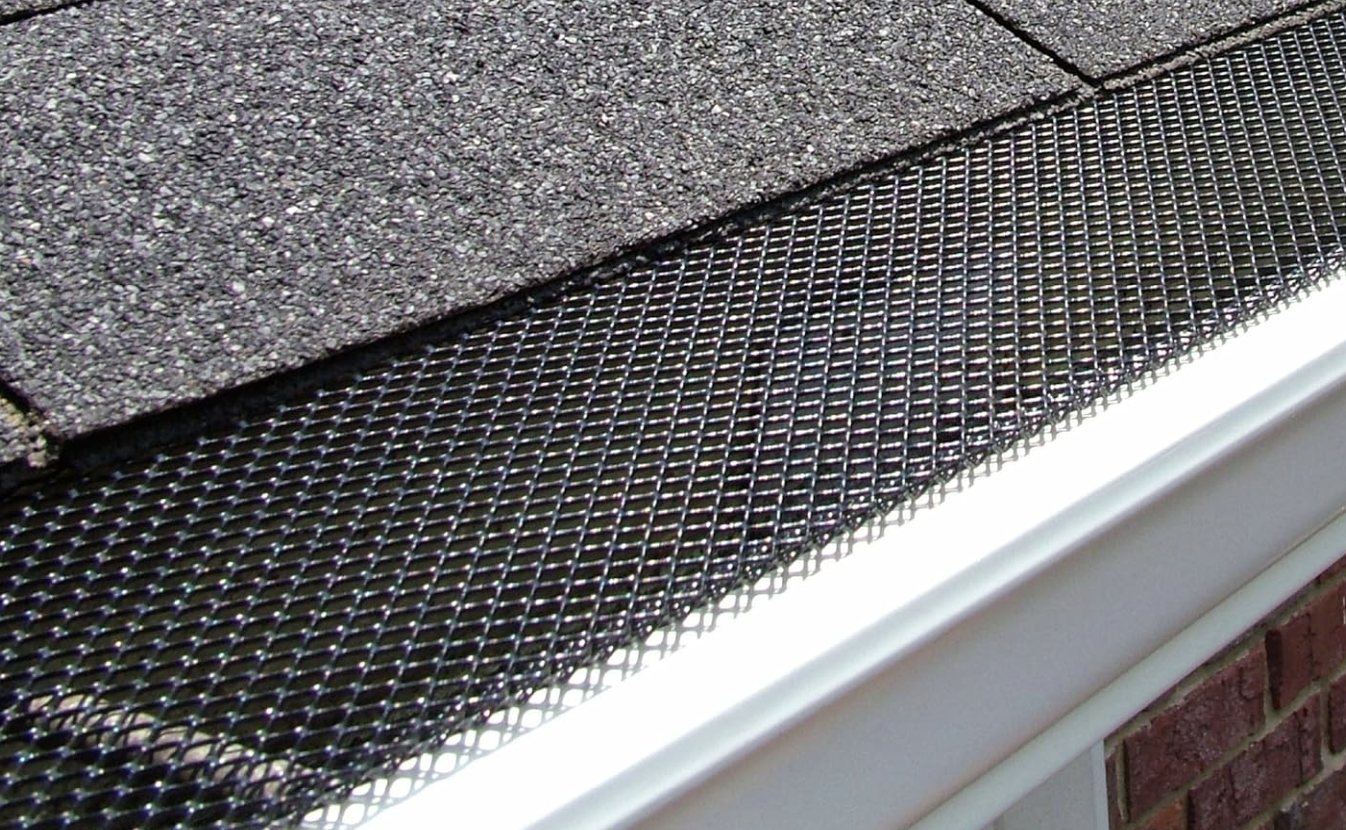
- The Threat: If your gutters clog with flying leaves and twigs during the first hour of the storm, the heavy rain will immediately back up, slip under your roof shingles, and pour into your exterior walls.
- The Solution: DIY snap-in gutter guards. They allow water to drop into the channel while keeping debris blowing right over the edge.
- How to Install: Clean your gutters completely. Then, take the lightweight metal or plastic guard sections, slide the back edge under your bottom row of roof shingles, and snap the front edge securely onto the outer lip of the gutter.
9. Swap Yard Rocks for Soft Mulch
- The Threat: Landscaping rocks and heavy gravel look great, but in a Category 3 hurricane, they might turn into projectiles and hit your windows like shotgun pellets.
- The Solution: Replace hard perimeter landscaping with shredded wood mulch.
- How to Install: Grab a shovel and a wheelbarrow. Dig out any decorative stones within 20 feet of your house’s windows. Lay down a weed barrier and dump heavy, shredded hardwood mulch in its place. If the wind picks up the mulch, it will bounce harmlessly off your glass.
10. Cut Back Tree Limbs Over the Roof
- The Threat: A dead, 50-pound oak branch dropping onto your roof from 20 feet up will shatter your shingles and break the plywood underneath. The water seal is broken instantly, and the house will flood from the top down.
- The Solution: Preventative pruning creates a physical buffer zone around the top of your house envelope.
- How to Install: Use a pole saw or hire a local tree service to cut back any tree branches so that nothing hangs within 10 feet of your roofline. Focus heavily on dead or dying limbs that are already brittle.

11. Know Exactly When to Evacuate
- The Threat: Staying in a fortified home when the storm surge pushes 10 feet of ocean water down your street turns your house into an inescapable trap.
- The Solution: Establish strict, condition-based evacuation criteria. You must know your local elevation and exactly what category of storm triggers your departure.
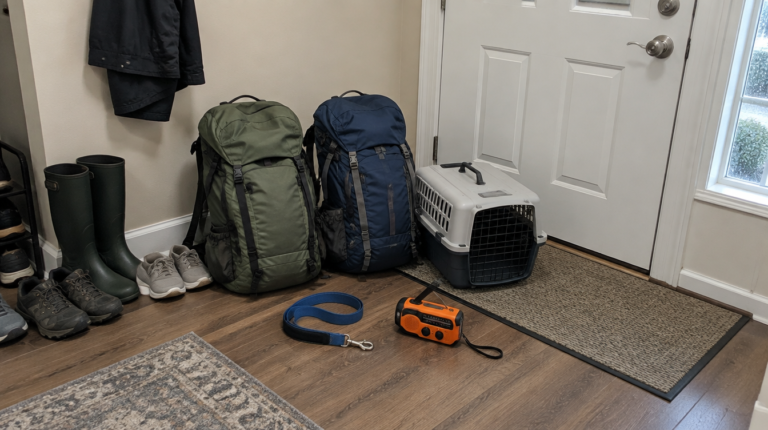
- How to Execute: Go online and pull your local FEMA flood map. Find the exact elevation of your street in feet above sea level. If a hurricane’s forecasted storm surge exceeds your street’s elevation by even one foot, your property defenses will fail. Pack your bug-out bag, load your vehicle, and drive inland immediately.
Take Action Now
Do not wait until the hardware stores are completely empty and the storm is locked on the radar. Order your door braces, window film, and water barriers today. Fortify the envelope while the skies are clear.
You Might Also Like:
QUICK POLL
Should FEMA offer or deny aid to coastal homeowners who refused flood insurance?
Defend your choice in the comments. Let’s discuss.