
Last Updated: May 2026
At a Glance: Airport Go Bag
- Purpose of an airport go-bag: An airport go-bag is a compact travel survival kit designed to keep you prepared and comfortable during air travel, particularly in light of heightened security and potential delays.
- Select the right bag: Opt for a lightweight, spacious backpack with multiple compartments to organize your essential gear and access it quickly.
- Travel-friendly survival gear: The article lists 10 must-have items for travelers, focusing on practical tools and supplies that are useful and compliant with airport/security limitations (e.g., water purification, compact essentials).
- Stay prepared and flexible: The overall message encourages proactive planning, so travel goes smoothly even when unexpected situations arise while en route.
Airport Go Bag: Smart Travel Preparedness Starts Here
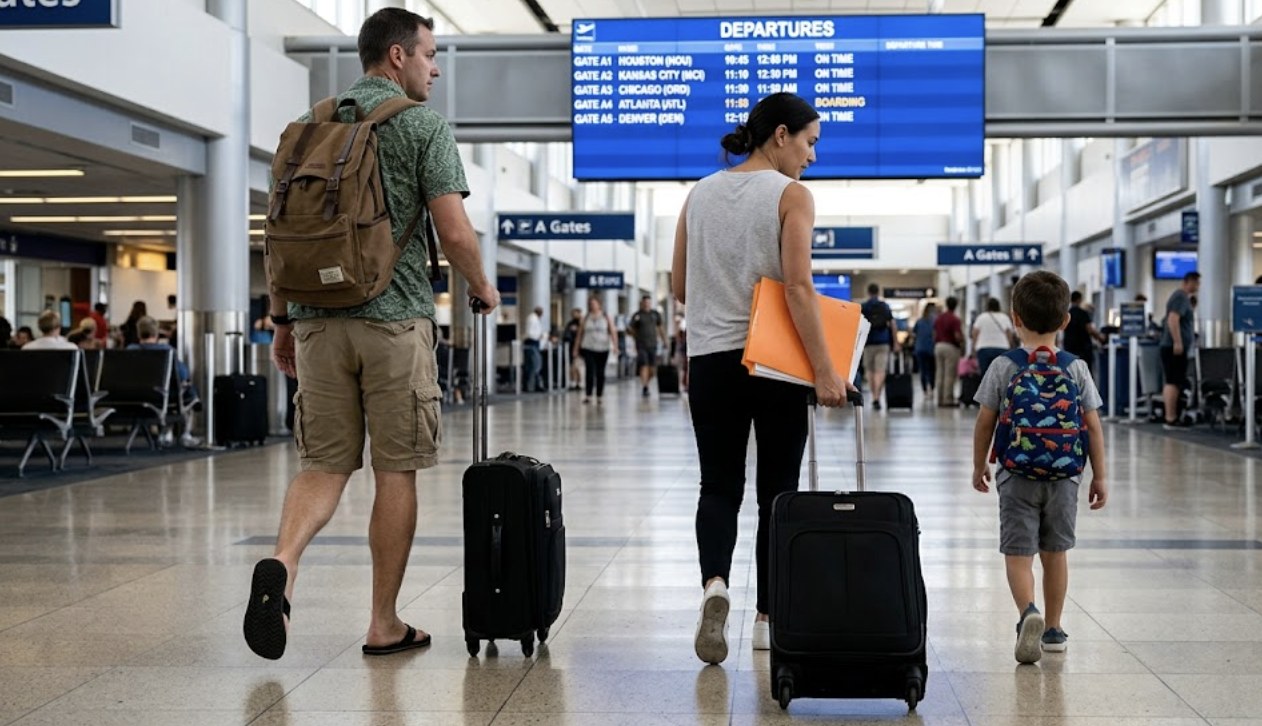
Air travel today is incredibly unpredictable. Delays, cancellations, lost luggage, and extended layovers are no longer rare events. An airport go bag is a purpose-built travel kit designed to keep you comfortable, prepared, and self-reliant when your travel plans completely fall apart.
Unlike a traditional carry-on suitcase, an airport go bag focuses on TSA-friendly preparedness, compact essentials, and practical tools that help you adapt quickly inside terminals or during unexpected overnight stays. Whether you travel occasionally for family vacations or fly often for work, having a ready-to-go airport survival bag gives you a sense of control when everything else is completely out of your hands.
READ MORE: TSA Rules 2026: Carry-Ons, Checked Bags, and Passing Pre-Check Smoothly
Why Air Travel Demands “Preventative Prepping”
Every year, the transition into late May signals the unofficial start of the busy summer travel rush. As families head out for long holiday weekends, record-breaking numbers of Americans take to the skies simultaneously. When millions of passengers collide with staffing shortages, airline capacity cuts, and unpredictable weather patterns, airport terminals cease to be easy transit hubs and can quickly turn into crowded, high-stress bottlenecks.
Experienced, prepared travelers don’t wait for a flight cancellation announcement to start thinking about self-sufficiency. They practice preventative preparedness. This means actively auditing your gear weeks before a trip, ditching bad “vacation packing” habits, and treating your personal item bag as a smart, specialized travel survival kit designed to handle modern travel vulnerabilities.
Why an Airport Go Bag Matters
Airports are controlled environments with strict security rules, limited resources, and thousands of stranded travelers competing for food, charging outlets, and hotel rooms. A properly packed airport go bag helps you:
- •Stay comfortable during long delays or overnight disruptions
- •Maintain access to hydration, power, and personal necessities
- •Reduce stress by eliminating reliance on overpriced airport stores
- •Adapt quickly without violating TSA regulations
Prepared travelers don’t panic; they pivot.
Essential Airport Bag Packing Rules
When mapping out your travel layout, you need a system that balances emergency preparedness with sleek, lightweight efficiency.
What is the 5-4-3-2-1 Rule for Packing? (And How Prepared Travelers Adapt It)
In mainstream travel circles, the “5-4-3-2-1 packing rule” is a minimalist clothing formula (5 pairs of socks and underwear, 4 tops, 3 bottoms, 2 pairs of shoes, and 1 hat). However, from a practical preparedness approach, we can adapt this rule to ensure total family self-sufficiency right inside the terminal:
Navigating the TSA Checkpoint: Liquids & Toiletries Decoded
What Toiletries Can You Not Carry On?
❌ STRICTLY PROHIBITED IN CARRY-ON:
Any liquid, gel, cream, aerosol, or paste container that exceeds 3.4 ounces (100ml) is banned. This includes full-sized shaving creams, body washes, or large sunscreen canisters. Additionally, combustible or flammable aerosols are completely forbidden anywhere on the aircraft.
Can I Bring Deodorant in My Carry-On?
Yes! These are not subject to volume limits and can be packed freely anywhere inside your bag.
Must strictly comply with the standard 3.4-ounce limit and go inside your clear, quart-sized plastic bag.
To make sure my toiletries pass the checkpoint flawlessly every single trip, these are the three rugged, flight-legal sets I rely on:


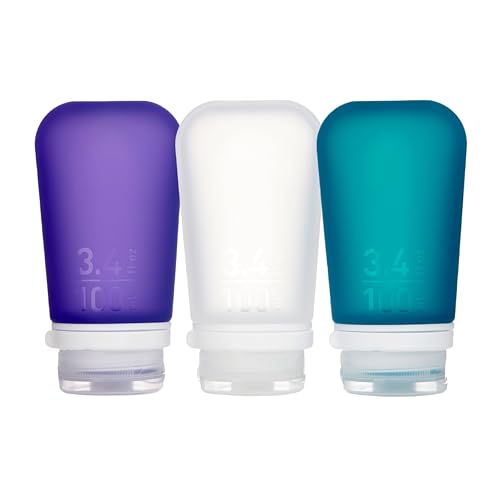
Last update on 2026-10-27 / Affiliate links / Images from Amazon Product Advertising API
Does Toothpaste Count as a Liquid?
Yes. One of the most common causes of secondary checkpoint delays is toothpaste. TSA categorizes toothpaste as a gel or paste.
10 Must-Have Items for Your Airport Go Bag
1. Your Airport Go Bag Backpack, of course!
I recommend using backpacks or rucks with good staging areas for each piece of your gear.
I suggest it to be:
- A more compartmentalized gear, so it will be easier for you to get something you need.
- Light so it is easy and convenient to carry around.
- Spacious to have a room in your travel go-bag for your comfort. Find out what additional gear you will need for an account when choosing a pack.
• The Bag: A lightweight, spacious 40L backpack with multiple separate internal pockets.
• Why: Clean organization lets agents screen your gear instantly so you don’t have to dump your bag on a dirty terminal floor.
• The Bag: “Smart” bags with built-in power banks, or heavy outdoor packs with survival gear hardware.
• Why: Non-removable lithium batteries are strict cabin fire hazards, and emergency survival blades hidden inside strap buckles are automatic checkpoint fails.
2. A Water Purifier

These foreign places may not be foreign to us in a regular sense, but they’re certainly foreign to our digestive systems. Having a water purifier is not just for emergencies, but it’s certainly handy to have in your go-bag for your everyday traveling needs.
• The Tool: An empty filtering bottle, UV purifier pen, or compact straw filter.
• Why: It is 100% legal to bring through screening completely dry. You can fill up immediately at any fountain past security to avoid drinking local bacteria.
• The Tool: Any personal water filter left filled with liquid at the security line.
• Why: It instantly violates standard liquid limits. Agents do not care how advanced or expensive the filter is if it contains water, it goes straight into the trash barrel.
I keep this compact filter in my airport pack for absolute peace of mind, and thousands of our subscribers swear by it for clean, on-the-go hydration:

RELATED: 7 Emergency Water Purification Methods for Disaster Preparedness
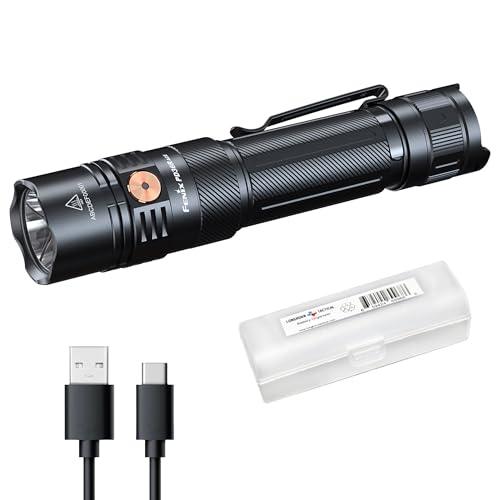
3. A Tactical Flashlight
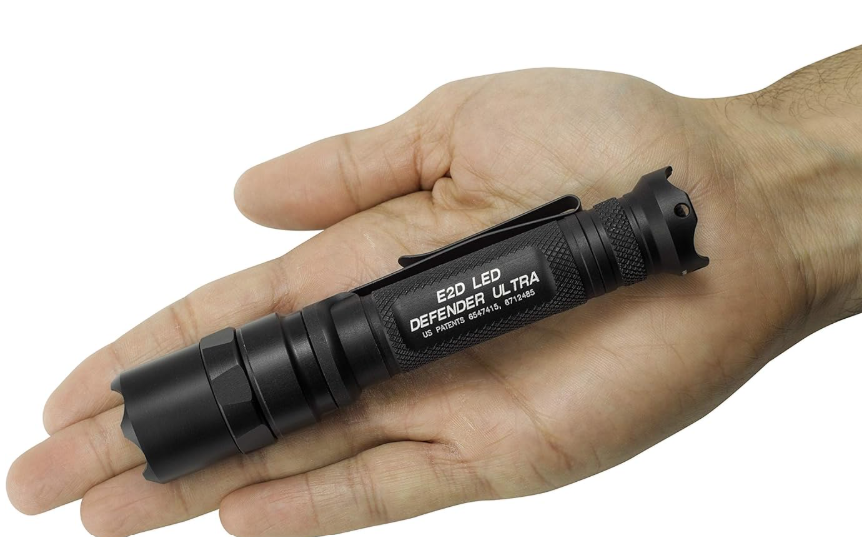
Having a good tactical flashlight gives me a bit more confidence in my readiness while traveling. So, I practice often with my tactical flashlights. With the proper training, you have one heck of a self-defense tool that can save your life!
• The Qualities: Pocket-sized, under 7 inches total length, and built with a standard smooth lens bezel.
• Why: It counts as a standard consumer electronic. This style gives your family instant visibility and low-profile protection without alerting checkpoint security teams.
• The Features: Aggressive jagged strike edges, built-in stun gun tasers, or massive club-like bodies.
• Why: TSA explicitly bans tools with sharp, weaponized impact edges or high-voltage personal defense features from commercial airline passenger spaces.
I never fly without a rugged, high-lumen light that fits right in my pocket. Out of everything we’ve tested, these are some of the models I trust most to keep my family safe and visible en route:

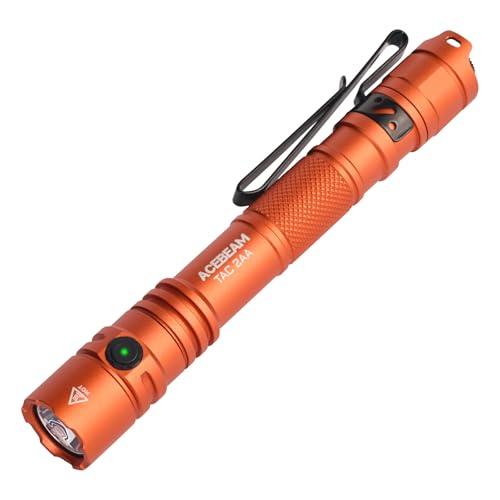
Last update on 2026-10-26 / Affiliate links / Images from Amazon Product Advertising API
FULL REVIEW: The Top 7 Best Tactical Flashlights Ranked and Tested 2026
4. Some Backpack Body Armor
Look no further than recent events for validation of body armor’s importance. Get the best you can afford and be careful with all the knock-offs available. The last thing we want from our preparedness effort is a false sense of security.
• The Shield: A certified, lightweight soft or hard ballistic panel placed inside a heavy-duty rucksack sleeve.
• Why: TSA explicitly permits passive body armor panels in carry-ons, and a rugged pack ensures the extra weight won’t rip your seams apart.
• The Shield: Cheap, uncertified knock-offs or armor mounted directly onto heavy military-style vest carriers.
• Why: Poor gear gives a dangerous, false sense of security, and external tactical rigs draw intense screening scrutiny that will heavily delay your family.
5. A Tactical Pen
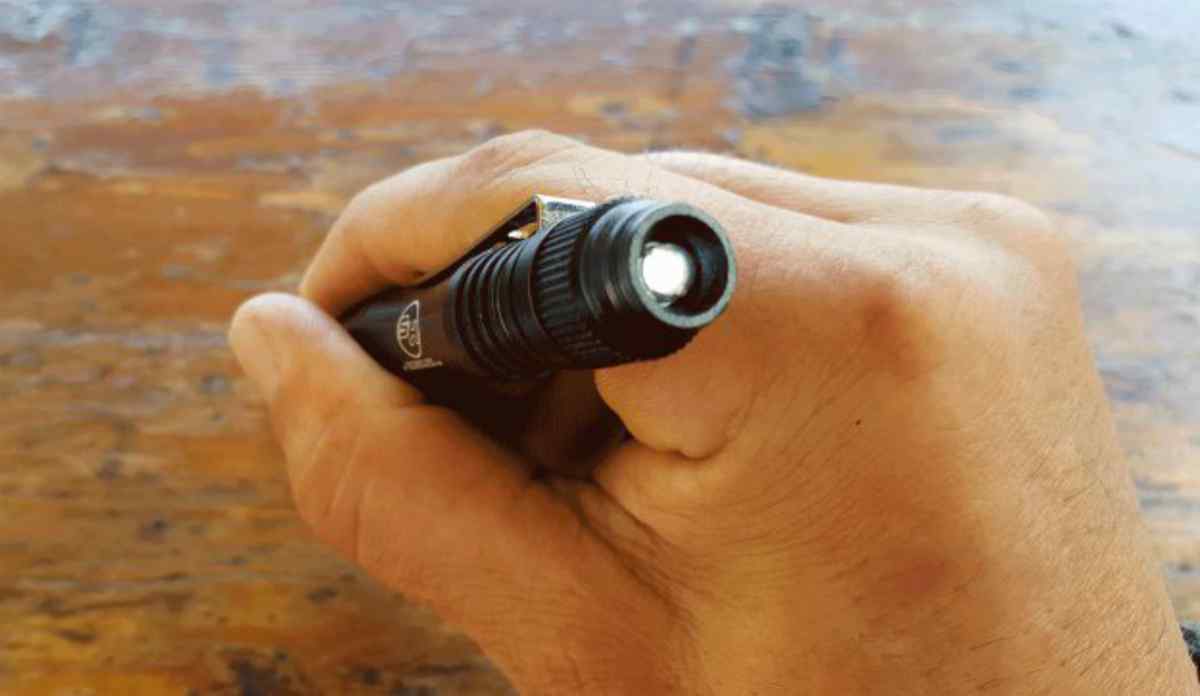
You can cause ten times the damage as an ordinary pen if you plan on utilizing a real tactical pen for self-defense. It looks like a black pen and nothing more.
I can carry it in my pocket and just about anywhere; no one looks at it twice.
• The Tool: A heavy-duty, blunt-tipped metal ink pen crafted from high-grade aluminum.
• Why: It acts primarily as a legitimate, sturdy writing tool. It safely rides in your pocket or pack sleeve without drawing any second glances from security.
• The Tool: Tactical pens featuring hidden knife blades, handcuffs keys, or ultra-sharp crown spikes.
• Why: Checkpoint teams actively look for and seize any basic writing tools that contain hidden cutting edges or weaponized piercing points.
6. Some Paracord
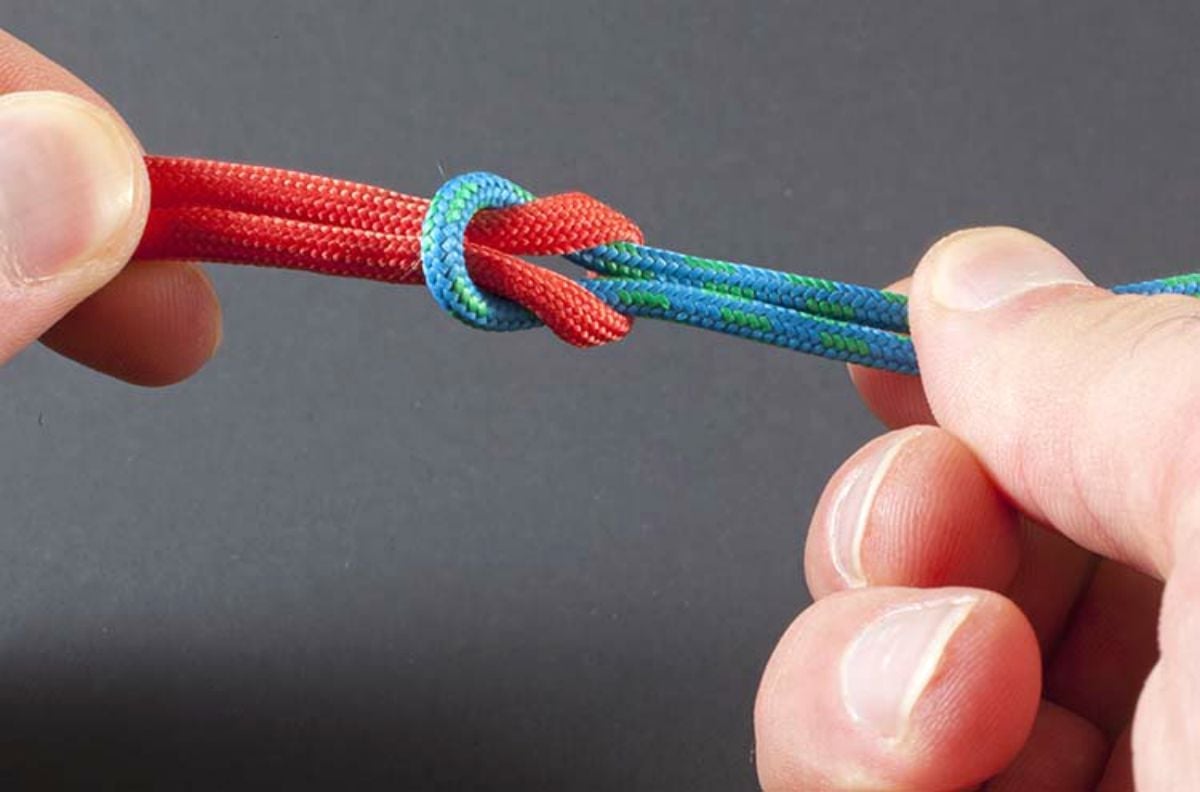
Serious survivalists never underestimate the value of basic cordage. Paracord is light and packs easily.Most of us have paracord bracelets, belts, and other gadgets made from paracord. Having a few feet of extra cordage in your travel bag is always a good idea.
• The Cordage: Loose nylon cordage bundles, or standard woven paracord bracelets and belts.
• Why: It is light, packs easily, and serves as basic, flight-safe rope to quickly secure broken luggage handles or gear.
• The Cordage: Survival bracelets featuring built-in micro cutting blades or sharp fire scrapers in the buckle.
• Why: Checkpoint teams will immediately flag and seize the entire bracelet if the buckle hardware houses a hidden knife edge or restricted metal tool.
READ MORE: 36 Cool Ideas For Your Paracord Survival Projects
7. Small Dry Bag(s)
I keep a small dry bag in my travel go-bag because of this, along with some incidentals and tech gadgets in it. Anything can happen while traveling, so it is a smart idea to protect your sensitive gear from the elements, which may render it unserviceable.
• The Pouch: Compact, empty roll-top nylon or vinyl dry storage bags.
• Why: The storage material is 100% legal and essential to keep your family’s sensitive tech gadgets and paperwork dry and functional.
• The Pouch: Dry bags stuffed with oversized gels, liquid toiletries, or restricted survival tools.
• Why: While the dry bag itself is permitted, using it to mask dense items or hide non-compliant liquids from the X-ray scanner will trigger a forced bag search.
8. A Spork
Yes, a spork. Those I use are made of titanium, making them lightweight as well as hypoallergenic. Your immune system gets taxed enough while you travel. Any additional germs picked up from utensils left out in the open, countless fingers rummaging through them, and you can see why a spork is a good piece of gear to have with you.
• The Tool: A standalone lightweight titanium, plastic, or wooden travel spork.
• Why: It keeps your family healthy by completely bypassing the high-traffic terminal utensil bins.
• The Tool: Metal camping sporks with a sharp, serrated knife edge ground into the outer side tine.
• Why: Integrated serrated knife tines are strictly classified as concealed cutting weapons at the security line.
9. Electrical Tape
You know what they say about duct tape, it fixes anything. In our case, it repairs gear and builds temporary structures to make use of. To avoid confiscation and being questioned in an international airport, you can use electrical tape. It has similar applications to what duct tape offers and a smaller profile.
• The Tool: A compact, low-profile roll of standard vinyl electrical insulating tape.
• Why: It passes quickly through checkpoints and offers a smaller profile than duct tape to patch ruptured bags seamlessly.
• The Tool: Heavy industrial tape packed directly alongside utility box cutters or steel razor blades.
• Why: While the adhesive tape itself is completely flight-legal, traveling with loose utility blades will result in a mandatory gear seizure.
10. Ferro Rod
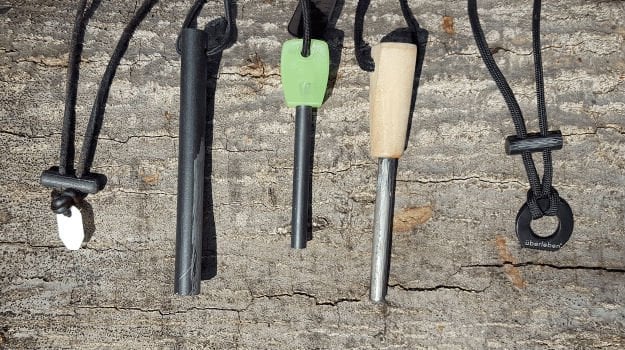
Everyone is aware that matches and lighters are illegal on a plane. So in lieu of this, we carry a small Ferro rod.
It is incredibly lightweight and blends well with the pack. I use various Ferro rod necklaces and like to show them as a necklace to whoever is inspecting my travel bag.
• The Tool: A solid ferrocerium flint rod equipped with a blunt steel striker plate.
• Why: It contains zero compressed explosive gases or liquid fuels, letting it blend perfectly into your pack legally.
• The Tool: Liquid fluid lighters, torch lighters, or loose strike-anywhere matches.
• Why: Checkpoint teams actively toss these items in the trash barrel because highly flammable fuels pose an active cabin fire hazard.
I got mine from here:
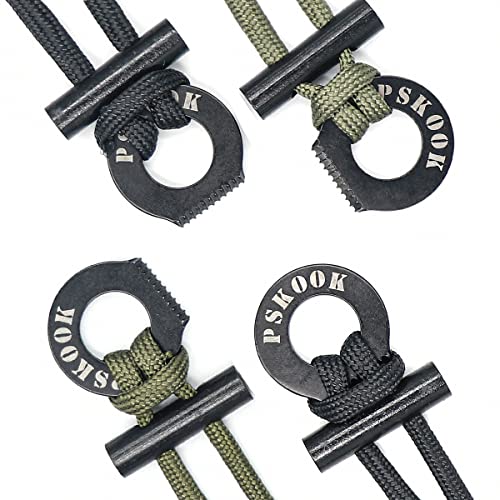
- YOU WILL RECEIVE: Package include 4 fire starting necklace(2 black+2 army green), 4 cord lock; even if the paracord is cut...
- MULTIFUNCTION: Paracord necklace includes a 3.6 FT 10-core paracord lanyard, adjustable from 17.7 IN to 35.4 IN; the rope...
Last update on 2026-10-26 / Affiliate links / Images from Amazon Product Advertising API
Final Thoughts: Prepared Travelers Win
Most travelers assume airports will “figure it out” for them when things go wrong. Experienced travelers know better. An airport go bag is a simple, affordable way to stay calm, capable, and comfortable, no matter what delays or disruptions arise.
Preparation isn’t paranoia. It’s confidence.
Check out the full tutorial video on the items you should place in your airport go-bag by Coach Helder below:
Airport Go Bag FAQ
- What exactly makes an airport go bag different from a normal carry-on? A traditional carry-on suitcase typically holds your extra clothing, shoes, and personal items meant for use at your final destination. An airport go bag focuses specifically on survival, comfort, and functionality inside the airport terminal itself, ensuring you have immediate access to power, hygiene, hydration, and contingency tools if you get separated from the rest of your luggage.
- Are these go bags completely TSA-legal? Yes, as long as they are packed correctly. A proper go bag avoids any prohibited items like open survival blades, oversized aerosols, or liquids that exceed standard allowances. By swapping pocket knives for tactical pens and lighters for ferro rods, every tool you choose remains completely security-screening friendly.
- Does solid stick deodorant have to go into the clear TSA liquids bag? No. Only liquid, gel, or aerosol spray deodorants are restricted to the clear, quart-sized compliance bag. Standard solid stick deodorants can be packed anywhere within your bag compartments without volume restrictions.
- What counts as a liquid under current security regulations? The regulatory rule applies to any substance that is pourable, squeezable, spreadable, or sprayable. This means everyday travel essentials like toothpaste, hair gels, face creams, lip balms, and hand sanitizers are all legally categorized as liquids and must fit comfortably inside a single quart-sized bag.
- Who should carry an airport go bag? Frequent flyers, business travelers, families, international vacationers, and anyone who wants true peace of mind during unexpected air travel disruptions can benefit from having one ready to grab.
QUICK POLL: Carrying An Airport Go Bag: smart carry-on or survivalist nonsense?
Drop your take in the comments. Does carrying an airport go-bag actually make you safer, or are you just carrying extra weight for TSA to inspect? Tell us what you think.