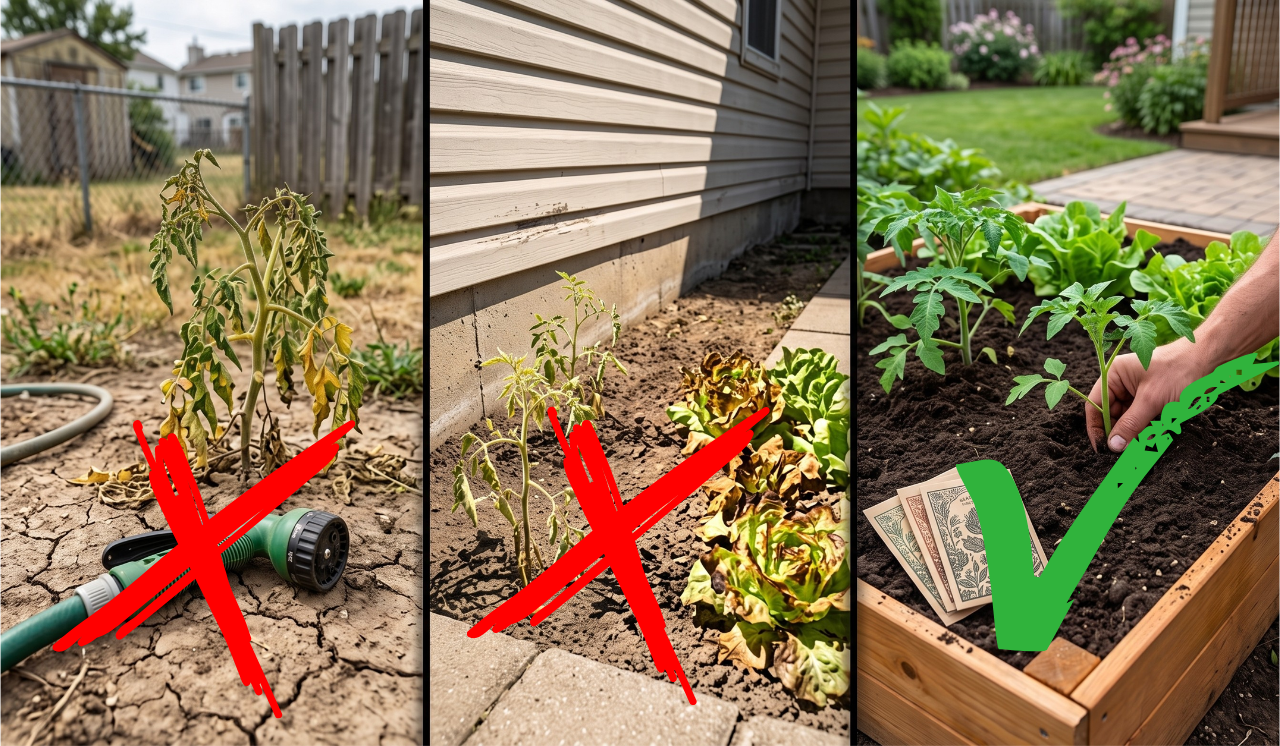

At a Glance: 9 Survival Garden Mistakes
- Choose the Right Gear: Cheap grocery store seeds and bad backyard dirt will cause your garden to fail before it even starts.
- Stop Problems Early: Protect your food from bugs and water shortages before a crisis happens, not after.
- Learn by Doing: The biggest mistake is waiting for an emergency to plant your very first seed.
Have you ever spent weeks watering a backyard garden, only to wake up one morning and find every single plant chewed to the ground by bugs? Or maybe you watched your beautiful green tomato plants suddenly turn yellow, shrivel up, and die because your soil was bad?
Many people also realize too late that during a grid-down scenario, electric garden pumps stop working, which means their crops will dry up in days.
These are the harsh realities that catch beginners in planting off guard. This guide will show you how to fix these common mistakes right now, save your hard work, and build a garden that can actually yield sufficient produce for your household.
9 Survival Garden Mistakes You Must Avoid
1. Planting Only Potatoes and Beans
Planting only potatoes and beans is a huge trap.
Yes, you need heavy calories to fill your belly. But eating the exact same bland starch every single day will break your spirit. In a real crisis, food fatigue and depression are massive dangers to your family.
You need flavor to keep everyone’s morale high.
- The Fix: Make sure to plant garlic, onions, and hot peppers alongside your heavy crops. They make simple survival rations taste like a real meal.
2. Buying Cheap Seeds from the Grocery Store
Most grocery store seeds are a ticking time bomb.
Those 99-cent packets usually contain one-time-use hybrid seeds. If you save the seeds from this year’s harvest to plant next spring, they won’t grow back right, or they won’t grow at all. You’ll be left with a completely bare garden.
⚠️ CRITICAL WARNING: GET HEIRLOOM SEEDS
You need old-school “heirloom” seeds that can be saved and replanted forever. Keep a sealed, climate-proof seed bank stored safely in your bug-out gear so you always have a backup. I get mine from this store:

- COMPLETE VEGETABLE GARDEN VARIETY PACK – Grow a thriving home garden with 32 popular vegetable seeds including Bean, Beet...
- PREMIUM HEIRLOOM SEEDS – Our carefully selected heirloom seeds are chosen for reliability, strong germination, and...
Last update on 2026-10-07 / Affiliate links / Images from Amazon Product Advertising API
3. Wasting Time Digging Up Bad Backyard Dirt
Don’t waste your time digging up bad yard dirt. If your backyard soil is full of heavy clay, rocks, or old weeds, your plants will stunt and die. Plus, digging up a massive plot takes days of backbreaking work you might not have the time or energy for.
🛠️ GEAR CHECK: FABRIC GROW BAGS
Use heavy-duty fabric grow bags instead and fill them with good store-bought soil. You can set them up anywhere and move them with you if you have to move places. They’re perfect for huge potato crops.
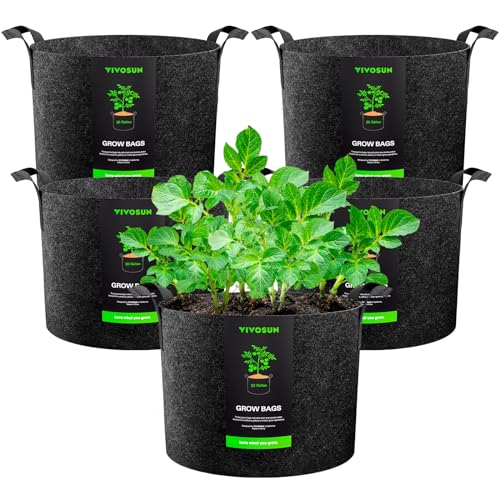
- Sturdy & Garden-Ready Fabric Material: Made of 300g of thickened nonwoven fabric, these pots are moderately permeable...
- Great Drainage: Nonwoven fabric means the pots do not retain excess water, allowing your roots to breathe for healthier, more...
Last update on 2026-10-07 / Affiliate links / Images from Amazon Product Advertising API
4. Forgetting to Grow Your Food Upwards
Forgetting to grow your food upwards is a massive waste of space.
If you only plant flat rows on the ground, you will run out of room quickly. Additionally, heavy vegetables like cucumbers and squash will rot if they sit on damp dirt as they’re easy targets for crawling bugs. You need to maximize every square inch of your land.
- The Fix: Use simple fences, sticks, or cages to make your plants grow up like vines. It keeps your food clean, dry, and safe.
RELATED: The Best Plants For Summer Gardens (2026) 〡Survival Life
5. Waiting Until Bugs Ruin Your Crops to Stop Them
Waiting until bugs ruin your crops is a fatal error.
It takes just one night for worms or beetles to chew through your entire food supply. During a real emergency, you can’t just run to the store for chemical sprays, and if you wait until you see the damage, it’ll already be too late.
True pest control means blocking them before they infest your crops.
⚠️ CRITICAL WARNING: STOP BUGS EARLY
Use physical exclusion to protect your food. Throw a lightweight mesh net over your leafy greens early on. It still lets the sun and rain through yet keeps the insects out completely.

- 🥬Effective Bug Barrier: Protecting plants and vegetables from a wide range of pest insects and animals, such as cicadas...
- 🥬All-Purpose Garden Netting: Covering ponds will have unexpected results, it also can be used indoors or on windows
Last update on 2026-10-07 / Affiliate links / Images from Amazon Product Advertising API
6. Planting All Your Seeds on the Exact Same Day
Planting all your seeds on the exact same day is a trap.
If you plant forty tomato seeds at once, they’ll all ripen during the exact same week. You cannot eat forty tomatoes in three days, and if the power grid is down, your freezer won’t work to save them.
Your hard work will literally rot right on the vine.
🛠️ GEAR CHECK: OFF-GRID PRESERVATION
Space out your planting every two weeks for a steady food supply. Then, use a non-electric hand-pump sealer to lock extra food safely inside glass mason jars without using a single watt of power.
7. Expecting Your Garden Hose to Always Have Water
Expecting your garden hose to always have water is foolish.
If your garden relies on city water or an electric pump, then it’s basically a hobby garden,and not a survival garden. The minute the power grid or the city water infrastructure shuts off, your plants will dry up and die in 72 hours. You must build a backup water plan as soon as possible.
- The Fix: Collect rainwater from your roof into big barrels, and cover your soil with a thick layer of straw or dried leaves to trap moisture.
8. Putting Plants in the Wrong Spot
Putting plants in the wrong spot will kill them instantly.
Sun-loving crops like tomatoes and peppers will stunt if they sit in the shadow of your house. Meanwhile, cool crops like lettuce will burn, turn bitter, and die if they get hit by 10 hours of scorching afternoon heat. You must map out your yard before you plant a single thing.
- The Fix: Watch your yard for one full day to see exactly where the heavy sun shines and where the shadows fall, then match your plants to those spots.
9. Waiting Until a Crisis Starts to Plant Your First Seed
Waiting until a real crisis starts to plant your first seed is a recipe for starvation.
Growing food takes real practice, and your first few rounds of seeds will likely die from simple mistakes. If your very first try at gardening happens when you desperately need food to survive, your family will go hungry.
You need to make your rookie mistakes right now.
- The Fix: Start your garden today while the grocery store is still open to catch your falls. Learn the skills now so you actually know what to do tomorrow.
A survival garden is not a project you can just start when things are starting to get crazy. It’s a skill that takes time, patience, and a few failed attempts to master. By avoiding these nine common mistakes like using the wrong seeds, ignoring bugs, and forgetting about off-grid water, you can give your family a real fighting chance if SHTF. So get your tools ready, fix your setup today, and start growing your self-reliance one seed at a time.
Editor’s Picks
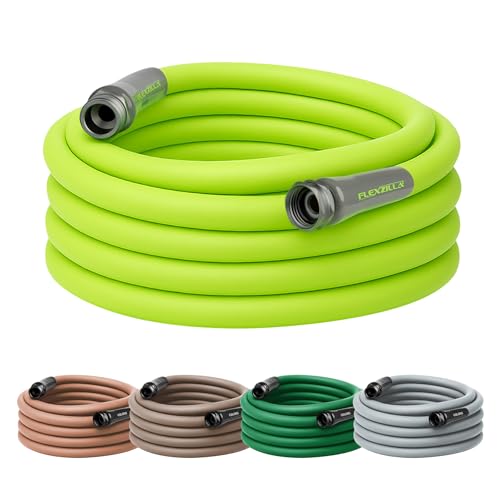
When I first got into gardening, I thought I could just wing it without any special gear. Big mistake. I ended up wasting a ton of energy and driving myself crazy before I finally wised up and invested in these exact tools. If you want to skip the rookie mistakes and keep your gardening life stress-free, these are the absolute essentials you’ll want to get your hands on:
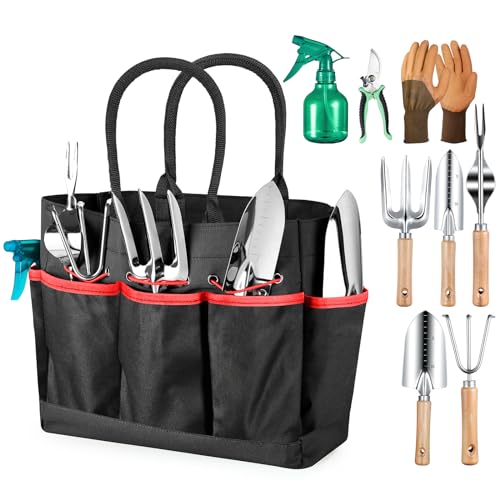
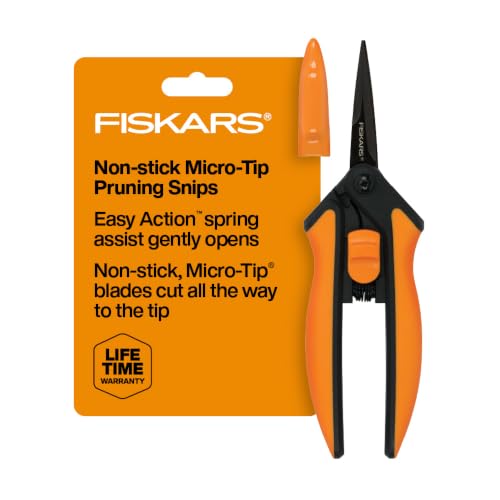

Last update on 2026-10-07 / Affiliate links / Images from Amazon Product Advertising API
FAQs
1. How much backyard space do I really need for a survival garden?
You do not need a massive farm. If you grow upwards using fences and use fabric grow bags, you can feed a family using a small backyard patio or a 20×20 foot plot of land.
2. Can I save seeds from store-bought vegetables to plant them?
It is a bad idea. Most grocery store vegetables are grown from hybrid seeds or treated so they do not reproduce well. Always buy certified “heirloom” seeds if you want to save and replant them next year.
3. What are the easiest crops to grow for survival?
Potatoes, sweet potatoes, beans, and squash are excellent because they grow easily, produce a lot of food, and provide the heavy calories your body needs to survive.
4. How long do survival seeds stay good in storage?
If kept in a cool, dark, and dry place inside a sealed container, most high-quality heirloom seeds will stay viable and ready to grow for 3 to 5 years.
5. How can I keep my garden watered if the power grid goes down?
You should set up a gravity-fed rain barrel system connected to your roof gutters. This collects water naturally without electricity, allowing you to water your plants using simple gravity.
QUICK POLL
Let’s say the grid goes down for weeks, stores are empty, but your garden’s thriving. If a neighbor knocks on your door asking for some of your harvest, what would you do?
What’s the reason behind your vote? Feel free to comment down below!