
Last Updated: July 2026
At a Glance: The Best Plants For Summer Gardens
-
Prioritizing heavy-producing, calorie-dense summer plants to efficiently maximize food volume and establish food security.
-
Utilizing vertical gardening layout strategies, like staking up zucchini, green beans, and cantaloupes, to pack the most growth into a limited footprint.
-
Selecting specific vegetables, perennials, and herbs that are ideal for canning, dehydrating, or freezing to successfully build an emergency food supply for leaner times.
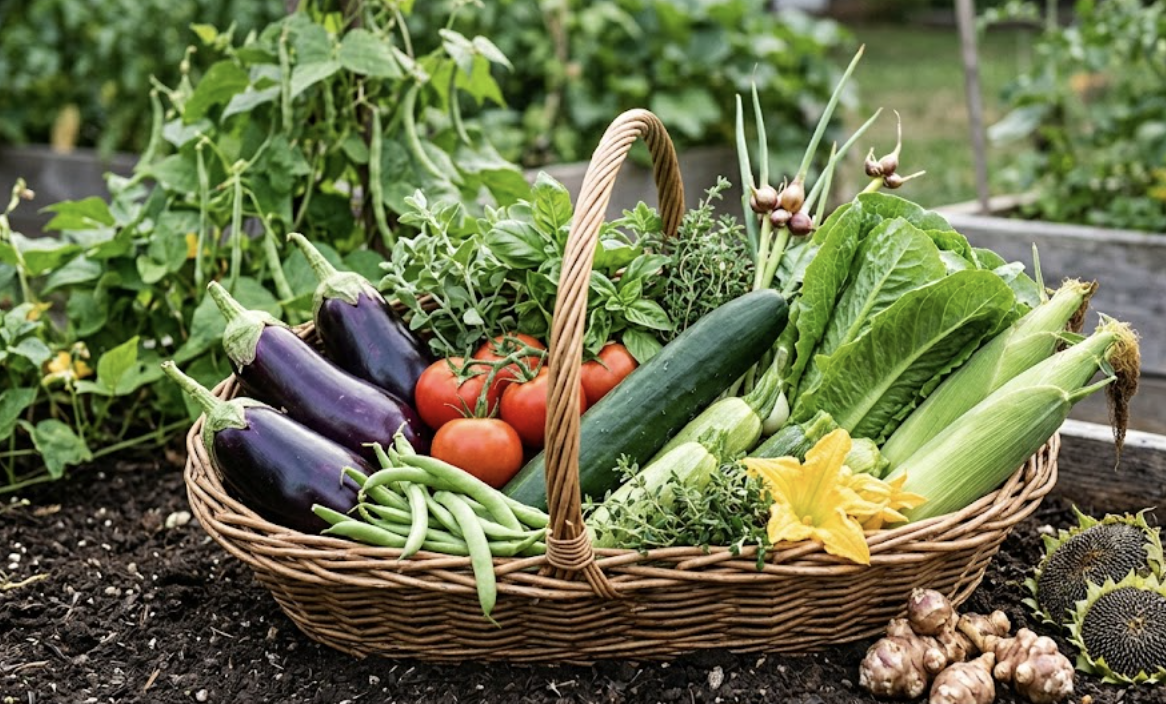
Summer is around the corner and you may be pondering on starting your garden. If you are, these are the plants for summer gardens you can start with.
9 Great Plants for Summer Gardens
With the food crisis looming, it is hard not to be concerned about what is going to be growing in your garden this summer. Whether you are a newbie to gardening or you have the greenest thumb, plant selection will always have a lot to do with achieving your goals.
We are going to look at a selection of plants for your summer garden that will both give you confidence and success as a gardener as well as provide you with plenty of harvests to put away for the future through canning and dehydrating.
1. Tomatoes
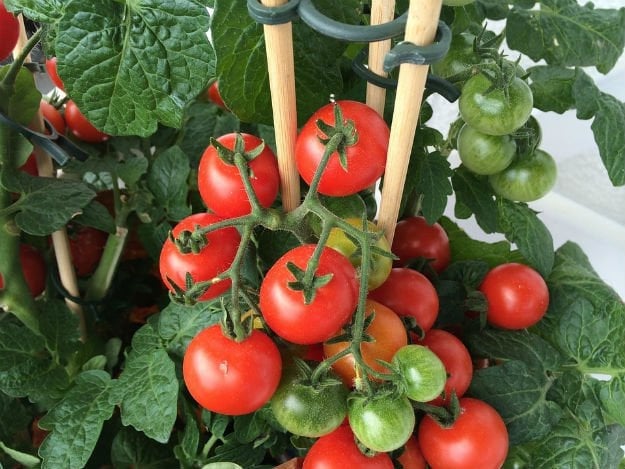
You can’t really have a summer garden without those ruby red tomatoes. These staples of the summer garden also produce at an astounding level. Whether you opt for cherry tomatoes or just the biggest juiciest tomatoes you can grow, each plant will overwhelm you with its production.
Tomatoes are deep rooting plants that require lots of water and a good loose soil that allows for that deep root penetration.
Actionable Care Guide
Tomatoes are deep-rooting plants. Because of this, they require a lot of water and a loose, good soil environment to thrive. For optimal success, planting them alongside basil is crucial.
Storage Benefit
Their heavy production levels ensure you will have plenty of harvests left over to put away for the future through canning and dehydrating.
This is where I ususally get my seeds:

- Set includes 43 lightly assorted Vegetable and Herb seeds!
- All Seeds are Heirloom, 100% Non-GMO!
Last update on 2026-10-20 / Affiliate links / Images from Amazon Product Advertising API
2. Zucchini
An easy plant to grow in the summer is zucchini. With just a few plants you can have tremendous output. In fact, by mid-summer, you are going to be Googling recipes for zucchini bread. Zucchini can also be staked and grown upward. That makes a huge difference in how many you can grow in a certain area.
Actionable Care Guide
To maximize your layout, zucchini can be staked and grown upward rather than letting it sprawl across the ground. This vertical method makes a huge difference in how many individual plants you can successfully grow in a limited space.
Storage Benefit
Focusing on this high-yield plant allows you to grow heavily in small spaces, giving you the maximum bang for your buck to save food for later.
3. Green Beans
These vining, nitrogen-fixing beans can both heal your soil and produce so much food that you will have to can and freeze all the beans coming off those plants. Green beans are another plant that grows up and these plants are easy to take care of.
I have planted seeds from dried up beans that overwintered. They sprouted right up! Once they are established, they will basically just put out beans on top of beans and that is one of the biggest benefits.
Fresh, crunchy green beans are also a great option for teaching kids to eat their vegetables. Nothing like taking kids out to the vining plants and letting them chow down.
Actionable Care Guide
These are vining plants that naturally grow upward. They are highly resilient—you can even successfully sprout them directly by planting seeds from dried-up beans that have overwintered outside in the elements.
Storage Benefit
Their continuous production provides an excellent crop to enjoy immediately or preserve for leaner times ahead.
4. Sunchokes
Don’t forget about the perennials.
Jerusalem artichokes or sunchokes are incredibly prolific perennials that will literally dominate any area that you plant them in. This is especially important for you to understand. If you get your hands on some tubers and just bury them in the middle of your garden, they will become more of a nuisance.
The edible tubers of the sunchoke are delicious and starchy. They are a filling food option that will grow in radical abundance with hardly any help. Just be careful how much you eat because they do contain inulin and lots of this can cause gas and digestive distress.
Actionable Care Guide
You must be highly intentional about where you plant them. If you bury the tubers directly in the middle of your main garden, they will literally dominate the area and become an aggressive nuisance. Additionally, moderate how much of them you eat at one time; they contain inulin, and consuming large quantities can cause gas and digestive distress.
Storage Benefit
Because they are robust perennials, they offer an abundant, low-maintenance food option to secure your long-term food supply.
Check Available Tubers for Growing→
5. Walking Onions
Another interesting perennial to consider for your summer garden is the Egyptian walking onion. These onions will literally walk across your garden. They bend under the weight of a smaller root that is produced at the top of the green plant and this new root will plant itself. The cycle will carry on if they are not destroyed by animals or weather.
Actionable Care Guide
These onions quite literally “walk” across your garden plot. The plant produces a smaller root cluster at the top of its stalk.Under the weight of this top root, the stalk eventually bends down to the earth, allowing the new root to plant itself directly into the soil to carry on the cycle automatically.
Storage Benefit
This self-perpetuating cycle gives you a continuous, self-sustaining perennial resource that you can harvest now or save for the future.
6. Sunflowers
The allure of tomatoes and peppers many gardeners miss the value of those great sunflowers. When you plant mammoth sunflowers, you are going to be both creating a giant stalk of beauty and a source of protein in those sunflower seeds!
Sunflowers are easy to grow but you might have to stake them up. They are also subject to storms and high winds in the summer.
Actionable Care Guide
Planting mammoth sunflowers is an easy process, but their extreme height leaves them highly subject to summer storms and high winds. Because of this environmental risk, you will likely have to stake them up to keep them secure and upright.
Storage Benefit
They are highly efficient calorie producers that help you maximize the sheer food volume of a small garden footprint.
This isn’t available in my go-to seed shop, so I get it from here:
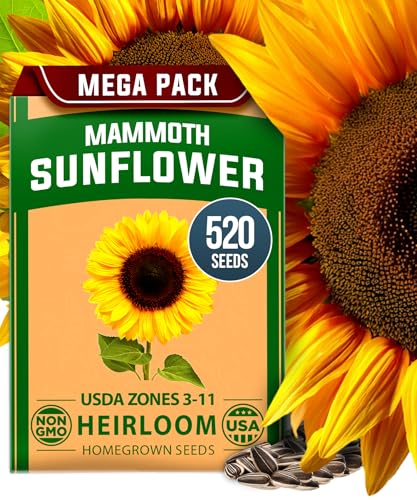
- GROW GIANT MAMMOTH SUNFLOWERS UP TO 12 FEET TALL. These mammoth sunflower (Helianthus annuus) seeds are known for producing...
- 520 PREMIUM HEIRLOOM SEEDS FOR HIGH-VOLUME PLANTING. This mega pack includes approximately 520 non-GMO, heirloom seeds...
Last update on 2026-10-20 / Affiliate links / Images from Amazon Product Advertising API
7. Herbs
Don’t forget about those incredible herbs in the summer. I just love having things like lavender around the garden. Of course, the other culinary-driven herbs are arguably NECESSARY to a good summer garden. For me, having things like basil for my tomatoes is crucial.
Some other great herbs to plant in the summer are oregano, thyme, mint, and chives. Rosemary is an investment herb and it can become a massive bush that is there for you to use year over year. Cilantro is another great one.
Actionable Care Guide
Mix a diverse selection into your small spaces, including red sorrel, oregano, thyme, mint, chives, and cilantro. Make sure to plant basil close to your tomatoes, as this specific pairing is crucial. When planting rosemary, treat it as a long-term investment; it can become a massive bush that remains there for you to use year over year.
Storage Benefit
Herbs provide the perfect high-yield material to harvest continuously and put away for the future through dehydrating.
8. Corn
While not everyone has the space to grow corn if you do you should consider it. Who can resist a cob of buttered up sweet corn? There are some things that you need to understand about corn like spacing, fertilizing, and wind pollination but beyond that, you can have success.
You could also plant some popping corn, too! A great snack and long-term food storage item.
Actionable Care Guide
While anyone can achieve success growing it, you must thoroughly understand three key management variables: proper plant spacing, heavy fertilizing, and how wind pollination works.
Storage Benefit
Beyond standard varieties, you can plant popping corn, which serves as an excellent snack and doubles as a fantastic, long-term food storage item.
9. Cantaloupe
If you are after fruit for the summer harvest, then cantaloupe might be perfect for your summer garden. These are vining plants and are easier to grow than watermelons. They are delicious and refreshing melons that are perfect in the summer heat.
They can also be grown up which will help with how much space you need to dedicate to them. Well-tended plants can produce multiple cantaloupes.
Actionable Care Guide
Cantaloupes are natural vining plants. To optimize your garden layout, they can be grown upward vertically, which dramatically reduces the amount of physical ground space you need to dedicate to them.
Storage Benefit
This space-saving crop allows you to get the maximum bang for your buck, ensuring you have fresh fruit now and food that can be put up for leaner times ahead.
Editor’s Picks
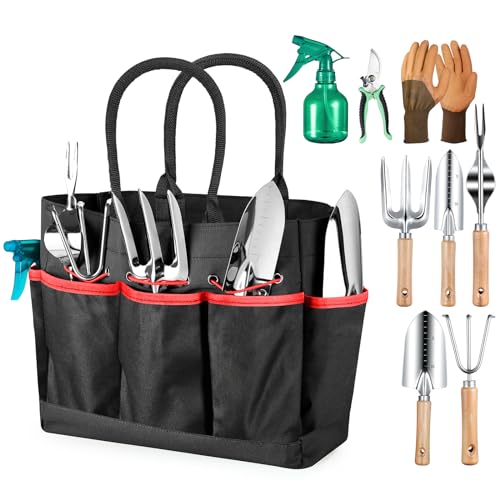
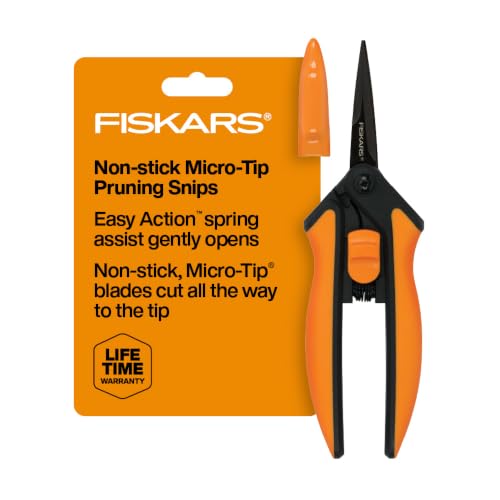
When I first started out, I quickly learned that trying to manage everything without the right gear was just a recipe for wasted effort. That’s why I picked up these exact essentials early on. They completely changed the game, saved my sanity, and helped me maximize my space. Here are the essentials that will make your gardening life infinitely easier :


Last update on 2026-10-19 / Affiliate links / Images from Amazon Product Advertising API
Enjoy Your Summer Garden
Summer gardening is a joy and it can also be a serious producer of calories. Notice we are focusing on high yield plants and growing them in small spaces. You will get the maximum bang for your buck with this kind of growing.
A garden of just these recommended plants will give you food to enjoy now and food that can be put up for the leaner times that could very well be ahead.
FAQs
1. What type of soil and watering conditions do summer tomatoes require?
Tomatoes are deep-rooting plants that demand a loose, high-quality soil environment to allow their roots to penetrate deeply. Because of this extensive root system, they require a substantial amount of water to thrive. For optimal companion planting success, it is highly recommended to plant them right alongside basil.
2. How can I successfully grow zucchini and cantaloupe in a very limited space?
To prevent these high-yield plants from sprawling across the ground and consuming your entire garden footprint, you can utilize vertical gardening. Both zucchini and cantaloupes are natural vining plants that can be staked to grow upward. This vertical alignment drastically optimizes your layout, letting you maximize your food production in a small space.
3. Why must I be cautious about where I plant sunchokes and how much I eat?
Sunchokes (Jerusalem artichokes) are incredibly robust perennials that will aggressively dominate any area they are planted in. If you bury their tubers directly in the middle of your main garden, they can quickly turn into a massive nuisance. Additionally, you should moderate your portions when eating them; they contain inulin, which can cause significant gas and digestive distress if consumed in large quantities.
QUICK POLL
Small-scale gardening: Genuine food security or an amateur hobby that provides a false sense of security?
Why did you vote that way? Drop a comment below to defend your choice, or share your real-world gardening experiences (wins or failures) with the community!