“Me thinks that the moment my legs begin to move, my thoughts begin to flow” –Henry David Thoreau
I’ve been training hard this spring and summer, preparing for my yearly mountain climbs and hikes in Colorado. It’s been my ritual for many years now, and I can honestly say, I learn something new and valuable each season. Sometimes it’s not just brand new information but welcomed reminders.
The recent death of writer and skilled outdoor’s woman Karen Sykes, who succumbed to hypothermia this June, has made this piece’s theme: hypothermia is a sneaky son of a bitch and even the experienced, most cautious adventurer, can be caught by surprise. It nearly happened to me.
What is hypothermia?
Hypothermia occurs when an individual’s core body temperature falls below 96° F and is unable to produce enough heat to stabilize itself. Outside forces like rain, wind and water can contribute to this imbalance and are factors that exist in every season. That being said, many of us, yes even veteran adventurers like myself can be seduced by the fallacy that winter settings are the only conduits that fuel hypothermia. I have to constantly remind myself not to be fooled, especially during the summer months. I was trekking in Nepal a few years back, and the weather was beautiful.
I was wearing shorts and shirtsleeves on the uphill climb to Namche Bazaar when out of nowhere (or so it seemed) the sky grew dark and a slow, steady rain soaked me to the core. I was feeling the effects of altitude as I climbed towards the hillside village and knew I only had about another 800 feet of elevation gain to go. However, as my clothes became saturated and my skin remained wet — the temperature dropped precipitously in s short span of time.
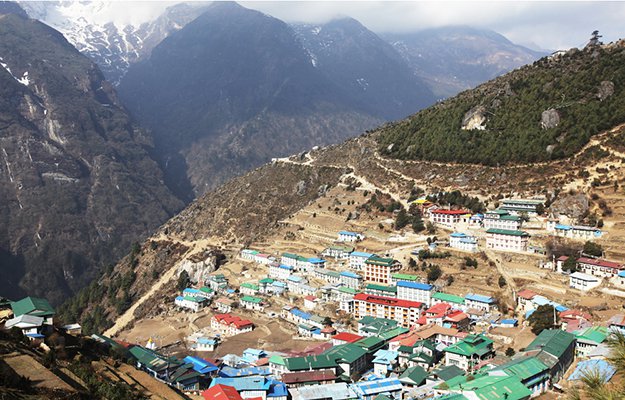
I began shivering. I threw on my weather proof shell, pulled my pants on, and told myself I was almost there — soldier on! And that’s how hypothermia deaths occur. Bad decision making. Fortunately, I did make it to Namche and with the help of my dear Sherpa friend, shed my wet clothes and found warmth by a dung fire for the evening. The effects on my body, coupled with the reduced O2 levels from elevation, knocked me out for the next day as well. However, it could have been much worse.
It seems simplistic to state that one of the most valuable survival tips a person can remember when contemplating a hike, is to prepare for any type of weather variable but it’s true. I can begin my trek up a mountain, in the midst of a beautiful summer’s day and easily be lulled into believing that the sun’s warmth will blanket me throughout my entire journey. However, the mountain is a contradiction of climate extremes. On a mountain, a person can encounter a multitude of weather and temperature shifts in an instant and if unprepared, an outing can turn catastrophic, as it did in the case of Karen Sykes and numerous others throughout the years.
There is no full proof system of preparation that will 100% guarantee that you will never have issues on a trail but understanding hypothermic signals and being able to discern what to do once symptoms have sets in, will make for a safer excursion and possibly, save your life.
Hypothermia Fundamentals: Complacency = Death. Hypothermia is a subtle killer and has duped some of the most adept outdoor aficionados so, be vigilant!
Stages of Hypothermia:
Stage 1: Mild Hypothermia (Body temp: 95° F to 89.9° F)
- Low Energy
- Clammy and pale skin
- Rapid breathing
- Nonstop shivering
- Feeling Nauseous
- Difficulty with speech
- Issues with coordination
- Disorientation
- Elevated heart rate
Stage 2: Moderate Hypothermia (Body temp: 89.9° F to 82.4° F) (I was on my way into stage 2 on my climb into Namche Bazaar)
- Shivering- (will actually become less of a symptom as the ravages of hyperthermia takes hold)
- Slurred speech
- Dehydration
- Coordination worsens
- Heart rate decreases
- Sluggish and shallow breathing
- Confusion and apathy- (many victims at this stage become very disconnected. There are various accounts of individuals taking off their clothing, thinking that they are safe and warm)
Stage 3: Severe Hypothermia (Body temp: Below 82.4° F)
- Breathing becomes severely labored
- Pulse is practically undetectable
- Pupils are dilated
- Unconsciousness
Treating Hypothermia: Low Body Temperature
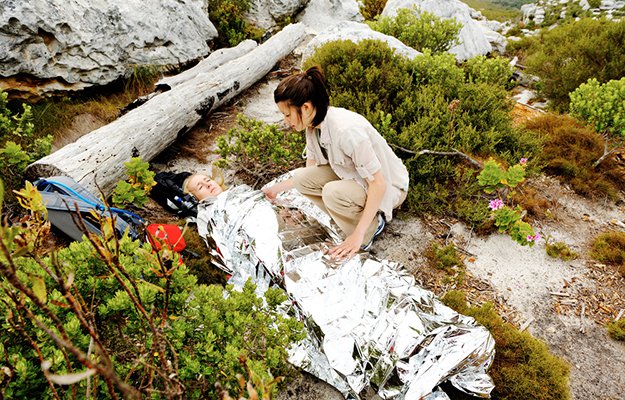
There is a great deal of misinformation that has given way to urban legends regarding how to deal with hypothermia. One of the most prevailing bits of fiction out there is that rubbing the hands and feet of a victim is an appropriate first aid measure for hypothermia. Wrong. This can actually exacerbate the situation. The key is to try to stabilize the body core temperature and what the moving and rubbing motion does to the victim’s body is just the opposite. The rubbing action pushes the blood away from the core, and the body temperature drops even further.
Another urban legend, possibly the greatest of all and one of my personal favorites, for obvious reasons, is the all nude, body to body treatment. We’ve read about it; we’ve seen it in movies and yes. It’s sexy but unfortunately, it’s pure fiction. The layers of clothing actually act as an insulator and is a more effective way of preserving a person’s core temp. Sorry folks.
Hypothermia Protocol:
- Remove clothing: Ok, don’t get excited here. I’m not backtracking. I am referring to removing damp clothing (if applicable) and then replacing the wet with the dry
- Cover the victim with a blanket (Share body heat by cuddling with the victim-clothes on)
- Try to keep the victim in a horizontal position (helps with shock prevention and blood flow to the brain)
- Keep tabs on the victim’s vital signs (Watch for drastic changes and be prepared for advance first aid techniques, if things become dire)
- Try and keep the victim as still as possible (too much moving may stress the heart and cause cardiac arrest)
- Apply heat packs to a victim’s head, neck, torso and groin (remember to have a barrier between the heat pack and the victim’s skin)
Base items to bring on your hike (In addition to your standard supplies):
- Heat packs and pads
- Extra socks
- Extra clothing
- Emergency blanket
- Watertight plastic bags (to store blanket, clothing and other supplies)
- Tarp
- A friend (A great asset when facing unforeseen circumstances)
Hypothermia is the grand master trickster. It will sneak up on the unsuspecting, and the results can be devastating. There are many tools that one can use to support a successful outing on a trail, but the key is YOU. Remember that knowledge, preparation, vigilance, and respecting nature’s temperamental design, are your lifeline. Have a fun and safe journey!
Check out these related articles:Dallas Seavey – The Ultimate SurvivalistDisaster Preparedness | Camping In The RainOn Seriously Thin Ice: Cold Water Survival TacticsLike this post?Be sure to like us on Facebook so you can be the first to know about latest survival tips and off the grid living skills.