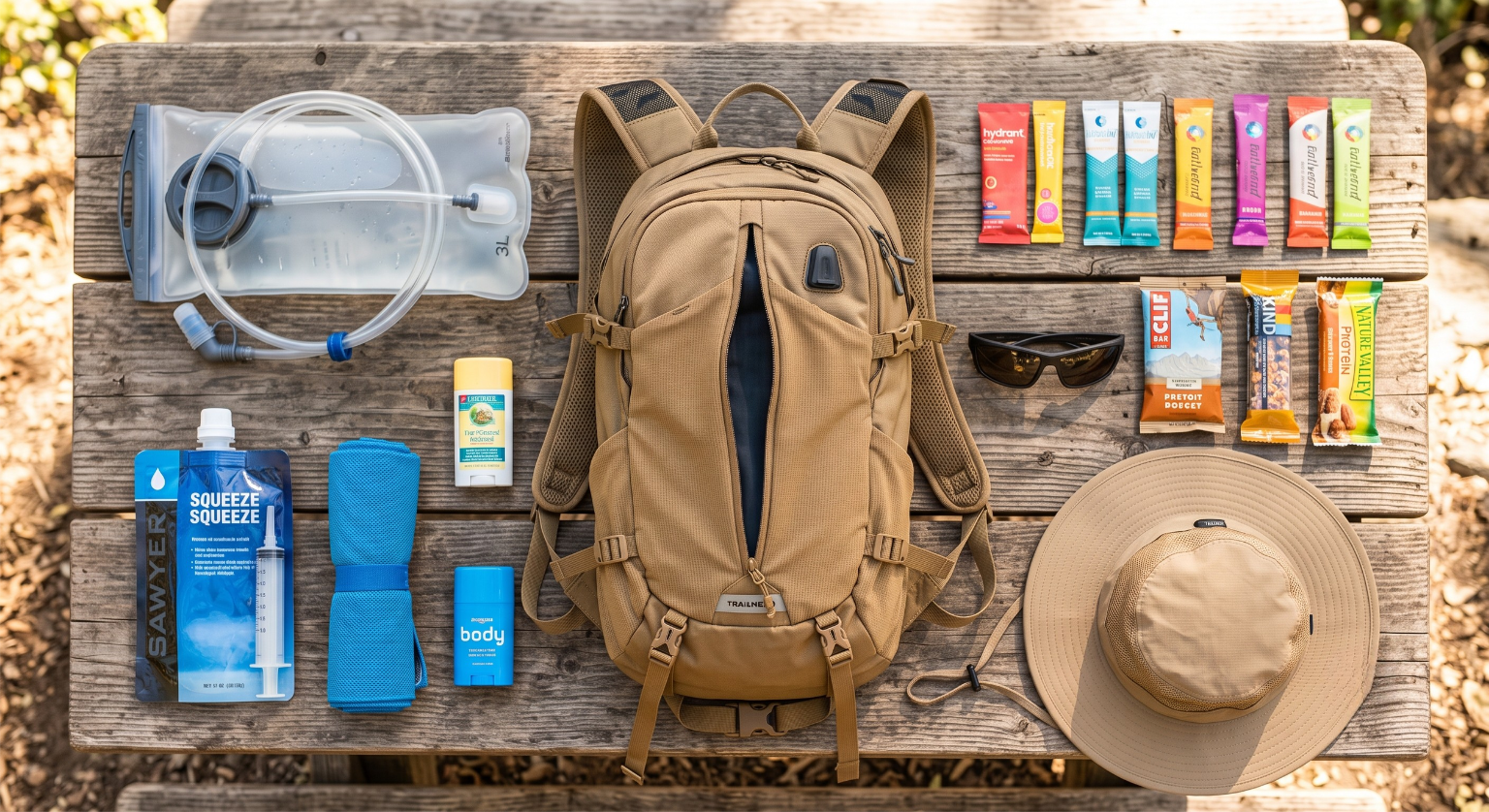

At a Glance: Summer Bugout Bag
-
Hydration First: Summer survival is about managing heat, sweat, and water loss, not just carrying tools.
-
Lighten the Load: Heavy gear and thick clothing become dangerous liabilities when the temperature spikes.
-
Heat-Specific Protection: Swap winter shelters for UV layers, cooling tools, and heat-stable food.
How to Pack a Summer Bugout Bag Before the Heat Hits
A summer bug-out bag is not just a regular survival bag with sunscreen tossed in. Heat changes the entire packing strategy.
In summer, your biggest problems are dehydration, sun exposure, sweat, fatigue, spoiled food, and power outages during dangerous heat. Ready.gov recommends storing at least one gallon of water per person per day for drinking and sanitation, while the CDC warns that hot-weather power failures can be dangerous without cooling and hydration plans.
Why Do You Need a Summer Bugout Bag?
You need a summer bug-out bag because extreme heat, intense sun, and rapid dehydration can turn a standard 72-hour kit into a heavy liability during a warm-weather evacuation. In hot weather, survival is less about battling the cold and more about keeping your body cool and moving.
Let’s look at why standard survival gear fails when the temperature spikes and how the summer elements change your evacuation plan:
-
Grid and Traffic Strain: Summer evacuations often mean dealing with extreme heat, gridlocked traffic, and long waits outdoors without air conditioning.
-
The Weight of Water: Water becomes much heavier to carry, but it is the most important item in your pack.
-
Material Hazards: Heavy cotton clothing, bulky winter food, and overpacked gear will quickly cause exhaustion.
-
Mobility is Safety: A proper hot-weather bag must be designed to help you move fast, cool down quickly, and stay hydrated.
How Is a Summer Bugout Bag Different From a Regular Bugout Bag?
A summer bug-out bag focuses heavily on heat management, high hydration capacity, and lightweight sun protection rather than heavy winter shelters and thick insulation layers. It strips away the unnecessary bulk so you can travel quickly without overheating.
While you still need the basic pillars of survival, your gear list shifts toward staying dry and cool. Here are the specific changes that turn a standard kit into a hot-weather asset:
A regular bug-out bag is built around shelter, food, water, first aid, tools, and communication. A summer bug-out bag keeps those basics, but prioritizes these specific adjustments:
-
More hydration capacity to match high sweat rates.
-
Electrolytes instead of just plain water to prevent cramping.
-
Lightweight sun protection to shield your skin without adding heat.
-
Breathable clothing layers that wick moisture away.
-
Heat-safe food choices that will not melt or spoil in a hot pack.
-
Lighter pack weight to reduce physical strain and fatigue.
-
Faster-access medical and cooling items stored where you can grab them instantly.
Summer Bugout Bag Essentials for 2026
1. Hydration & Water Systems
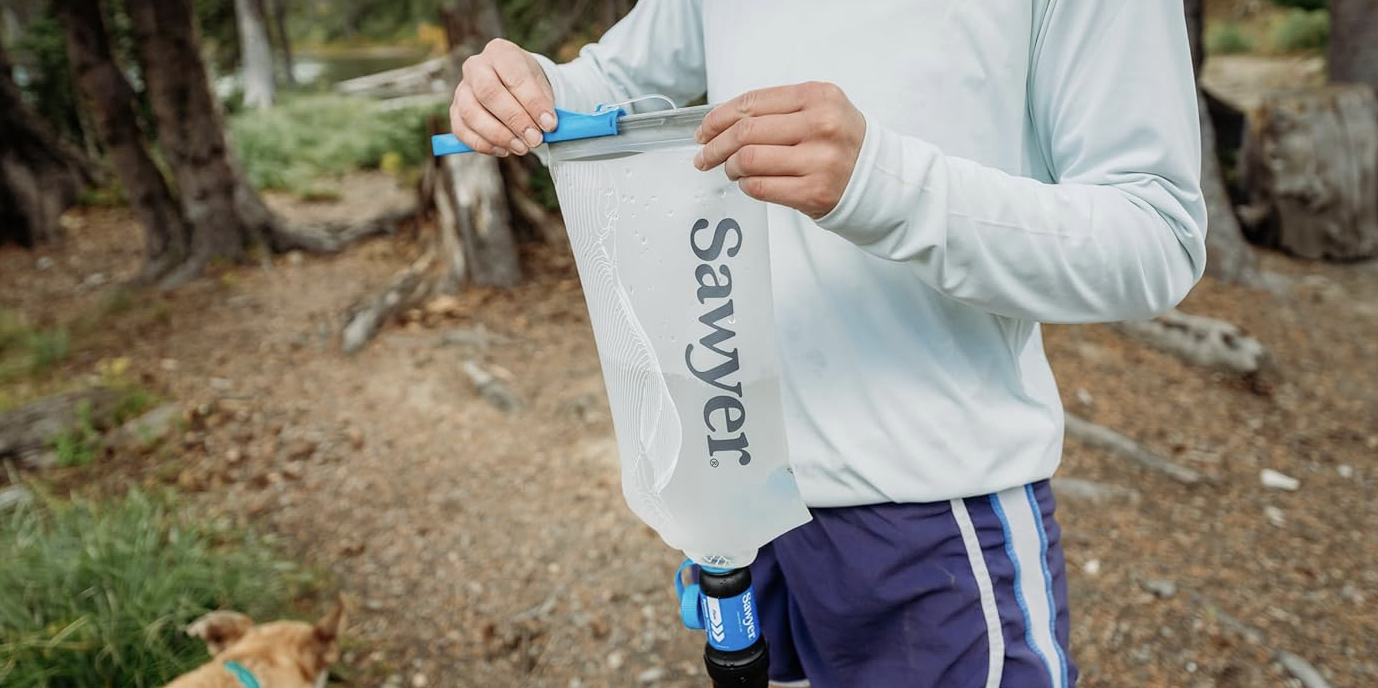
When it’s blazing hot, finding and drinking water is your number one job. You sweat a lot more, so normal water bottles won’t cut it. Instead of carrying heavy plastic jugs, use a hands-free water bladder on your back. Then, pack a tiny squeeze filter to clean water from rivers or streams, plus electrolyte packets to stop dangerous muscle cramps.
Use this quick checklist to make sure your water gear is ready to go:
I just finished my 2026 hydration system audit, and since I’m officially done taking chances with the heat, these are what I just restocked for my kit. I’ve found that having these on hand is the easiest way to keep my fluids balanced and my bases covered if we have to bail fast.
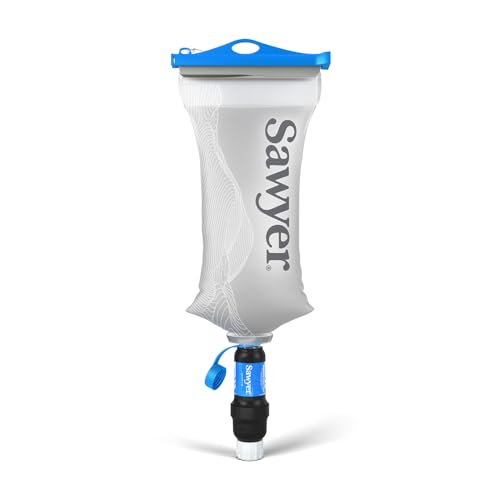
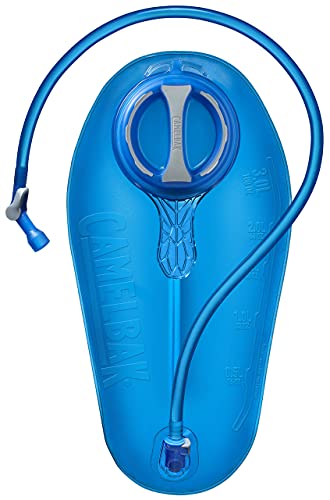

Last update on 2026-10-21 / Affiliate links / Images from Amazon Product Advertising API
2. Heat-Smart First Aid Kit
Summer medical issues are totally different than winter ones. Heavy sweat and rubbing skin cause nasty blisters, heat rashes, and bad sunburns. A normal bandage will just slide right off when you sweat. You need tough blister pads that stick to wet skin, soothing burn gel to cool down sunburns, and special rehydration salts to fix severe dehydration fast.
Grab these specific medical items to treat hot-weather injuries right away:
3. Sun Protection Layer
Relying only on liquid sunscreen is a huge mistake because sweat washes it away fast. Plus, it runs out quickly and gets covered in blinding trail dust. Hot sunlight hammers your body and drains your energy. To stay cool, use lightweight clothes like a thin sun shirt that blocks UV rays, a wide hat to shade your face and neck, and polarized sunglasses to stop blinding glare.
Check off these sun-blocking items to shield your body without melting:
4. Cooling + Sweat Management Kit
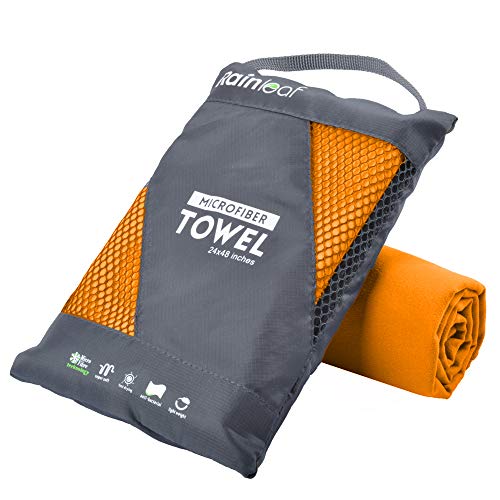
Sweating keeps you cool, but soaking wet clothes will give you painful skin chafing. It also drains your body’s fluids and minerals much too fast. To protect yourself, you need gear that actively lowers your temperature on the go. Pack an evaporative cooling towel for your neck, an anti-chafe stick to stop painful skin friction, and medicated foot powder to keep your feet dry inside your boots.
Make sure you pack these cooling tools to fight off sweat and friction:
I’ve found that keeping these items easily accessible in an outer pocket is the easiest way to maintain comfort and help drop body temperature quickly:


Last update on 2026-10-21 / Affiliate links / Images from Amazon Product Advertising API
5. Lightweight Food + Fire-Safe Cooking Option
Summer emergency food needs to be melt-proof and lightweight. Chocolate will turn into a messy soup in your bag, and heavy cans will just exhaust you under a burning sun. Also, summer is wildfire season, so you cannot build open campfires. Pack no-cook meat pouches, melt-proof energy bars, and a tiny canister stove that you can turn off instantly to stay fire-safe.
Put these melt-proof foods and safe cooking tools in your bag next:
How Much Should a Summer Bugout Bag Weigh?
A summer bug-out bag should ideally stay under 20% of your total body weight, but you should aim for the lightest weight possible to avoid heat exhaustion. Every extra pound drains your energy and makes you sweat faster under a burning sun.
According to general pack-weight guidelines from REI, keeping your load light is critical when water weight and fatigue add up fast. For most adults, the better target is “carryable after two hot miles,” not “impressive on a checklist.”
A good summer bug-out bag is not about packing more gear. It is about packing the right gear for heat, movement, hydration, and fast decisions. Build it light. Test it by taking a walk on a hot afternoon. Replace expired items and stale water before peak summer hits. The best bag is always the one you can actually carry when conditions get rough.
Ready to build yours?
Start with the five summer essentials above, then download our printable summer bug-out bag checklist before your next heat wave or road trip.
FAQs
What should I pack in a bug-out bag for summer conditions?
Pack plenty of water, a reliable water filter, electrolyte packets, and sun protection gear. You should also include a heat-smart first aid kit, a cooling towel, sweat-control items, lightweight food, a flashlight, a radio, emergency documents, cash, and personal medications.
How much should a summer bug-out bag weigh?
Use 20% of your body weight as a strict upper limit, but aim much lighter for hot weather. Heavy water, intense heat, and long distances will make any bag feel twice as heavy very quickly.
What is the difference between a bug-out bag and a 72-hour kit?
A bug-out bag is a portable backpack designed specifically for rapid evacuations. A 72-hour kit is a larger supply setup that supports you for three full days at home, in a vehicle, or at a secure shelter.
Should I pack more water or a water filter?
You must pack both. Carry immediate drinking water in bottles or a bladder for your first miles, and pack a compact water filter as a backup so you can safely harvest water if your trip lasts longer than expected.
What should I avoid packing in a summer bug-out bag?
Avoid heavy canned foods, chocolates or candies that melt, thick cotton clothing, duplicate tools, and heavy cookware. Never pack anything that you have not personally tested while walking outdoors in the heat.