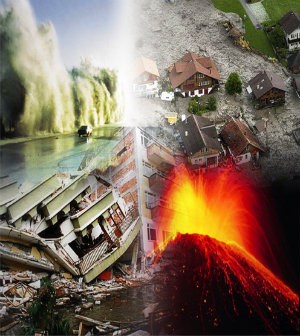

This is called Risk Analysis. Risk analysis is the method of knowing what is likely to happen to you based on where you live, your terrain, environment, people in your locale and more. There are a few simple rules to keep in mind when performing risk analysis in order to determine your most likely prep:
- Location
“Location, location, location” is the key here. The important thing to keep in mind, with the U.S anyway, is that if you live in the following areas, you will likely experience the related disasters:
West
The western part of the United States is known for earthquakes and fires. You should be thinking about how you can prepare for both of these events. Understand how earthquakes and fires work and how they interact with various structures and environments.
East
You should be preparing for hurricanes and snow storms. You must be willing to leave at a moments notice in the event that a hurricane is about to hit your area. Snow storms can often trap people in their homes for days, especially on the East coast.
South
In the South, you should be prepared for potential hurricanes (depending on where you live in the South) fires and tornadoes.
The recent tornadoes in Oklahoma should teach us that prepping and survival is not a one time event. It is 24/7/365. We must always be prepared for anything, anytime and anywhere.
North
In the northern part of the United States, you should be prepared for extreme cold and snow storms. The cold environment should be taken into account, and being prepared to have a quantity of goods you keep you alive for a long duration, should be taken under consideration.
- Environment
Your environment says it all. If you live in a rural area, your biggest threat may not be terrorism directly, but rather the fallout of terrorism. In a rural area, you have to keep in-mind that in the midst of a crisis, your area will be one of the very last to receive goods and services. This means your preps should always be large in quantity.
FEMA originally made it clear that you should have at least 72 hours worth of emergency food, water and materials on-hand in the event of a disaster or other emergency. After Hurricane Katrina, they increase this to 10 days. Now they are recommending that you stock up on 3 weeks worth of emergency goods. In a rural area, you should triple this number and triple the amount of people you store it for, as well.
This may seem like overkill at first, but anyone stuck in an emergency has never said “I was over-prepared and had ‘too’ many emergency supplies”. It is better to be safe than sorry.
When performing risk analysis, keep in-mind that terrorism is always a threat, whether foreign or domestic (civilian or government) in all locations. You may or may not be a direct threat, but you may indirectly feel the effects of terrorism.
You should always consider past event when it comes to natural disasters. Has your area had a history of experiencing floods? Fires? Hurricanes? Earthquakes? Storms?
Regardless of the event, you should perform a risk analysis and decide on a plan of action. On the TV show “Doomsday Preppers”, the number one thing they fail at (most anyway) is risk analysis. Many on that show are preparing for some of the most random events that they were scared of on the news that will likely never affect them, which is why they are put on television, to show them as an extreme example in order to build their audience.
Do not fail at risk analysis. Risk analysis, if done effectively, is just as vital as preparing itself. If you do not know what to prepare for, or you prepare for the wrong type of event, you could be wasting time, money and other precious resources planning and preparing to survive an event that will likely never happen to you based on the variables above.
Click here for the original article.
Give us your thoughts! How do “you” perform risk analysis?
Drop a comment below and let us know.