
At a Glance: Outdated Summer Heat Survival Myths
-
Many common summer cooling methods, like wrapping a wet cotton towel around your neck or draping one over a pet, actually trap body heat and create a warm, soggy “sauna effect”.
-
Chugging room-temperature plain water fails to lower your core temperature and can dangerously dilute your blood, meaning you need icy water and electrolytes to properly recover from heavy sweating.
-
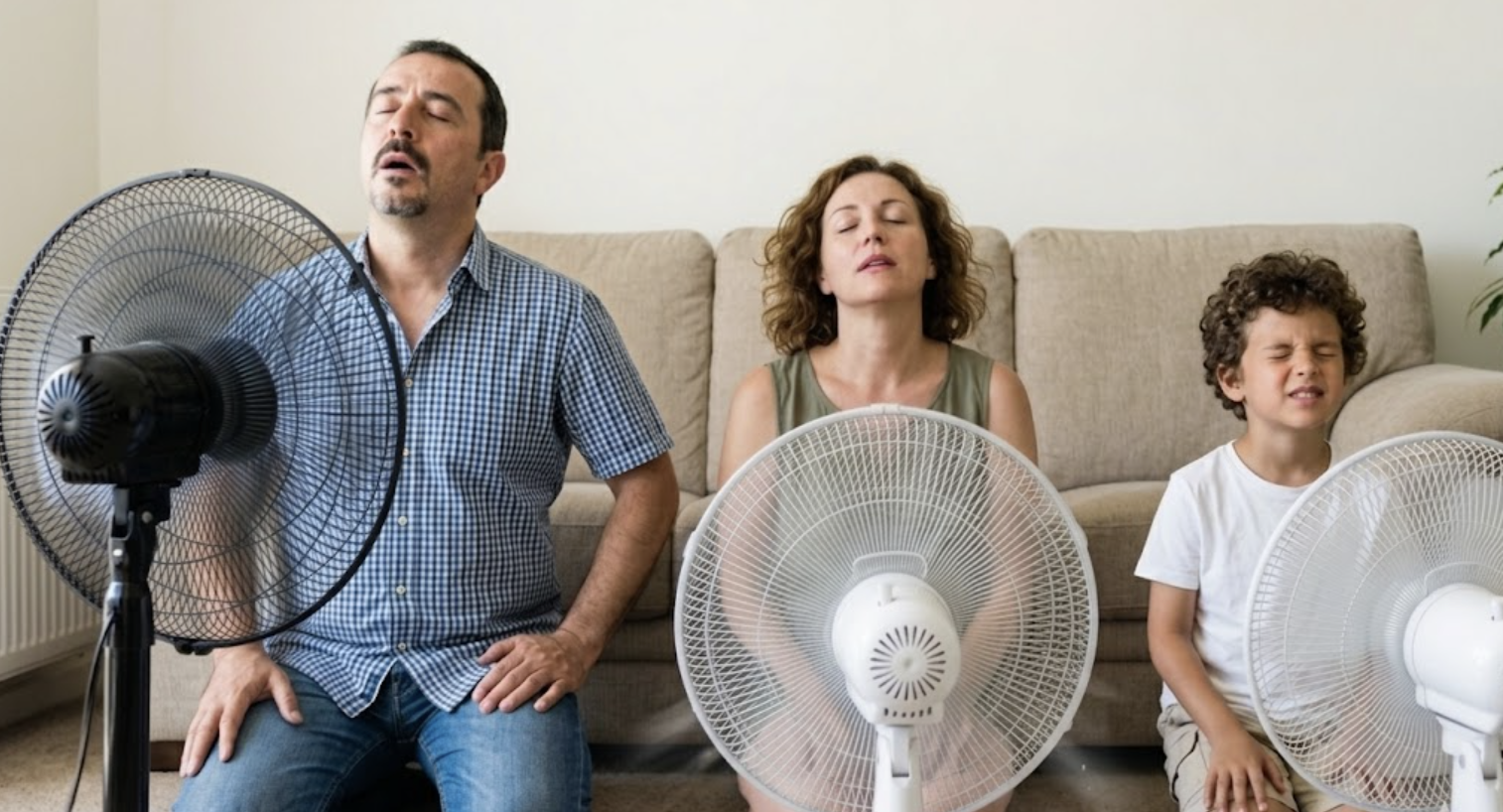
Keeping a house cool requires blocking heat at the window glass with thermal curtains, completely unplugging idle “phantom power” electronics, or moving your bed closer to the floor where the air is cooler.
When the summer heat hits hard, people tend to rely on the same old tricks passed down for generations. The problem is a lot of those classic methods actually worsen the temperature.
Here are 11 completely backward summer heat survival myths you need to stop believing, along with the facts and modern fixes to actually keep your family cool during the scorching season .
Myth 1: Wrapping a wet towel around your neck cools you down
The Myth: Placing a soaked towel or wet bandanna around your neck is the ultimate way to beat the heat.
The Fact: A regular cotton towel gets heavy when wet. While it feels good for the first two minutes, it quickly turns into a warm, soggy mess that traps body heat and drips water everywhere.
The Fix: You need a material designed specifically for rapid, dry evaporation. Upgrade to an advanced evaporative snap-cooling towel. You run it under the tap, wring it out completely, and snap it in the air. It flash-freezes instantly and stays ice-cold for hours while remaining completely dry to the touch.
I refuse to deal with dripping, soggy cotton towels this year, so I just tossed a pack of these snap-cooling towels into my cart. They’re supposed to flash-freeze and stay totally dry, which sounds perfect for the incoming heatwaves.

- INSTANT COOL AND REUSABLE: Our cooling towel features a mesh that wicks sweat away for a cool and dry feeling during...
- KEEP CHILLY:This cooling towel is chemical-free and stays cool for up to 3 hours. It's great for hot flashes, outdoor...
Last update on 2026-10-15 / Affiliate links / Images from Amazon Product Advertising API
Myth 2: Closing your window blinds keeps the heat out
The Myth: If you keep your blinds and curtains closed when the sun comes up, your house will stay cool.
The Fact: By the time sunlight hits your indoor blinds, the heat has already passed through the window glass and entered your house. Regular plastic blinds and thin curtains simply absorb that solar radiation and act like a giant radiator that pumps heat straight into your living room.
The Fix: You have to physically trap the heat against the glass so it never circulates. Thermal blackout curtains are lined with heavy, insulating materials that block out 100% of the sunlight and create a thick, cooling barrier right at the window pane.
Myth 3: Sleeping in lightweight cotton sheets prevents night sweats
The Myth: Kicking off the comforter and sleeping under thin, lightweight cotton sheets is the best way to stay cool at night.
The Fact: Cotton is highly absorbent. On a muggy night, it’ll suck up your body sweat but won’t release it. The fabric holds that warm moisture right against your skin, basically turning your bed into a damp, hot swamp.
The Fix: Switch to a material that is highly breathable, naturally cold to the touch, and moisture-wicking. Fabrics like 100% bamboo or Lyocell (Tencel) actively pull sweat away and allow air to flow right through the fibers.
Myth 4: Draping a wet towel over your dog prevents heatstroke
The Myth: You can quickly lower your pet’s body temperature by throwing a cool, wet washcloth or towel over them.
The Fact: Dogs and cats absolutely hate being trapped under wet, heavy fabric. Even worse, if the water isn’t constantly evaporating, that thick wet towel actually traps their body heat against their fur, essentially creating a sauna effect. Plus, they’ll just shake it off and leave a wet rag on your floor.
The Fix: Let animals cool themselves down on their own terms. A pressure-activated, self-cooling gel pet mat absorbs your pet’s body heat the exact second they lie down on it, without requiring any messy water or electricity.
Since my dog hates being trapped under wet washcloths, I just ordered this washable cooling mat for him. I’m trying to get ahead of the summer heat so he has a comfortable place to chill out on his own terms.

- Cooling Material: Our dog cooling mat includes cooling fabric top, soft inner layer and breathable base. The material is...
- Washable: This bed cool pad is washable by washing machine and hand. The cooling mat for dogs is long-lasting and will not...
Last update on 2026-10-15 / Affiliate links / Images from Amazon Product Advertising API
Myth 5: Chugging room-temperature water lowers body temperature
The Myth: Because we lose a lot of fluids through sweat, drinking ample amounts of tap water will cool you down.
The Fact: Hydration is essential, but chugging warm water out of a plastic bottle does absolutely nothing to trigger your body’s internal cooling response. You just sweat it right back out without dropping your core temperature one bit.
The Fix: You need icy cold water to actively cool your internal temperature from the inside out. Get a container that guarantees your water and ice stay freezing cold for 24 hours straight, even if it is sitting in a sweltering room.
Myth 6: Box fans actually cool the air in a hot room
The Myth: Using box fans to circulate air is a surefire way to cool down a stuffy room.
The Fact: Fans only move air; they don’t lower its temperature. If your living room is 90 degrees, a standard fan is just blasting 90-degree air at your face like a convection oven. It’ll dry out your sweat, but it won’t drop the room temperature.
The Fix: To actually cool the air hitting your body, you have to introduce cold moisture. Combine a breeze with a continuous icy mist that flash-cools the air right before it hits your skin.
Myth 7: Sleeping in an indoor hammock will ruin your drywall
The Myth: A ‘net style’ hammock provides great air circulation around your body, but hanging one indoors will only destroy your walls.
The Fact: Suspending yourself in the air is one of the oldest ways to stay cool because it allows heat to escape from underneath you 360 degrees. But you do not need to drill massive, heavy-duty lag bolts into your rental’s drywall to pull it off.
The Fix: You can get the exact same breezy, zero-contact sleeping setup by using a freestanding structural frame.
Myth 8: Drinking a gallon of plain water is enough to cure summer dehydration
The Myth: Alcohol and caffeine act as diuretics that promote dehydration, so swapping them for a massive jug of plain water fixes the problem.
The Fact: When you’re sweating heavily, you’re losing vital minerals. Pounding plain tap water actually dilutes your blood and flushes out your remaining minerals, leaving you feeling sluggish, bloated, and headachy.
The Fix: To actually reverse dehydration and cool your system, you need to replenish your sodium, magnesium, and potassium so your body retains the hydration on a cellular level.
I’m stocking up on these high-sodium electrolyte packets before extreme heat hits. I just added a box to my cart so I can replenish the minerals I’ll sweat out and avoid dehydration:

- ENHANCED FORMULA FOR YOU: Venture Pal high-sodium electrolyte powder packets provide 1000 mg of sodium per serving, along...
- WHY VENTURE PAL? Venture Pal is committed to wellness, with scientifically validated, third-party-tested ingredients. Enjoy...
Last update on 2026-10-15 / Affiliate links / Images from Amazon Product Advertising API
Myth 9: Splashing ice water on your face is the fastest way to cool down
The Myth: When you get too hot, splashing cold water directly onto your face immediately cools your blood.
The Fact: Splashing your face will feel incredible for about five seconds, but it won’t cool your system down. The water evaporates too quickly to actually lower the temperature of the blood pumping through your veins.
The Fix: You have to target your pulse points. Run your wrists under freezing cold water for a full 60 seconds, or hold an ice cube against the side of your neck. Because your blood vessels are right at the surface of your skin in these areas, it physically cools your blood down as it pumps back to your heart.
Myth 10: Turning off your TV and other devices to reduce heat in your living room
The Myth: As long as you hit the power button on your TV and gaming console, they stop generating heat.
The Fact: “Phantom power” or standby power is very real. It means that devices plugged into a wall outlet is still drawing electricity and radiating ambient heat, even when idle or turned off. Leaving large appliances plugged in creates a localized heat bubble in your room.
The Fix: Unplug your desktop computer, gaming consoles, and kitchen appliances when you’re not using them.
Myth 11: A fan on your nightstand will save you from an overheated bedroom
The Myth: If you have a good fan, sleeping in your normal bed on the second floor is totally fine.
The Fact: Hot air rises, which means the upper stories of a home will always be significantly warmer than the ground floor. If you’re sleeping on a tall bed frame on the second floor, you have actively positioned yourself in the absolute hottest layer of air in your entire house. A fan won’t save you.
The Fix: Change your elevation. Move your mattress directly onto the floor for the summer months, or set up a temporary sleeping camp on the first level of a home or a basement. You’ll notice a massive temperature drop just by getting your body closer to the floorboards.
I’m fully in summer prep mode right now, so I just threw a few more heatwave essentials into my cart. Here’s exactly what I’m checking out next:
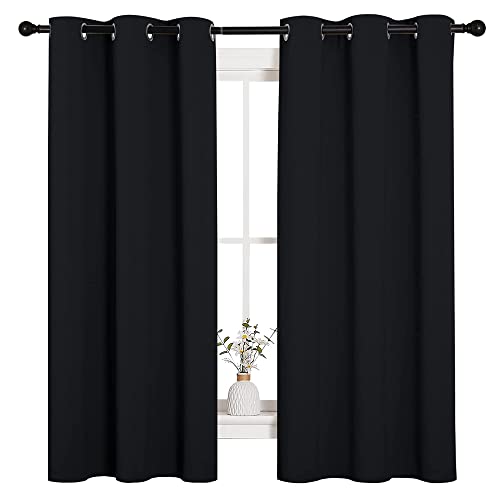
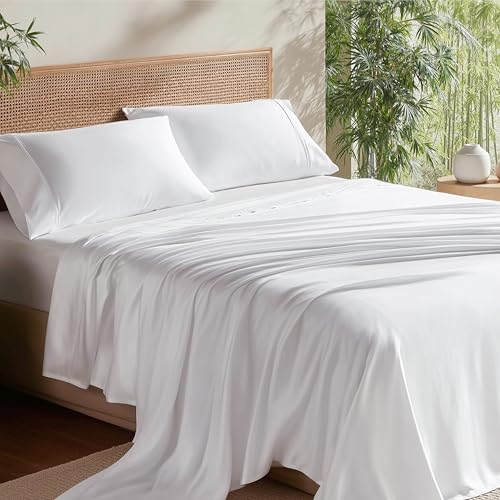


Last update on 2026-10-15 / Affiliate links / Images from Amazon Product Advertising API
FAQs
1. Why shouldn’t I use a wet cotton towel to cool down my neck or my pet?
While a wet cotton towel feels refreshing for the first couple of minutes, regular cotton quickly becomes a heavy, soggy mess. Instead of cooling, it actually traps ambient body heat against the skin or fur, worsening the heat rather than relieving it.
2. Do standard indoor blinds successfully block out summer heat?
No. By the time sunlight hits your indoor blinds, the solar energy has already passed through your window glass. Standard plastic blinds or thin curtains simply absorb that radiation and act like a household radiator, pumping heat straight into your living space.
3. Why is drinking a gallon of plain water bad when severely dehydrated from the heat?
When you sweat heavily, your body loses vital minerals alongside water. Pounding plain tap water without replacing those minerals dilutes your blood and flushes out your remaining resources, which frequently results in feeling bloated, sluggish, and headachy.
4. What is the fastest way to use cold water to drop my body temperature?
Instead of splashing water on your face which evaporates too quickly to affect your core temperature you should target your pulse points. Run freezing cold water over your wrists for a full 60 seconds or hold an ice cube to the side of your neck to directly cool the blood pumping back to your heart.
5. Can appliances heat up a room even if they are turned off?
Yes, due to “phantom power” or standby mode. Large electronics like desktop computers, TVs, and gaming consoles continue to draw electricity and radiate ambient heat as long as they remain plugged into a wall outlet, creating localized heat bubbles.
QUICK POLL
New research says data centers are making surrounding neighborhoods hotter. Should they be forced to shut down?
Defend your choice below.