
At a Glance: What to Expect in a Solar Storm
- A solar storm happens when the Sun blasts out energy and charged particles that hit Earth’s magnetic field.
- During a strong geomagnetic event, you can expect short warning time, power grid stress, satellite and GPS problems, and patchy radio or communication issues.
- Protect your devices using the tier system: unplug routers and smart devices first, then high-value infrastructure like HVAC and appliances, then charge and disconnect backup power.
- Follow the 3-step protection plan: Unplug devices (don’t just turn off), know your surge protector’s limits, and stage backup systems before peak activity.
Solar storms sound like something out of a movie. In reality, they’re part of living on a planet next to an active star.
Most days, you’ll only notice one as a headline or a photo of crazy auroras on social media. Recently, the 2026 solar storm brought the northern lights as far south as Alabama and Texas, turning social media into a gallery of stunning sky photos. But what most Aurora chasers don’t realize is that behind those beautiful lights lies a geomagnetic storm powerful enough to damage the technology your home depends on.
This guide walks you through what to expect in a solar storm, how to protect your devices, and the simple steps you can take so your home isn’t caught flat-footed.
Solar Storm vs. Geomagnetic Storm
You’ll hear both terms in the news, but they describe the same event. A solar storm is what happens on the Sun when it throws energy and charged particles toward Earth. A geomagnetic storm occurs when that energy arrives and disturbs Earth’s magnetic field.
(As an Amazon Associate, we earn from qualifying purchases.)
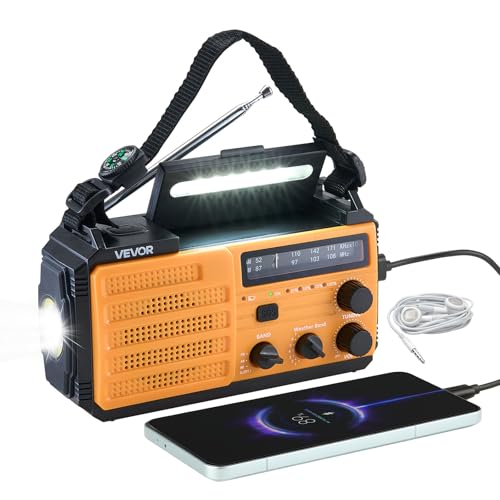
- Weather Alerts & SOS: This emergency weather radio supports 7 WX channels and auto-tunes to the strongest signal for instant...
- Multiple Power Sources: Built-in battery, USB charging, solar panel, hand crank, and Type-C charging options keep your NOAA...
Last update on 2026-10-07 / Affiliate links / Images from Amazon Product Advertising API
What Happens During a Solar Storm?
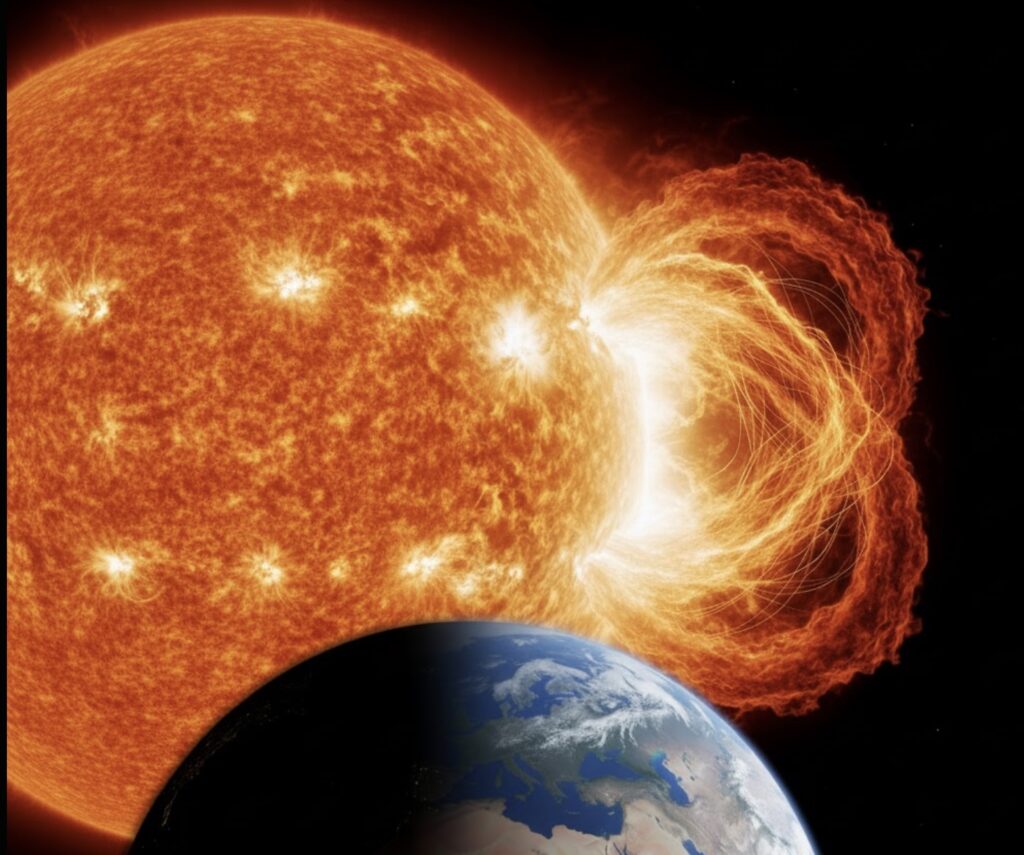
The Sun constantly throws off a stream of charged particles called the solar wind. Earth’s magnetic field deflects most of it, and life goes on.
A solar storm is when the Sun sends more than the usual background. That usually comes in two forms:
- Solar flares
Bursts of radiation from the Sun. They travel at the speed of light, so their effects on radio and the upper atmosphere hit within minutes. - Coronal mass ejections (CMEs)
Huge clouds of magnetized plasma launched into space. If one is aimed at Earth, it can arrive in about 15–72 hours, depending on speed.
When a CME reaches Earth and its magnetic field lines up the “wrong” way with our own, energy pours into our near-space environment. That’s when you get:
- Bright auroras far from the poles
- Extra current flowing in long power lines
- More drag on satellites
- Disturbed radio and navigation signals
Most storms are mild. A few are memorable. A tiny number sit in the “this could be a real problem if we’re unlucky” category.

- PORTABLE POWER STATION 350W: This portable power station can run air pumps, recharge phones and laptops, and power the Goal...
- FAST CHARGING PORTABLE POWER STATION: High-speed charging mode takes this portable power station from 0% to 100% in about...
Last update on 2026-10-07 / Affiliate links / Images from Amazon Product Advertising API
Are Humans In Danger From Geomagnetic Storms?
No, because the Earth’s atmosphere blocks the harmful radiation. Additionally, your body naturally generates electrical currents 1,000 times stronger than what a geostorm induces. It’s safe to say there’s zero direct health risk for the vast majority of people.
However, some people report headaches, trouble sleeping, or feeling unusually tired during strong geomagnetic activity. Research suggests this might be linked to minor shifts in melatonin production or heart rate variability in sensitive individuals.
If you notice these symptoms, treat them like you would any mild discomfort. Get extra rest, stay hydrated, and avoid making it worse by stressing about it. These effects will disappear when the storm passes.
How Much Warning Will You Really Get?
There are two levels of warning time that matter: days and minutes to hours.
1. Days of lead time from solar telescopes
- When the Sun launches a CME, space weather centers often see it on solar telescopes.
- Based on the direction and speed, they estimate an arrival window, usually one to three days out.
- That’s enough time for:
- Grid operators to adjust how they run the system
- Satellite teams to prepare for more drag and radiation
- Airlines to plan alternate routes if needed
2. Minutes to hours from upstream satellites
Closer to Earth, satellites sitting between us and the Sun measure the solar wind directly.
- They can see the actual magnetic field of the incoming cloud.
- That data gives about 15–60 minutes of very specific warning about how strong the hit will be.
- In some “worst case” fast events, practical warning for ground operators can be closer to 12 hours between “this one looks bad” and impact.
For a family, this all boils down to one simple idea:
You’ll likely hear about a serious solar storm at least once in the news before it hits. Rarely, that warning window can be tight—on the order of half a day.
Treat those alerts like a fast-moving winter storm: not the end of the world, but worth topping off a few things.
No products found.
Solar Storm What to Expect: Real-World Effects
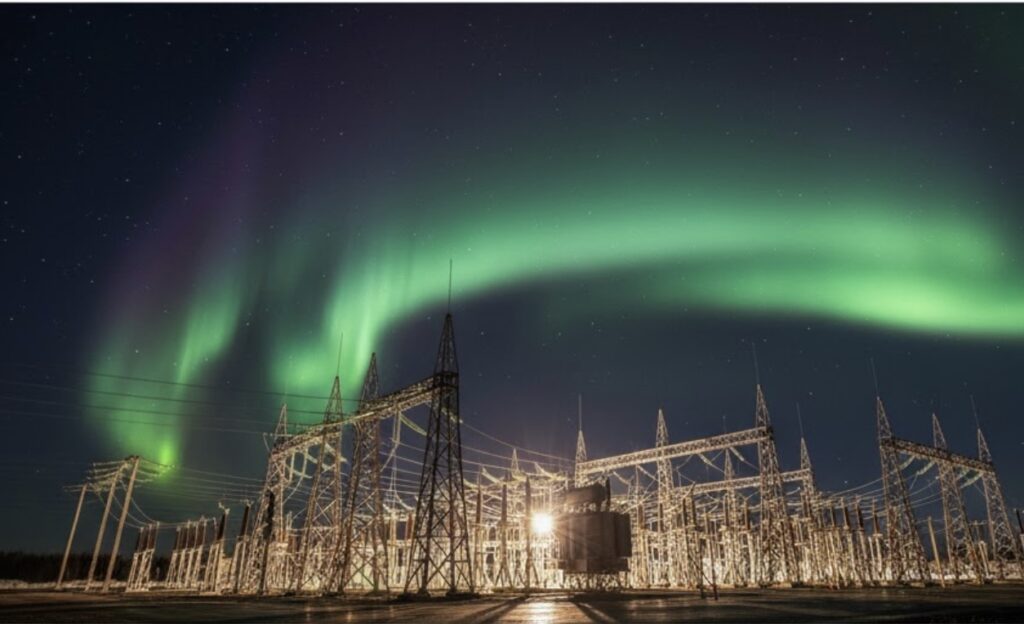
How dangerous are solar storms? If a strong solar storm is headed our way, here’s what you can realistically expect to see as it unfolds.
1. Solar Storm Effects on Power Grid (but not instant “lights out”)
- Rapid changes in Earth’s magnetic field can induce extra currents in long transmission lines.
- Those currents push on transformers and other big equipment.
- Most of the time, utilities ride this out with:
- Different line configurations
- Tighter monitoring
- Temporary changes in how much power flows where
Extreme storms can still cause localized or regional outages, especially in areas with long transmission corridors. Think “some grids working hard, some areas going dark,” not “global blackout in five minutes.”
2. Satellites and GPS acting up
Solar storms make the upper atmosphere puff up and get more irregular.
- Satellites in low Earth orbit feel more drag and may need more frequent tracking and small course corrections.
- GPS signals passing through a disturbed ionosphere can bend in different ways.
You might see:
- Navigation apps drifting more than usual
- Precision GPS (surveying, agriculture) showing larger errors
- Short communication glitches on satellite-based systems
3. Radio and communication glitches
Radio is one of the first things to notice space weather.
- HF radio (used on some long-range and polar flights) can fade or go out over certain paths.
- Some forms of aviation and maritime communication may hop to backups.
- Amateur radio operators often notice bands going weird long before anyone else.
For most people, this may show up as:
- A flight taking a different route
- Slightly more “service unavailable” moments on certain connections
- News stories mentioning “radio blackouts” that you don’t personally feel
- Weather Alerts & SOS: This emergency weather radio supports 7 WX channels and auto-tunes to the strongest signal for instant...
- Multiple Power Sources: Built-in battery, USB charging, solar panel, hand crank, and Type-C charging options keep your NOAA...
Last update on 2026-10-07 / Affiliate links / Images from Amazon Product Advertising API
4. Auroras and odd sky effects
The most visible sign is also the least dangerous.
- Auroras can dip far closer to the equator than usual.
- Colors can intensify and shift across the sky.
If you’re in the right latitude and away from city lights, a strong storm can give you a once-in-a-lifetime sky show.
Which Device To Unplug First During Solar Storms?
Your Wi-Fi router and modem are at high risk because they are connected to long external cables. These coaxial or phone lines stretch for miles pick up surge currents like an antenna. The router runs on low-voltage circuits (5 to 12 volts) with almost zero defense against phantom currents. One surge can mean a $200 replacement and days without internet.
TIER 1: Unplug These Devices Right Now
- Wi-Fi Router and Modem – Long external wiring creates a direct surge path
- Smart Home Hubs and Security Cameras – They’re as vulnerable as routers
- Desktop Computers – “Always-on” power supplies stay live when shut down
TIER 2: Protect Your High-Value Infrastructure
- HVAC Control Board – One fried circuit can cost over $1,000 in emergency repairs
- Smart Appliances – Fridges and ovens with touchscreens have microprocessors that bypass fuses
- Home Theater Systems – HDMI cables carry surges between devices like a chain reaction
TIER 3: Critical Communications and Backup Power
- Charge your phone, laptop, and power banks to 100 percent now, then unplug them
- Switch to a battery-powered NOAA radio during peak activity
- Unplug “empty” chargers because they still conduct currents
The 3-Step Plan To Protect Your Devices During a Solar Storm
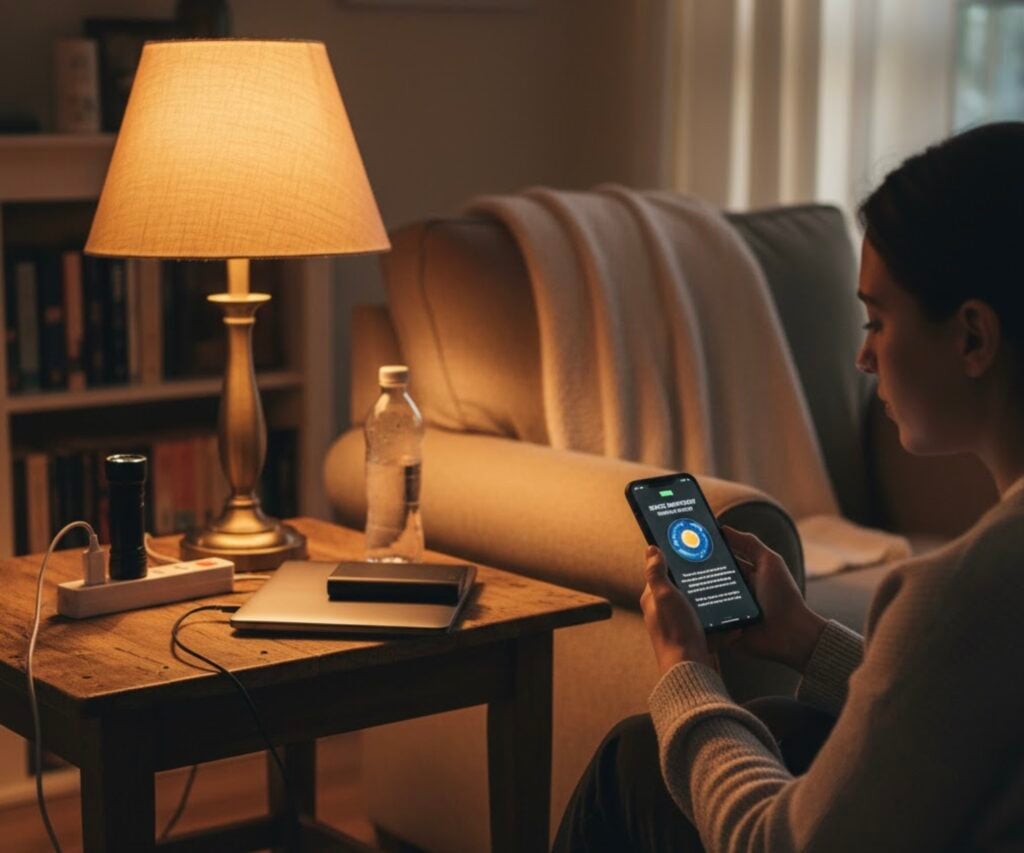
Step 1: Unplug Devices, Don’t Just Turn Them Off
Use the Tier 1-3 list as your priority guide. Physically disconnect devices from both power outlets AND data cables. “Turned off” doesn’t mean “protected” during a geostorm.
Step 2: Know Your Surge Protector’s Limits
Standard power strips stop AC lightning strikes, not slow DC geostorm currents. Even surge protectors rated at 600 Joules or higher can’t fully block phantom currents. Best practice during peak activity: Unplug instead of trusting the strip.
Step 3: Stage Your Backup Systems
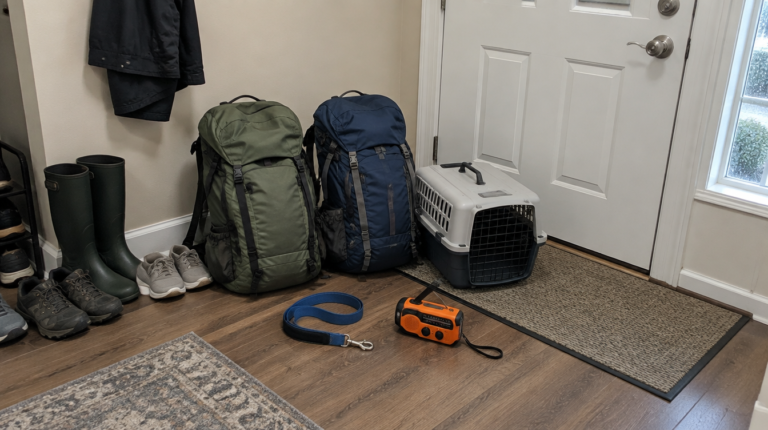
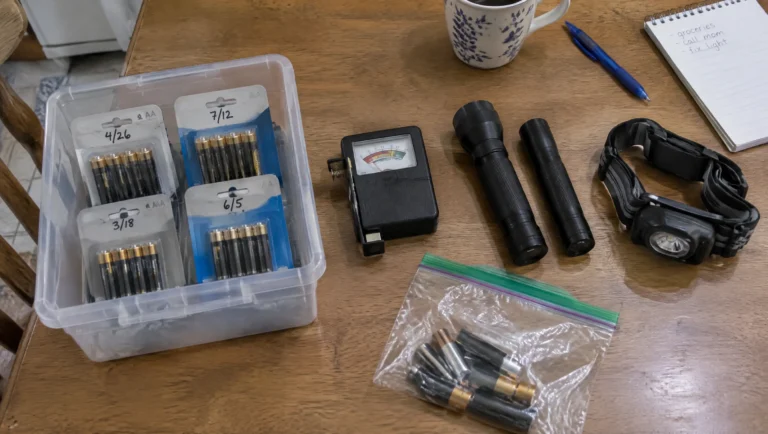
Keep a battery-powered NOAA radio within reach. Put flashlights and headlamps in easy-to-reach spots like your kitchen counter or nightstand. Test your generator or solar battery now. Don’t wait for a blackout.
How Likely Is a True Grid-Down Scenario?
This is the big fear for a lot of preppers: “One big solar storm and we’re back to the 1800s.”
History does give us some serious examples:
- 1859 Carrington Event
Auroras seen near the tropics. Telegraph systems sparked, failed, and in some cases set papers on fire. - 1989 Quebec storm
Helped trigger a large power outage by stressing transformers and tripping protective systems.
But there are also important differences between then and now:
- Modern grids are more complex and more vulnerable in some ways.
- They are also more monitored and better understood.
- Many utilities have space weather procedures baked into their playbooks.
A Carrington-level storm today would be a major headache for operators and could cause serious outages in some regions. That’s worth respecting. But it’s not a guaranteed “global, multi-year blackout.”
Think in terms of:
- Higher odds of regional blackouts
- Longer-than-usual restoration for some areas
- Supply chains and communications under stress, just like any major disaster
Remember: your job isn’t to solve space weather. It’s to make sure your home is one of the least fragile points in the system.
How to Prepare for a Solar Storm
When you hear credible talk of a strong solar storm, treat it like any other fast-moving grid threat.
Here’s a simple checklist you can work through in an evening.
Power and light
- Charge everything
Phones, power banks, rechargeable lanterns, headlamps, radios. - Stage your backup lighting
Put flashlights and lanterns where you can reach them in the dark. - Know your off-grid options
Test your generator, solar power system, or battery bank if you have one.
No products found.
Water and basics
- Top off stored water
Fill extra containers and, if it fits your plan, a bathtub with clean water. - Do a quick food check
Make sure you have at least several days of ready-to-eat meals that don’t need cooking or only need boiling water. - Fill vehicles and cans (within your local laws)
A full tank gives you options if there are localized outages or pump issues.
Cash and communication
- Pull some cash
If card readers and ATMs glitch, small amounts of cash help. - Charge and stage radios
If you use FRS/GMRS or ham radio, make sure batteries are topped off and channels agreed on with your group. - Write key contacts on paper
Don’t rely only on your phone’s contact list.
Home and routine
- Finish high-power tasks early
Laundry, dishwasher, battery charging—get them done before the storm window. - Unplug non-essential electronics
Especially sensitive gear you don’t want to risk, like big TVs or gaming rigs. - Talk through a simple plan
Who checks on older relatives? Who secures pets? Where does everyone meet if cell networks get weird?
You’re not trying to prep for the apocalypse in one night. You’re buying comfort and options if things get bumpy for a day or two.
How to Read Alerts Without Panicking
Space weather alerts can look like alphabet soup: Kp, G3, “minor radio blackout,” and so on.
You don’t have to become an expert, but a few basics help:
- Kp index (0–9)
Higher = stronger geomagnetic disturbance. Kp 5+ means “storm levels.” - G-scale (G1–G5)
G1 = minor, G5 = extreme. G3–G4 is where you start to see serious interest from grid and satellite operators. - Timing windows
Look for phrases like “impact expected late on [date] into [date].” That’s your prep window.
Use alerts from national space weather centers or agencies, not random social posts. If they say something like “strong geomagnetic storm possible,” that’s your cue to run your checklist, then live your life.
Simple Mindset for the Family Protector
As the “family protector,” your mindset during a solar storm is the same as for any other large-scale but manageable threat:
- Take the solar event seriously without panicking
Large solar storms can stress systems we depend on. - Trust the pros to do their jobs.
Grid operators, satellite teams, and airlines train for this. - Control what you can at home.
Water, light, food, cash, communication, and morale.
Need a Quick Reference Guide?
We’ve created a printable checklist that shows you exactly which devices to unplug first during a geostorm. Print it out and keep it handy so you’re ready the next time the Aurora appears in your sky.
FREE DOWNLOAD: The Geostorm Shield List – Your Number One Unplug Priority Checklist
Quick FAQ
Q: In simple terms, solar storm what to expect if one is headed our way?
A: Expect possible power grid stress, brighter and wider auroras, some satellite and GPS glitches, and occasional communication issues. Most storms are handled in the background by operators, but have a basic grid-down setup ready in case outages ripple out.
Q: How dangerous are solar storms? Can they fry my home electronics?
A: The main risk is large currents in long conductors like power lines, not small household cords. If you’re worried during a strong event, unplug non-essential, sensitive gear and use quality surge protection as part of your normal setup.
Q: Is a solar storm the same as an EMP?
A: No. A solar storm is a natural disturbance from the Sun that mainly affects large-scale infrastructure and the upper atmosphere. An EMP from a high-altitude nuclear burst is a different, man-made threat with its own profile. Both are worth understanding, but they’re not identical.
Q: How long could a solar-storm-related outage last?
A: Most disturbances are short and handled with little or no outage. In a serious event, some regions could see outages lasting hours to days, with a smaller chance of longer issues where equipment is damaged. Prep like you would for a strong winter storm: aim to be comfortable off-grid for at least several days.
Q: What’s the one thing I should do when I hear about a strong solar storm?
A: Treat it like a last-minute drill. Charge everything, top off water and fuel, stage your lights and radios, and talk through a simple plan with your household. Then get some sleep. You think better with rest than with panic.
Solar storms are one more reminder that we live on a small, vulnerable world in a busy universe. You can’t control the Sun. But you can control how ready your home is when space weather decides to make life interesting.
Editor’s Note: Updated January 2026 for relevancy to recent solar activity.