
While your goal is to have fun and take a breather in the great outdoors, you’ll never know what’s in store for you. If push comes to the shove, know how to survive when you get lost in the wild and live to tell the tale!
Lost in the Wild Survival Tips
Heading out for a hiking or camping trip is a great way to reconnect with nature while getting lots of fresh air and exercise.
If you head out alone, you can enjoy the peaceful solitude of your own company.
If you explore with friends, you can make lifelong memories and reminisce about old times, without the distractions of crowded restaurants or a trip to the movies.
Unfortunately, the farther you venture out into unfamiliar territory or onto lesser-used trails, the more likely you are to end up lost. While survival shows and movies may have you feeling confident about your ability to both endure and find your way back to safety, the reality of getting lost in the wilderness is quite different.
As the realization hits home, you will inevitably start to panic. Depending on how difficult the terrain is, the time of day, and your inability to retrace your steps, you may start to feel the anxiety that can lead to confusion and light-headedness.
Even the most experienced hikers and backpackers can get lost, and some have died as a result. But if you prepare properly and stay calm, you truly can survive almost any situation.
Pack with Care
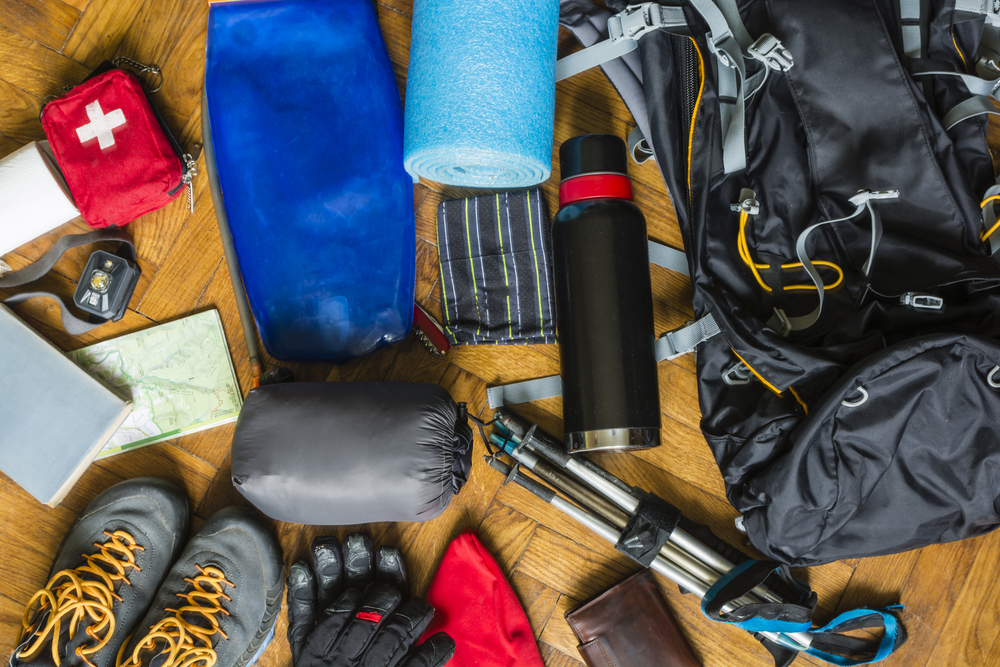
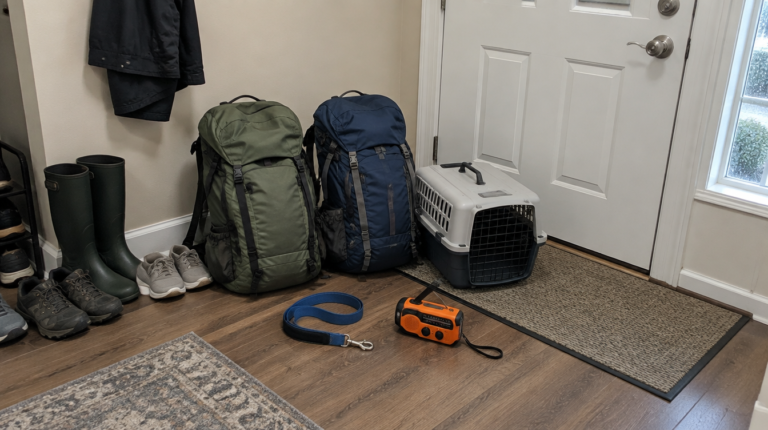
Before you ever head out into the wild, be sure your backpack contains the 10 essentials:
- Food
- Water (and purification tablets or filter)
- Lighter/Matches
- Pocket knife or Multi-tool
- Map & Compass
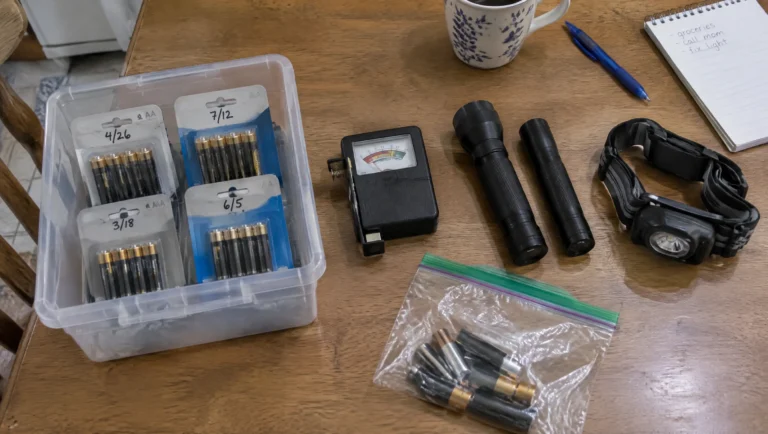
- Headlamp
- Sunglasses/sunscreen
- Raincoat
- Change of Clothes
- First Aid Kit (with powerful whistle)
These are non-negotiable and you should not leave for your trip without them under any circumstances. This may sound trivial, but know how to use them! What good is a multi-tool or a topographical map if you have never used either?
You should also alert at least one person to your whereabouts and when you expect to return home so that a search team knows where to look. When you head out, bring a fully charged cell phone with you. Your cell phone may not save you deep in the wilderness, but it’s worth a try.
When heading out on a long or challenging hike, start as soon as the sun rises. If you do get lost, you will (hopefully) still have plenty of daylight left as you try to find your way.
Be Observant
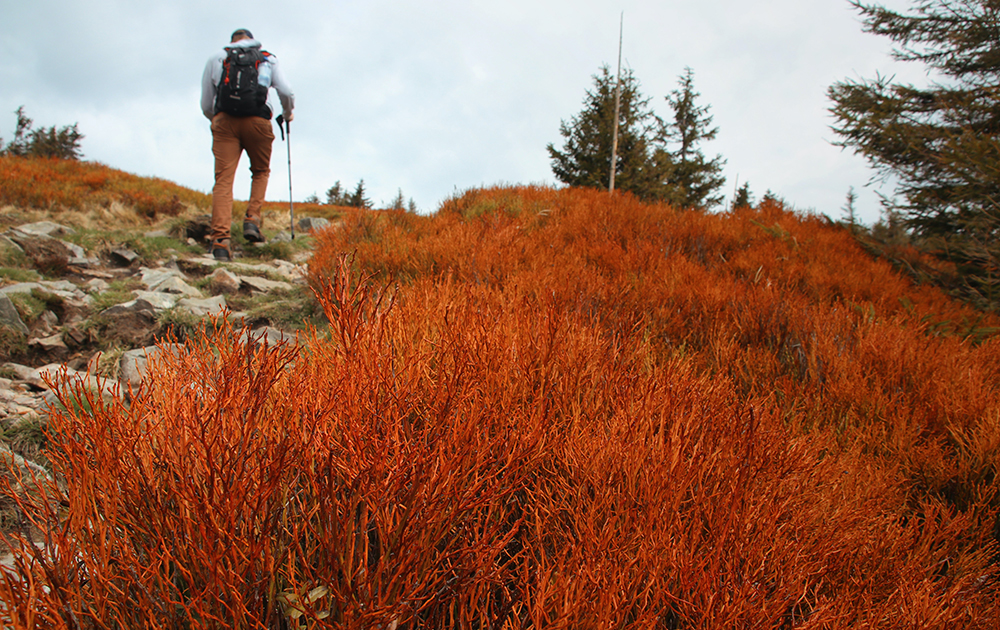
As you hike, take note of your surroundings. Take photos, even.
Look for landmarks and note how long sections of the trail take you to complete.
Leave behind your own landmarks that will catch your eye on the way back, like a small stack of stones or an odd branch pulled onto the trail.
8 Steps to Take If Lost in the Wild
If you’ve prepared as well as you could and still found yourself lost, follow these steps:
- Stop where you are. Instead of pushing ahead and possibly making things worse, sit down and drink some water. Eat a snack, and get any feelings of panic under control.
- Think about your situation and your options. If you have enough daylight left to attempt walking to safety, get moving while your energy is high. If you’re completely turned around, make heading downhill your focus.
- Make a plan. If people might hear your whistle, keep using it. If it’s getting dark, look for places to shelter for the night. Take stock of your supplies and decide your course of action.
- Take shelter. Leave yourself plenty of time to construct a small, sturdy shelter before it gets dark.
- Start a fire. A fire will keep you warm, keep bugs away, and can deter large predators. Take precautions so that the fire stays contained, and gather enough wood to keep it going.
- Find a water source. You won’t last long without fresh water, so find a source and stock up.
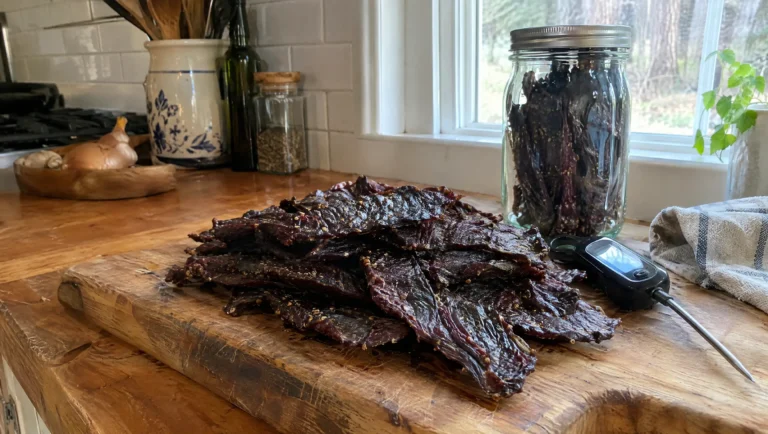
- Keep eating. Ideally, you packed plenty of granola bars, protein bars, and trail mix to keep you going for a few well-planned days. Use them to keep your strength up. If need be, start foraging – just be absolutely certain that any berries or plants that you ingest are safe to eat. There may be a lot of bushwhacking in your immediate future.
- Signal SOS. If you are losing hope of being found or finding your way out, seek out a large clearing. Build an SOS signal out of rocks or branches, whistle consistently, and hang any bright clothes you have from trees.
Keep in mind that in the lower 48 states, some form of roadway is always just a few miles away. Even in some of the larger national parks, you are rarely more than 20 miles from a road and rescue. If lost in the wild, keep your spirits up and stay fed and hydrated. Keep pushing through!
Have you or do you know someone who got lost in the wild? How did you/they survive? We’d love to hear from you in the comments!
Up Next: