Last Updated: March 2026
At a Glance: Building an Emergency Food Supply in 2026
- Stock shelf-stable basics: white rice, beans, pasta, canned meats, peanut butter, coconut oil, salt, sugar, and honey stored in food-grade buckets with Mylar bags and oxygen absorbers.
- Rotate your stockpile every grocery trip using the 2-minute rule: new items to the back, oldest to the front, full audit every spring.
- Avoid storing food in garages or on concrete floors where heat and moisture can cut shelf life in half.
Jump to:
- BEST EMERGENCY FOODS 2026
- BEST EMERGENCY FOOD STORAGE CONTAINERS
- HOW TO PROTECT YOUR FOOD SUPPLY
- EFFECTIVE PANTRY ROTATION SYSTEMS
- FREE STOCKPILE AUDIT CHECKLIST
It’s important to have a plan when it comes to your emergency food supply. Stocking up can be tricky, especially when considering all of the different aspects of your supply. From what to have to how to keep it, you need to be in the know when it comes to effectively preparing a food supply. Read on to get stocked up and ensure your family’s security!
What are the Best Emergency Foods to Store 2026
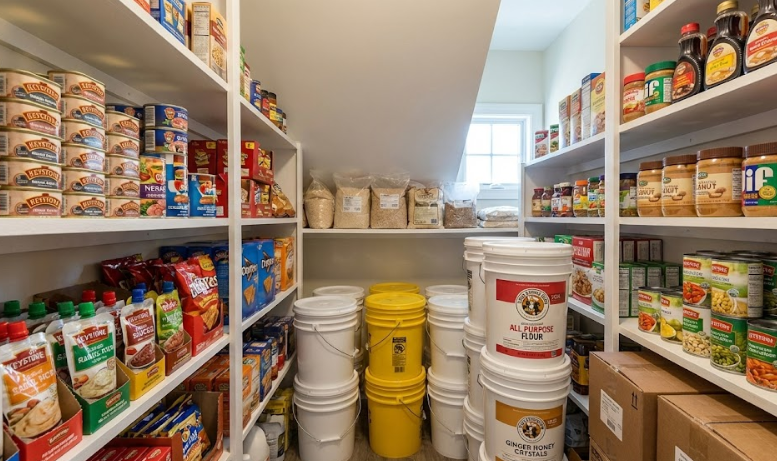
Selecting the right survival staples is the foundation of any disaster preparedness plan. Not all calories are created equal, and understanding the biological and chemical shelf life of your pantry is the difference between a viable resource and a pile of wasted money. This comprehensive list categorizes your essentials by how long they will remain safe and nutritious under proper storage conditions.
Survival Foods That Add Flavor & Comfort (10+ Years)
If stored properly, these can last almost indefinitely.
| Item | Value | Recommended Storage |
|---|---|---|
| Sea Salt | Electrolytes; meat curing. | Glass jar; airtight seal. |
| Raw Honey | Natural antibiotic; energy. | Original glass; cool/dark. |
| Liquor (Whiskey, Vodka, etc.) | Barter; medical disinfectant. | Upright; dark cabinet. |
Hard Grains (10–12 Years)
| Item | Value | Storage |
|---|---|---|
| Hard Wheat | Protein core. | Mylar + O2. |
| Buckwheat | Ancient grain. | Airtight pails. |
| Dry Corn | Meal/flour base. | Off concrete. |
| Spelt/Durum | Pasta base. | Cool/Dry. |
Soft Grains (8 Years)
Must be sealed without oxygen at 70 degrees.
| Item | Value | Storage |
|---|---|---|
| Barley/Rye | Soup texture. | No oxygen seal. |
| Oat Groats | Fiber fuel. | Airtight pail. |
| Quinoa | Full Protein. | Mylar sealed. |
Beans (8–10 Years)
| Item | Value | Storage |
|---|---|---|
| Pinto/Black | Comfort protein. | O2 absorber. |
| Lentils | Fast-cook. | Meal-sized Mylar. |
| Mung/Adzuki | Live vitamins. | Zero moisture. |
Flours, Mixes, and Pastas (5–8 Years)
| Item | Value | Storage |
|---|---|---|
| White Rice | Survival King. | Mylar + O2. |
| All-Purp Flour | Baking base. | Vacuum seal. |
| Pasta | Morale fuel. | Rodent proof. |
Oils & Other Survival Foods (2–5 Years)
| Item | Value | Recommended Storage |
|---|---|---|
| Coconut Oil | Stable survival fat. | Glass jar; dark. |
| Canned Tuna/Meats | Critical B12/Protein. | Rotate 24mo. |
| Canned Veg/Fruit | Vitamins/Fiber. | Cool pantry. |
| Peanut Butter | High cal-to-weight. | Under 70°F. |
| Coffee & Tea | Mental clarity. | Mylar sealed. |
| Powdered Milk | Calcium/Baking. | Airtight/Cool. |
| Herbs & Spices | Appetite fatigue. | Dark drawer. |
| Ramen Noodles | Fast energy/Cheap. | Rodent proof. |
| Hard Candy | Morale booster. | Zero moisture. |
Multi-Purpose & Non-Food Items
| Item | Value | Recommended Storage |
|---|---|---|
| ACV & Baking Soda | Clean/Probiotic. | Original tin/glass. |
| Honey | Wound care/Antibiotic. | Indefinite life. |
| Lighters & Fluid | Fire/Cooking source. | Dry bin; cool area. |
| TP & Soaps | Critical hygiene. | Airtight bags. |
| Bottled Water | Instant hydration. | Off concrete. |
| Vitamins & Meds | Health maintenance. | Dark/Cool area. |
| Bandages/Peroxide | Infection prevention. | Tactical kit. |
| Canning Supplies | Food preservation. | Zero-rust area. |
| Charcoal | Alternative fuel. | Bone dry storage. |
Emergency Food Kits
Aside from the emergency staples above, professional food kits serve as your “Zero-Prep” insurance policy. Opt for these when the desired outcome is high-speed nutrition without the need for high-heat cooking or complex water ratios. Including 25-year shelf-life items will be a lifesaver in case of rapid evacuations and during the chaotic first 72 hours of a crisis when your time is more valuable than your fuel.
| Item | Value | Recommended Storage |
|---|---|---|
| Freeze-Dried | 97% Nutrients; 25yr life. | Stackable buckets; mid-home. |
| Steel #10 Cans | Rodent/Flood protection. | Shelving; avoid concrete. |
| Individual Pouches | Mobile; 72hr grab-and-go. | Bug-out bag / Vehicle. |
| Bulk Pails | High calorie-per-dollar. | Cool/Dry pantry closet. |
READ MORE: The Best Emergency Food Storage Kits for a Family of 4 (2026 GUIDE)
What are the Best Survival Storage Containers for Emergency Foods

Once you have acquired your supplies, the vessel you choose to house them in becomes your first line of defense against decay. Many preppers make the mistake of leaving food in its original store packaging, which is often designed for marketing rather than long-term preservation. Utilizing the right combination of buckets, glass, and Mylar ensures that your investment stays protected from pests, moisture, and oxidation for years to come.
- Food-Grade Buckets: What actually holds up over time? These are the industry standard. When paired with Mylar bags and oxygen absorbers, they create a pressurized, nitrogen-rich environment that keeps bugs out and freshness in.
- Glass Jars: These are excellent for smaller items like sugar and salt. Glass provides a total oxygen barrier that plastic cannot match, though it must be kept away from light.
- Plastics: Be careful with standard storage bins. While great for Bic lighters and bandages, they are often “breathable” and will not protect food from humidity or rodents.
RELATED: Mylar Bags vs Vacuum Sealing: Which Method is Best for Long-Term Food Storage?
I ruined my first batch of emergency prep because I just threw the grocery store bags into a cheap plastic tote, and mice chewed right through them in a week. If you actually want your food to survive until an emergency, you have to pack it correctly the first time. Here is the exact combo of Mylar, buckets, and glass I use to lock out oxygen and pests completely:

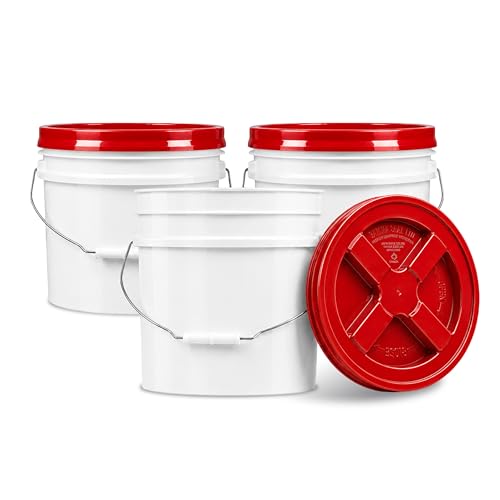

Last update on 2026-09-24 / Affiliate links / Images from Amazon Product Advertising API
How to Protect Your Emergency Food Supply from Heat, Light, and Moisture
Even the most expensive storage containers cannot protect your food if the external environment is working against you. Temperature fluctuations and high humidity are the silent killers that cause nutrients to degrade and fats to go rancid long before their expiration dates. By learning more about the effect of heat, moisture, and light on staples, you can potentially double the lifespan of your emergency stash.
- Heat: This is the #1 enemy. Store food in a basement or the center of your home. Avoid garages, as the heat can turn your “10-year” grains into “2-year” waste.
- Moisture: Humidity leads to mold. Never store your food buckets directly on concrete floors (which “sweat”); always use a pallet or shelving.
- Light: UV rays destroy the nutritional value of your food and turn oils rancid. Keep your storage area pitch black whenever possible.
Effective Stockpile Rotation Schedule
Maintaining a stockpile is a dynamic process that requires consistent oversight to ensure your family’s security remains intact. Establishing a predictable schedule allows you to audit your supplies, check seals, and update your inventory without feeling overwhelmed.
| Frequency | Tactical Priority | Required Task |
| Weekly | The 2-Min Rule | Rotate new groceries to the back; pull old stock to the front. |
| Monthly | Meds & Water | Check dates on medicines and update your water supply. |
| Quarterly | Heat Check | Ensure storage temperatures haven’t spiked above 75°F. |
| Annually | The Master Reset | Full audit: check seals on buckets and inspect for pests. |
The 2-Minute Rotation Rule: How to Keep Your Emergency Food Supply Fresh
The 2-Minute Rule is a high-speed maintenance habit designed to eliminate the risk of “aging out” your supplies by ensuring your oldest emergency items are always the next ones in line for use. Perform this 120-second reset every time you return from a grocery run to keep your emergency stock in a permanent state of flux:
- Back-Fill (New Stock): Place all newly acquired items at the very back of your storage row.
- Front-Load (Old Stock): Slide the oldest existing items to the front edge of the shelf.
- The Consumption Loop: Pull your “everyday” meals from the front of the stockpile first.
The Result: You effectively “eat your way through” the dates, replacing used staples with fresh stock so your emergency reserve is never more than a few months old
FREE Fridge-Ready Stockpile Checklist
Our FREE Emergency Food Audit Checklist fits on one page. Pin it to your pantry door and run through it next time you check supplies.
FAQs
What foods should I stockpile for emergencies? Focus on shelf-stable basics: white rice, dried beans, pasta, oats, canned meats, peanut butter, salt, sugar, honey, and coconut oil. These cover nutrition, calories, and morale. Add powdered milk, coffee, and hard candy for comfort.
What’s the best container for long-term food storage? Food-grade buckets lined with Mylar bags and oxygen absorbers. This combo creates an airtight, pest-proof, moisture-resistant environment that extends shelf life up to 10 to 25 years for dry goods. Glass jars work best for sugar, salt, and honey.
How often should I rotate my emergency food supply? Rotate every time you grocery shop. Pull older items to the front, put new stock in the back. Do a full audit each spring to check seals, expiration dates, and signs of pests or spoilage.
What emergency foods spoil faster than expected? Brown rice, vegetable oils, whole wheat crackers, and nuts go rancid within 6 to 12 months due to high oil content. Stick to white rice and coconut oil for longevity.
What if I don’t have enough fuel to cook my stockpile? Dry beans and hard grains need 45+ minutes of boiling. If fuel is limited, stock quick-cook alternatives: lentils, couscous, instant oats, and parboiled rice. These prep in under 15 minutes.
QUICK POLL: The grid goes down. Are you sharing your emergency food with unprepared neighbors, or locking the doors and keeping quiet?
Drop your vote, then tell us what you think in the comments. When things go south, do you help the neighborhood or protect your own? Let’s hear your strategy.”