
Earthquake preparedness tips only help if you act before the shaking starts. For a homeowner, that comes down to 3 jobs: fix the hazards in your house, practice Drop, Cover, and Hold On, and keep supplies ready for the days after.
A quake gives no warning, so you can’t leave early or wait for an alert. What’s bolted down, stocked and practiced is what protects your family.
The 5 hazards below take about an hour to check. One of them hides in most garages. It’s number 4.
At a Glance: Earthquake Preparedness Tips for Homeowners
- Fix hazards: Anchor tall furniture, strap the water heater, and move heavy items to low shelves.
- Plan: Everyone knows where to take cover and where to meet afterward.
- Kit: Stock a 72-hour kit with water, food, first aid, light, and basic tools.
- During: Drop, Cover, and Hold On. Don’t run outside and don’t stand in a doorway.
- After: Expect aftershocks. Check for gas leaks, electrical damage, and structural hazards.
As an Amazon Associate I earn from qualifying purchases. Survival Life earns a commission if you buy through the Amazon links on this page, at no extra cost to you. It doesn’t change what we recommend or the order we recommend it in.
Related: How To Survive an Earthquake
Why earthquake preparedness matters
Unlike a storm, an earthquake gives you no time to get ready. You can’t evacuate ahead of it. You can only rely on what you did last month.
That means 3 things:
- Securing your home ahead of time
- Knowing exactly what to do when shaking starts
- Having supplies ready when help may be delayed
Preparedness isn’t about fear. It’s about control, and it starts with the hazards in your own house.
Earthquake preparedness tips before the shaking: find the 5 hidden hazards
If a quake hits, your home can be a shelter or a trap. Use this 60-minute audit to find the risks and fix them first.
1. The fire hazard: damaged gas lines
Fires can start after a quake when gas lines break and something sparks. If you smell gas or hear hissing, you have seconds to act.
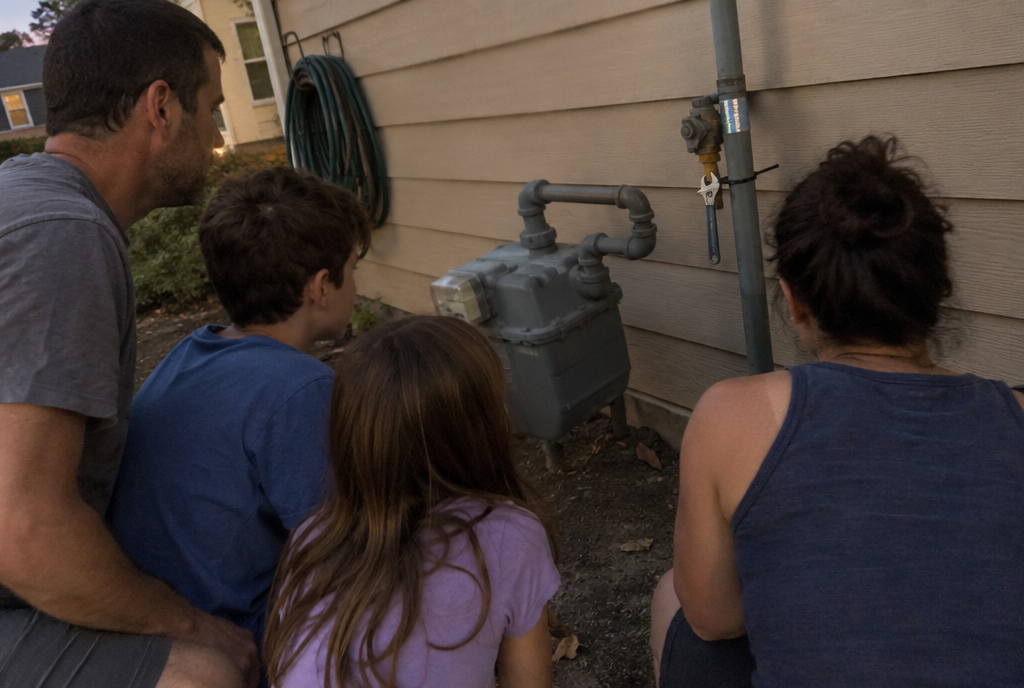
Learn your utilities. Find your main gas shut-off valve today. Zip-tie a dedicated 12-inch wrench to the pipe and mark the valve with reflective tape, so you can find it in the dark. Only close the valve if you smell gas or hear hissing. Once it’s closed, call your gas utility to turn it back on.
2. The tip-over trap: unsecured heavy furniture
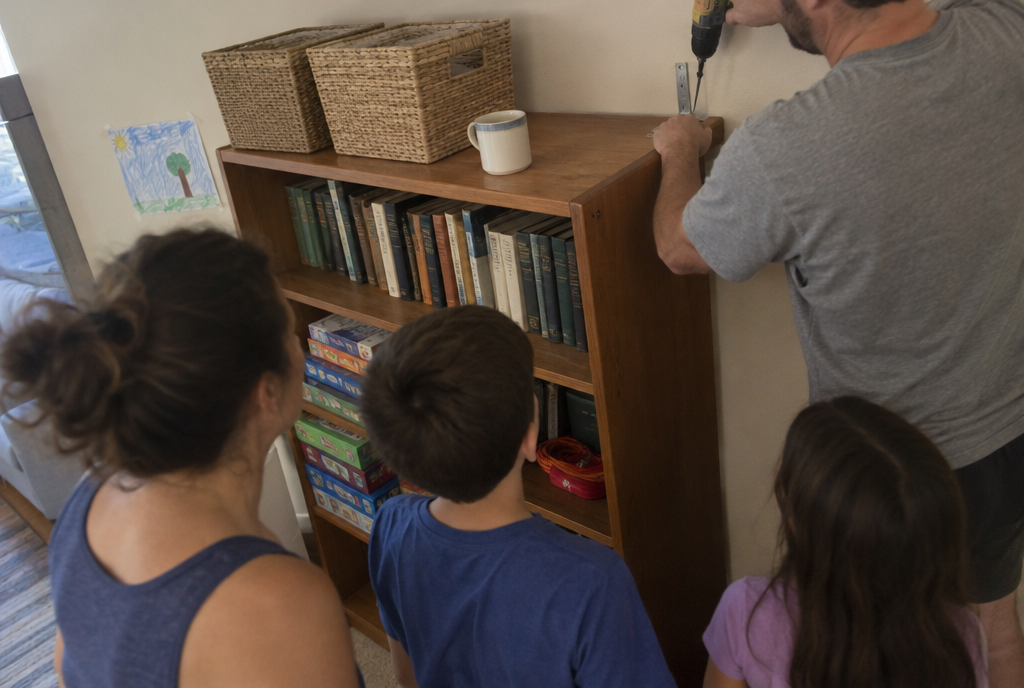
Tall bookcases, dressers and armoires can fall on anyone nearby, or pin you inside a room.
Secure the anchors. List every tall piece of furniture in your bedrooms and hallways. Bolt each one to a wall stud with steel L-brackets or nylon straps. Drywall alone won’t hold. Then move the heaviest items to the lowest shelves.
3. The glass threat: shatter zones
Window glass can break into sharp shards that fly across a room.
Shield your windows. Check any area within 6 feet of a window where people sleep or sit. Apply safety film to those windows, and move beds away from the glass if you can.
4. The garage threat: overhead storage and the water heater
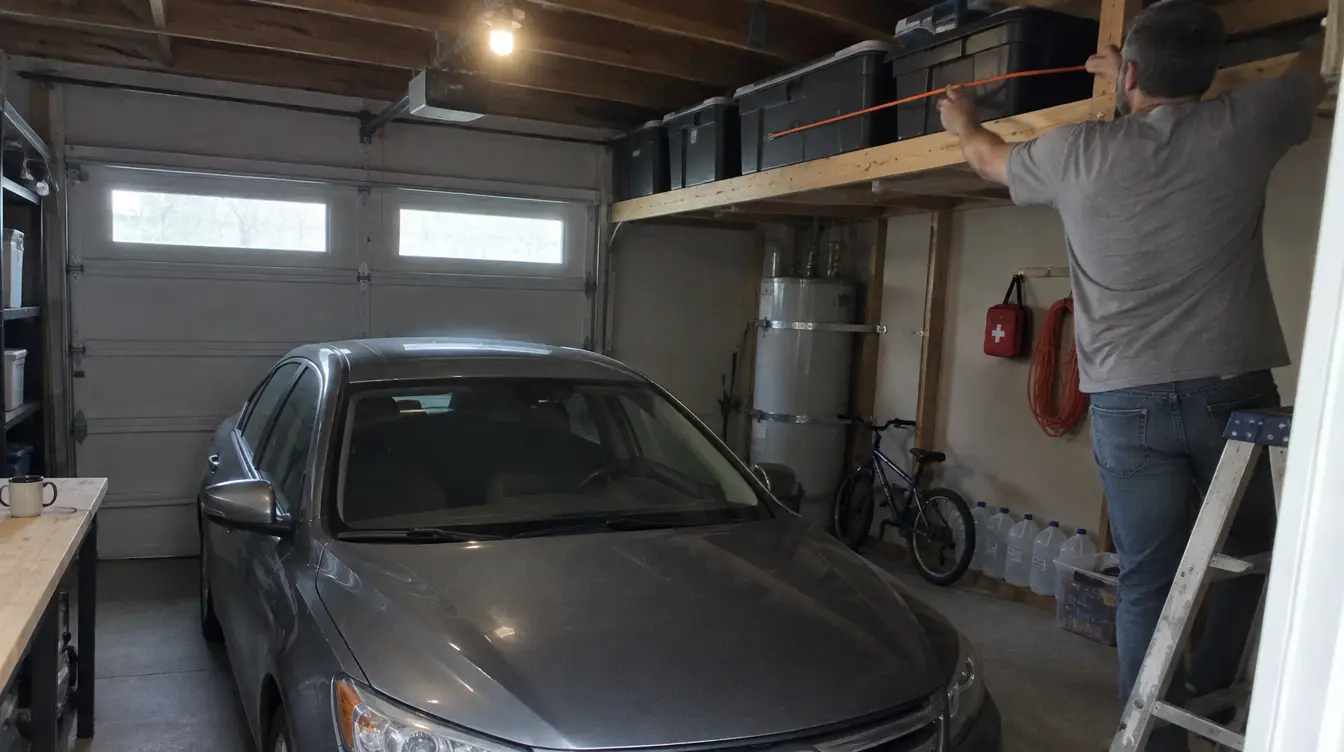
Many garages hold heavy bins and tools on rafters right above the cars. In a quake they can fall onto the vehicle you need to leave in. The water heater is the other big one. A tipped heater can break its gas and water lines.
Inspect the garage. Walk the rafters and check for loose storage. Lock overhead bins in place with netting or strong bungee cords, and move heavy tools like floor jacks and saws to low shelves. Then strap the water heater to the wall studs with a seismic strap kit.
5. The exit trap: appliances that walk
Heavy appliances like refrigerators and washers can shimmy across the floor during shaking. If one slides in front of a door, it can block your way out.
Clear your escape. Leave a gap around your fridge and stove so they can’t slide in front of a doorway, and keep hallways free of furniture that could tip into your path.
Room-by-room anchor list
You don’t need to anchor everything. Start with the items that could hurt someone where they sleep or gather.
- Living room: bookcases and display shelves, TVs and entertainment centers, wall-mounted mirrors and artwork.
- Kitchen: the refrigerator, tall pantries and storage cabinets, and overhead cabinets that hold heavy dishes.
- Bedrooms: dressers and wardrobes, shelves near beds, and lamps or mirrors mounted above head height.
- Garage: the water heater, tool racks and storage shelving, and freezers or upright cabinets.
Anchor the heaviest items first.
Build an earthquake emergency kit
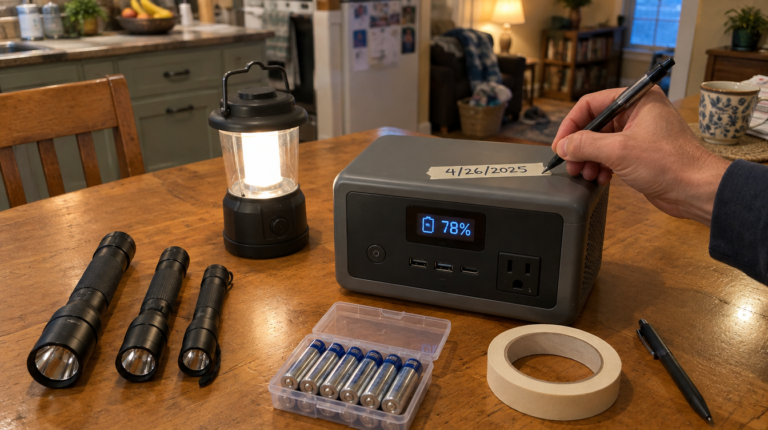
After a major quake, emergency services may be overwhelmed for days. Plan to look after your family for at least 72 hours: water, food, first aid, light, batteries, and copies of key documents.
Water comes first. Store at least 1 gallon of water per person per day for several days. Also keep a way to make questionable water safer to drink if your supply runs short. A personal filter like the LifeStraw below can help, but check what it removes before you rely on it. Filters differ on viruses and chemicals, so treat it as a backup to stored water, not a replacement.
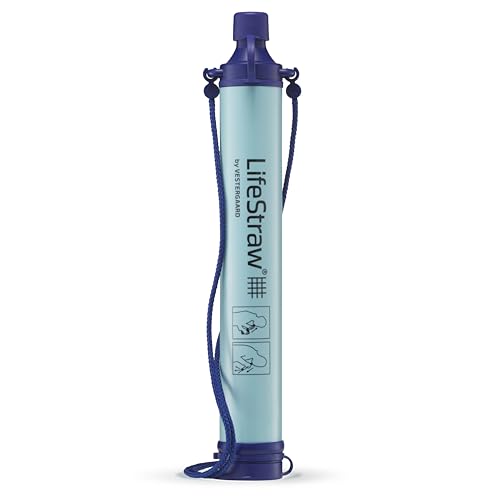
- Removes Bacteria & Parasites: The Microfiltration Membrane Removes 99.999999% of Waterborne Bacteria (Including E. Coli and...
- Removes Microplastics: Removes the Smallest Microplastics Found in the Environment (Down to 1 Micron), and Reduces Turbidity...
Last update on 2026-11-23 / Affiliate links / Images from Amazon Product Advertising API
These cheap hardware items cut injuries and damage:
- Furniture anchoring straps and brackets
- Water heater seismic straps
- Cabinet safety latches
- Flexible gas line connectors, installed by a licensed pro
- Non-slip shelf liners
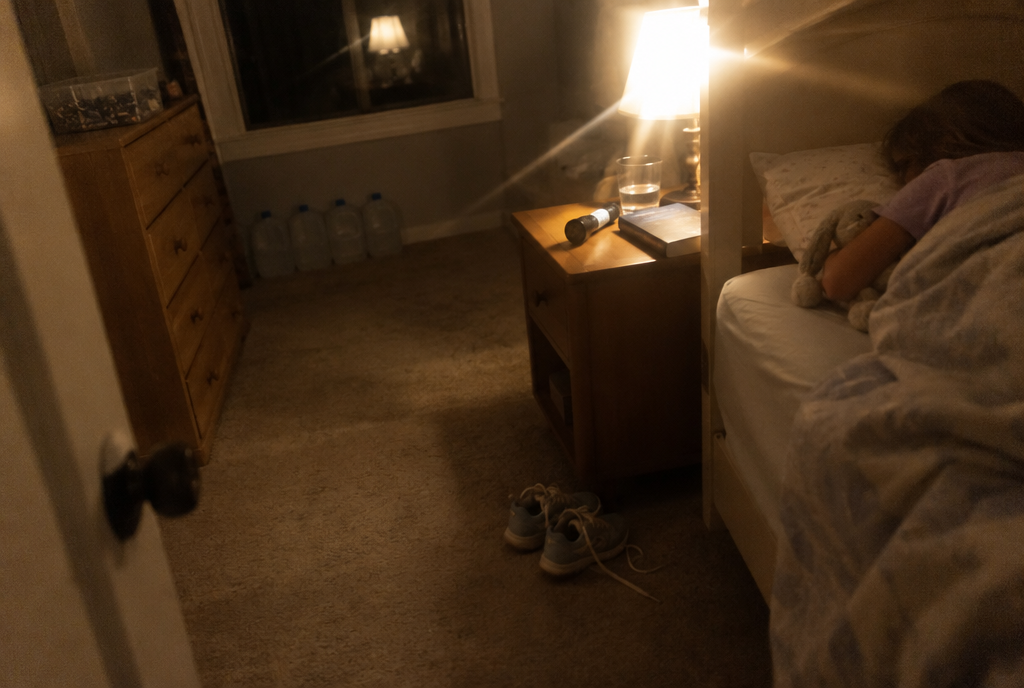
- A flashlight or headlamp and sturdy shoes by every bed
Hardware is a one-time job. It pays off every time the ground shakes.
Earthquake preparedness tips during the shaking
When the shaking starts, your only goal is to protect yourself right away.
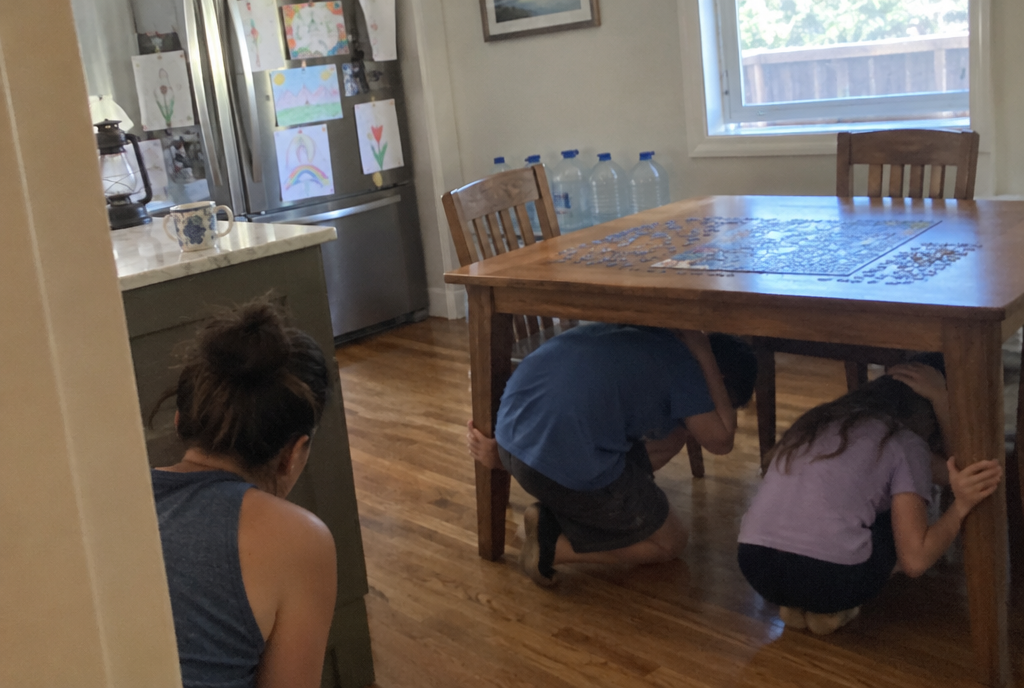
Drop, Cover, and Hold On
- Drop to your hands and knees so the shaking can’t knock you over.
- Cover your head and neck under a sturdy table, or against an interior wall.
- Hold on to the table leg. Furniture can move, and you need to move with it.
If there’s no table, crouch low, cover your head and neck with your arms, and stay away from windows and tall furniture. Doorways aren’t safer. Running outside raises your risk of getting hurt.
If you’re in bed
Stay where you are, cover your head with a pillow, and hold on until it stops. Falling objects and broken glass are a bigger risk than staying put.
If you’re outside or driving
- Move away from buildings, power lines and trees.
- If you’re driving, pull over, stop, and stay in the vehicle.
- Avoid bridges and overpasses if you can.
Earthquake preparedness tips after the shaking
The danger doesn’t end when the shaking stops.
Watch for aftershocks
Aftershocks can cause more damage. Stay alert, stay out of damaged buildings, and be ready to Drop, Cover, and Hold On again.
Utilities shutoff mini guide
- Gas: turn it off only if you smell gas or hear hissing. Use a wrench to turn the valve a quarter turn, so it sits crosswise to the pipe. Don’t turn it back on yourself. Call the utility company.
- Water: shut it off if pipes are broken or the water may be contaminated. The main shutoff is usually near the street or where the line enters the house.
- Electricity: shut it off if you see sparks, damaged wiring, or flooding near outlets. Stand to the side and look away when you flip breakers.
Learn these before the quake. Hesitating costs seconds you won’t have.
Communicate smartly
Phone networks may be overloaded. Text instead of calling, check in briefly with family, and listen to a battery-powered radio for updates.
More earthquake preparedness tips for homeowners
- Learn how to shut off your gas, water and electricity.
- Ask your insurance agent about earthquake coverage. Standard homeowners policies usually don’t cover quake damage.
- Keep sturdy shoes and a flashlight near your bed.
- Store basic tools for repairs and debris cleanup.
Prepared homeowners recover faster, physically, financially and emotionally.
Looking for more? Read our earthquake survival tips.
Report a life-threatening emergency
If someone’s life is in danger, call for help. Cell and landline systems may be jammed, so send a text message. Texts take less bandwidth and may get through when calls can’t.
Watch this video to see what you need in the event of an earthquake.
Two printables help you audit your property and lock down your readiness today:
DOWNLOAD THE FREE 60-MIN EARTHQUAKE HOME HAZARD CHECKLIST
DOWNLOAD THE EARTHQUAKE PREPAREDNESS CHECKLIST
Frequently asked questions
Secure heavy furniture, make a family plan, stock a 72-hour kit, and practice Drop, Cover, and Hold On. The first three happen before the quake. The last one saves you during it.
Fix the hazards, store supplies, and run a drill. Anchor furniture, strap the water heater, find your gas shutoff, pick a safe spot in each room, and practice with everyone in the house.
Drop to the ground, cover your head and neck, and hold on until the shaking stops. Get under a sturdy table if one is close. Don’t run outside, because falling debris is the bigger danger.
Check yourself and others for injuries, then check for hazards. Watch for aftershocks, look for gas leaks and electrical damage, stay out of damaged buildings, and text instead of calling if phone lines are down.
At least 72 hours. Pack water, food, first aid, flashlights, batteries and copies of key documents. If you live in a high-risk area, stock more.
Do one thing today
Walk to your gas meter and find the shut-off valve. Zip-tie a wrench next to it and put a strip of reflective tape on the valve. It takes 5 minutes, and it’s the job you’ll be glad you did first.
Quick poll: Which earthquake job will you do first this weekend?
What would change your answer: renting, kids, the garage, or cost? Tell us in the comments.
Paid link. Survival Life earns a commission if you buy through it, at no extra cost to you.
Ultimately, you want to be equipped to handle any disaster before it happens. Here’s how.