
The Get-Home Bag Summary at a Glance:
- A get-home bag (GHB) is a compact kit that helps you return home within 24–48 hours during a disruption.
- It serves travelers, commuters, and parents who want a low-profile safety net away from home.
- Use it when transport or communications fail, and your route is walkable within one to two days.
- It is lighter than a bug-out bag and supports one trip back home.
Travel plans don’t always happen as scheduled. Flights divert. Trains stop. Roads close without warning. When you are away from home during the holidays and normal transportation is unavailable, a small, well-planned kit turns a long night into a manageable trip. This guide defines a get-home bag, shows when to use it, and outlines a simple build you can finish in one evening.
What Is a Get-Home Bag?

A get-home bag is a small, discreet kit that covers the essentials for traveling back home within 24–48 hours when normal services fail. The focus is on warmth, light, water, basic calories, navigation, first aid, and a way to keep a phone working.
Pack weight targets:
- Adults: 10–15 lb
- Children: at or below 10% of body weight
Keep the bag plain and unremarkable. The goal is to blend in, move steadily, and arrive home safely.
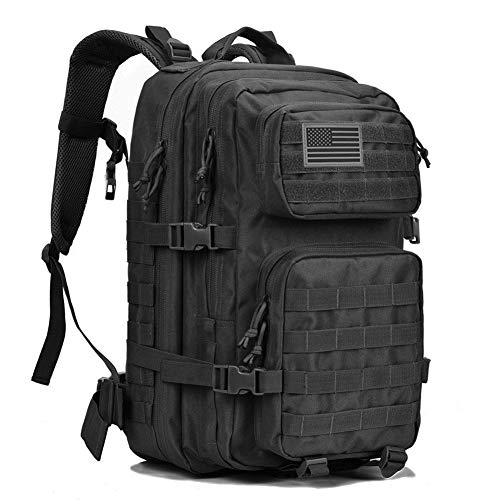
- Military Tactical backpack size approx.:13"*20"*11" / 33*50.5*28CM (W*H*D),Capacity: 40L; Military backpack is made of high...
- Molle tactical backpack has molle system, Molle webbing throughout for attaching additional tactical pouches or gear as 3 day...
Last update on 2026-10-21 / Affiliate links / Images from Amazon Product Advertising API
(As an Amazon Associate, we earn from qualifying purchases.)
Get-Home Bag vs. Bug-Out Bag: What’s the Difference?
A GHB gets you home once. A BOB helps you move away from home for several days. Use the right tool for the mission.
| Feature | Get-Home Bag (GHB) | Bug-Out Bag (BOB) |
|---|---|---|
| Mission | Return home quickly | Evacuate to a safer location |
| Duration | 24–48 hours | 72 hours to several days |
| Loadout | Lightweight, commuter-friendly | Heavier, includes shelter and cooking |
| Look | Plain daypack or sling | Full backpack with visible gear |
| Movement | Foot, transit, rides | Vehicle plus foot |
| Scenarios | Power outages, diverted flights, gridlock | Wildfire, chemical spill, ordered evacuation |
Even if you stage a BOB at home or in the car, the GHB still matters on days you are far from that gear.
When Do You Get to Use a Get-Home Bag?
Use a GHB when at least two of the following conditions are true:
- You are away from home
- Current transport is unreliable
- Communications are down
- The weather is hostile
- The distance to home is walkable within one to two days
Decision flow:
- Try to arrange a safe ride for up to two hours. If none appear, plan to walk.
- Estimate your pace. In winter conditions, plan on 8–12 miles per day on flat ground.
- Move only when you have a map, light, water, and basic warmth. If any of those are missing, fix them first.
No products found.
Core Get-Home Bag Contents (24–48 Hours)
This section lists what one adult needs for one to two days of travel back home. Most households own many of these items. Buy only what fills the gaps.
Pack count discipline: limit the core to 10 items per adult. Add at most 5 seasonal or travel-specific items.
Get-Home Bag Core 10 Items for Adults:
- Warmth set: beanie, liner gloves, compact mid-layer, rain poncho, or heat sheet
- Light and power: headlamp 200–400 lm, 10,000 mAh power bank, charging cable
- Water kit: 1–2 liters carried, water treatment tabs, or a small filter
- Food: three energy bars per day, electrolyte tabs
- Navigation: printed map, simple baseplate compass, offline maps on phone
- First aid and meds: compact kit, blister care, pain reliever, personal meds for 24–48 hours
- Admin: emergency contact card, small cash, copies of IDs
- Tools mini roll: whistle, small roll of tape, 25–50 ft cord
- Hygiene mini: hand sanitizer and tissues
- Spare socks: one dry pair

Get-Home Bag Core Items for Kids (choose up to six)
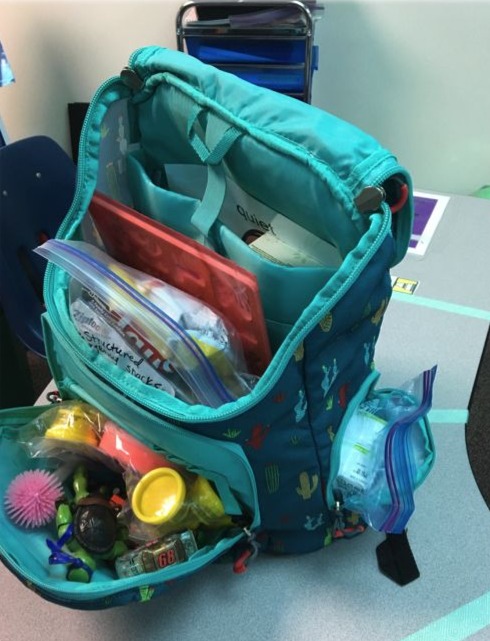
- Spare socks and mittens in a labeled zip bag
- Comfort item, such as a small plush or coloring page
- Snack pair bagged by a child
- Child ID card and guardian contact card
- Lightweight blanket or heat sheet
- Simple whistle rule: three short blasts if separated
For elderly travelers, pick the most relevant three or four items:
- Extra medications and a small pill organizer for 24–48 hours
- Spare glasses
- Easy-open snacks and a small leakproof water bottle
- Rubber traction add-ons, if needed
For Pets
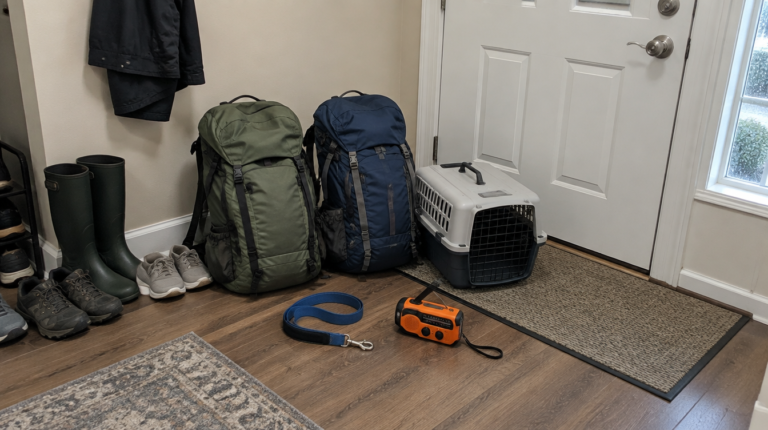
- Collapsible bowl
- One to two days of pet food stored in a sealed bag
- Leash and waste bags
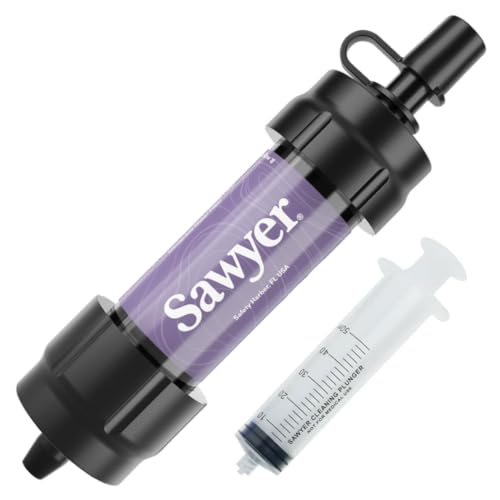
- Ideal for outdoor recreation, hiking, camping, scouting, domestic or international travel, and emergency preparedness
- High-performance 0.1 micron absolute inline filter fits in the palm of your hand and weighs just 2 ounces; 100% of MINI units...
Last update on 2026-10-21 / Affiliate links / Images from Amazon Product Advertising API
Cold-Weather Modifiers
Cold weather slows walking speed and increases energy use. These adjustments help maintain comfort and clear thinking.
- Insulated bottle or sleeve to protect water from freezing
- Neck gaiter, warmer gloves over liners, wool socks
- Packable synthetic puffy or fleece mid-layer
- Electrolyte tabs to maintain hydration in cold air
- Reflective armband or small clip light for early dusk

Rule of thumb: When traveling, plan 8–12 miles per day in winter on flat ground. Ice, hills, or deep snow reduce this number.
Travel-Safe and Legal Carry
Holiday travel adds rules that affect what you can carry. Use these swaps to stay compliant without losing core capability.
Carry-on only
- Remove blades, fuel canisters, fire starters like ferro rods, and sprays
- Pack a USB-rechargeable headlamp, a metal whistle, a space blanket, compression socks, snack bars, and a collapsible bottle
Checked luggage only
-
Knife or multi-tool with blade, ferro rod, pepper spray, where legal
Ground travel
-
Laws vary by state and city. Check restrictions on knives and defensive tools at your origin, layovers, and destination.
Disclaimer: This guide is for general preparedness. It is not legal advice. Check airline policies and local laws before you travel.
Route Planning

Route planning reduces backtracking when roads close or transit stops. Prepare routes before you need them and keep both printed and offline copies.
- Pre-plan two routes home from work, school, and your most used airport
- Mark safe stops such as hospitals, transit hubs, 24-hour stores, and friends
- Print the maps and keep a copy in the bag
- Store the same routes offline on your phone
Simple distance matrix
| One-way miles | Winter pace (mi/day) | Pack for |
|---|---|---|
| 6–10 | 10–12 | 1 day |
| 11–18 | 8–10 | 1–2 days |
| 19–24 | 8 | 2 days |
Note: Adjust your actual distance for elevation, weather, fitness, and the presence of sidewalks.
Pack Fit and Weight Targets
A comfortable pack helps you move steadily.
- Adults: 10–15 lb total
- Children: at or below 10% of body weight
- Place heavier items high and close to the back panel
- Avoid noisy gear and bright interiors that reveal contents
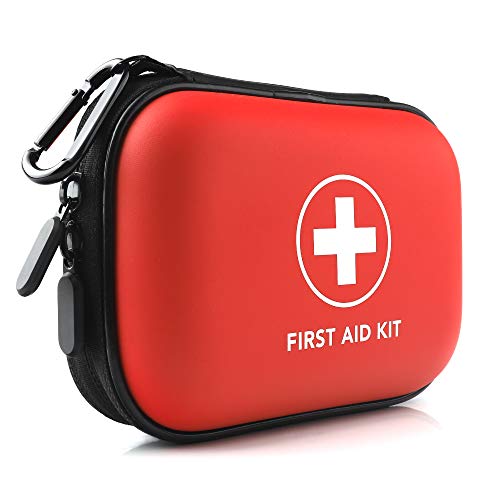
- FULLY PACKED ▶ Everything you need is in a small kit! Fully packed with 100 pieces useful and valuable first aid supplies...
- CERTIFICATED ▶ All our products are with international certifications to ensure compliance with global standards wherever...
Last update on 2026-10-21 / Affiliate links / Images from Amazon Product Advertising API
Get-Home Bag Configurations: Good, Better, Best (Budget and ROI)
Build with what you own, then upgrade the weakest link.
| Component | Good (budget) | Better (value) | Best (premium) |
|---|---|---|---|
| Headlamp | 200 lm, AAA, 4 h on Medium | 300 lm, USB-C, lockout | 400 lm, cold-rated, 8 h on Medium |
| Mid-layer | Lightweight fleece | Packable synthetic puffy | Higher-loft puffy, water resistant |
| Poncho/Shelter | Basic rain poncho | Taped-seam poncho, 6+ grommets | Tarp-capable poncho with guyline kit |
| Water | 1 L bottle + tabs | 1.5 L insulated + tabs | 2 L + compact filter + tabs |
| Power | 5,000 mAh bank | 10,000 mAh bank | 10–20k mAh, cold tolerant |
| Food | 3 bars per day | 3 bars plus nut mix | Higher calorie bars with balanced salts |
| Navigation | Printed map | Map + baseplate compass | Map + compass + clipped route card |
| First Aid | Bandages, tape | Add blister kit, meds | Add trauma gauze, gloves |
Upgrade path: cover basics first. Replace the single weakest item next.
Proof-First Checks
Short tests prevent surprises.
- Runtime test: charge the headlamp and run it on Medium for 30 minutes outdoors
- Glove test: operate zippers, phone, and headlamp while wearing winter gloves
- Poncho test: set up a simple A-frame shelter in five minutes
- Water test: Treat one liter with your chosen method and time it
- If a test fails, replace the item or adjust your method. Note the results on a small route card.
Family-Safe Additions to Your Get-Home Bag
The following additions support children, caregivers, and dependents during delays and unplanned walks.
- Spare child socks and mittens in a labeled zip bag
- Comfort item, such as a small plush or coloring page
- Contact plan card with two out-of-area contacts
- Photos of IDs and medical info stored offline on your phone
- Clear whistle rule for kids: three short blasts if separated
Quick Drills and Maintenance
Simple routines keep the kit ready.
- Quarterly 15-minute check: charge the power bank, rotate snacks, refresh meds, update maps
- Seasonal swap: adjust layers and sun protection
- After any use: restock within 24 hours
Set a calendar reminder so this happens without guesswork.
Check Your Get-Home Bag Readiness With This Printable 24–48 Hour Checklist
Use this checklist to pack or audit your kit. Check each item and adjust quantities to your route and climate.
Pack
☐ Plain backpack (20–25 L)
☐ Beanie, liner gloves, mid-layer, rain poncho, or heat sheet
☐ Headlamp and charging cable
☐ Power bank 10,000 mAh
☐ 1–2 L water and treatment tabs
☐ 3–6 energy bars and electrolytes
☐ Printed map and compass
☐ First aid kit and personal medications
☐ Whistle, tape, cordage
☐ Small cash, ID copies, contact card
☐ Phone with offline maps
Cold-weather addition
☐ Hand warmers (2)
☐ Wool socks
☐ Neck gaiter
☐ Packable puffy
☐ Reflective armband or clip light
Travel-safe swaps (carry-on)
☐ Remove blades, fuel, sprays, and fire starters
☐ USB-C headlamp, space blanket, compression socks
☐ Place restricted items in checked luggage where legal
Get Your Family Home Safe With Your Get-Home Bag
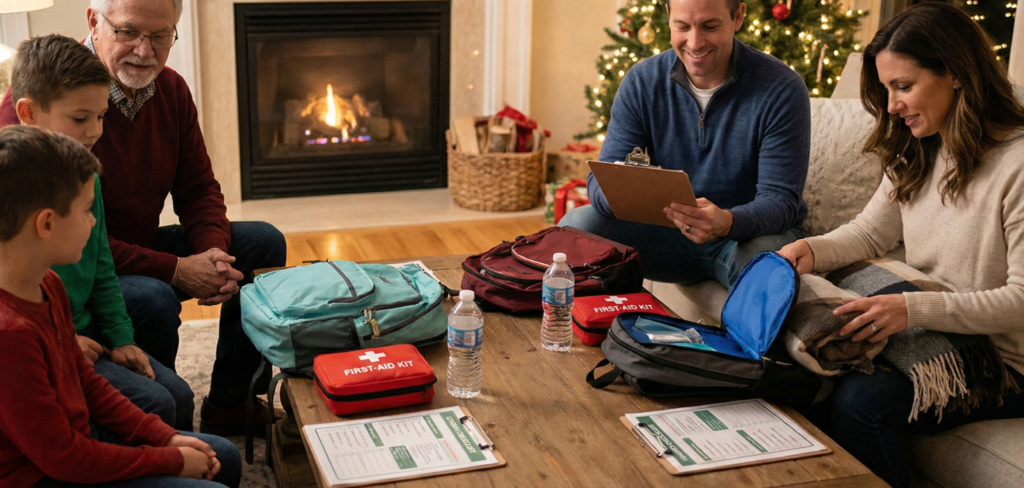
A get-home bag is a simple tool that takes pressure off your family when travel plans change. Keep the focus on the basics, keep the weight within the targets, and put the bag where you can reach it before you leave. If you found gaps while reading, set aside twenty minutes to fill them with items you already own, then add the few remaining pieces. When you are ready, use the checklist above to finalize your kit and download the printable version so packing and refreshes stay easy.
FAQs
- What is a get-home bag?
It’s a compact 24–48-hour kit that helps you return home during a disruption. It is lighter and more discreet than a bug-out bag. - How is it different from a bug-out bag?
A GHB returns you to your home. A BOB moves you away from home for several days and includes shelter and cooking gear. - How heavy should it be?
Aim for 10–15 lb for most adults and at or below 10% of body weight for children. - Can I fly with a get-home bag?
Yes, with carry-on safe swaps and restricted items in checked luggage where legal. Always confirm airline rules and local laws.
Responsible Use and Safety
This content is for general preparedness and education. Do not violate local laws. Watch weather conditions, avoid risky routes, and use judgment at each step.