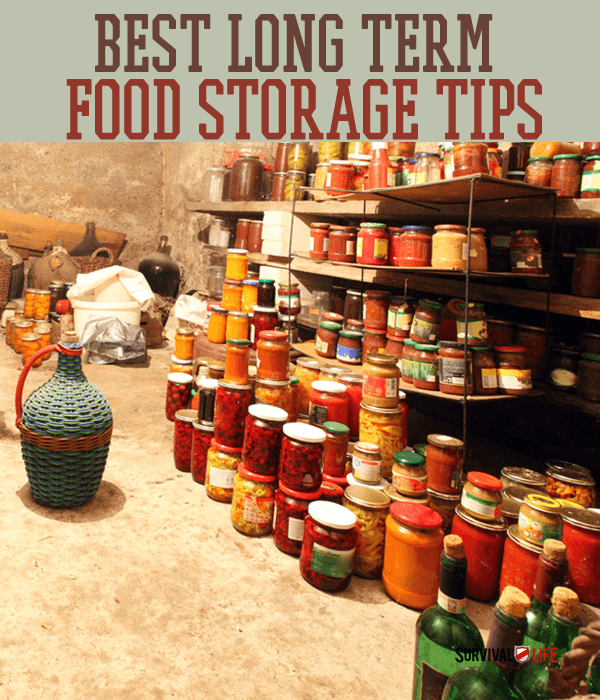

Proper food storage is a tricky business, but an integral part of long term survival. If you have the right food storage container in the wrong conditions, or the wrong container in the right conditions, everything can go awry. Knowing how to properly store your food can prevent food-borne illnesses and bacteria, freezer burns, and premature spoiling of food.
There are so many factors to consider when storing your food, but let’s start with a few essential food storage containers:
Flip Tite Canisters
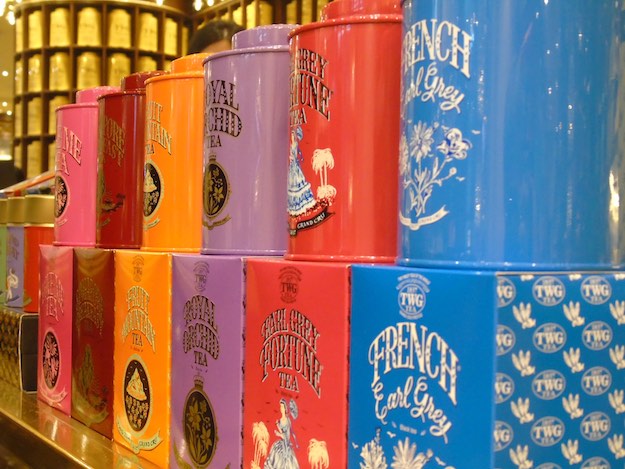
These stackable containers are perfect for your food storage, as they efficiently use your storage space. The lids provide an airtight seal to keep your perishable foods fresh.
Ball Mason Jars
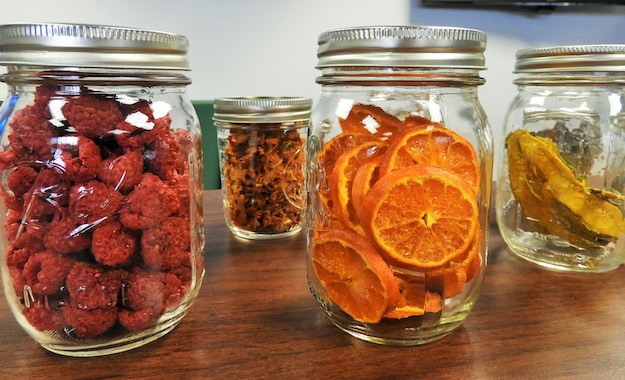
There is a reason these glass food storage jars have been used for over a hundred years. The rubber ring on the inside of the lid seals onto the rim of the jar during processing. Mason jars are great for both dry foods and canning.
Mylar Bags
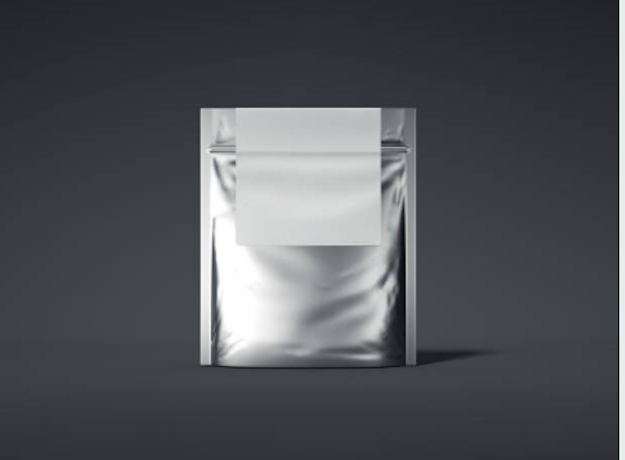
Mylar storage bags create an oxygen barrier to protect food for long term food storage. They can also be heat sealed, to keep for an extended period of time.
Pill Bottles
Reusing and recycling these empty pill bottles provides great storage for medicine, vitamins and herbs. Just be sure to dispose of the contents first!
Long Term Food Storage Tips
Now that you know what food storage containers to use, maximize the lifetime of your food supply with these tips:
- Keep food in dark, dry, cool areas.
- Wrap perishable foods tightly in plastic bags or sealed containers
- Throw out cans that are swollen, dented, corroded or outdated.
- Place new supplies in the back of storage and older items in the front to avoid spoiling any food.
- Label everything with the date it was purchased and date it will expire.
- Empty all open packages into an airtight container.
- First, use perishable food from the refrigerator, pantry, or garden. Then, you may use foods from the freezer.
- To limit the number of times you open the freezer door, post a list of freezer contents on it.
See more storage tips at FEMA.
Food Storage Lifeline
Check out this infographic on how long each storage method keeps your food fresh:
Want more food storage tips? Check out these articles:
How to Guide to Canning | Canning Jars
Long Term Food Storage – Our Favorite Dehydrator
5 Food Storage Lies You’re Being Spoon Fed Right Now
Like this post?Be sure to like us on Facebook so you can be the first to know about latest survival tips and off the grid living skills.