
Last Updated: June 2026
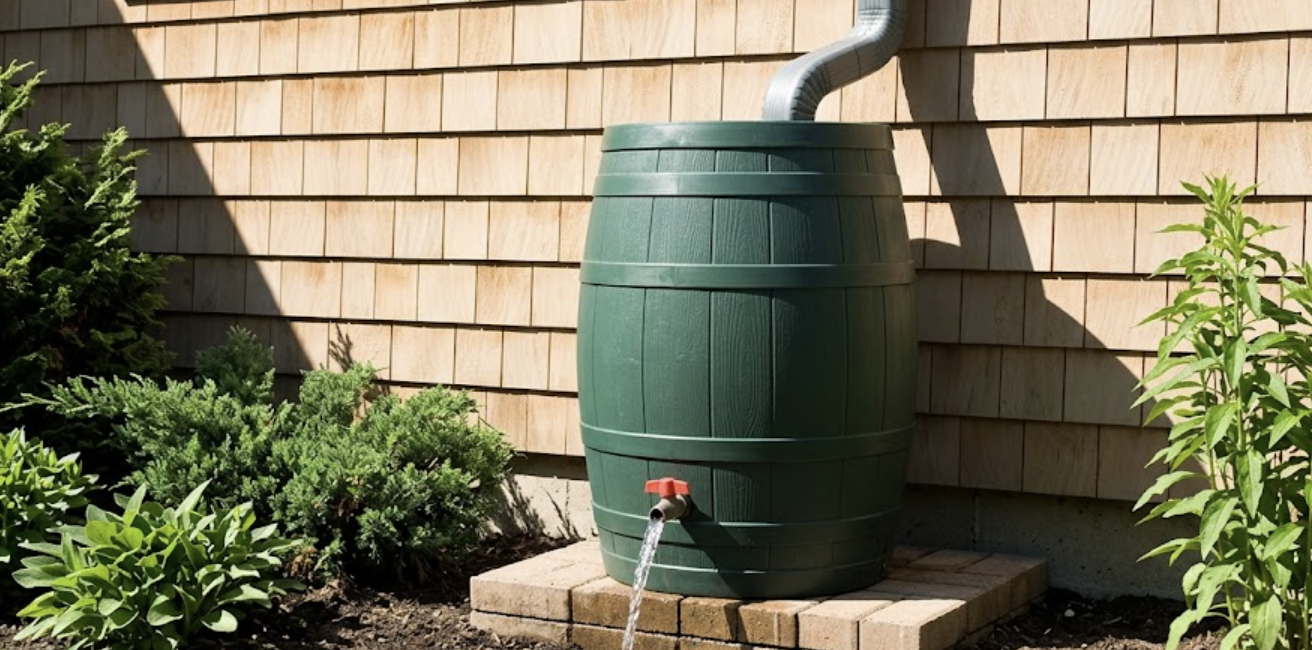
Rainwater collection is a great way to reduce your water usage. Did you know the average person wastes about 30 gallons of water per day? Holy moly! Just imagine if you could save at least a third of your water usage. Well, you can! A rainwater collection system is a really great way to recycle water during those hot summer months when water conservation is at its most necessary!
However, exercise caution. Some states enforce strict rainwater harvesting regulations. In Colorado, for example, collecting rainwater is illegal, as it is public property and belongs to the Colorado water table. Those who collect this water are diminishing the supply for agriculture. See more about rainwater regulations here.
Rainwater collection has been practiced for centuries. The growing movement for DIY water conservation only confirms our need to recycle our natural resources and replenish our own depleting supply. This step-by-step tutorial will get you started on your DIY rainwater collection system:
Materials:
- Paint strainer
- 5 gallon bucket
- 55 gallon drum with lid
- Downspout fittings
- Gutter strainer
- Cinder blocks (3)
- 3/4″ spigot with 1/4″ turn ball valve
- Permanent black marker
- Jigsaw
- Power drill with 7/8″ spade bit
- Half-round bastard file
- Utility knife
- 1 1’4″ galvanized wood screws
If you want to easily upgrade your rainwater collection setup, this is the exact kit to get the job done right:
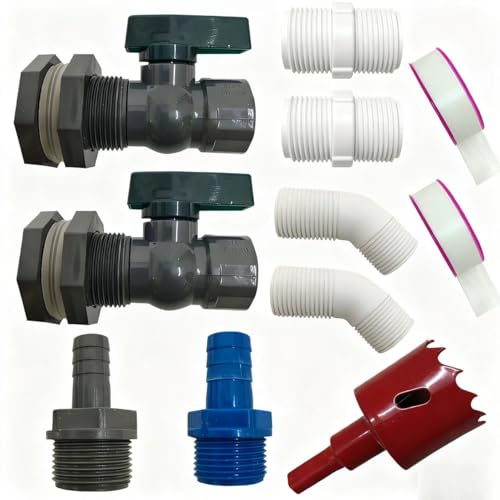
- The rain barrel faucet kit includes 1 hole saw tool, 2 sets of 3/4 inch PVC faucet valve assemblies, 2pieces of 3/4 inch PVC...
- Upgrade your rainwater collection system kit with this high-quality rain barrel faucet kit, which is designed for easy...
Last update on 2026-10-19 / Affiliate links / Images from Amazon Product Advertising API
Step 1: With the 7/8″ spade bit, drill a starter hole in the side of the 5 gallon bucket. Use your jigsaw to cut around the bucket.
Step 2: Using your permanent marker, trace the top of the 5 gallon bucket on top of the 55 gallon drum.
Step 3: Just like you did with the top of the 5 gallon bucket, drill a hole in the top of the drum with your 7/8″ spade bit to get you started. Following the guideline you created with the permanent marker, cut out the circle with the jigsaw.
The top of the 5 gallon bucket should fit snug in the opening of the 55 gallon drum.
Step 4: Drill a hole at the bottom side of the drum with the 7/8″ spade bit. File down the inside of the hole with your half-round bastard file. Screw in your 3/4″ spigot until it fits securely. It may need to be filed a little more to fit just right.
Step 5: Prop the cinder blocks upright in a triangle manner next to the house. Place your drum on top of the cinder blocks.
Step 6: Using the existing downspout from your gutters, add an extension to run down into the rainwater collection. Measure and mark where you need to cut the fitting so that the end will run into the top of your collection barrel.
Cut the extension with a utility knife and fit to existing downspout.
Use brackets to secure the fittings to the side of the house.
Step 7: Trace the end of the downspout on the lid of the 5 gallon bucket. This will keep large objects from falling into the collection system.
Use the 7/8″ spade bit to drill starter holes.
Cut the remainder of your lid with the jigsaw.
Place the lid back on top of the bucket to check for a proper fit.
Step 8: Standing water can be a haven for mosquitoes, so we want to keep them out of the rain barrel.
Tie a knot in the paint strainer and secure to the top of the bucket.
Step 9: Place a gutter strainer in the opening of the gutter on the roof. This will keep large debris from making its way down the fittings and potentially clogging the gutters.
Avoid These Rainwater Collection Mistakes
1. Assuming You Have the Right to Collect Rainwater In Your State
-
The Mistake: Setting up a massive catchment system without checking local regulations. It sounds crazy, but harvesting rain is heavily regulated in certain jurisdictions.
-
The Fix: Check your local laws first. Before putting your power tools to good use, verify if rainwater collection systems are legal in your area. A water permit is required in some places, while others might not allow you to collect any rainwater at all. Better safe than sorry.
2. Using Toxic Containers and Skipping Pre-Filtration
-
The Mistake: Grabbing any old plastic trash can and letting leaves, sediment, and bugs wash right into your backup water supply.
-
The Fix: Use food-grade rain barrels and sediment traps. Always place clean, food-grade barrels beneath your downspouts so chemicals don’t leach into your water. To keep the water clear of debris, use a simple screen trap, a coffee filter, or cheesecloth over the opening to filter out sediments right from the start.
3. Letting a Full System Flood Your Property
-
The Mistake: Forgetting that a heavy downpour can overfill a basic DIY barrel in minutes, sending water pooling around your home’s foundation.
-
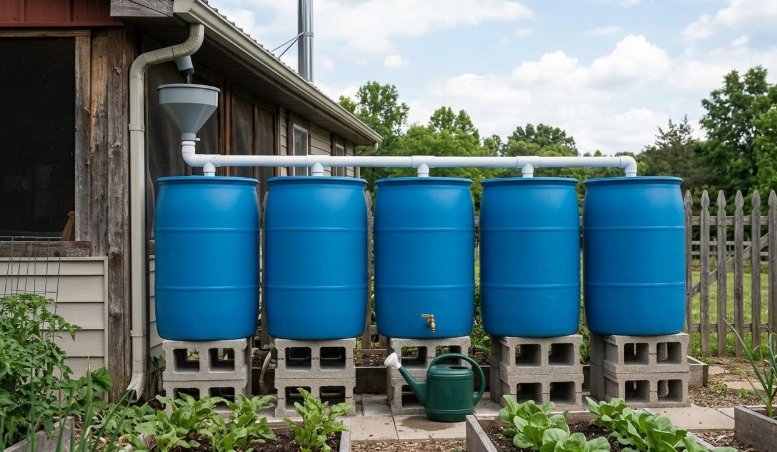
The Fix: Install an overflow pipe. Manually collecting and transporting a rainwater barrel outside your home during a storm is tiring and time-consuming. Instead, build a slightly more ultramodern harvesting system. Ensure your setup has an overflow pipe that automatically releases excess rainwater to a designated, safe location on your property.
4. Drinking Unreliable Water Straight from the Source
-
The Mistake: Thinking that just because water fell from the sky or was collected in the wilderness, it is completely safe to consume.
-
The Fix: Purify and filter everything. Always treat water taken from unreliable sources like swamps, lakes, streams, and ponds. You can build an emergency water filter using an ordinary bucket filled with different layers of natural materials (just don’t forget the hole at the bottom). For quick treatment, keep purification tablets or 2% tincture iodine handy to make the water safe for drinking.
5. Giving Up When the Rain Stops
-
The Mistake: Relying solely on rainfall and having no backup plan when a dry spell hits, or finding yourself stranded outdoors with no fresh water source for miles.
-
The Fix: Tap into alternative moisture sources. If you are at home and just trying to save on your water bill during a drought, install a greywater system to recycle water from sinks and showers for non-drinking use. If you are surviving outdoors, use plant condensation by wrapping a plastic bag and some 550 cord around a leafy branch, or build a solar still using a trench and a piece of plastic to quench your thirst in no time.
The Best Collapsible Water Containers for Small Spaces
When space is at a premium whether you are working with a small urban backyard, a tight shed, or putting together a mobile bug-out kit bulky traditional wooden barrels aren’t going to cut it. You need something that deploys in minutes when the rain starts and packs away flat when it doesn’t.
Here are three of the best collapsible rainwater barrels designed for maximum capacity and minimal footprint:
1. The 53-Gallon Portable Rainwater Collection System
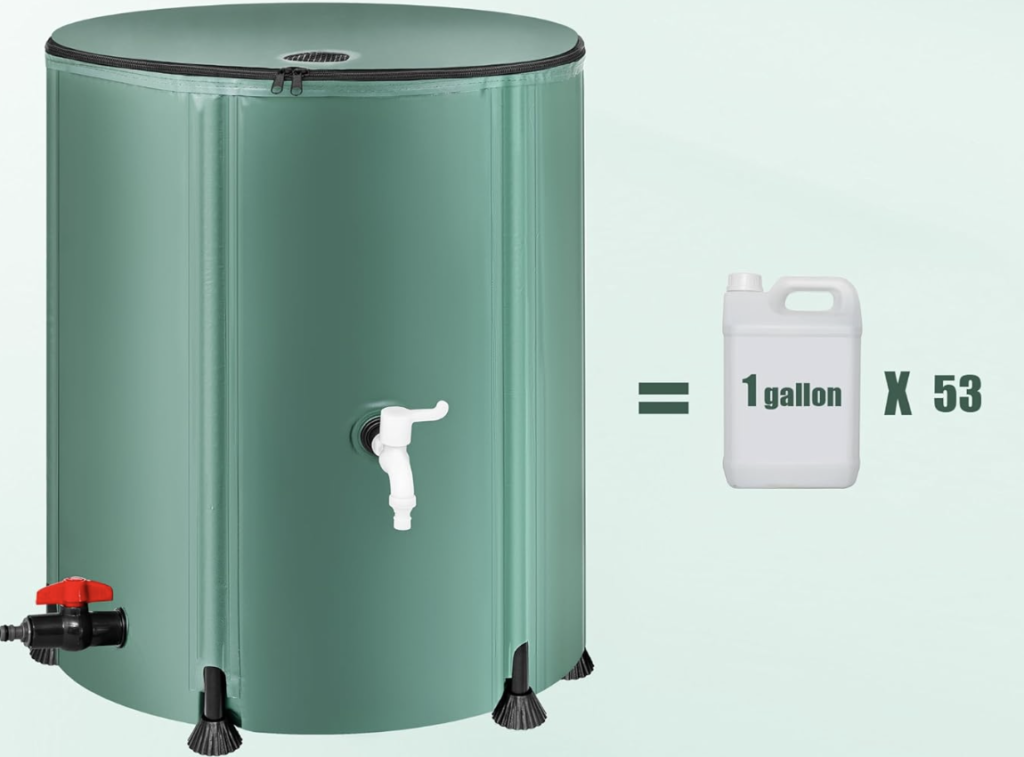
This is a heavy-duty option that focuses on eliminating the weak points found in most budget collapsible tanks: the seams and fittings.
- Capacity: 53 Gallons
- Material: Premium three-layer PVC designed to endure tough conditions.
- Key Features: It utilizes an integrated design with a direct screw-in faucet, completely eliminating the hassle of assembling multiple leak-prone parts. The base features circular footpads to prevent wobbling or tipping when full, and the top is equipped with a mesh filter to block leaves and debris from spoiling your clean water.
2. Pure Garden 26.4-Gallon Portable Water Tank
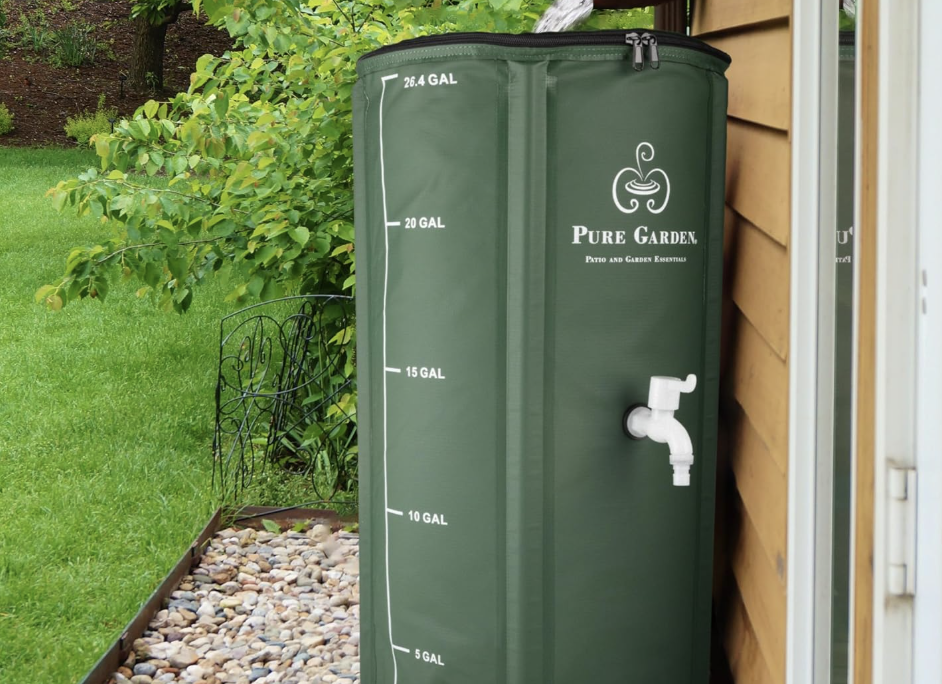
If you need an ultra-compact, lightweight solution that you can easily move around your property or store in a bug-out vehicle, this is your best bet.
- Capacity: 26.4 Gallons (100 Liters)
- Dimensions & Weight: 15.5” L x 15.5” W x 32” H; weighs only 2.9 lbs empty.
- Key Features: Constructed from PVC with an anti-UV and tear-resistant cover. It features a 3-inch anti-corrosion PVC mesh intake filter, handy gallon markings on the side to track your supply, an outlet valve, an overflow nozzle, and an included 3-foot rubber hose.
3. XGNT 53-Gallon Foldable Water Tank & Storage Reservoir
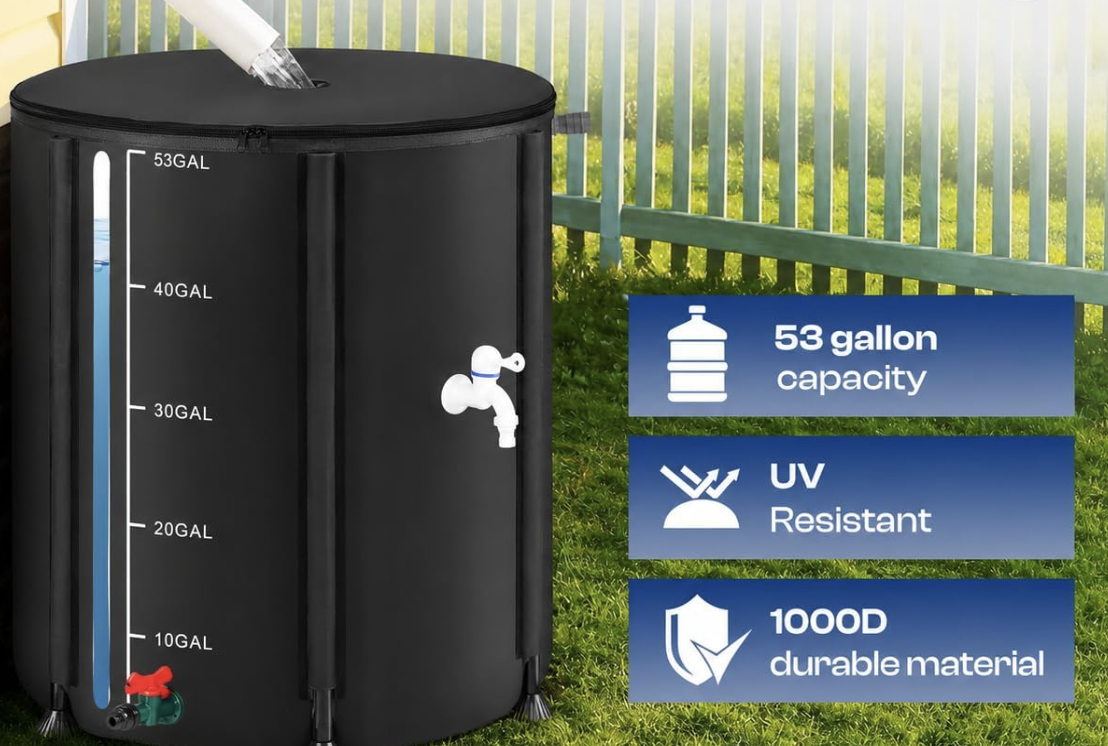
This model combines large capacity with a highly structured, rigid frame, making it one of the most stable collapsible options on the market for extreme weather conditions.
- Capacity: 53 Gallons (28.6 inches tall by 23.6 inches wide)
- Material: 1000D 3-layer PVC (leak-proof, anti-corrosion, UV-resistant, and waterproof).
- Key Features: It utilizes a reinforced glass fiber frame with 12 rods creating 6 highly durable legs to prevent tipping. It also features a transparent window and an acrylic tube so you can visually measure your water level at a glance. The kit includes a downspout spigot, a high-flow white spigot, an overflow spout, and a garden hose.
This rainwater collection system will be up and running in no time. Even your little ones will enjoy it!
Editor’s Picks
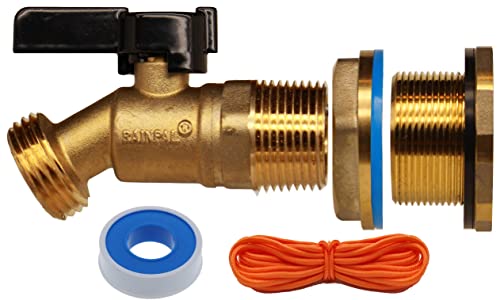
I already had a few of the basic parts lying around the garage, but my household rainwater system was desperately in need of an upgrade. I was tired of inefficient collection and wanted a setup I could actually rely on when the weather turned. If you’re looking to move past a flimsy beginner setup, these are the exact upgrades I got for my own home to secure our source.


Last update on 2026-10-19 / Affiliate links / Images from Amazon Product Advertising API
Check out the step-by-step video tutorial:
Quick Poll
The grid fails during a severe drought, but you have 2,000 gallons of hoarded rainwater. Are you obligated to share with begging neighbors?
Why did you pick that? Defend your choice below.