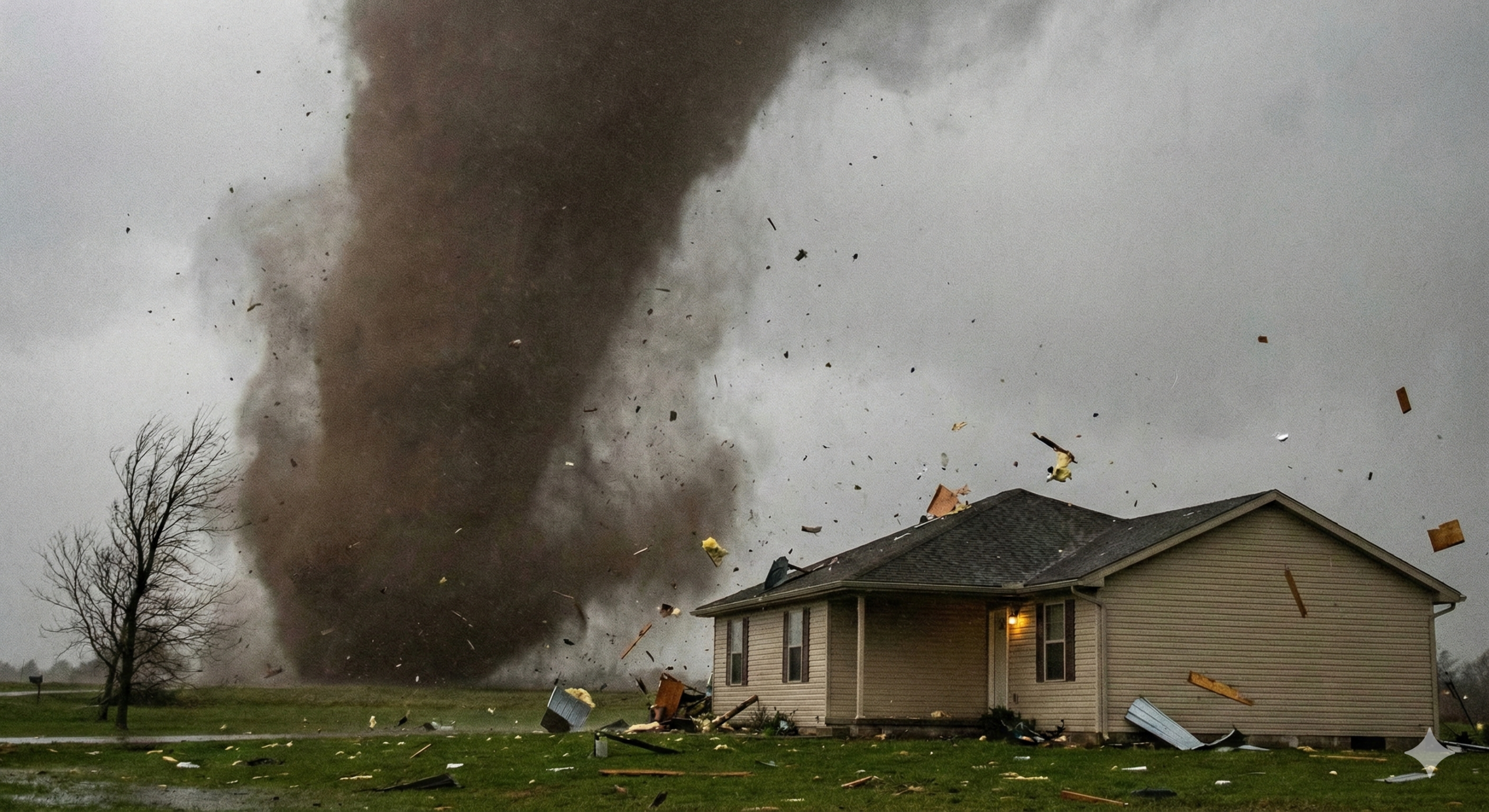

At a Glance: Tornado Survival Reality Check
- Lace Up or Get Left Behind: Put on sturdy, hard-soled shoes or boots immediately to navigate a post-storm debris field filled with broken glass and nails.
- The Helmet Mandate: Research proves head trauma from flying debris is the leading cause of death; wear a helmet even if you are already in a basement.
- Avoid the “Appliance Trap”: Never shelter directly under heavy objects on the floor above, such as pianos, refrigerators, or waterbeds, which can fall through a weakened floor and crush you.
- The 24/7 Sentry: Rely on a battery, solar, or self-powered NOAA Weather Radio to receive imminent danger alerts even if the power grid fails.
Take these tornado survival tips and learn how to prepare beforehand, survive during, and recover after a destructive tornado.
RELATED: 17 Proven Ways To Storm-Proof Your Home
In this article:
- Timely Tornado Survival Tips for This Tornado Season
- Tornado Survival Tips | Steps to Take Before a Tornado
- Tornado Survival Tips | Know the Difference
- Tornado Survival Tips | Steps to Take During a Tornado
- Tornado Survival Tips | Steps to Take After a Tornado
Tornado Survival Tips Before, During, and After
Tornadoes leave great damage along their paths. Lives, animals, and properties are lost.
With tornado season in full swing and news of tornadoes from Texas to Oklahoma and Colorado (see the video below for footage), we thought it was important to remind our readers of proper tornado safety tips and procedures.
The United States has the most frequent and powerful tornadoes in the world, so tornado preparedness should be every prepper’s priority as far as natural disasters are concerned.
Although your area may not be regularly hit by these gigantic and dangerous whirlwinds, there is no reason for you not to prepare for them. You never know when one could strike.
The most popular tornado survival solution these days are storm shelters. This is reinforced by the fact that manufactured shelters are selling well.
More importantly, it’s comforting to know the number of fatalities caused by tornadoes has gone down. Another factor is being prepared for these occurrences.
Weather updates via TV, radio, and the internet also helped. After so much death and damage, more and more citizens have learned how to deal with this severe weather condition.
These improvements should not be cause for anyone to be complacent, though. Tornadoes are dangerous and unpredictable as ever.
You can also check out a previous post on these twisters. This time we have put together this tornado survival guide to remind you to be ready when they come.
Before a Tornado Survival Tips
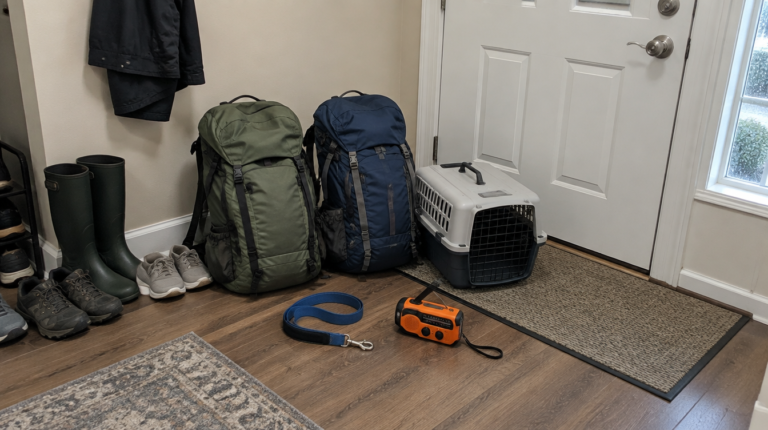
1. Prepare a Tornado Emergency Kit
Having a kit ready is one key to tornado survival.
- Non-perishable food such as MRE’s (Meals Ready to Eat)
- Non-electric can opener
- Water (1 gallon per person per day for 3 days)
- Shelter in the form of a tent or tarps
- Rain gear
- An emergency power source (generator)
- Emergency blankets or sleeping bag
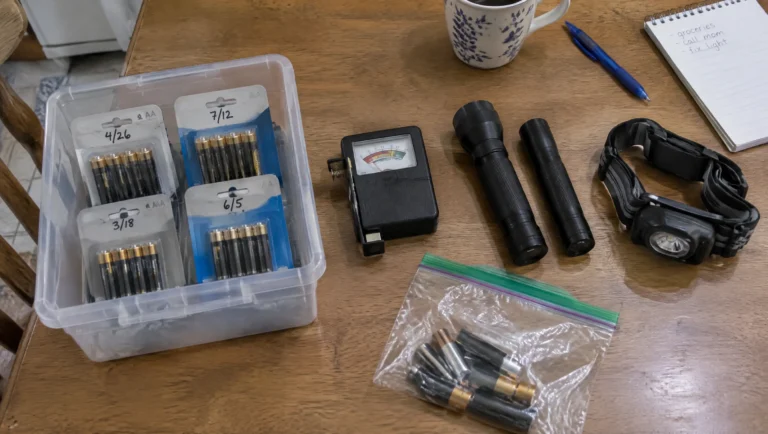
- Flashlights and extra batteries
- Cell phone and charger
- Chainsaw and fuel
- Shovels, picks, pry bars, wooden poles for removing electric wires
- Signal flares
- Battery, solar or self-powered radio
- Light sticks (shake or break light sticks)
- Rope
- Air horn or whistles for signaling
- First aid kit that includes splints and bandages and first aid manual
- Medicine (prescription medications, and over-the-counter pain killers, etc.)
- Sturdy shoes or boots
- Cash and credit cards (Read more!)
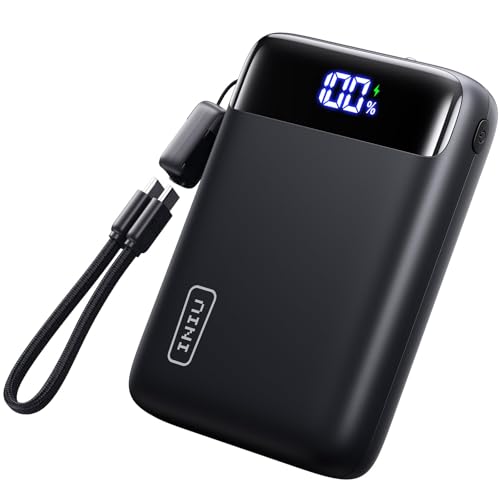
- From INIU--the SAFE Fast Charge Pro: Experience the safest charging with over 38 million global users. At INIU, we use only...
- Charge Your Phone up to 75% in 30 Mins: With the upgraded 22.5W output plus the latest PD3.0 & QC4+ fast-charge technologies...
Last update on 2026-10-01 / Affiliate links / Images from Amazon Product Advertising API
(As an Amazon Associate, we earn from qualifying purchases.)
2. Develop an Emergency Communications Plan
Have a plan for getting back together in case family members get separated from one another during a tornado. Ask an out-of-state relative or friend to act as the family contact.
After a disaster, it’s often easier to call long distance. Make sure everyone in the family knows the name, address, and phone number of the contact person.
3. Trim Trees and Shrubbery
Make it a habit to prune trees and shrubs to minimize damage. Pay particular attention to weak or dead branches which could fall on your home or your neighbor’s home.
4. Take Inventory
Make an inventory of your possessions. Take photographs and/or videotape your belongings.
Keep records in a safe deposit box or some other safe place away from the premises. You may want these to aid later insurance claims.
5. Prepare a Safe Room
Extreme windstorms in many parts of the country pose a serious threat to buildings and their occupants. Your residence may be built “to code,” but it does not mean it can withstand winds from extreme events such as tornadoes and major hurricanes.
The purpose of a safe room or a wind shelter is to provide a space with a high level of protection where you and your family can seek refuge. You can build a safe room in one of several places in your home.
6. Practice Your Plan
Make sure children at home know where to go when a tornado threatens. Click here to read the whole article.
7. Register Your Name
If you are a person with special needs, register your name and address with your local emergency management agency, police and fire departments before any natural or man-made disaster.
8. Get Somewhere Safe Ahead of Time
If you have a home without a basement and you know a tornado-warned storm is brewing near you, head to someplace safer. Go to a friend or relative with a storm shelter or basement, immediately.
If you live in a mobile home, even simply heading to McDonald’s or concrete-built local church to hang out is likely to offer better protection.
9. Conduct Tornado Drills Each Tornado Season
Increase your chances of tornado survival by rehearsing what to do when the whirlwind comes.
DOWNLOAD THE 10-MIN TORNADO SHELTER DRILL
RELATED: Surviving Natural Disasters: Safe Points In The Household
During a Tornado Survival Tips
1. Get in the Basement
Avoid windows. Get in the basement and under some kind of sturdy protection (heavy table or work bench), or cover yourself with a mattress or sleeping bag.
Know where very heavy objects rest on the floor above (pianos, refrigerators, waterbeds, etc.) and do not go under them. They may fall down through a weakened floor and crush you.
Head protection, such as a helmet, can offer some protection also.
2. Leave Your Mobile Home
Get out! People are 15 times more likely to die in a mobile home than any other location. Even mobile homes with a tie-down system cannot withstand the strong winds of a twister.
Take shelter in a permanent building if you can. If no other shelter is available, lie face down in a ditch and cover your head with your arms and hands.
3. Wear a Helmet
“People die by getting hit in the head with debris,” says Harold Brooks, a research meteorologist at the National Severe Storms Laboratory in Norman, Oklahoma. “We recommend a helmet even if you’re in a basement.”

- 【Comfortable Fit】: SAFEBUILDER Work Hard Hat with 6-points suspension, Good at Shock Impact when workers work in danger...
- 【Humanized Design】: SAFEBUILDER Work Hard Hat design is humanized, with multiple adjusting devices, which can adjust the...
Last update on 2026-10-01 / Affiliate links / Images from Amazon Product Advertising API
4. Find a Ditch
When you are caught in a windstorm, a ditch is your shot at tornado survival. Find a ditch, depression or ravine in the ground, lie flat and cover your head.
Be aware of the potential for flash floods. Watch for flying debris, as they cause the most fatalities during tornadoes.
5. Go the Opposite Direction
If you are in a car, do not try to outrun a tornado, as it can travel at speeds in excess of 70 mph. However, it is worth taking a moment to watch the tornado closely.
Compare its motion to a fixed object on the ground, so as to gauge its direction of travel. If you see it moving to one side or the other, and can travel in the opposite direction, then do so.
If it does not appear to move to the left or right, it is headed straight for you. In this case, you must make a decision.
6. Get Away from Windows
Tornadoes can make windows suddenly shatter as if they were exploding. It’s a myth to open windows because it can somehow equalize the pressure inside the house and out.
In the words of the National Weather Service’s FAQ, opening windows “is absolutely useless, a waste of precious time, and flat out dangerous.”
7. Buy a Weather Radio and Use It
Tornado survival is also about being up to date with the latest weather conditions. TV and radio stations are a great source of information but they have to be turned on.
A weather radio can sound an alarm if your county has a tornado warning, alerting you to the danger during the night.

- [7400mWh (2000mAh) POWER BANK WILL KEEP DEVICES POWERED] The FosPower FOSPWB-2376 emergency radio incorporates a 7400mWh...
- [3 POWER SOURCES POWER WHEN YOU NEED IT] Use the emergency weather radio's 3 power sources when you need a boost of power or...
Last update on 2026-10-01 / Affiliate links / Images from Amazon Product Advertising API
8. Stay Low to the Ground
If you’re in a motel, lie down in the lowest-level interior hallway away from the glass. Dive under a bed or pull a mattress on top of you as last resort.
9. Stay Away from Large Buildings
Avoid shopping malls, theaters, gymnasiums, and other buildings with large open interior spaces where the roof might easily collapse.
If inside of such a building, with no time to seek shelter elsewhere, seek shelter under a doorjamb or next to an interior wall that may provide some structural support and protection in the event of a building collapse.
10. Remain in Your Shelter Until the Danger of Tornadoes Has Passed
For tornado survival, stay in the safe room until the windstorm is completely gone. If possible, listen for advisories from the National Weather Service (in the U.S.) or on local radio or TV.
Keep in mind, multiple tornadoes often form in an area, and it may not be safe to leave shelter even after one tornado has passed.
After a Tornado Survival Tips
1. Assess the Damage
After a tornado passes, it is important to take some precautions. Be careful as you leave your tornado shelter since there might be unseen damage waiting for you on the other side of doors.
If your home gets damaged, walk carefully around the outside and check for things like loose power lines, gas leaks, and general structural damage. Leave the premises if you smell gas or if floodwaters exist around the building.
Call your insurance agent and take pictures of the damage to your home or vehicle. If the destruction is extensive, don’t panic.
The American Red Cross and other volunteer agencies will arrive with food and water, and temporary housing will be designated by FEMA.
2. Make Whatever Temporary Repairs You Can
Doing some of the repairs will make your insurance claims more reasonable for the insurance company. Cover broken windows and damaged roofs and walls to prevent further destruction.
Save the receipts for any supplies and materials you purchase as your insurance company will reimburse you for reasonable expenses incurred by making temporary repairs.
3. Check for Injuries
Do not attempt to move seriously injured people unless they are in immediate danger of further injury. Get medical assistance immediately instead.
If someone has stopped breathing, begin CPR if you are trained to do so. You can also stop a bleeding injury by applying direct pressure to the wound.
Clean out all open wounds and cuts with soap and clean water. Next, apply an antibiotic ointment.
Contact a doctor to find out whether more treatment is needed (such as a tetanus shot). If a wound gets red, swells, or drains, also seek immediate medical attention.
Have any puncture wound evaluated by a doctor, too. If you are trapped, try to attract attention to your location.
4. Stay Off the Streets
If you must go outside, watch for hazards created by the tornado, such as fallen objects, downed electrical wires, weakened walls, bridges, roads, and sidewalks.
Stay away from damaged areas, unless your assistance has been specifically requested by police, fire, or relief organizations.
5. Wear the Right Shoes
Wear hard-soled shoes, to avoid injuring feet amid the broken glass in the debris field left in the aftermath. Moving around after a tornado exposes your feet to debris which may injure you.
This video from USweathergov will show you how to get weather-ready during a tornado:
“Better safe than sorry,” we always say. So before the tornado season or before you caught yourself in a destructive twister, learn all you can about it and how you can survive unscathed with these tornado survival tips!
Tornado Survival 2026 FAQs
- What is the safest room during a tornado if my house has no basement? If you lack a basement, head immediately to a small, center-most interior room on the lowest floor, such as a closet, hallway, or bathroom. For extra protection, lie in a bathtub and cover yourself with a mattress or heavy sleeping bag to shield against “micro-shrapnel”.
- Is it true I should open windows to equalize pressure before a tornado hits? No. Opening windows to “equalize pressure” is a dangerous myth and a total waste of precious survival time. Tornadoes cause windows to shatter suddenly; your only priority is getting away from glass and into a structural safe point.
- Are mobile homes safe during a tornado if they have tie-down systems? Absolutely not. You are 15 times more likely to die in a mobile home than in a permanent building, and even reinforced tie-down systems cannot withstand twister-force winds. If a warning is issued, leave immediately for a concrete-built structure.
- Can I outrun a tornado in my vehicle if I’m caught on the road? Do not try to outrun a tornado in a car, as these storms can travel at speeds exceeding 70 mph. If the tornado is moving toward you and you cannot move in the opposite direction, you must abandon the vehicle for a ditch or a permanent building.
- How do I survive a tornado if I am caught outdoors with no shelter? If no permanent building is available, find a ditch, ravine, or depression in the ground. Lie face down, flat against the earth, and cover your head with your arms, but stay alert for potential flash flooding in your location.
Have you experienced a tornado in your area? What actions did you take to make out of it safe and sound? Tell us all about it in the comments section below!
Up Next:
- Martial Law: What You Need To Know To Survive
- 10 Disaster Preparedness Tips You Can Really Use
- 5 Reasons You Need A Storm Shelter in Your Home
***Disclaimer: The contents of this article are for informational purposes only.Editor’s Note: This post was originally published on May 2019, and has been updated in 2026 for quality and relevancy.