Papercrete is the ultimate building material for preppers, homesteaders, and off-grid living enthusiasts. Learn more about it here!
RELATED:9 Unique DIY Homesteading Projects
Things You Need to Know About Papercrete House
Papercrete Definition:
An environment-friendly building material made from clay, Portland cement, and re-pulped paper. It can be made into sheets or blocks for construction use.
Papercrete Building Blocks
Not only is the building material incredibly inexpensive and Earth-friendly, but it is also extremely durable, especially if you know the process of waterproofing papercrete.
You can make papercrete building blocks by up-cycling used or discarded paper products.
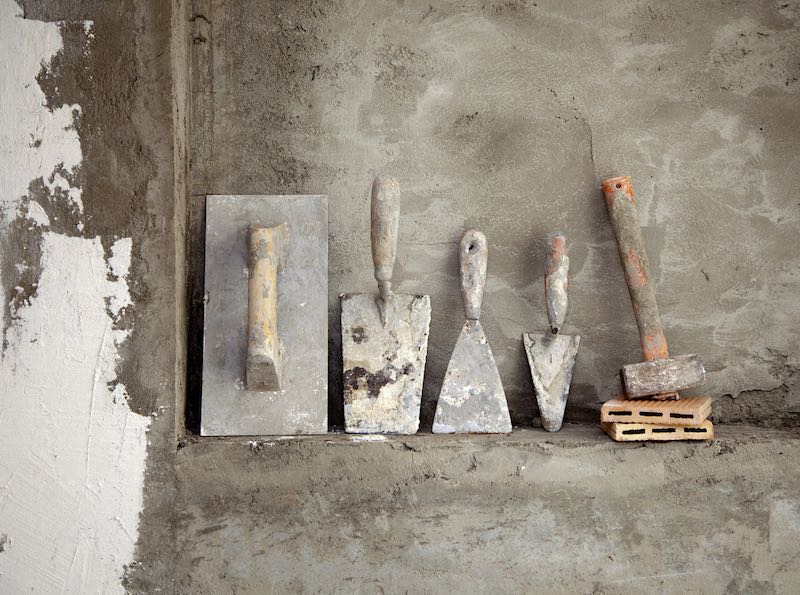
They often have a sturdy frame of possibly rebar and metal lath added for support as well.
Papercrete Home Style
Most preppers build a prepper retreat, homestead, or an off-the-grid home with a tight budget with self-sufficiency in mind.
Paper concrete or papercrete homes are not exactly a new concept. It is undergoing a rapid resurgence and expansion around the world.
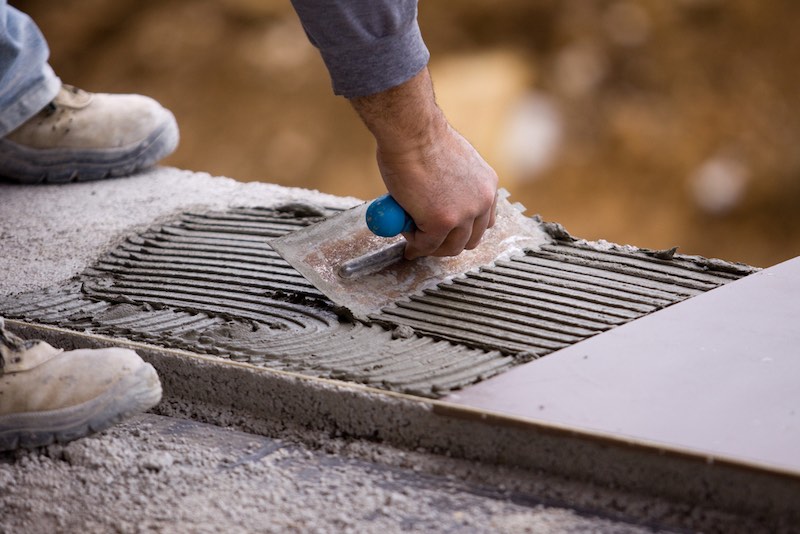
Canvas concrete-style temporary structures have been used by the military for decades.
History of Papercrete
Papercrete was first developed in the late 1920s. In 1976, John Hall, an art student majoring in sculpture, experimented with paper mache and added gypsum plaster to the mix.
Papercrete got its name from the very formula used to make it — a mixture of cement with cellulose fiber and water.
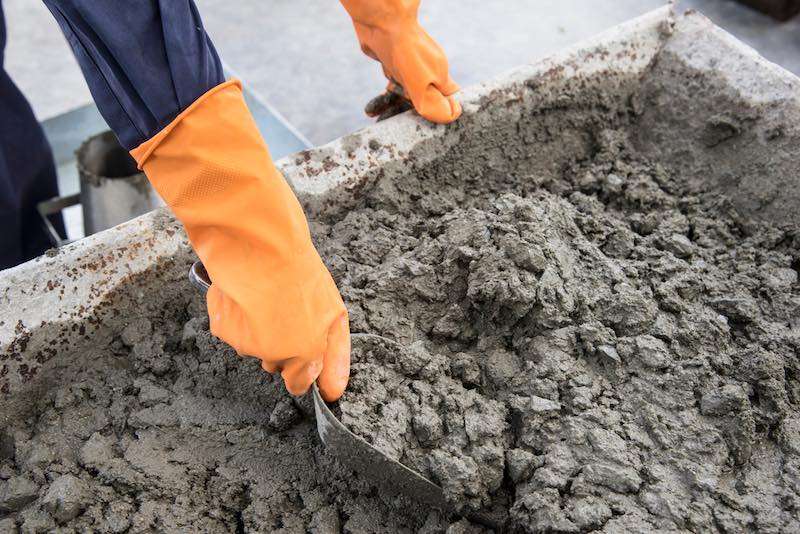
The compound has the texture and appearance of oatmeal, which is poured into molds and placed under the sun to dry. This process is similar to making Adobe.
Zach Rabon and Barry Fuller thoroughly studied papercrete in Texas and Arizona, respectively.
What Is Papercrete?
Papercrete is a building material composed of “re-pulped” paper fiber with clay or Portland cement, or other soil added. The material was first patented during the 1920s and experienced a revival during the late 1980s.
Many preppers disagree on the environmentally friendly nature of paper concrete. While the construction material often consists of a high percentage of recycled material, the presence of concrete also turns off some eco-building advocates.
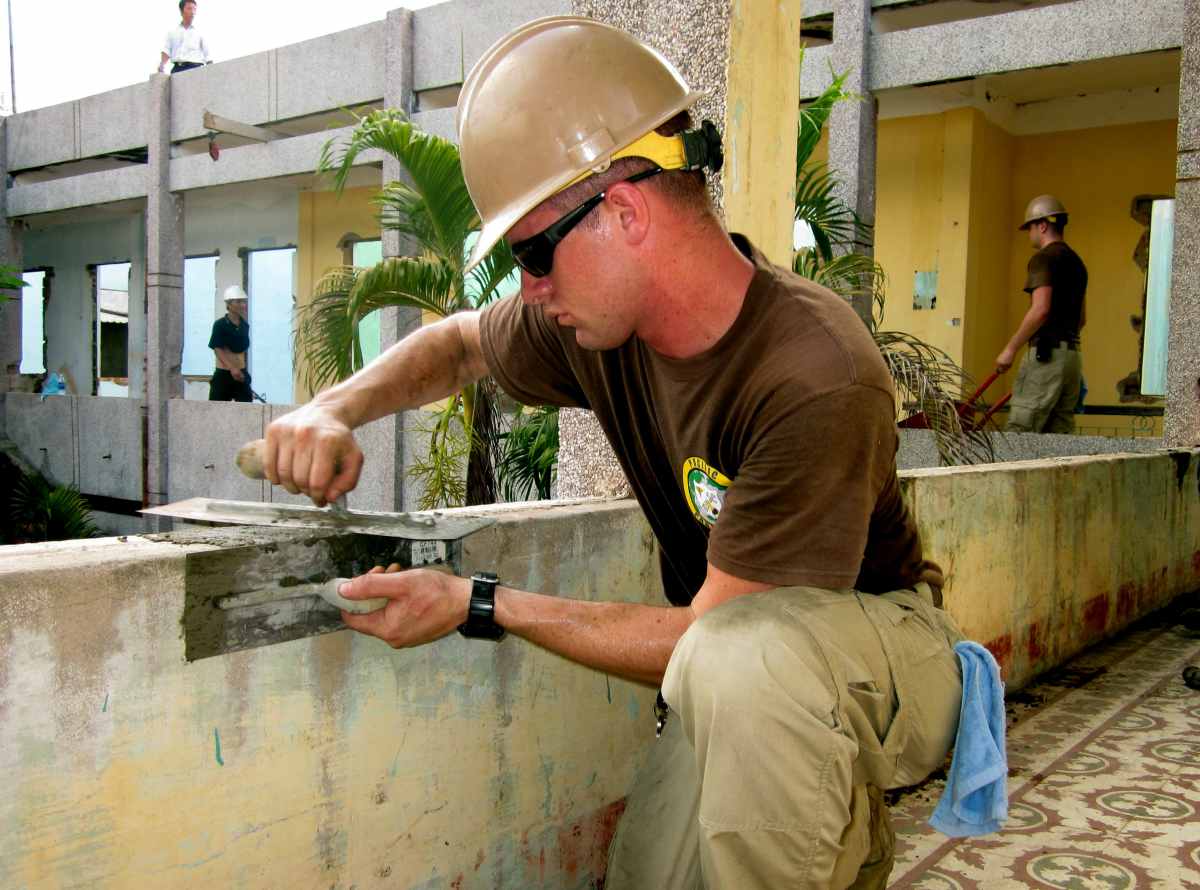
Both Mike McCain and Eric Patterson share credit for inventing papercrete. They often referred to the building material as fibrous cement and adobe.
Papercrete as an Alternative for Off-Grid Living
As with all types of off-the-grid housing alternatives, you may face some red tape buildings with this material.
Folks who live in areas bursting at the seams with permit officers, building inspectors, and zoning departments, must have every step of the project approved.
Make sure to apply for all necessary permits in advance since Papercrete may not have the approval of the International Code Council. This means you may not be able to use it within municipal limits in incorporated areas in the United States.
There is good news for preppers and homesteading advocates blessed to live in rural regions like the one I call home. You can usually just gather your materials and get building, without jumping through all sorts of government hoops.
RELATED: How To Make Homemade Survival Cement
Dome-Shaped Structures
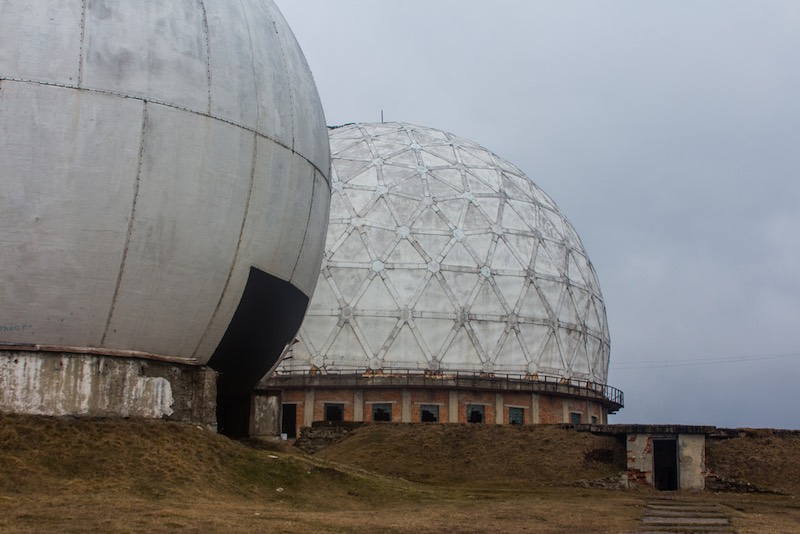
Dome-shaped structures are very popular with paper concrete builders. Getting a building permit, where necessary, for papercrete structures that have load-bearing walls is reportedly very difficult.
Many builders feel we need to do more testing to determine if a papercrete building alone can support a roof. If the paper concrete structure will not house people, the approval process is allegedly a bit more feasible.
A post-and-beam approach when setting the foundation and starting the walls is the preferred building method for both safety and inspection reasons.
Papercrete is also highly regarded for its insulation properties. Walls of paper concrete storage buildings, barns, and homes are typically 10 to 12 inches thick.
Homeowners love papercrete for its mold resistance and “sound-proofing” qualities. Unlike adobe or concrete blocks, papercrete blocks are very lightweight.
This material is about a third of the weight of a similarly sized adobe brick.
Papercrete Tips
- You can mix papercrete in various methods. Different kinds of papercrete comprise 50-80% waste paper!
- There are still no hard and fast rules. Industry leaders should undoubtedly establish recommended standards in the near future.
- The primary components are water and almost any type of paper. You can use cardboard papercrete, stock paper, advertising leaflets, glossy magazines, junk mail, or any type of lower-grade paper.
- Some types of paper might work better than the others, but all types will absolutely work. Newspaper works great.
- Cardboard, waterproof papers, butcher paper, beer cartons, and the like are tougher and won’t easily break down in the water. Magazines, catalogs and other different publications are great. Some magazines have a stringy, rubbery, gluey spine, which is also water-resistant. It can be challenging to break down this type of material while in the process of mixing. Strings and tiny pieces of these materials are most of the time present in the final mix.
- Common additives to the paper concrete mixes, in addition to Portland cement and clay, often include sand, glass, and “fly ash.”
- You must impale or drill the first three or so papercrete applications securely on top of the rebar set in the concrete foundation. The rebar is necessary to prevent wall movement in a horizontal direction. Once only a couple of inches of the rebar is showing, lay another piece or rebar and wire it to the vertical pieces protruding from the foundation.
- Papercrete builders then recommend pounding the vertical piece of rebar until it is almost level with the papercrete block. Once done, cover the emerging wall with your papercrete mortar of choice and start the next row of blocks.
- Wait at least several weeks for the walls to settle before installing doors and windows. You can frame the wall and window area by leaving rebar out as you build the wall in the desired spots, or use a chainsaw and cut the openings out later.
How Strong Is Papercrete?
In structural tests, paper concrete has reportedly tested in the 140-160 psi range. Some claim the strength reaches into the 260 psi range.
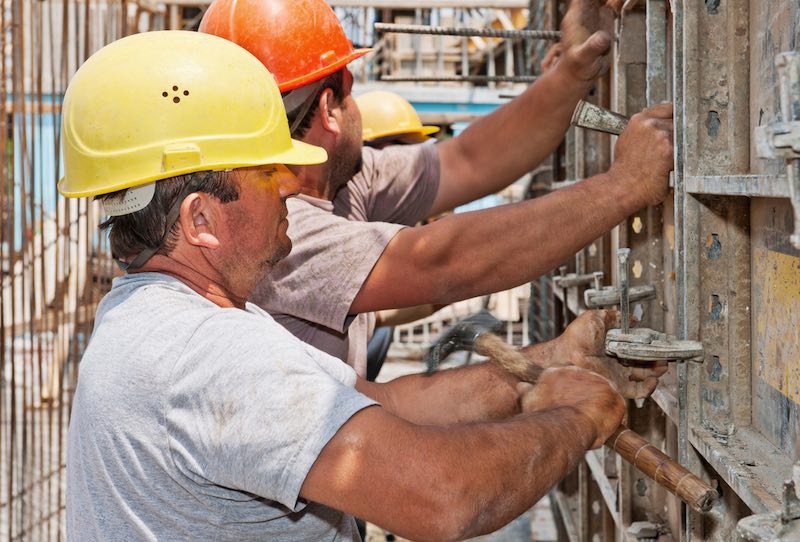
While papercrete is less stiff than a solid concrete building, it is reportedly strong enough to hold the heavy loads of a roof on “low-height” buildings.
Two-story structures have been built with concrete and are very attractive and appear to be sturdy homes.
Papercrete Mixing Materials
- Newspapers
- Cardboard food boxes
- Shoe boxes
- Paper sacks
- Food can labels
- Mail envelopes
- Fast food wrappers, soft drink cups, and French fry holders
- Cardboard shipping boxes
- Wrapping paper
- Toilet and paper towel cardboard rolls
- Pet food bags
- Juice boxes — cut open and allow to dry thoroughly
- Soft drink and beer cardboard cases
- Used poster board, construction paper, and discarded homework and folders
Use wood harvested from your own property to make papercrete projects more cost-effective. Unlike some commercial building materials, papercrete does not contain any potentially harmful chemicals that can hurt livestock.
You can paint papercrete after applying the stucco, or tint the Portland cement to create a more pleasing appearance if desired.
When I first made papercrete, I started with a small batch in a 5-gallon bucket and used a standard drill with a stucco bit. Remember: the mixing instructions often found online are merely estimates.
I used the least amount of water to avoid ruining the batch and added more as needed.
An Unsolicited Tip
Before embarking on mixing enough papercrete to build a barn, home, or shed, make a dozen or so small batches and use the material to make some hand-poured blocks.
Once you have the mixture amounts ironed out, run larger batches through the stock-tank homemade mixer.
Watch this video from Char’s Nest and find out how to make papercrete:
You can save a lot of money when you build with papercrete. Even if you already have an off-the-grid home or prepper retreat constructed, papercrete is still an option for you.
There are tons of papercrete uses. You can build outbuildings, cellars, storm shelters, barns, and papercrete buildings from upcycled paper products.
This will help you save funds and provide added livestock shelter and storage for preps.
Have you tried making papercrete? How does it work for you? Tell us about your experience in the comments section below! Up Next:
- Homesteading And Sustainability – How To Become Self-Reliant
- How To Make A War Hammer
- 7 Genius Seedling Greenhouses You Can Make Today
Calling all preppers, craftsmen, bushmasters, outdoorsmen, and all-around skilled people, Survival Life needs YOU! Click here if you want to write for us.
Don’t forget to stay connected with us on Facebook, Twitter, Pinterest, and Instagram!
**Disclaimer: All content on this site is for informational purposes only. Please read our full disclaimer here**
Editor’s Note: This post was originally published on April 25, 2018, and has been updated for quality and relevancy.