
You won’t have much time to pack when a real emergency hits. If an alarm goes off at two in the morning, hunting in the dark for a flashlight, your shoes, and a bottle of water is a terrible plan. You only have time to grab one thing and walk out the door safely. That one thing is a go-bag. Let’s look at what a go-bag actually is, and how you can easily put one together today.
What is a Go-Bag and How to Build One?
You will not have time to pack when a real emergency hits. If an alarm goes off at two in the morning, hunting in the dark for a flashlight, your shoes, and a bottle of water is a terrible plan. You only have time to grab one thing and walk out the door safely. That one thing is a go-bag. Let’s look at what a go-bag actually is, and how you can easily put one together today.
What’s the difference between a go-bag, emergency bag, and bug-out bag?
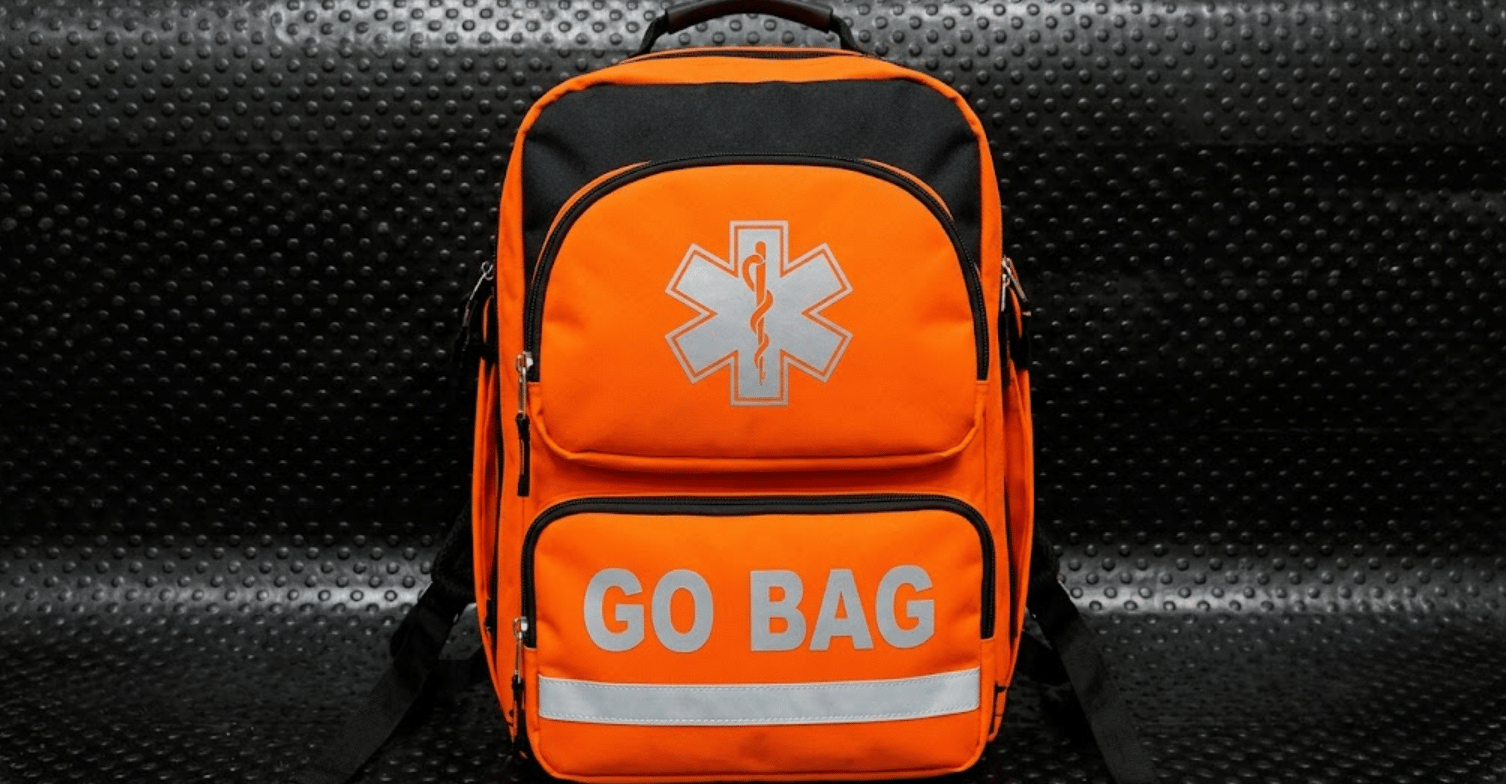
A go-bag is a small, light kit made to help you escape sudden danger for up to 24 hours. An emergency bag stays at home with enough food and water to keep you safe for a few days. A bug-out bag is a big, heavy backpack packed to keep you alive away from home for at least three days. People mix these up, but the main difference is how long the gear lasts and if you are staying or going.
| Bag Type | Main Purpose | How Long Supplies Last | Size & Weight |
| Go-Bag | Quick escape from danger | 12 to 24 hours | Small and light |
| Emergency Bag | Surviving safely at home | 3 to 7 days | Large bins or heavy bags |
| Bug-Out Bag | Surviving away from home | 72 hours (3 days) | Medium to heavy backpack |
What are the essential items to pack in a go-bag?
You want your bag to be light, so only pack what you really need. Here are the most important things to put inside:
- Water & Food: You need clean water. Pack a few water pouches or a small water filter straw. Add some high-energy snacks like protein bars. They fill you up fast and don’t take up much space.
- First Aid: Accidents happen when you are rushing. A small first aid kit with band-aids, cleaning wipes, and basic medicine is a must-have.
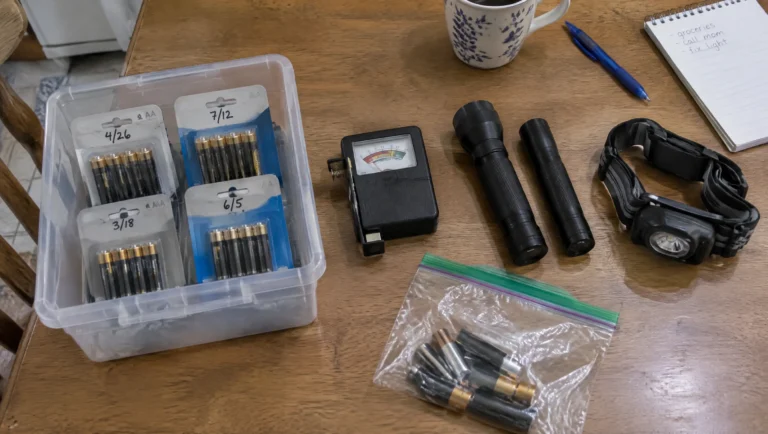
- Tools & Light: If the power goes out, you need to see. Pack a bright LED flashlight and extra batteries. A small multi-tool and a hand-crank radio are also great so you can hear the news.
- Shelter & Warmth: You might get stuck outside in the cold or rain. Pack a shiny emergency foil blanket. It folds up tiny but keeps you very warm. A rain poncho is also a great idea.
Best ready-made go-bags you can buy right now
Building a bag from scratch takes time. If you want to be ready right away, you can just buy a bag that is already packed! Here are a few great choices to look for online:
- The Basic Starter Kit: This kit has everything for one person for a single day. It comes with food bars, water pouches, and a small first aid kit. It is cheap, light, and easy to grab.
- The Family Emergency Backpack: If you have a family, this is the one for you. It is a bit bigger and holds enough gear, blankets, and flashlights for four people to share.
- The Premium Survival Bag: This one costs a little more, but the gear is tough. It includes a heavy-duty flashlight, an emergency tent, and high-quality tools that won’t break easily.
FAQs
How much should a go-bag weigh?
Keep it light! Your bag should not weigh more than 10% to 15% of your body weight. If you weigh 150 pounds, your bag should be 15 to 22 pounds. You need to be able to carry it and walk fast or even run.
Where is the best place to keep your go-bag?
Keep it somewhere you can grab it easily on your way out. The best spots are in a closet near your front door, in your garage, or even in the trunk of your car.
How often should I check my go-bag supplies?
You should check your bag twice a year. Food and batteries can go bad over time! A smart trick is to check your bag on the same days you change your clocks for daylight saving time.
Ready to get started?
You never know when an emergency will strike, but you can always be ready. Don’t wait until it is too late. Start gathering these items around your house today, or save time and order a ready-made go-bag online right now. Be safe and stay prepared!