
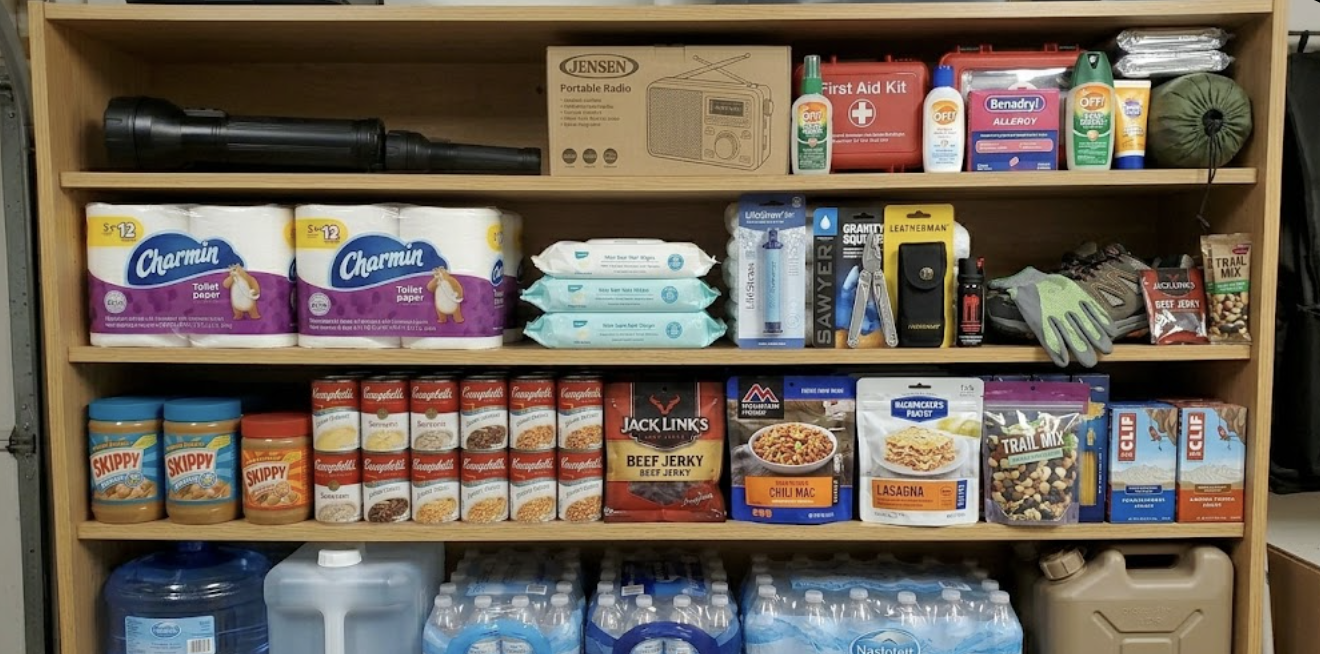

Most families have gear scattered across closets, cars, and drawers. They’ve bought stuff, water pouches, a first aid kit, or maybe a case of freeze-dried food, but never assembled it into a system.
Spring is the ideal window to run a thorough emergency supply audit. Before hurricane season ramps up and wildfire risk climbs, check what’s expired, replace what’s degraded, and confirm your family knows where everything is and how to use it. This checklist walks you through exactly that process, organized by category, scaled to your preparedness level, and built to take one focused weekend to complete.
Why Spring Is the Right Time for Your Emergency Supply Audit
Emergency supplies eventually degrade whether you use them or not. Sealed water pouches develop micro-leaks while batteries corrode in storage. Medications pass their expiration dates sitting in a first aid kit you haven’t opened in 18 months. Food storage loses caloric density over time. Most families don’t notice any of this until they reach for something that isn’t there or doesn’t work.
Spring gives you two advantages. First, it precedes the highest-risk weather season: the Atlantic hurricane season runs June through November; peak wildfire activity begins in late spring across the Mountain West and California. Completing your audit before June means you’ll be ready before the season opens. Second, spring carries natural motivation, most households already have a spring-cleaning rhythm. Folding your emergency supply audit into that cycle takes less effort than scheduling it as a standalone event.
Plan for two to three focused hours. Go category by category. What you’ll find in that first audit will likely surprise you.
How to Run Your Emergency Supply Audit (By Category)
Work through each category below. For every item: check the expiration date, inspect for physical damage or degradation, test anything with a functional component, and add to your replacement list anything that fails.
Food Storage

How often should I rotate emergency food and water?
The standard rotation rule is first in, first out (FIFO): oldest items get used and replaced before newer stock. In practice, that means rotating shelf-stable food into your regular pantry and replacing the expired items.
Pull everything out. Check every expiration date. Key shelf lives to know:
- Freeze-dried food in sealed Mylar pouches: 25–30 years unopened
- Canned goods: 2–5 years (high-acid: tomatoes) to 5+ years (low-acid: beans, tuna)
- White rice in sealed bucket: 25–30 years; brown rice: 6 months (oil content goes rancid)
- Crackers and boxed grains: 6–12 months in original packaging
Anything past date, you must throw away. Also confirm quantities: FEMA’s minimum is a 3-day supply; 2 weeks is a more realistic operational target for most families. The math is 2,000 calories per adult per day. For a family of four, that’s 56,000 calories for two weeks, run that against what you actually have stored.
I found this rack recently, and it made it easier to organize our canned goods. Instead of stacking cans and losing the older ones in the back, now I can see what needs to get used first.

- LONGER LIFE–Power coated finish provides corrosion resistance in dry environments;Non-slip pad for stability; Rubber pads...
- SPACE SAVING AND EASY TO GET– Prefect for the refrigerator, countertop, kitchen cabinet, pantry and maximizes your...
Last update on 2026-10-06 / Affiliate links / Images from Amazon Product Advertising API
RELATED: The Best Emergency Food Storage Kits for a Family of 4 (2026 GUIDE)
Water

What is the shelf life of emergency supplies?
Water itself doesn’t expire, but containers do. Rotate store-bought bottled water every 12 months. Purpose-built food-grade polyethylene storage barrels are good for 5 years before you should inspect and refill.
For your water audit, check:
- Quantity, 1 gallon per person per day, minimum 72-hour supply. Family of four: 12 gallons minimum; 2 weeks is 56 gallons.
- Container integrity, Discoloration, cloudiness, or any smell means discard.
- Filter status, If you have a gravity or squeeze filter, confirm flow rate and check when it was last backflushed.
- Purification tablets, Aquatabs have a shelf life of 4–5 years. Check dates.
When you do the math, bottled water gets bulky fast. That’s why I like having one fast-fill backup option for the bathtub, even if my main storage is still jugs and containers.
If you read my recent long-term water storage article, you know I’ve been looking at bathtub storage as a backup plan for the house. I finally pulled the trigger on the waterBOB, and it was easier to use than I expected. It filled fast, fit the tub well, and kept the water in the liner instead of sloshing around loose in the bathtub. Let me know in the comments if you want me to write a full article on bathtub water bladders. Anyway, here’s where I got mine:
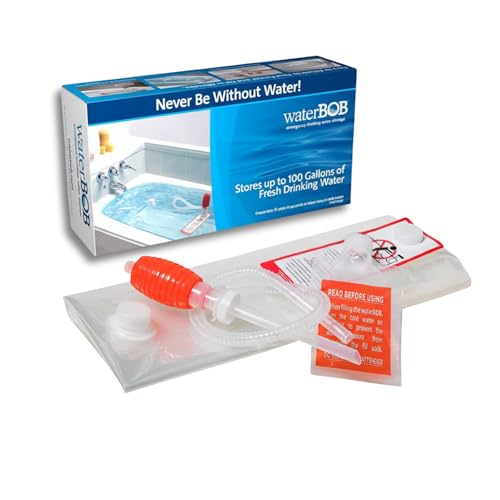
- Space-Saving Up To 100-Gallon Emergency Water Storage: Transform your existing bathtub into a clean, safe water storage...
- Sealed Food-Grade Liner Keeps Water Fresh Up to 16 Weeks: Heavy-duty, BPA-free plastic liner meeting USFDA food-grade...
Last update on 2026-10-06 / Affiliate links / Images from Amazon Product Advertising API
Batteries and Power

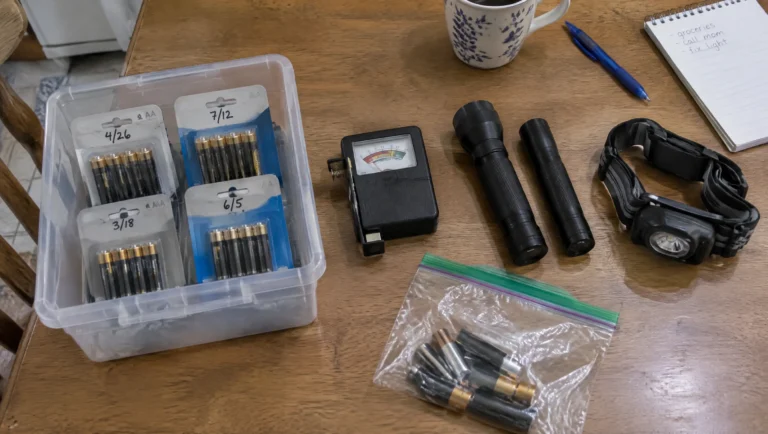
Alkaline batteries self-discharge and corrode in storage. Meanwhile, lithium batteries (Energizer Ultimate Lithium, Rayovac) have 20-year shelf lives and perform significantly better in cold temperatures, worth the premium for emergency use.
For your battery audit:
- Remove batteries from all stored devices such as radios and flashlights. Store the equipment separately.
- Check stored battery dates. Alkaline: discard after 5–7 years. Lithium: up to 20 years.
- Test all flashlights and devices with fresh batteries. A flashlight that technically works may have corroded contacts that cut output significantly.
- Test your USB power banks. Charge fully, then discharge and recharge to confirm real capacity. If it runs a phone for less than 1.5 full charges, replace it.
- Test your battery-powered emergency radio. Confirm it receives your local NOAA weather channel.
First Aid and Medications

What supplies expire fastest in an emergency kit?
First aid is often the most neglected audit category in most family kits. Here are the items that expire fastest:
- Antiseptic wipes and hydrogen peroxide: 1–3 years; peroxide breaks down into water once opened
- Adhesive bandages: Adhesive degrades at 2–3 years
- Nitrile gloves: 3–5 years; inspect for brittleness and cracking
- Prescription medications: Most are valid 1 year from fill date
- OTC medications (ibuprofen, antihistamines): 2–3 years from manufacture; potency degrades after
For your audit: pull out the entire first aid kit and inspect every item individually. Replace anything past expiration or showing physical degradation. Check prescription medications, Alton recommends maintaining a 90-day supply of any critical medications. Also confirm you have the trauma basics: tourniquet (CAT or SOFTT-W), Israeli bandage, and hemostatic gauze. Consumer kit contents are designed for minor injuries, not emergencies.
Every spring I open my emergency first aid kit and usually find items half-dried or expired. That’s why I always update these pieces:

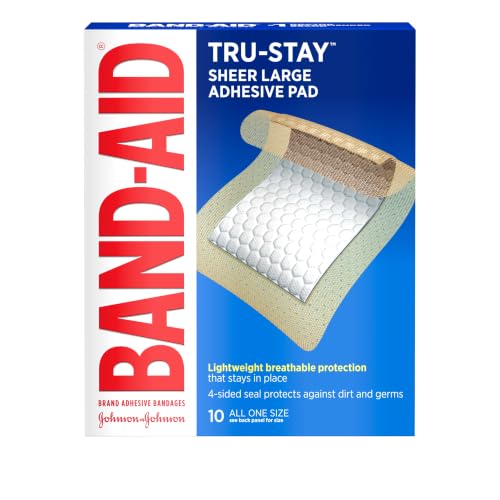
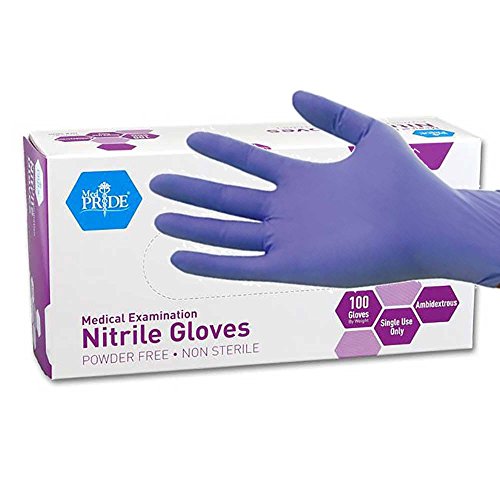

Last update on 2026-10-06 / Affiliate links / Images from Amazon Product Advertising API
READ MORE: Medical Supplies: Complete List Every Family Should Own
Common Mistakes People Make During a Supply Audit
Most families who complete their first audit run into these common problems:
- Replacing without a rotation system. Buying new food and adding it to the existing pile without FIFO rotation means the oldest food stays at the bottom. New stock goes behind old stock. When you cook, pull from the front. Store what you rotate; rotate what you store.
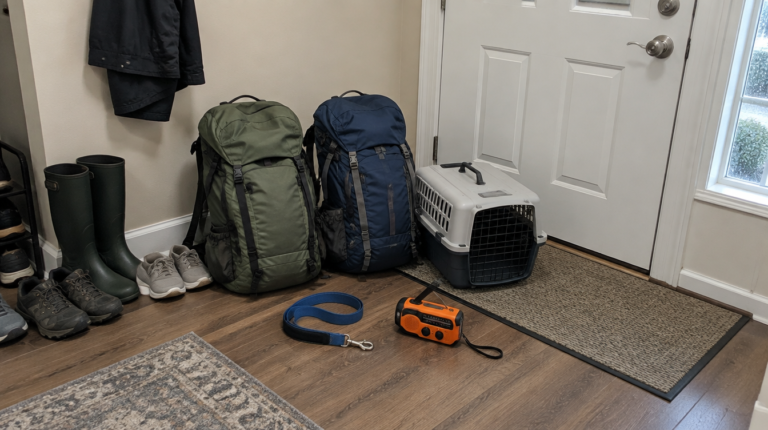
- Skipping the family walkthrough. Your supplies are only as good as your family’s ability to use them if you’re not there. Before you close the kit, walk every family member through where it is, what the categories are, and when to use it.
- Storing batteries inside devices. This is how corroded battery leaks destroy radios and flashlights. Every battery-powered device in your emergency kit should have batteries stored separately in a labeled zip-lock bag.
- Treating the 72-hour kit as the finish line. FEMA’s 72-hour protocol is the minimum preparation. Real emergencies routinely extend beyond three days. Each year’s audit should push the standard forward: 72-hour → 2-week → 3-month.
Your First Step This Weekend
Pick a Saturday morning. Pull everything out and work through the four categories, food, water, batteries, first aid, against this checklist. Write down what needs replacing and order the replacements before you put everything back.
Then do the one thing most families skip: walk your family through the kit. Show your kids where it is and tell them what it’s for. That 15-minute conversation is worth more than any individual item you could add.
QUICK POLL
How long should you actually prep emergency supply for?
Tells us more about your choice in the comments below!


2 thoughts on “Spring Emergency Supply Audit 2026”
I’ve lived through hurricanes that killed electrical power for well in excess a week. Fuel, food and medical supplies were in short supply during each event. if you didn’t have supplies stock piled, you were literally up the creek without a paddle in some cases. It didn’t happen to me because I was prepared. The only thing I could have used more of was ice. And I now have solved even that issue. Now this is only an example, but what about fires and tornados. It still applies. And God forbid, what if China or Russia or even North Korea decide to get froggy? Being ready is the only logical choice. Anything else is sticking your head in the sand, or worse, outright suicidal behavior.
Couldn’t agree more, Richard. Experience is a brutal teacher, and 72 hours is rarely enough. I’m curious about that ice fix, though. that’s a clever detail. What’s the setup?