Snow Squall Driving Safety At a Glance
Use this snow squall driving safety checklist to act fast when visibility drops:
- Detect the squall early and commit to the protocol.
- Decelerate smoothly. No abrupt braking unless impact is imminent.
- Use low beams. Use hazards briefly during abnormal slowing, then turn them off when speed stabilizes.
- Build 8 to 10 seconds of following distance.
- Exit active lanes early. Prioritize ramps, then rest areas, then wide safe shoulders.
- Once clear of traffic, shelter in place until conditions improve.
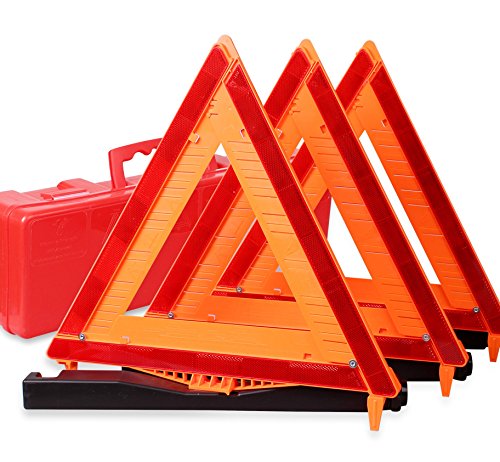
- EFFECTIVE REFLECTIVE: Our road triangles are DOT approved and meet U.S. Federal Motor Vehicle Safety Standard FMVSS...
- COMPLETE VISIBILITY: Composed of 17 x 17 Inches reflective panel and fluorescent plate, our reflective triangles are...
Last update on 2026-09-21 / Affiliate links / Images from Amazon Product Advertising API
(As an Amazon Associate, we earn from qualifying purchases.)
Snow squalls give you seconds, not minutes. This snow squall driving safety guide shows what to do in order so you can slow early, build space, exit lanes, and wait for visibility to return.
What a Snow Squall Is and Why It Is Different
A snow squall is a short, intense burst of wind driven snow that can erase visibility in seconds and turn bare pavement slick almost immediately. The unique risk comes from the sudden loss of sightlines and rapid changes in traction.
Treat the first signs as an oncoming hazard and start the protocol at once.
The Snow Squall Driving Safety Protocol
Follow these steps in sequence. Do not skip ahead.

1. Detect
Do this: Activate the snow squall driving safety protocol if visibility drops by half within seconds, lane lines disappear, taillights ahead vanish, or the road surface turns flat white or dull gray. Assume the squall will intensify before it improves.
Do not: Wait for an app alert. Try to beat the storm by accelerating.
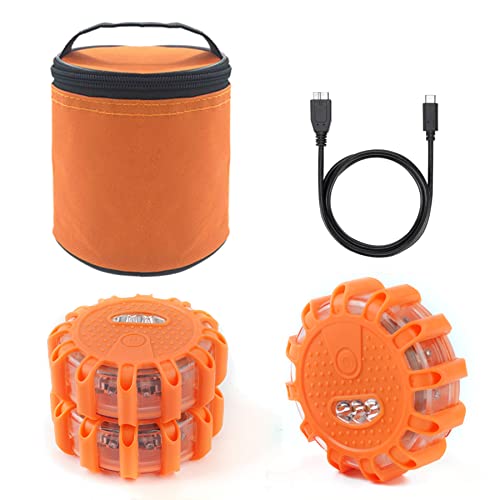
- VEHICLE SAFETY:LED Road Flares Emergency Lights, A safety Kit you must have for cars, trucks, boats, vehicles, marines or...
- 9 DIFFERENT EMERGENCY FLASHING MODES - Each LED Safety flare light has 9 flashing modes for different SOS rescue signals both...
Last update on 2026-09-21 / Affiliate links / Images from Amazon Product Advertising API
Why this step comes first: Delayed recognition leads to late braking and unsafe lane decisions.

2. Decelerate
Do this: Ease off the throttle, then apply smooth, progressive braking. Keep steering inputs small. Your speed must never exceed what you can see to stop.
Do not: Brake hard unless a collision is imminent. Use cruise control. Make sudden steering corrections.
Snow squall driving safety tip: Set speed first, then space. Speed without vision creates chain reaction braking.

3. Lights
Do this: For snow squall driving safety, turn on low beams immediately. Use hazards for 10 to 20 seconds while you slow more than normal to alert drivers behind you. Turn hazards off once speed stabilizes. Reactivate briefly only if you must slow again.
Do not: Use high beams. Blowing snow reflects light back and ruins depth perception. Do not rely on hazards alone or leave them on continuously at highway speed.

4. Space
Goal: For snow squall driving safety, keep 8 to 10 seconds of following distance or more.
Do this
-
If you cannot see brake lights ahead, assume traffic may be stopped.
-
Stagger your lane position so you are not directly behind the vehicle in front.
-
Keep an escape path to a shoulder or open lane.
-
Check mirrors every 5 to 8 seconds to track who is closing from behind.
-
If someone tailgates, ease off slightly to rebuild the space in front.
-
Let faster vehicles pass instead of matching their speed.
Extra cues
-
Add more space behind plows, trucks, and buses.
-
Expect longer stops on bridges and untreated patches.
-
If taillights bunch up, back out of the pack and create your own buffer.
Do not
-
Follow taillights closely.
-
Drive in tight clusters.
-
Weave for a “faster” pocket. Tight spacing sets up chain reaction crashes.

5. Exit Lanes
This is the commitment point of the snow squall driving safety protocol.
Do this: Commit early to leaving active travel lanes. Preferred order: 1) highway exit, 2) rest area or service plaza, 3) wide shoulder that is well clear of traffic. Signal early, move predictably, and clear the lane fully before reducing speed further.
Know this: Shoulder use carries risk. Use it only to avoid imminent danger and only where you are fully visible and out of live traffic.
Do not: Stop in live lanes. Make last second dives for exits. Stop on blind curves or narrow shoulders.

6. Shelter
Once you are safely off the roadway and fully clear of traffic:
-
Keep low beams on so your vehicle remains visible
-
Stay in the vehicle with seatbelts on
-
Keep the exhaust clear of snow if idling
-
Wait for visibility to return before re entering traffic

- DESIGNED FOR DURABILITY: Our Ever Ready First Aid wool blankets are built to last, featuring a sturdy construction that holds...
- VERSATILE AND STYLISH: Loom-woven and hemmed on all sides with contrast stitching, our Olive Drab blanket is perfect for...
Last update on 2026-09-21 / Affiliate links / Images from Amazon Product Advertising API
Quick Decision Guide: Exit Or Stay
-
If you can reach an exit or rest area predictably: Exit.
-
If the only option is a wide, safe shoulder: Use it and get fully clear of travel lanes.
-
If visibility drops to zero before you can exit: Continue a controlled slowdown while signaling, avoid abrupt stops in lane, and move to the first safe out. The greatest pileup risk is in active lanes, not after vehicles have exited.
Family And Passenger Adjustments
Vehicle Readiness That Supports The Protocol
No specialty gear is required. The essentials for snow squall driving safety are:
-
Clean windshield and mirrors inside and out
-
Working defroster, headlights, and hazards
-
Adequate fuel for periodic idling
-
Tires suitable for winter conditions
-
Simple visibility aids such as reflective triangles or LED flares stored where you can deploy them from a safe position off the road
Final Thoughts
Snow squalls erase visibility faster than they give you time to choose. This snow squall driving safety protocol gives you a clear order of operations when everything else disappears. Treat the first signs as your trigger, not your warning.
Do it in sequence: Detect early. Slow smoothly. Signal clearly. Create space. Exit lanes. Shelter smart.
Practice the steps now, brief your passengers, and keep the plan within reach. Read once. Execute in order. Stay patient until visibility returns, then re enter traffic only when you can see to stop.
FAQs
Q: What is the best snow squall driving safety strategy?
Detect early, decelerate smoothly, use low beams, build 8 to 10 seconds of space, exit active lanes early, and shelter until visibility improves.
Q: Should you use hazard lights during a snow squall?
Yes, briefly during abnormal slowing, then off once speed stabilizes so brake lights remain clear.
Q: Is it safer to pull over during a snow squall?
It is safer to exit active lanes early. Prioritize ramps and rest areas. If a shoulder is your only option, stop only when fully clear of live traffic and clearly visible.
Q: What causes most snow squall pileups?
Late braking, tailgating, misuse of hazards, and vehicles stopping in live lanes without enough warning.
Q: What should you do if visibility hits zero?
If you are already off the roadway, stay in the vehicle, keep lights on, and wait for conditions to improve before re entering traffic. If you are still in a live lane, continue a smooth slowdown while signaling and move to the first safe exit or wide shoulder.