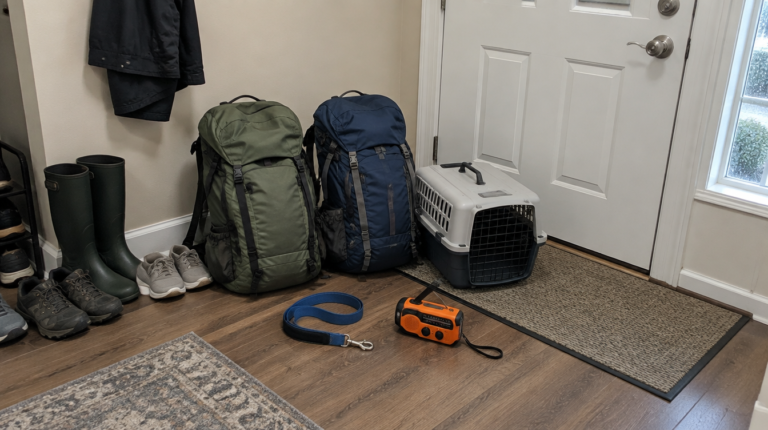
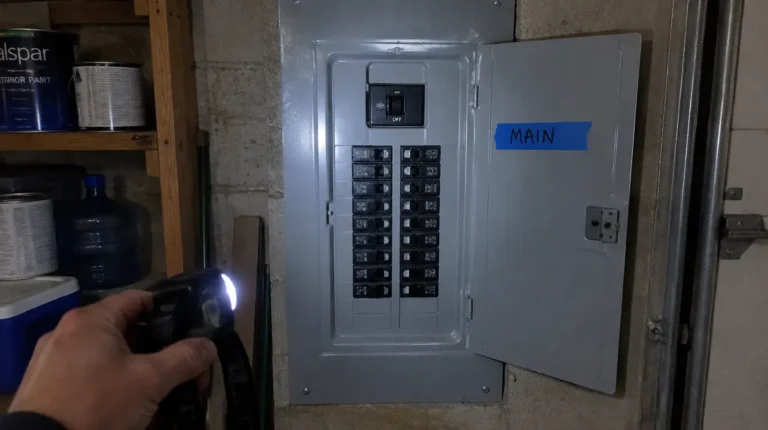
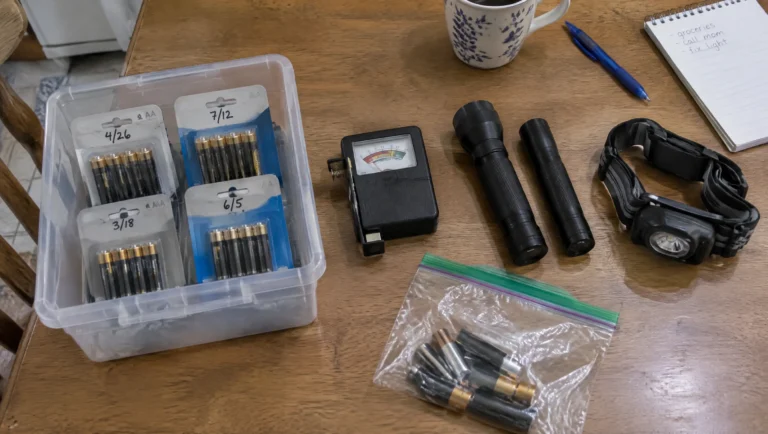
There is one preparedness task that actually delivers confidence instead of another unfinished plan: this go bag checklist is a focused, one-sitting check to confirm that what you already packed still works, still matches the conditions ahead, and still earns its place in your bag.
There is no rebuilding, no shopping spree, and no gear flexing. This is a calm, deliberate reset designed to replace assumptions with certainty. You finish knowing your bag will perform when it matters.
Affiliate disclosure: Survival Life may earn a commission if you buy through the links below, at no extra cost to you. As an Amazon Associate, we earn from qualifying purchases.
At a Glance: Go Bag Checklist
- Time: One hour, no shopping, done in one sitting.
- Expirables first: Meds, batteries, water tabs, food. When in doubt, replace.
- Winter swaps: Gloves, warm hat, compressible insulation. Cold breaks plans fast.
- Power check: Test your light, swap batteries, confirm the power bank and cables work.
- Two quick wins: A tourniquet and a triangular bandage. Minimal weight, maximum value.
Why This Go Bag Checklist Works When Others Fail
Most go bags do not fail all at once. They fall out of readiness over time as batteries slowly drain, medications expire, and cold weather exposes gaps that never showed up over the summer. A structured checklist catches those quiet failures by requiring real verification instead of memory.
This check creates clarity. By the end, your bag has either earned your confidence or clearly shown you what needs attention.
Step 1: Start by Pulling Everything Out
Place your bag on a clear surface and open every compartment. Remove everything and lay it out so you can see it at once. This step matters because buried items create false confidence. If you cannot see it easily now, you will not find it quickly later.
The moment your bag is empty, the process becomes a verification exercise rather than a guessing game.
Rule: This is not the time to browse gear or make upgrade lists. Use what you already own.
Step 2: Expirables and Consumables
Every effective go bag checklist starts here, because these items fail first and matter most.
Medications and first aid
Check expiration dates on all personal medications and first aid supplies. Remove anything expired, unlabeled, or questionable. Dried ointments, cracked packaging, or discolored bandages should not be carried forward into another season. The American Red Cross recommends checking kit expiration dates on this same rotating basis, not just after use.
A simple standard applies here. If you would hesitate to use it on someone you care about, it does not belong in your bag.
Batteries and fuel
Test every battery-powered item instead of assuming it works. Replace weak or inconsistent cells immediately and discard anything corroded or swollen. Consolidating battery types simplifies future replacements and reduces confusion during stress.
Water and food
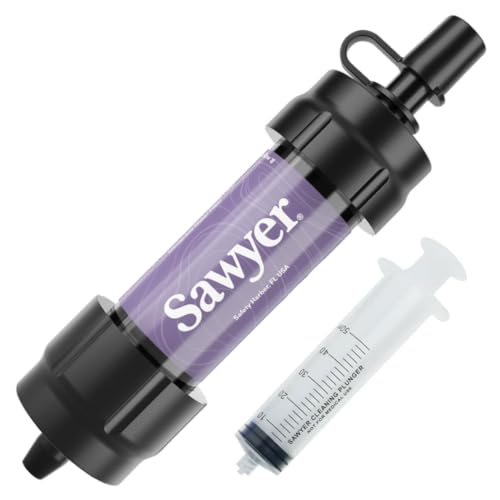
- Ideal for outdoor recreation, hiking, camping, scouting, domestic or international travel, and emergency preparedness
- High-performance 0.1 micron absolute inline filter fits in the palm of your hand and weighs just 2 ounces; 100% of MINI units...
Last update on 2026-10-11 / Affiliate links / Images from Amazon Product Advertising API
Affiliate disclosure: Survival Life may earn a commission if you buy through this link, at no extra cost to you.
Inspect purification tablets, filters, and packaging closely. Rotate out food that is crushed, sticky, or compromised. Reliability matters more than variety. The best calories are the ones you know you can tolerate and access easily.
Decision rule: If you hesitate, remove it. Doubt is a failure signal.
Step 3: Winter Readiness
Cold amplifies problems quickly. A winter-focused check does not require bulky gear, but it does require smart coverage.

- Ideal for skiers, fishermen, hunters, campers,
Last update on 2026-10-11 / Affiliate links / Images from Amazon Product Advertising API
Affiliate disclosure: Survival Life may earn a commission if you buy through this link, at no extra cost to you.
Prioritize hands, head, and insulation. Gloves should keep your hands warm while still allowing you to zip the bag or handle small items. A warm hat that covers the ears delivers immediate heat retention. A compressible insulating layer adds resilience without consuming valuable space.
Pack these items so they are accessible. Insulation buried at the bottom of the bag might as well not exist when conditions change suddenly.
Step 4: Power Verification
Power is a core system, not a convenience, which is why this check must verify it directly rather than assume it.
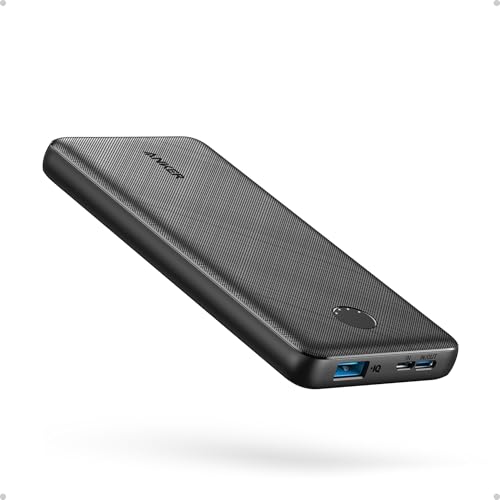
- Slim Size, Big Power: One of the slimmest and lightest 10,000mAh portable chargers on the market. Provides 2 charges for...
- Lightweight and Compact: With its compact 5.99 × 2.81 × 0.61-inch size and weighing a mere 8.6 oz, it's designed for...
Last update on 2026-10-11 / Affiliate links / Images from Amazon Product Advertising API
Affiliate disclosure: Survival Life may earn a commission if you buy through this link, at no extra cost to you.
Turn on your flashlight or headlamp and cycle through its modes. Check the switch and lens for grit or damage. Replace batteries proactively instead of waiting for failure. Confirm your power bank holds a charge and that the cable you carry actually fits your phone.
A device that only works after troubleshooting is not ready.
Step 5: Communications Check
Communication gear often sits untouched for months, which is exactly how it fails.
Turn your radio on and confirm it receives a signal. Adjust volume and settings so they are usable without fine motor skills. Update any channel or frequency reference you carry. On your phone, confirm emergency contacts and consider a simple paper backup.
Treat communication as basic reliability, not advanced capability.
Step 6: ID and Cash Review
Paper still works when systems do not, which makes this step quietly critical.
Refresh photocopies of identification, insurance, and other essential documents. Add a short emergency note with allergies or medical needs, and rotate cash into small bills that are easier to use when electronic payment systems are unavailable.
Store all paper items in a moisture-resistant sleeve so they remain readable in poor conditions.
Step 7: High-Value Medical Adds
A smart go bag includes a few items that deliver outsized value without turning the bag into a medical kit.
A tourniquet should be accessible, not buried. The American College of Surgeons’ Stop the Bleed program teaches civilians to treat direct pressure, wound packing, and tourniquet application as the three core actions for life-threatening bleeding — it is a tool that deserves familiarity, not just a place in the bag. A triangular bandage adds flexibility for slings, pressure dressings, and support while taking up minimal space.
These items are about stabilizing problems long enough to reach help, not replacing professional care.
Optional Gear Fixes (Only If Something Failed)
If this check revealed a clear failure, replace only what did not pass. Keep decisions simple and intentional.
- Light: Flashlight or headlamp using common batteries
- Power: Reliable power bank with compatible cable
- Water: Purification tabs or filter you know how to use
- Medical: Tourniquet and triangular bandage
- Warmth: Gloves or compressible insulating layer
Fix confirmed problems. Ignore hypothetical upgrades.
Quick Go Bag Checklist
Use this quick view to confirm completion.
- Bag emptied and repacked with visible items
- Medications and first aid inspected
- Batteries tested and standardized
- Water and food verified
- Winter layers added and accessible
- Light and power confirmed functional
- Communications tested
- ID copies and small bills refreshed
- Tourniquet and triangular bandage included
When this list is complete, you are good to go.
Do one thing today
Set a 60-minute timer right now and empty your bag onto a clear table. You do not need to finish the whole list tonight — but starting while the timer is running is what turns this from an intention into a completed check.
Common Mistakes
Many bags fail due to habits, not shortages.
- Letting the list grow until it feels unmanageable. A bag stuffed with maybes gets harder to check and harder to carry, so items stop getting tested at all.
- Adding new gear without testing it. An unopened package is inventory, not capability — the first time you use it should not be the emergency.
- Ignoring seasonal changes. Summer gear left in a winter bag, or vice versa, is the single most common reason a “ready” bag fails on the day it is needed.
- Assuming power instead of verifying it. A flashlight that worked last spring can be dead by fall; batteries drain even when nothing is switched on.
- Forgetting paper backups. Phones die and signal drops — a paper copy of contacts and IDs works when nothing electronic does.
This checklist is built to catch all five before they cost you.
Close the Loop
Zip the bag and stage it where you can grab it without thinking. Set a reminder to repeat this go bag checklist at the next seasonal change — heading into winter is one of the two best times of year to run it, alongside spring. You have replaced uncertainty with verification, and your bag now works as intended.
For the rest of the household’s plan, pair this with a family emergency plan and, if you are building a bag from scratch rather than refreshing one, a full 72-hour bug-out bag checklist.
Prepared. Calm. Finished.
Frequently asked questions
A go bag checklist is used to verify that an emergency bag is functional, current, and appropriate for real-world conditions. It helps identify expired items, missing essentials, and seasonal gaps before an emergency occurs.
Yes. A go bag checklist focuses on portable, grab-and-go readiness, while an emergency kit list is designed for home storage. Go bag checklists prioritize mobility, weight control, and fast access.
Anyone who may experience power outages, severe weather, travel disruptions, or sudden evacuations can benefit from a go bag checklist, including families, commuters, travelers, and people in winter-prone regions.
A go bag checklist should be reviewed seasonally and after the bag is used. Life changes such as new medications, travel habits, or climate shifts are also good triggers for a review.
Yes. A go bag checklist evaluates function and reliability, not quantity. A minimalist bag that covers core needs can perform just as well as a larger bag filled with untested items.
The core stays consistent, but priorities can shift by location. Urban environments often emphasize documents and cash, while rural areas may prioritize warmth, lighting, and distance between services.
Checklists reduce errors and decision fatigue. A structured review ensures essential details are verified consistently, even when time is limited or stress is high.