Quick Summary
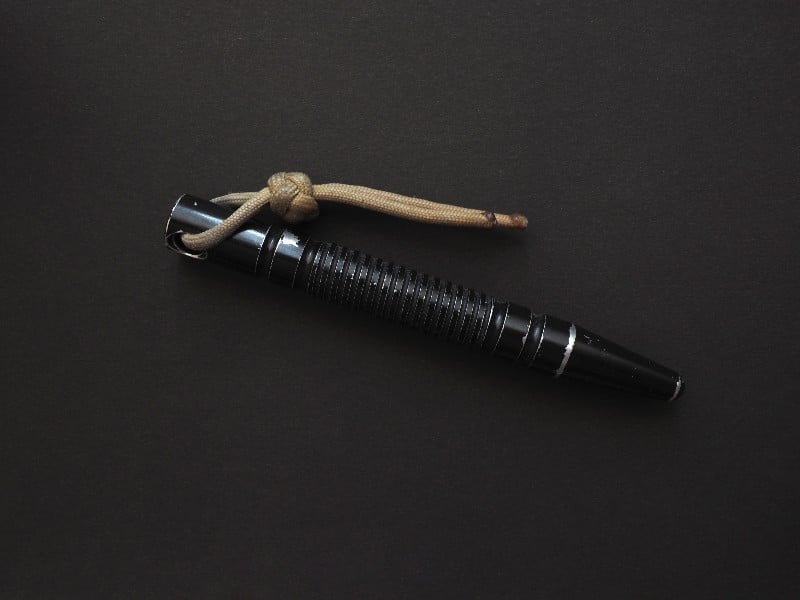
- The Kubotan is a small, often 5–6-inch-long key-chain weapon. Typically made of hard plastic or metal that doubles as a compact, concealable self-defense tool.
- It works as a “force multiplier”: gripped in a fist like a pen or marker, the Kubotan strengthens punches, enables pressure-point strikes, joint locks, or leverage, and targets vulnerable areas (wrists, ribs, neck, groin, etc.) to maximize defensive effectiveness.
- Because it is small, easy to carry or conceal (often on a keychain or bag), and doesn’t rely on ammunition or batteries, the Kubotan offers a relatively simple, reliable self-defense option, especially useful where pepper spray or knives may be restricted.
- Effective use of a Kubotan requires at least some knowledge of grip, pressure-point targeting, and control techniques; without training or proper technique, it may not deliver intended results.
Master the art of self-defense using a Kubotan! This small weapon could stop even the biggest attacker in its tracks. How? Check this out.
What would you do if someone grabbed you in a dark parking lot with nothing in your hands to fight back? For a lot of preppers, that question hits close to home. Stocking food and gear is essential, but all of that means little if you can’t defend yourself in the moment. A kubotan gives you an edge, as it’s small enough to attach to a keychain but strong enough to make a difference in close quarters. In this guide, you’ll learn the basics of how to hold, position, and use this tool so you’ll be able to protect yourself from an attacker.
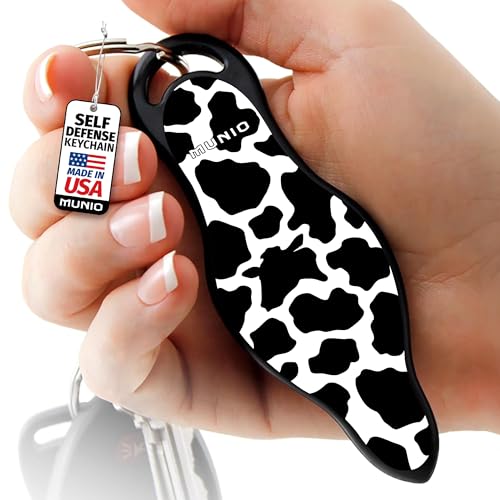
- RELIABLE PROTECTION THAT NEVER FAILS – Forget about batteries, expiration dates, or mechanical failure issues with pepper...
- CARRY IT ANYWHERE, EVEN ON PLANES – Skip the legal headaches of pepper spray or tactical pens. MUNIO self defense keychain...
Last update on 2026-09-28 / Affiliate links / Images from Amazon Product Advertising API
(As an Amazon Associate, we earn from qualifying purchases.)
RELATED: 6 Self-Defense Tools Every Prepper Should Have
What Is a Kubotan and How to Use It?

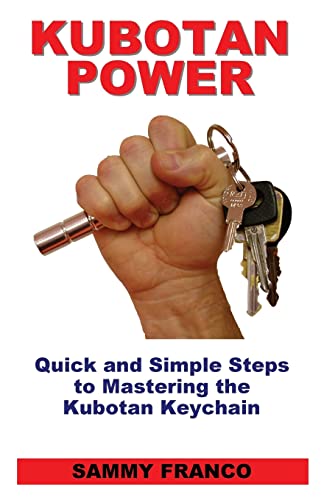
The Kubotan is a short stick usually made of aluminum or hard plastic and is around five to six inches long. Many versions are sold as “tactical keychains.” Due to its size and design, it’s also easy to hold and hide. You can grip it in your fist like a marker or let it protrude from your hand to focus strikes. In places where pepper spray or knives are restricted, this non-lethal keychain weapon becomes a practical option for anyone wanting protection. Overall, kubotan is a compact everyday-carry (EDC) self-defense tool trusted by both civilians and security professionals.

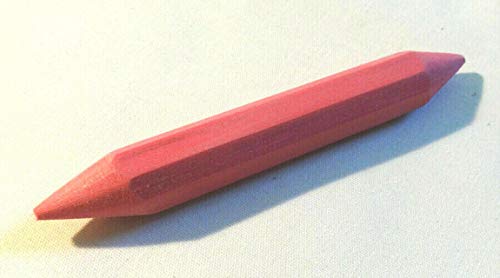
- Portable Protection: This discreet 2-pack of keychain self defense tools fit easily on your keyring for protection wherever...
- Self Defense Keychain Set: The blunt force design deters threats without causing serious harm, allowing you to create...
Last update on 2026-09-28 / Affiliate links / Images from Amazon Product Advertising API
Step 1: Grip
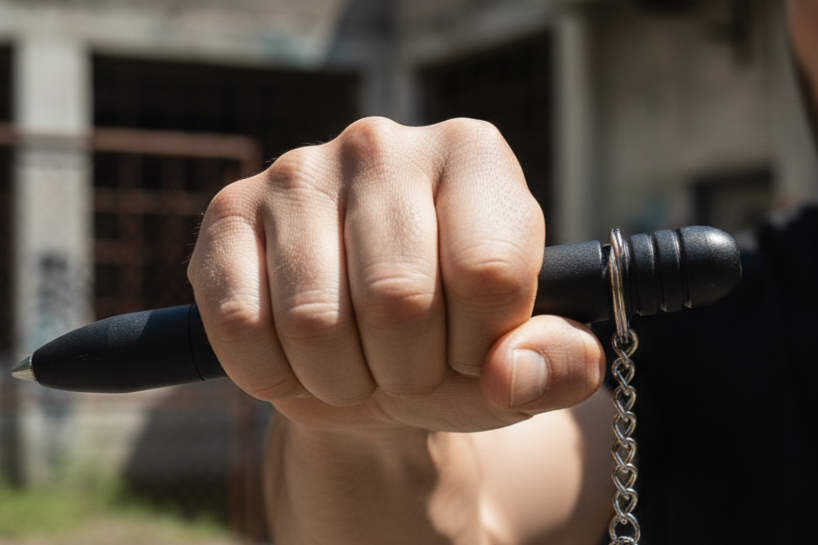
Knowing how to hold the kubotan is the first step in mastering the weapon. A firm, correct grip helps concentrate force on the tip and allows you to control direction. If your hold is weak, the tool will have a lesser impact or easily fall out of your hand. Here are five main gripping techniques to maximize its full stopping power:
Center Point Grip
Do this by holding the weapon in the middle. You can achieve better control by letting a small part stick out of your hand.
Hammer Grip
Grip it like you are holding a hammer to expose a part of the weapon above the thumb line.
Ice Pick Grip
Hold the weapon as if you’re gripping an ice pick. As opposed to the hammer grip, you expose the pointed area below your pinky line.
Reinforced Ice Pick Grip
This is like the ice pick grip. Placing your free hand above the kubotan adds more stopping power.
Saber Grip
Hold it exactly as you would a saber sword by extending your arm forward while gripping the weapon.
Step 2: Stance
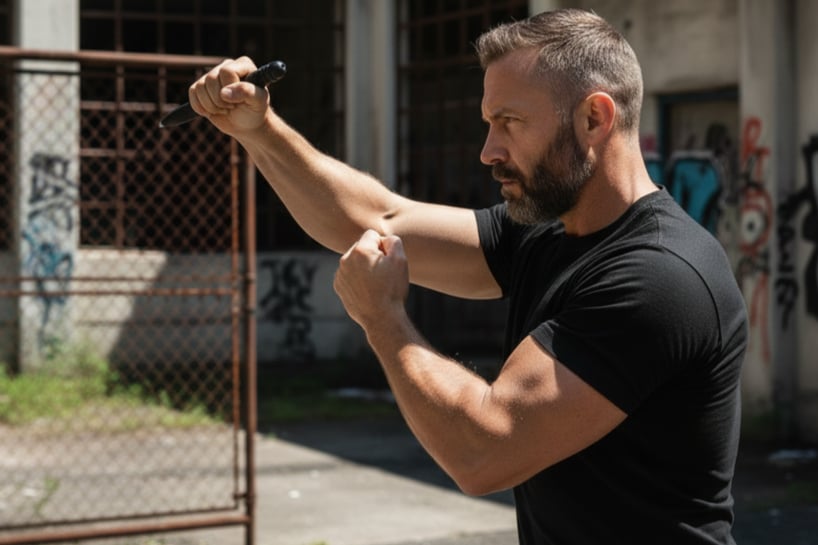
Learning proper kubotan stances is a huge factor in your success in using this weapon. Practice correct foot placement and weight distribution to deliver accurate strikes and get a faster recovery. The position of your attacker also determines what type of stance to use. Use low concealment when they approach from the side or when you need a free hand for control, and choose high concealment when the opponent closes in front and you need a snappy strike. To further explain these positions, here are the two main stances in using a kubotan.
Last update on 2026-09-28 / Affiliate links / Images from Amazon Product Advertising API
Low Concealment Stance
Do a low concealment stance by holding the kubotan down at either side of your upper body. With this position, one hand hides the weapon while the other limb is free to control the attacker’s advances.
High Concealment Stance
Suitable for close-range combat, a high concealment stance involves raising your hand at arm’s length. This position gives your free arm leeway to react faster while concealing the weapon from the attacker’s sight.
Step 3: Stab!
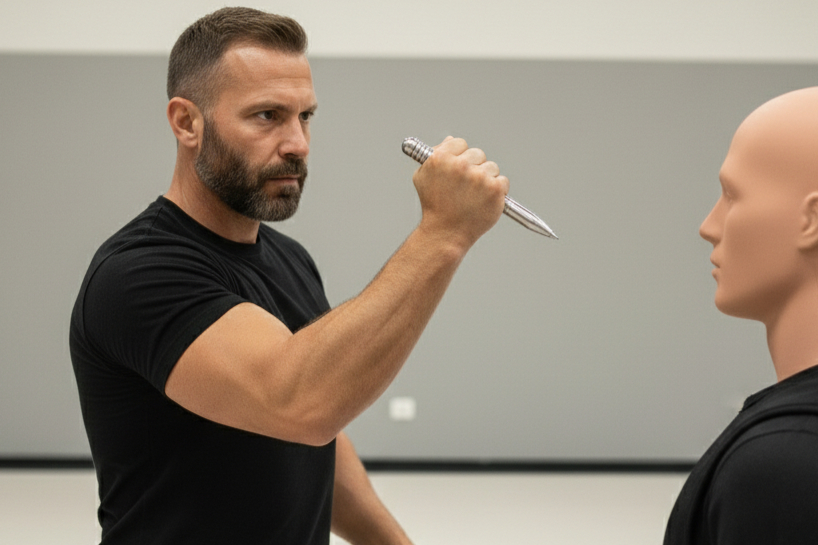
The next skill that you need to master is the proper stabbing technique. You need to stab a particular area with precision while using the full weight of your upper body for the strike. The key to this is to focus on the pressure points of the attacker’s body. Identifying the attacker’s pressure points determines the effectiveness of your strike.
11 Basic Pressure Areas to Hit with a Kubotan
Before striking, focus on mastering pressure-point defense techniques to disable an attacker efficiently without exerting massive force.
Here are the 11 pressure areas to target with a kubotan when you need to stop an attacker quickly:
- Eyes
- Base of skull
- Throat
- Ears
- Sternum
- Collar bone
- Solar plexus
- Spine
- Groin
- Hands
- Elbows
7 Tips to Keep in Mind When Learning How to Use a Kubotan
Before you start training with a Kubotan, it helps to understand a few core principles that make this small tool effective. These tips will guide your grip, targeting, and technique so you can use the Kubotan safely and confidently. Keep the following fundamentals in mind as you build your skills.

1. Learn Other Kubotan Techniques
Apart from the above-mentioned application, the kubotan has other self-defense techniques that even untrained people could master with minimal training time.
These methods include:
- Controlling Technique: You can use the kubotan to control an attacker. Apply steady pressure to vulnerable points to make the attacker loosen their grip or withdraw.
- Razing Technique: This approach is effective in taking down an attacker without lethal consequences. Striking the groin or solar plexus, for instance, could render your opponent immobile.
- Punch Enhancement Technique: Make your punching power stronger by gripping the kubotan to neutralize an attacker with minimal damage.
RELATED: 7 Self-Defense Martial Arts For Personal Safety And Survival
2. Improve Your Precision
What’s the point in carrying this compact weapon around without the skill to use it? Anyone can stab away with a kubotan, but the goal is precision. You can hone your techniques through consistent practice or by taking formal courses.
3. Develop Your Speed
Speed is crucial in making a kubotan an effective self-defense weapon. To develop it, use this drill: set a metronome to 60 BPM, hold the kubotan in a center-point grip, and strike a small, soft target 6–8 inches away on each beat, then recover on the off-beat.
4. Use it Defensively
Keep in mind that you can inflict serious physical harm or even take lives with a kubotan. You may even end up in jail for defending yourself. It’s important to have a defensive mindset before you start carrying this weapon around. The whole purpose of using it is for protection alone and nothing more.
5. Know its Legality
Laws vary by location, so research your area before carrying a kubotan. While legal in many U.S. states, they’re completely banned on airlines and in some countries. Carrying one across borders without checking regulations could turn a defensive tool into a liability.
6. Use it with Precaution
It is not unlikely for small kids to mistake a kubotan for a toy, as some versions look like fancy keychains. Make sure that this deadly item is always out of children’s reach, as they could inflict severe damage on others or themselves by playing with it
7. Use it Instinctively
The whole point of carrying a kubotan is for you to use it when the need arises. Combine your practice with tactical self-protection training or drills that simulate real-life pressure, so you’ll become more instinctive during a dangerous situation.
A Small Tool With Serious Power
We’re living in a dangerous world where awareness and preparation matter as much as strength. A kubotan gives you a simple, legal way to protect yourself when someone crosses the line. From personal safety for women and veterans to daily commuters heading home after dark, learning to use a kubotan means you have a solid, ready tool to defend yourself when it counts.
Carry a Kubotan and Learn the Basics
Add a Kubotan to your keychain today and practice a few core strikes and pressure-point moves. It’s affordable, discreet, and easy to master, and it could give you the advantage you need in a dangerous situation.
FAQs
1. Is carrying a kubotan legal in the United States?
Laws vary by state and even by city. In most U.S. states, kubotans are legal to carry as a self-defense tool. However, they’re banned on commercial flights and restricted in some countries. Always check your local and travel regulations before adding one to your keychain.
2. Can a kubotan cause serious injury?
Yes. Even though it’s a non-lethal keychain weapon, improper or excessive use can cause lasting harm. A kubotan concentrates force into small impact points. Use it strictly for protection and aim for control areas, not to inflict unnecessary damage.
3. What’s the best way to practice using a kubotan safely?
Start with controlled drills on padded targets or training dummies. Focus first on grip, stance, and distance before speed. Combine practice with tactical self-protection training or situational awareness drills to improve reaction time and accuracy under stress.
What are your best personal safety tips? Keep the world safer by sharing your thoughts in the comment section below!
Would you recognize a threat before it happens?
Read our Situational Awareness Guide and practice real-world drills to avoid dangers.
Up Next: