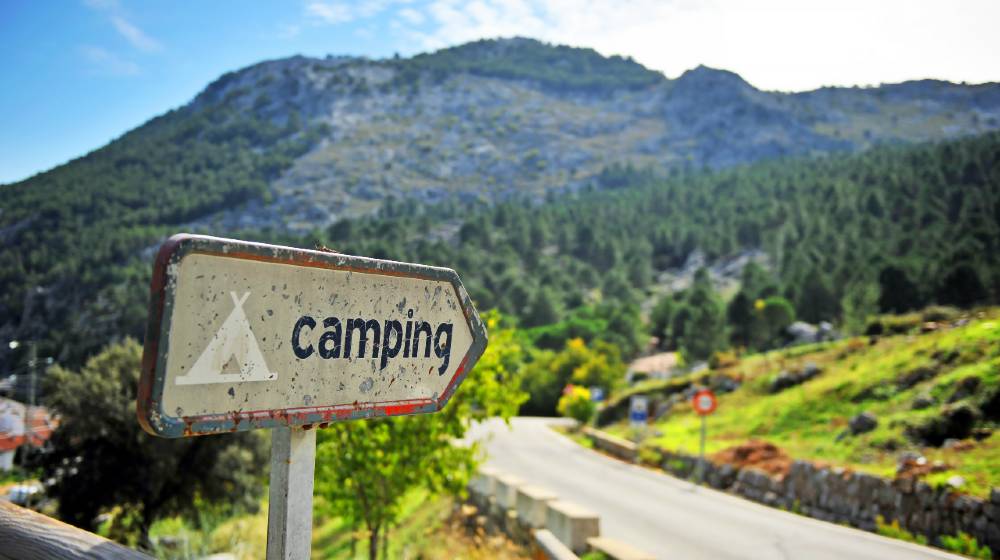

Do you know how to find a good campsite? Get your camping survival skills up by learning these 4Ws!
RELATED: 25 Top Camping Tips I Learned From My Old Man
The Four W’s of Finding A Campsite
Click here to jump to the instructographic.
1. Water
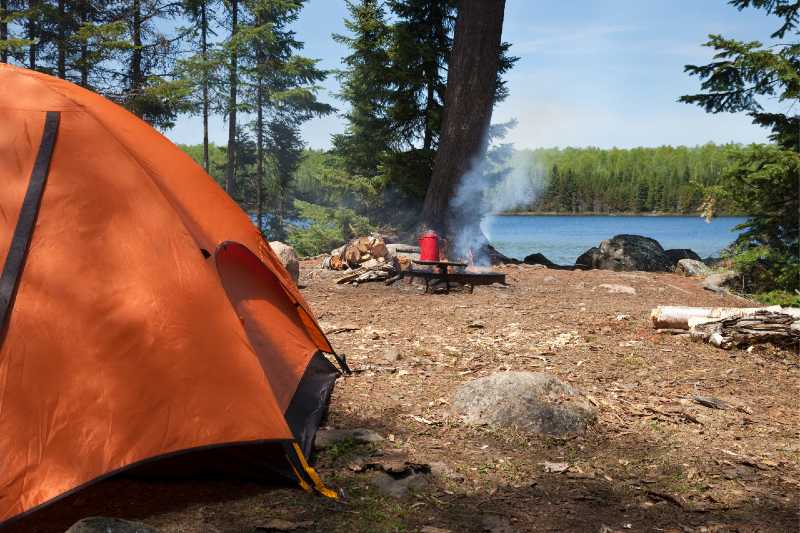
Do you know that we could last for more than a month without food but wouldn’t be able to last for more than 4 days without water? Make sure that water would be your number one priority for consideration in finding a campsite.
- Is there any source of water in the area?
- Is the water potable and is it stable?
Aside from these considerations, think also about your potential water source in two ways:
- Where is the water source located? The location will determine where you will set up camp.
- There should be a good source of clean drinking water.
Find a spot where your campsite will be safe from water-related damages.
Never settle for a position where water could collect during a storm. Avoid this dangerous situation by surveying the terrain. Avoid low areas where flooding may occur.
As a rule, never set camp on an area prone to erosion. To check for signs of water runoff, examine if the dirt and leaves were pushed in an unnatural direction.
Once you identify your water source, set your campsite at least 300 yards away from it. This will make potable water accessible for drinking and cleaning yet far enough from pollutants like human waste. Treat your clean water source as an ally. Be close but not that much.
2. Weather
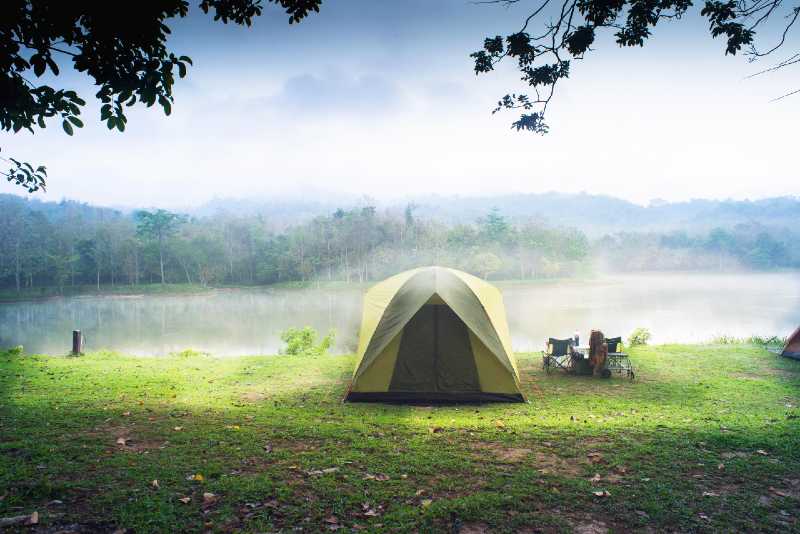
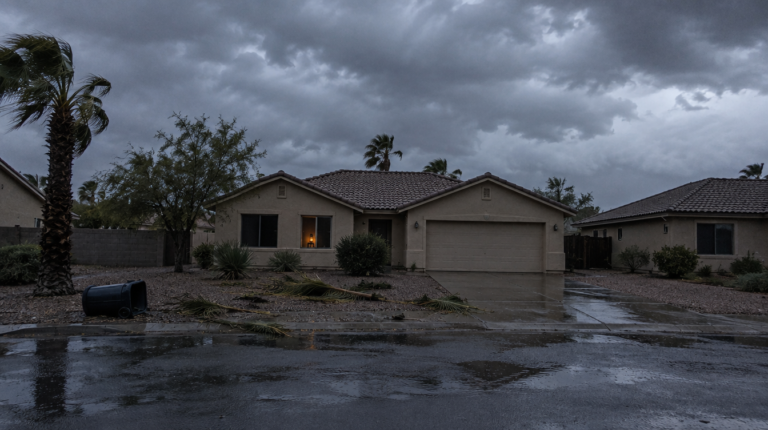
Another “W” that you need to keep in mind is the weather. Camping or not, we all understand how the weather is a crucial factor in our chances of survival. In any given situation, the possibility of storms or any bad weather formation demands critical attention.
When identifying a campsite, gather every information you could muster about the area’s weather history:
- Is it a storm-prone area?
- Are there any records of flash flooding?
By answering these types of questions, you can understand camping better.
Find the safest position to build your shelter based on frequent weather formations in the area. In wet and windy areas, you can plan and erect tents that can withstand inhospitable climate conditions. The key here is to understand your chances of adapting to specific conditions that may affect your daily grind.
The ideal location regardless of climate condition is somewhere between extremes. Building shelter in between high- and low-level areas is always a safe option. Avoid areas that are prone to erosion or landslides.
RELATED: Fire Safety Precautions When Building Campfires
3. Wood
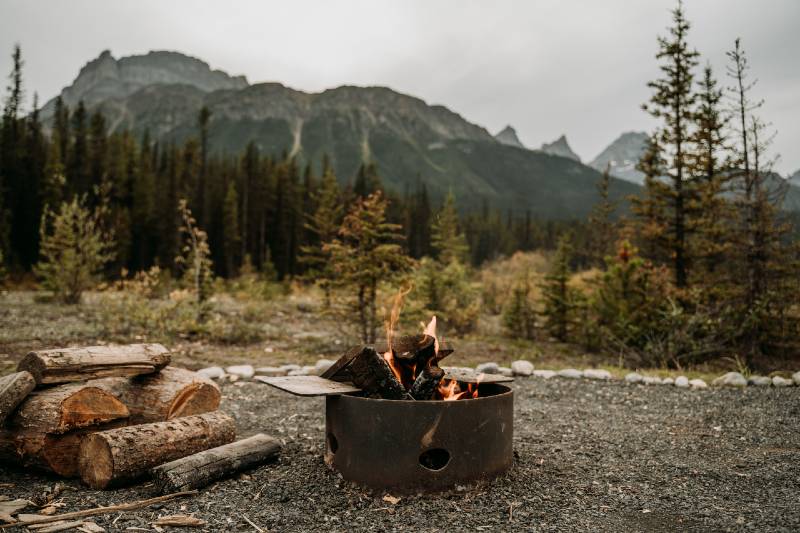
Wood is your prime source of shelter and fuel when setting up camp in the wild. You need wood to build a fire which is, next to the water, the life of a camp.
You need fire to cook food, for warmth, and for protection against predators.
Try to be closer to trees or other sources of wood if possible. Aside from chopping huge logs, you will also have to carry them to the camp. Being close to the source of wood will help save you from unnecessary labor.
Another rule is to collect as much firewood as you can. If possible, collect three to four times the amount you will need. It’s better to have more than run short during wet weather.
4. Wild Things
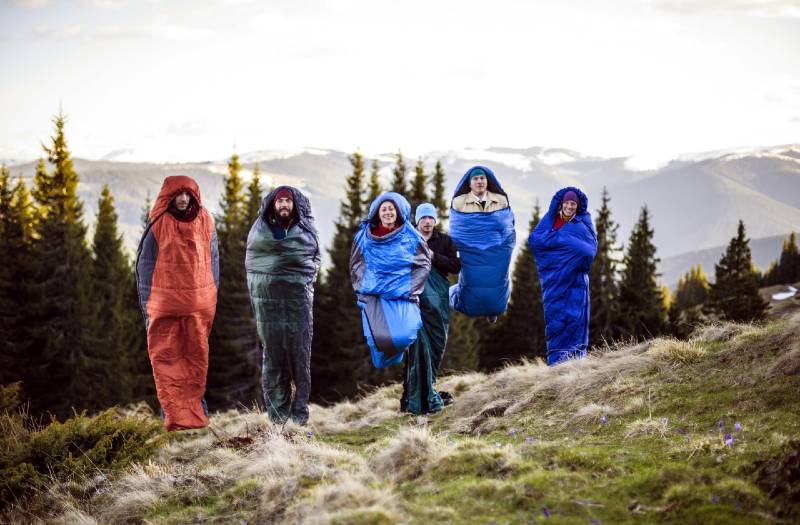
Wild things are a cause for concern when you are in an isolated area surrounded by forests.
This brings us to our last but equally crucial “W” in finding a campsite. Those who already have enough experience on how to find a good campsite know how wild things could be a factor when building a shelter.
Wild things include among many others, pesky insects, venomous snakes, poisonous plants, and predators. Survey the area and examine potential locations that could also be a natural habitat for intruders. Simple precautions like camping at least 15 feet above lakes or streams would help ward off insects.
However, avoid pitching tents directly near water sources. Predators out for some refreshments may frequent these spots. Areas with burrows and holes are also a no-no. These locations may be home to snakes, raccoons, or even bears.
Here’s an instructographic guide. Don’t forget to download, save, or share this handy instructographic for reference:
With these four W’s, we hope you learn how to find a good campsite on your next trip to the great outdoors. Position awareness is a battle strategy that has been practiced since ancient times. Master your terrain and you will never fail. Happy camping!
[poll id=”92″]
What is so far the best campsite you have ever been to? Feel free to share your campfire stories in the comment section below!
Up Next:
- 25 Ways To Get Clean Drinking Water In An Emergency
- 5 Things You Should Never Do When Camping Alone
- Back to School Preparation | Prepping for a Safe Schoolyear
Calling all preppers, craftsmen, bushmasters, outdoorsmen, and all-around skilled people, Survival Life needs YOU! Click here if you want to write for us.
Don’t forget to stay connected with us on Facebook, Twitter, Pinterest, and Instagram!