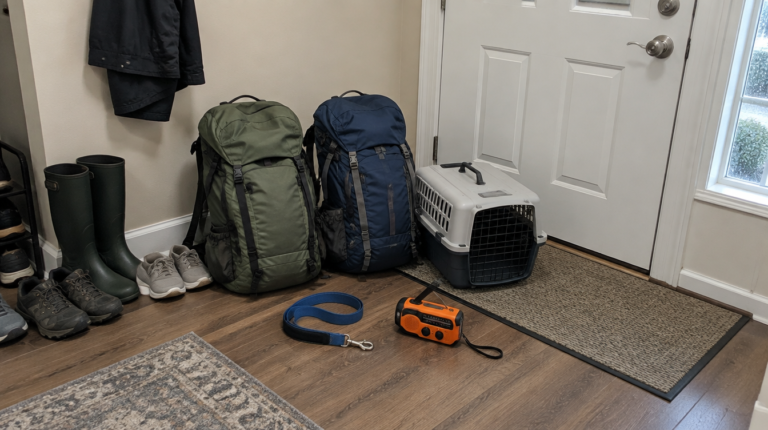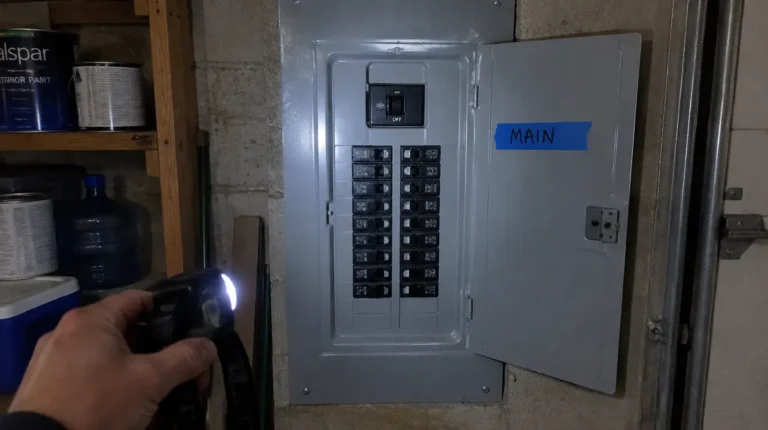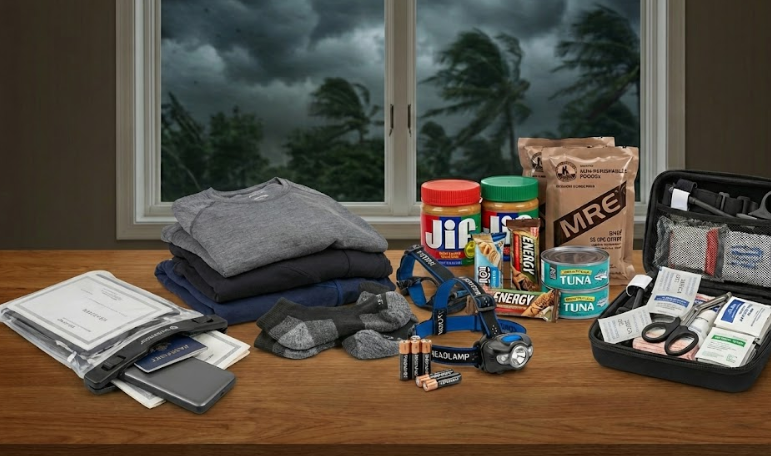

At a Glance: Hurricane Survival Kit and Must-Have Emergency Essentials
- Upgrade your core hurricane survival gear to include multi-stage water pre-filters, dry-seal document bags, no-cotton wicking layers, regulated tactical headlamps, no-cook metabolic food and more.
- Stockpile a 3-day supply of non-perishable survival food and at least 1 gallon of drinking water per person, per day, for up to 10 days.
- Customize your 72-hour disaster survival kit with infant formula, adult prescription medications, and waterproof storage for critical insurance policies and identification.
Our weather’s unpredictable behavior is a good reason to be prepared. Every household should have a 72-hour disaster survival kit to face whatever natural phenomenon comes their way. We have to be prepared ahead of time to ensure our safety. So before the hurricane season begins, it is wise to have the necessary things that will be vital for our survival. Scroll down and check out this list of what should be included in your hurricane survival kit.
The 7 Must-Have Hurricane Essentials
Most preppers overlook these tactical details, which leads to gear failure and other disastrous consequences. Before diving into the hurricane survival kit, let’s make sure you have these specific items secured.
1. Water Purification Kits
One common purification method clogs fast in silty floodwater, specifically standard hollow-fiber “straw” filters, because suspended sediment physically blocks the microscopic pores of the filter almost instantly, rendering it useless.
- The Fix: A multi-stage filtration process.
- How to Assemble a Sediment Pre-Filter Kit: First, let the turbid water sit in a bucket for 1 to 2 hours to allow heavy sediment to settle. Second, pour the top layer through a “pre-filter” like a coffee filter, a tightly woven bandana, or a ceramic pre-filter sleeve. Finally, use your primary filter or purification tablets on the pre-cleared water. Store at least 3 gallons per person inside your thermal envelope.
2. Document and Electronics Protection
One small storage mistake, like sealing gear on a humid day, turns containers into moisture traps that destroy electronics via condensation because trapped humidity liquefies as temperatures drop, shorting out devices and rotting critical paperwork.
- The Fix: Use a “Dry-Seal” method with desiccants.
- How to Assemble a Waterproof Document Storage: Place your electronics, IDs, and deeds inside a Mylar emergency blanket material, Mylar bag, or a heavy-duty dry bag. Before sealing, add silica gel desiccant packets to absorb ambient moisture. Heat-seal the Mylar or roll the dry bag at least three times to ensure an airtight barrier.
3. Wicking Insulation Layers
Throwing on your warmest cotton hoodie in damp flood conditions will actually pull vital heat directly away from your core because cotton is highly absorbent. Once it gets wet from rain or sweat, it loses all insulating properties and actively accelerates hypothermia.
- The Fix: Switch to a synthetic or protein-fiber layering system.
- How to Layer Clothes: Start with a “base layer” of polyester or merino wool clothing to wick moisture away from your skin and avoid cotton material. Add an insulating mid-layer made of fleece or wool, which retains heat even when soaking wet. Finish with a windproof and waterproof outerwear.
4. High-Lumen Headlamps or Flashlights
Some “1000 lumen” lights quietly cut output in half after a few minutes of use to prevent overheating, because budget lights use “thermal step-down” circuitry that automatically dims the beam to a fraction of its power to protect internal components.
- The Fix: Use “Regulated Output” lighting specifically designed for tactical or search-and-rescue use.
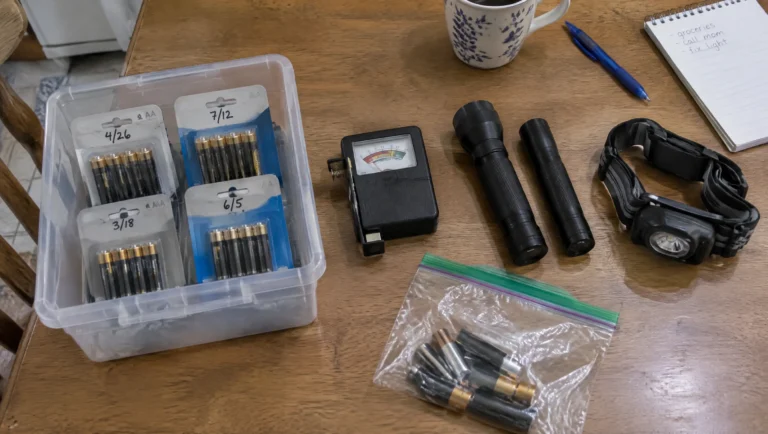
- What to Look For in Tactical Light: Ensure your headlamp is rated for “constant current” or “regulated output,” which maintains a steady beam until the battery is depleted. Always choose a headlamp or flashlight with spare batteries over a handheld flashlight to keep your hands free for survival tasks.
5. No-Cook Metabolic Stockpile
Stockpiling freeze-dried meals is a dangerous trap if you can’t safely boil water indoors during a blackout, because preparing these meals wastes both precious fuel and your limited clean water supply while posing a high risk of carbon monoxide poisoning from indoor stoves.
- The Fix: Pivot to “Metabolic Heaters,” meaning foods that provide high calories without any preparation.
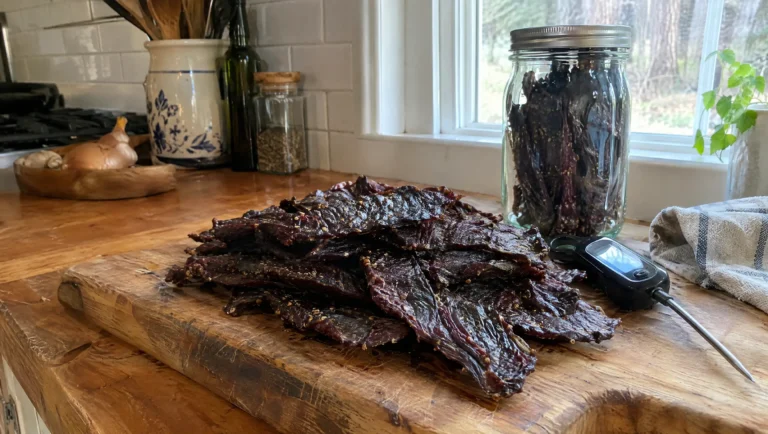
- What Emergency Food to Stock: Prioritize high-fat, high-calorie staples like peanut butter, nuts, and olive oil. Consuming a high-fat snack right before sleep forces your body to digest, which helps insulate it in a “grid-down” environment.
6. Trauma-Focused First Aid
Most home kits lack the item that prevents minor flood cuts from escalating because standard adhesive bandages do not stay attached to wet skin and offer zero protection against the toxic bacteria found in flood runoff.
- The Fix: Incorporate a “Seal and Shield” protocol into your kit.
- How to Assemble an Emergency First Aid Kit: Add a liquid bandage to seal small nicks instantly. For larger wounds, include marine-grade waterproof dressings and an antiseptic cleansing agent to kill pathogens on contact before they enter the bloodstream.
7. Emergency Communication Radio
Many rely on hand-crank radios with internal cells that silently degrade and won’t hold a charge because internal rechargeable batteries lose capacity if they are not cycled regularly. After a year in a closet, the crank may only provide seconds of power.
- The Fix: Implement a “Dual-Power” backup system.
- What to Look For in Emergency Radios: Ensure your radio has a compartment for standard alkaline batteries in addition to solar and crank options. Follow the “PACE” protocol: keep phones OFF and only power them on for 5 minutes every 3rd hour to check for official alerts.
To make building your kit a little easier, I’m just going to open up my own bag and show you what I carry. These are the exact items I trust to keep my own family safe and self-reliant when SHTF.
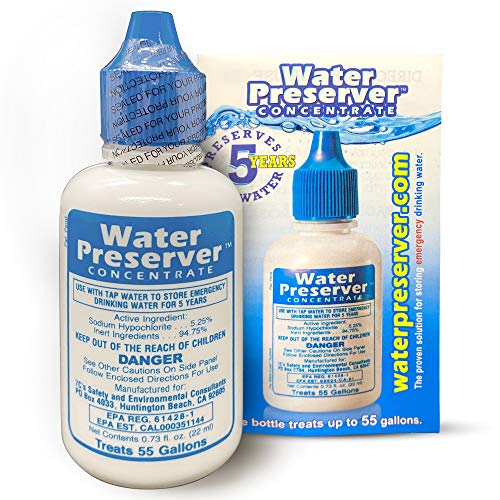

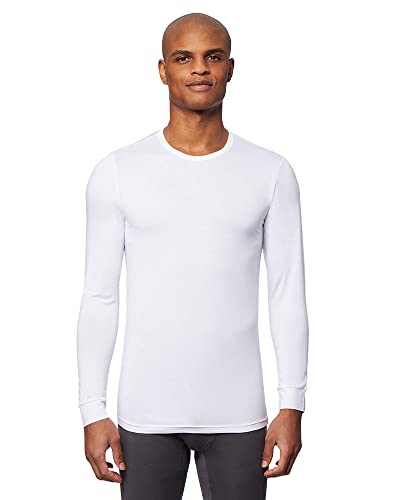
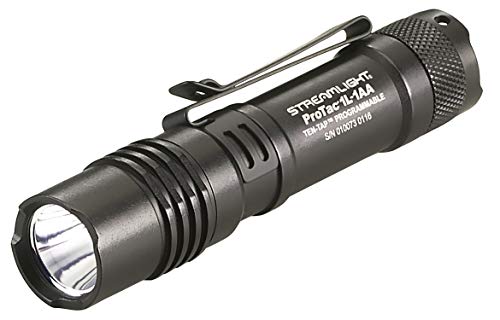

Last update on 2026-10-09 / Affiliate links / Images from Amazon Product Advertising API
(As an Amazon Associate, we earn from qualifying purchases.)
Here’s What Your Hurricane Survival Kit Should Look Like
Weather forecasting methods and equipment are getting better and better as time goes by. But still, we cannot be complacent enough for we all know that the weather’s erratic mood might lead into something more devastating than expected. Katrina and Wilma will always serve as bitter reminders that preparedness is the key to survival. So start early and avoid the rush at home supply stores, grocery stores, and places that are normally crowded when the warnings have been issued. You don’t want to be caught in a situation where there’s a shortage of commodity and then the people becomes an unruly mob that ransacks every store to fight over supplies. So before SHTF, prepare what you need. Below is a list of what should be found in your hurricane survival kit.
Food
You need to store at least a 3-day supply of non-perishable food. Choose food that require no refrigeration, no cooking, or little or no water. You also have to choose food that the family will eat or it will just lead you to starvation. And avoid food that will make you thirsty. You can include the following food on your list:
- Ready-to-eat canned meats, fruits, and vegetables
- Canned juices
- Staples (salt, sugar, pepper, spices, etc.)
- High energy foods
- Vitamins
- Food for infants
- Comfort/stress foods
Water
Water is always an essential component of survival. Store at least a gallon daily per person for 7-10 days. Store it in a plastic container and avoid containers that will easily decompose or break. Don’t forget to separate water for drinking and for sanitation.
First Aid Kit
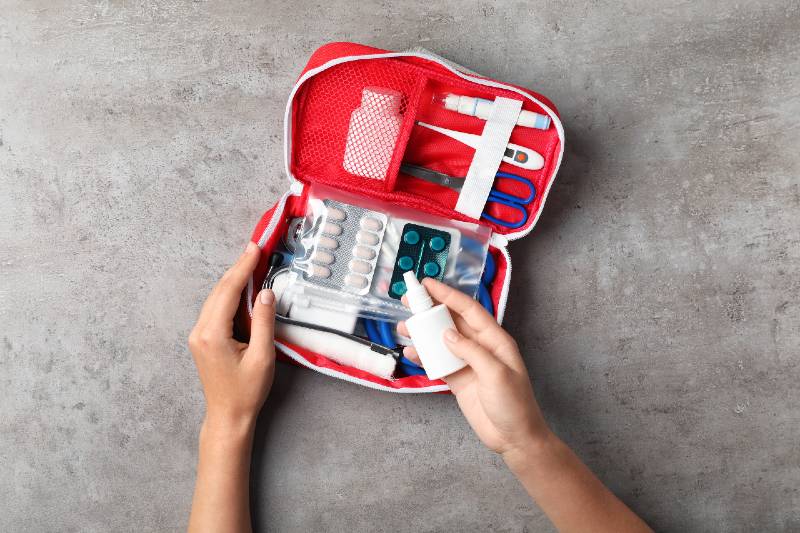
First aid kits should always be included because safety is a must and not just an option. It is always better to be prepared and give immediate attention if a family member gets injured Assemble a kit for your home and for your car. Don’t ever forget to include non-prescription drugs. Below is a list of items that should be in your kit.
- Two pairs of Latex or other sterile gloves
- Sterile dressings to stop bleeding
- Cleansing agent/soap and antibiotic towelettes
- Antibiotic ointment
- Burn ointment
- Adhesive bandages in a variety of sizes
- Eye wash solution to flush the eyes or as general decontaminant
- Thermometer
- Scissors
- Tweezers
- Tube of petroleum jelly or other lubricants
And for non-prescription drugs, the following should not be neglected:
- Aspirin or nonaspirin pain reliever
- Anti-diarrhea medication
- Antacid (for stomach upset)
- Laxative
- Activated charcoal
Sanitation
Toiletries must always be added to your hurricane survival kit. Its importance is sometimes overlooked, but you need to be aware that cleanliness should be observed at all times. This is to avoid contamination or infection that might result into something worst if it’s not taken care of. These items below should be included in your sanitation supplies:
- Toilet paper, towelettes
- Soap, liquid detergent
- Feminine supplies
- Personal hygiene items
- Plastic garbage bags, ties (for personal sanitation uses)
- Plastic bucket with tight lid
- Disinfectant
- Household chlorine bleach
Clothing and Bedding
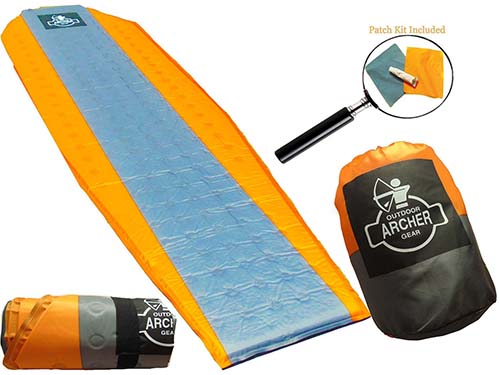
If you’re going to pack clothing, be sure that it’s a complete set of clothes – from shirts to underwear to pants to socks to shoes. Dirt and grime can become stuck in fabric, and I have to reiterate that cleanliness should always be observed in these situations. That’s why it’s better to have at least one set of clothes prepared for the family. Here are the items that you need to prepare:
- Rain gear
- Towel
- Sturdy shoes or work boots
- Blankets, sleeping bags, or this lightweight bivvy.
- Pillows
- Hat and gloves
- Sunglasses
- Tent ( in the event that you need to bug out)
- Lawn chairs
RELATED: The Top 5 Emergency Sleeping Bags: Cold Weather Rated Picks for 2026
Tools and Supplies
We always say that preparedness is a key to survival especially when SHTF. So having the necessary tools and supplies will lead you out or will get you through a hurricane survival situation safe and sound. Check out this list of tools that you need in hurricane survival kit:
- Mess kits, or paper cups, plates, and plastic utensils
- Emergency preparedness manual
- Battery-operated radio and extra batteries
- Flashlight and extra batteries
- Cash or traveler’s checks, change
- Non-electric can opener, utility knife
- Fire extinguisher: small canister ABC type
- Tube tent
- Pliers or any multi-tool, like a swiss army knife or this Carabiner Multi-Tool.
- Tape
- Compass
- Matches in a waterproof container or waterproof matches
- Aluminum foil
- Plastic storage containers
- Signal flare
- Paper, pencil
- Needles, thread
- Medicine dropper
- Shut-off wrench, to turn off household gas and water
- Whistle
- Plastic sheeting
- Map of the area (for locating shelters)
In preparing your hurricane survival kit, you must always remember family members that have special needs such as babies or elderly and disabled persons. We have to look out for them particularly in times of disastrous events.
For Baby
- Formula
- Diapers
- Bottles
- Powdered milk
- Medications
For Adults
- Heart and high blood pressure medication
- Insulin
- Prescription drugs
- Denture needs
- Contact lenses and supplies
- Extra eye glasses
Entertainment
You can play board games or games that don’t require any batteries or electricity. You can also read books to entertain yourself. In times of distress, you need to relax and clear your mind so you can come up with a contingency plan if your primary survival plan doesn’t seem to fall into its proper place. Plus, this is also a good opportunity to have a family bonding. Who could have ever thought that a disastrous event can make your family ties stronger?
Miscellaneous
In the event of a hurricane, you need to keep your personal documents such as insurance policies, deeds, contracts, stocks, passports, social security cards, family records and whatnot in a waterproof portable container.
Tip: You need to have enough cash to sustain through a 2-week period. Banks and ATMs may not be open for extended periods.
Check out this video for more info about hurricane and disaster emergency survival kit!
We should all remember the famous expression “when the going gets tough, the tough gets going”. Nothing can bring you down, not even a Category 5 hurricane. That’s if you’re absolutely ready to handle a perilous circumstance. The ill-prepared will get nothing but despair. Our safety is what matters the most when SHTF. We might not prevent another Katrina or Wilma but we can always prepare for their unstoppable wrath.
Hurricane Survival Kit FAQs
What are the most important items in a hurricane survival kit? The most important items are a multi-stage water filter, a dual-power radio, regulated headlamps, marine-grade first aid, no-cook food, and waterproof document storage. These field-tested essentials outlast standard gear during severe grid-down floods.
How much water should you store for a hurricane? You should store at least one gallon of water per person, per day, for 7 to 10 days. Keep it in sturdy plastic containers, and always separate your drinking water from your sanitation water.
What is the best food to stockpile for a power outage? The best foods to stockpile are high-calorie, no-cook items like peanut butter, mixed nuts, olive oil, and ready-to-eat canned meats. These provide metabolic heat without wasting fuel or clean water to boil them.
How do you protect important documents during a flood? Protect documents by sealing them in a heavy-duty Mylar or dry bag with silica gel desiccant packets. The silica absorbs trapped ambient humidity, preventing internal condensation from rotting your paperwork when temperatures drop.
Why shouldn’t you wear cotton during a flood or hurricane? You shouldn’t wear cotton because it loses 100% of its insulating properties when wet. Damp cotton rapidly pulls vital heat away from your body, accelerating hypothermia, which is why wool or synthetic layers are required.
Penny for your thoughts? Tell us what you think about this list by dropping your two cents in the comments below.
Looking for more storm safety tips? Check it here!