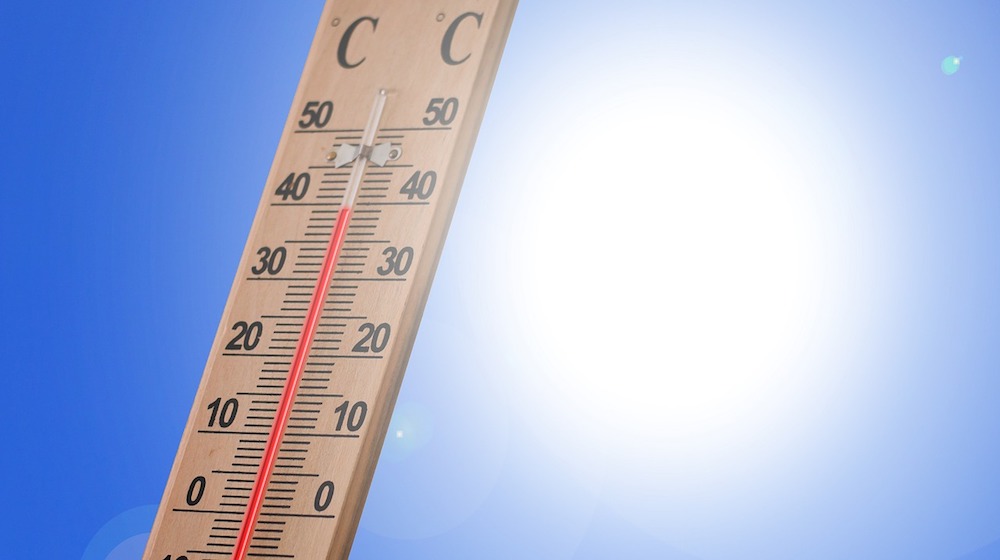

July and August are the hottest months during summer, and with those outdoor adventures and trips you have planned, the heat can turn any fun activity into a survival situation, and possible a life or death situation.
That being said, it is always a good idea to always plan ahead and to take the necessary precaution and maneuvers, so you can prevent these situations, or at least be prepared when they arise.
You ask what in the world am I talking about, I’m talking about heat disorders (also called hyperthermia), and the fact that they can ruin any planned outdoor adventure or vacation.
Heat disorders are a group of illnesses caused by exposure to hot temperatures (the sun) for an extended period of time, restricted fluid intake, or failure of the body’s ability to regulate its temperature. The four most common heat disorders include:
-Sunburn
-Heat Cramps
-Heat Exhaustion
-Heat Stoke
Sunburn:
A sunburn is a mild heat disorder, but at the same time, they can be quite painful and debilitating in a survival situation.
Sunburns include red painful skin. However in severe cases, you may have swelling of the skin, blisters, fever, and/or headaches.
Treating sunburns is relatively simple and easy. Make sure to first get out of the sun, or find the shade.
If there is no blistering, or you have blisters that aren’t open, apply cool Aloe Vera gel and/or cover with a cool wet cloth or dressing, and if there is blistering, with open wounds, cover the sunburn with a dry sterile dressing.
However if it’s more serious, then you should seek medical attention.
Like I said, sunburns are considered a mild heat disorder, however, anything that causes damage to your skin can quickly lead to debilitating conditions, especially if you are in a situation where bathing and other day to day hygiene activities might not be an option.
Basically, a sunburn may be on the low end of the totem pole when it comes to heat related disorders, but that doesn’t mean you need to take them any less seriously than the others…
Heat Cramps:
Like sunburns, heat cramps are one of the more mild heat disorders.
If you suffer from painful spasms, usually the legs, and abdomen, you may be suffering from heat cramps. In some cases, heavy sweating can also be involved. From my own personal experience, suffering from heat cramps feels like thousands of small needles are constantly poking and pricking you.
Warning, heat cramps are a sign more serious problems are on the way if you don’t treat them!
To overcome heat cramps, put firm pressure on cramping muscles or gently massaging the muscles will help relieve spasms. Also, be sure to hydrate, hydrate, HYDRATE!
Heat exhaustion is an more serious condition than heat cramps and sunburns. Symptoms include heavy sweating, weakness, cold skin – pale and clammy, dark yellow or orange urine, a weak pulse, vomiting, and fainting. It is critical that you to treat heat exhaustion right away!
If left untreated, it could lead to a heat stroke, or even worse…
To treat heat exhaustion, be sure to get the victim out of the sun and in a dry cool place with AC, then ss-100708-heat-01.grid-8×2 apply cool wet cloths, while making sure they hydrate. If nausea occurs and you have continual vomiting, seek medical attention right away.
Heat stroke (sunstroke):
Heat stroke is very dangerous and can be fatal if not caught in time. Symptoms include high body temperature (105 F or higher), hot dry skin. a rapid pulse, and eventually loss of consciousness. If not treated right away, brain damage, and or death can occur.
To treat a heat stroke, it is best to seek IMMEDIATE medical attention – get them to the hospital if possible, if not, place in a cool room with AC, take off their clothing, and do not administer fluids.
Heat disorders can and will be serious and fatal if not taken care of when you have the chance. Before you go on your next outdoor adventure in the raging heat, make sure to plan ahead, and know the symptoms of heat disorders, so you can take immediate action if they do indeed occur.
Click here to view the original article
Editors Note: Summer is in full force, and even though (this week) we are getting a bit of a reprieve from the heat here in Texas, we are nowhere near being out of the woods yet. Make sure that whey you venture outdoors this summer, no matter where you are, you are aware of the above signs and prepared to treat them at a moments notice.
Heat related illness kill thousands in the U.S each year.
Make sure that you don’t end up as just another statistic.