

Quick Summary
- Practical DIY tricks inspired by a resourceful redneck neighbor
- Uses everyday materials for heating, cooling, storage, repair, and survival
- Low-cost solutions suitable for beginners and experienced DIYers
- Useful for off-grid living, emergency readiness, and budget-friendly home fixes
- Focuses on simple, effective methods that build real self-reliance
I found this great story from a Redneck “non-prepper” and thought you guys and gals might get a kick out of this!
In this article:
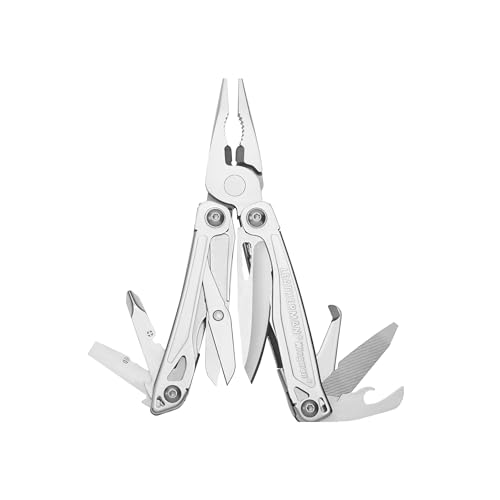
- ONE OF OUR BEST: A classic, designed and assembled with premium materials; The Wingman is your go-to tool for projects around...
- 14 TOOLS IN 1: Equipped with 14 tools to handle almost anything: knife, pliers, screwdrivers, wire cutters, a wire stripper...
Last update on 2026-06-17 / Affiliate links / Images from Amazon Product Advertising API
(As an Amazon Associate, we earn from qualifying purchases.)
Lessons from My Redneck Neighbor We Can All Learn From
My Redneck Neighbor, Eddy
Most neighborhoods have “those neighbors” you can’t really avoid. Part of living in suburbia, however, is learning how to deal with them, ignore them, or learn to like them.
These could be the neighbors with the obnoxious children, the dog that barks all night long, the guy with 846 piercings, the annoying ’93 Civic hatchback, or, in my case, Eddy.
Eddy is one of those guys the other neighbors have categorized as “the doomsday guy.” He has a large beard, always works out in the yard, and talks to the neighbors about the end days of America. Also, he talks about how you won’t be supported if you’re not ready, and we can’t rely on the government for anything.
Being identified as a redneck woman or man may bring negative connotations, but some of their country sayings and beliefs can be beneficial for survival. Although I have mixed views on the approaches he takes with his redneck life, I have learned a few things from him.
And they could be very helpful for the success of a suburban family, should some catastrophic event occur.
Idea #1: Get a Decent Pocket Knife

Any young boy most likely had that moment around the age of 7 when he wanted a pocket knife. What would be done with this knife? That was usually the question that ended the discussion with a “no” from mom or dad.
There are a few very general uses a pocket knife can bring to a normal suburban person. For instance, you may find yourself in a situation where you need to cut something very strong or screw something tighter. Perhaps open a package, need a paperweight, or even protect yourself.
If you are not up for carrying it around, just keep it in the glove compartment of your vehicle for emergencies.
At the end of the day, there is no reason anybody should not have a pocket knife on hand. It’s just like having a screwdriver in your toolbox. Here’s a top-rated pocket knife on the market today that even the knife experts drool over:
Hoffman Richter #1 Tactical Folding Knife In The World
Idea #2: Buy Land

Lucky for Eddy, he has a 1-acre lot that gives him plenty of space to do everything. He has plenty of space to do everything he desires with his land: have a chicken coup, a couple of dogs, a large shed, a garden, and a space to have the grandkids play.
He is never short on space for the things he wants to do. The land enables him to succeed in becoming more prepared for the future.
Eddy suggests that if you do not own land, you should purchase some, even if it is somewhat of a drive away from your home. Many towns outside large cities sell 1-acre plots of land for a fairly affordable price.
“If you do not want or decide you don’t need the land later on,” he says, “you can just sell it as if it were an investment.”
No products found.
Idea #3: Plant a Garden

Eddy loves his garden. He doesn’t only garden in the ground, but he has even started a system of above-ground small farming called hydroponics.
What is Hydroponics? It is the process of growing plants without soil and only with gravel, sand, and water.
Although a section of his yard looks a bit like an eighth-grade science experiment, the fruits and vegetables he produces are unbelievably fresh.
The salad he prepares almost tastes different than the salad I make at home because of the textures and taste. Instead of going to the store to buy spices and herbs, he uses his own for flavoring in the meals he cooks.
If you are interested in modern methods for small-scale farming at home, consider aquaponics (which combines fish farming with hydroponics).
Idea #4: Store Your Food

When I think of doomsday preppers, I usually think of a guy in a bunker underground eating packages of MREs (meals ready to eat). Eddy suggests humans can easily live off rice and beans, so he has sealable 5-gallon containers he pours rice and beans into.
Since Eddy is on an average budget, he simply picks up a large bag of rice and a large bag of beans when he shops for general groceries. By slowly accumulating food each week, he has developed an enormous food supply storage in just a few years! Among the fruits, vegetables, rice, and beans, Eddy can sustain himself for a long period of time.
RELATED: Food Storage Solutions: Buckets, Lids, and Gamma Seals
Idea #5: Buy a Truck

Growing up in the city, I have had no interest in buying a truck, but Eddy makes a good point: you can transport nearly anything. He suggests a car does great on gas mileage in most cases, but you pay for it when you need to transport a lot of material or something large.
SUVs limit your overhead space, so he argues against these as well. Buying a truck with a trailer hitch on it sets the average person up to succeed. Two top trucks you can get your hands on in 2019 are:
- Ford F-150: Well-loved for the best hauling and towing capacity, the new diesel maximizes efficiency, offers spacious seats, and has helpful tech features
- Chevrolet Silverado 1500: A sibling to the well-loved GMC Sierra, the Silverado 1500 was redesigned for 2019 with a complete menu of drivetrains, user-friendly tech features, and lots of interior space.
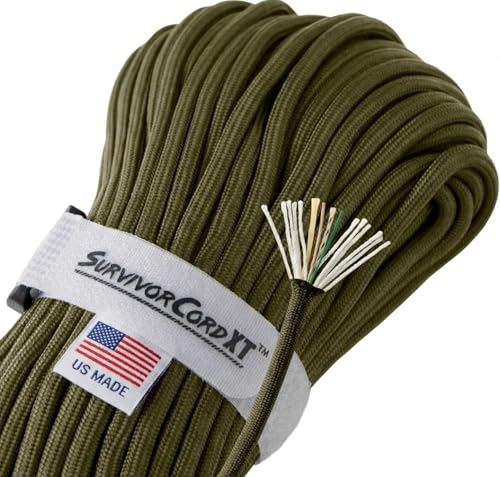
- BUILT FOR EXTREME SURVIVAL – Developed with U.S. Special Forces and protected by U.S. Patent 9,528,204, SurvivorCord XT is...
- 3 LIFE-SAVING STRANDS IN 1 CORD – This tactical paracord 750 includes a paraffin-coated waterproof fire tinder strand...
Last update on 2026-06-17 / Affiliate links / Images from Amazon Product Advertising API
Idea #6: Get Out of Debt

Eddy studies the U.S. debt crisis and banking system a lot, and he believes it is going to crash and burn. “They can spend all the money they want, but I’m not going skydiving without a parachute with them,” he suggests.
By paying off your debt, it not only frees you from the debt you have accrued, but it also enables you to save more money for later on in life when you might really need it. Here are three techniques he applies to conserve money every month, which have saved him thousands of dollars:
- Get rid of the cable bill. By eliminating the cable bill, Eddy saves $50 per month. He still has his internet bill, but does no work or information gathering from his computer.
- Pay an extra payment on the mortgage and pay the payment bi-weekly. Eddy will have his 15-year mortgage paid off in 12 years and 6 months because of the interest he saves by paying half of his payment twice per month and by adding an extra payment onto his mortgage every year. His mortgage is about $2,000 a month, but by paying $1,100 twice a month, he will save a ton of money and be debt-free quicker.
- Keep your vehicle for 10 years. Eddy has savings for his next truck. Every month, he puts away $250 for his next truck. Instead of getting a loan and paying the extra interest, he spends the money he could save elsewhere. He also avoids higher insurance premiums due to not having a lien on the car. By taking this approach, he can keep his “car payment” lower than if he financed a $30,000 vehicle every 5 years.
Idea #7: Store Your Water

“Does water expire?” That is usually the first question most inexperienced water savers ask when trying to decide if they’ll start. The answer is yes, but there is a way to keep it fresh.
By putting a teaspoon of bleach in the water for every seven gallons of water every year, you can keep the water fresh. It is suggested you store a gallon of water for every person in your household each day. Also, always have a week’s supply in case of an emergency.
Eddy has purchased 55-gallon water barrels and stores them in his garage with fresh water. Those 55 gallons of water would sustain a family of four for two weeks! Online, these cost just around $60, and it is a purchase you can forget about and have peace of mind.
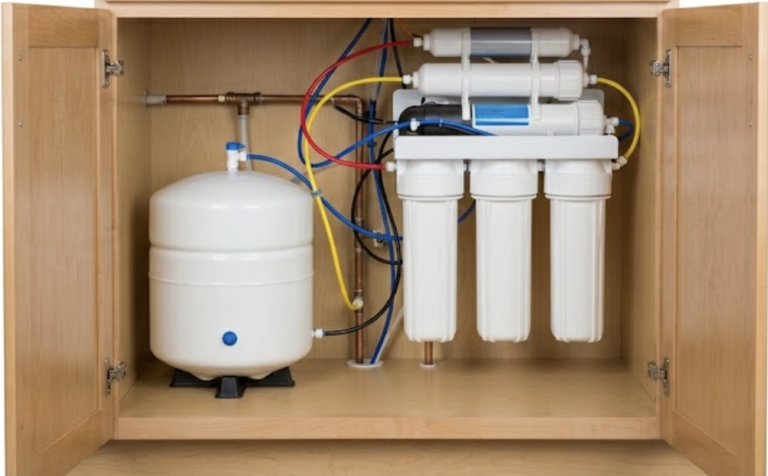
The solution to water survival is this ultra-light water filtering device.
Idea #8: Buy Bullets

You can imagine Eddy has a gun or several guns, but I am going to twist this suggestion up a bit. Buy bullets and lots of them.
The bullet market has become increasingly popular because of a tight grip from the U.S. government on the firearms market. Since this is the case, I see an investment opportunity. Bullets are becoming more expensive because there is a current increase in demand and decrease in supply, and the price is not expected to go down.
If you can get your hands on bullets, your return on investment will only increase as more people want to purchase bullets, and the government does not allow more bullets to be produced or brought within U.S. borders.
You might just be able to get a 400% return! Now that’s a great source of retirement income, and it doesn’t matter if you can shoot a gun.
Idea #9: Buy a Survival Kit for Your Redneck Friends
Imagine yourself in my neighborhood, sipping on lemonade, listening to the neighbors ridiculing Eddy for his lifestyle choice. All of a sudden, a serious earthquake destroys the town.
Transportation to and from the area is limited, and the food is scarce. You are stuck waiting for help for two weeks.
Eddy has over 20 survival kits, not for himself, but for the people running to him now, all of a sudden in need of his help. Instead of saying he cannot help, he has these survival kits to keep his neighbors sustained until help can reach them.
Idea #10: Exchange Knowledge

Eddy agrees that if we do not share knowledge, then others will be left behind. By teaching yourself, your family and friends will know how to take care of themselves as well. If the comforts of daily life were stripped away due to a lack of electricity, gas, food, or water, you are empowering them to succeed.
By spending time with Eddy, I learned a handful of techniques I will now be able to put in my brain’s library. Let’s only hope I will never have to test this information out!
For awesome survival gear you can’t make at home, check out the Survival Life Store!
Watch this hilarious redneck camping guide video from Rhett & Link and get a good laugh:
Preparedness is key. These are 10 great ideas to get you on the path to being prepared, but these are just the first steps. They’re only a fraction of what you need to do to make sure you are ready for whatever life may throw at you.
The good news is, you are not alone, and you are not crazy if you think being ready is an absolute necessity. There are literally thousands of others just like you who are already in the know and learning more every day.
Wrapping It Up: Redneck Wisdom Still Works
At the end of the day, my redneck neighbor proved you don’t need fancy gear or a big budget to be ready for anything. You just need to look at what you already have and get a little creative. These simple tricks might look rough around the edges, but they work, and when things go sideways, that’s what really matters
Your Turn: Try One Hack Today
Don’t just read these ideas and forget them; pick one hack and try it today. Build a small stove, rig a cooler, fix something the “redneck” way, and see how much you can do with almost nothing. Then share it with a buddy and keep stacking those skills. The more you practice now, the easier life gets when things get tough.
FAQs
1. What are the easiest DIY survival hacks anyone can start with?
Begin with simple projects like homemade coolers, mini stoves, insulation tricks, and repurposed storage solutions. These require minimal tools, are low-cost, and build foundational skills for more advanced off-grid or emergency prep tasks.
2. Are “redneck hacks” safe to use indoors or for long-term use?
Most hacks are safe when used with common-sense precautions, especially those involving heat, open flame, chemicals, or electricity. Always test setups outdoors first, monitor ventilation, and avoid leaving improvised devices unattended.
3. What tools do I need to start trying these DIY tricks?
Basic tools such as a knife, multi-tool, lighter, duct tape, drill, and screws cover most of the projects. Optional upgrades like tin snips, a heat gun, or a small saw expand what you can create.
4. Why are these rural-style hacks so effective?
They work because they rely on principles of physics: airflow, insulation, conduction, pressure, and repurposed materials. They solve real problems with minimal cost and maximum practicality, making them ideal for preppers, homesteaders, and budget-conscious homeowners.
5. Can these hacks help reduce energy bills at home?
Yes. Many focus on minimizing heat loss, boosting airflow, or leveraging passive heating. Techniques such as reflective insulation, DIY draft blockers, and homemade evaporative coolers can noticeably lower heating and cooling costs.
6. Who benefits most from these survival and DIY tricks?
Anyone who lives rurally, off-grid, on a tight budget, or values self-reliance can benefit. Preppers, campers, homeowners, and DIY hobbyists especially appreciate solutions that reduce dependency on expensive tools or systems.
What do you think about these survival ideas from my redneck neighbor? Share your thoughts about it in the comments section below!
Up Next: 10 Amazing True Survival Stories Too Incredible To Be Real
The contents of this article are for informational purposes only. Please read our full disclaimer.
Editor’s Note: This post was originally published on June 20, 2013, and has been updated for quality and relevancy.