
Last Updated: July 2026
At a Glance: Summer Blackout Preparedness
-Stay Cool Without A/C: Learn easy tricks to drop your home’s temperature using blankets, ice, and fans.
-Backup Power Choices: Find the best generators and solar batteries to keep your lights and tools running.
-Keep Food Safe: Know exactly how long your food stays fresh in a dark fridge so you do not waste money.
Summer is a great time for family fun. But hot weather also puts a massive strain on our old power grid. When everyone turns on their air conditioning, transformers can fail and leave whole neighborhoods in the dark. When the power goes out during a heat wave, your home can get dangerously hot very quickly. This can cause heat sickness or severe dehydration for your kids and parents.
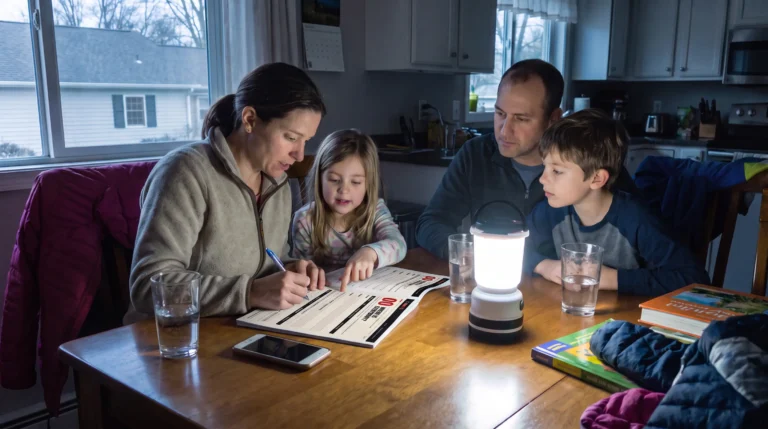
In this guide, we are going to discuss the top queries people have during extended blackouts. We will cover exactly how to keep your home cool, what to do about refrigeration, and the best backup power sources to keep your household up and running. At Survival Life, we want you to be ready to face a failed grid with confidence. This easy guide will show you how to keep your family safe, cool, and fed when the lights go out.
How Do You Keep Your House Cool Without Electricity?
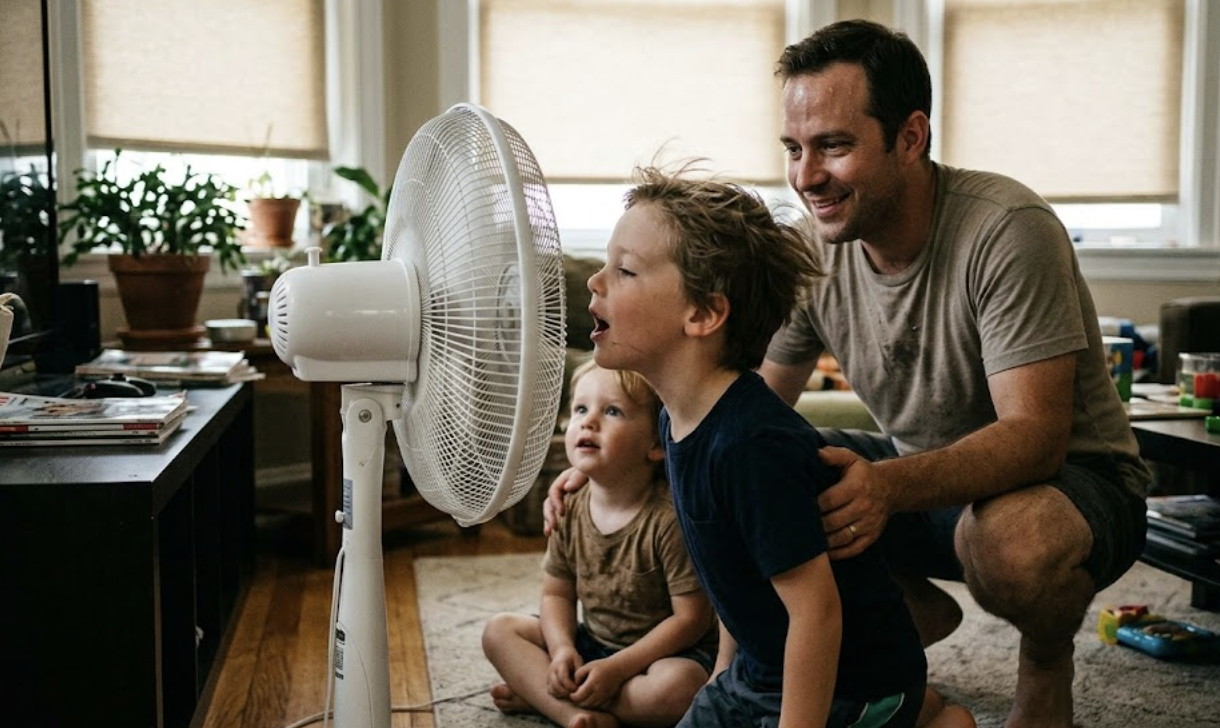
You can keep your house cool without power by blocking out hot sunlight and using smart DIY airflow tricks. Doing this stops your rooms from turning into ovens and keeps your family comfortable.
Let us look at the exact step-by-step methods you can use right now to fight the rising heat. We will cover window blocking hacks and easy DIY cooling systems to lower your indoor heat.
Block Out the Sun to Stop Radiant Heat
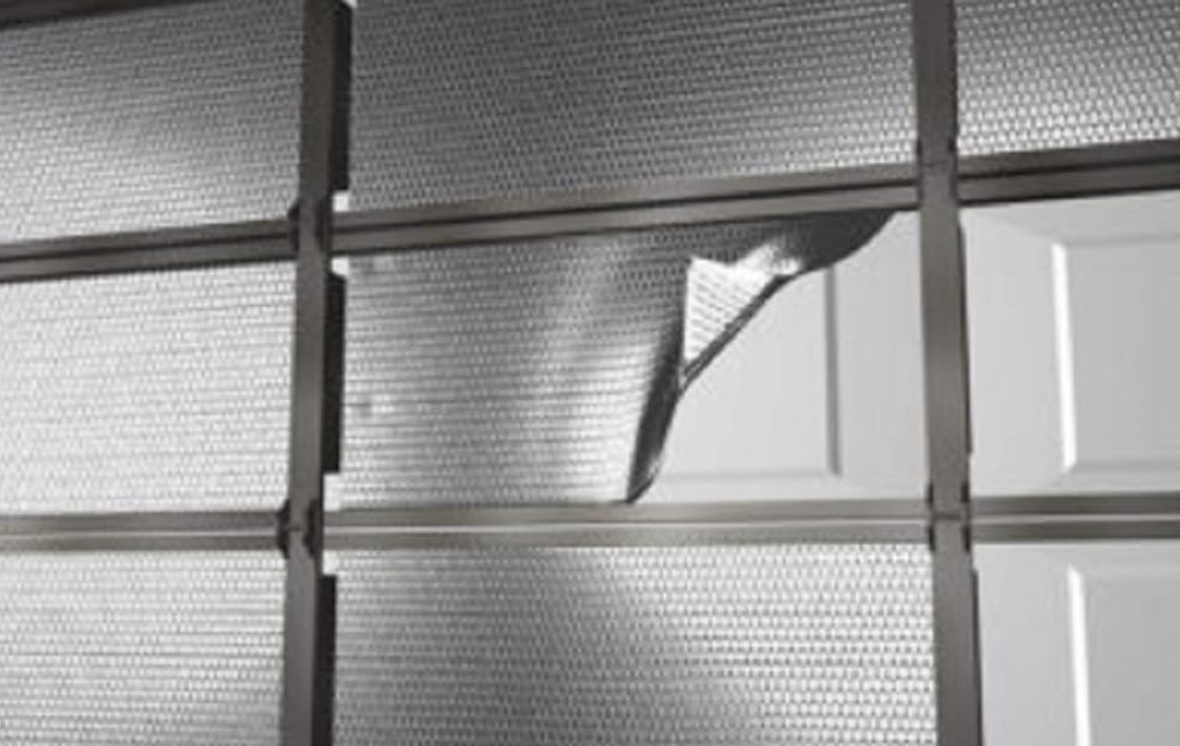
The best way to fight indoor heat is to stop it from entering your home in the first place. Cover all windows that face the sun with blackout curtains, heavy blankets, or sheets of aluminum foil. These simple materials reflect sunlight and lower indoor temperatures. You should also use outdoor awnings or outdoor blinds to stop heat before it hits the glass. Finally, keep interior doors closed to trap the cool air inside the rooms you are using.
Use Smart DIY Cooling Tricks
If you live in a dry climate with low humidity, you can build a simple evaporative cooler. Just soak a bedsheet in cold water and hang it up in a spot where air blows through a cross-ventilated space. Another great option is the ice-bowl fan trick. Fill a deep metal pan or bowl with ice and place it right in front of a battery-powered fan. As the ice melts, the fan blows cool air across the room to drop the indoor heat.
Editor’s Pro-Tip: Freeze water bottles, damp towels, and cooling packs before a blackout hits. If a family member gets too hot, place these items right on their neck, wrists, or ankles to lower their body temperature fast.
More: Heatwave Safety Tips: How to Stay Cool and Prepared When Temperatures Soar
What’s the Best Emergency Backup Power Source for a Heat Wave?
The best backup power source for a heat wave is a portable solar generator for quiet indoor cooling, or a fuel-powered generator for running heavy appliances. Choosing the right option ensures you do not have to sit in total darkness with dead phones and dead appliances.
To help your family find the right setup, we will break down your choices below. We will look closely at portable solar setups, fuel-powered generators, and simple vehicle inverters.
Portable Solar Generators for Clean Energy
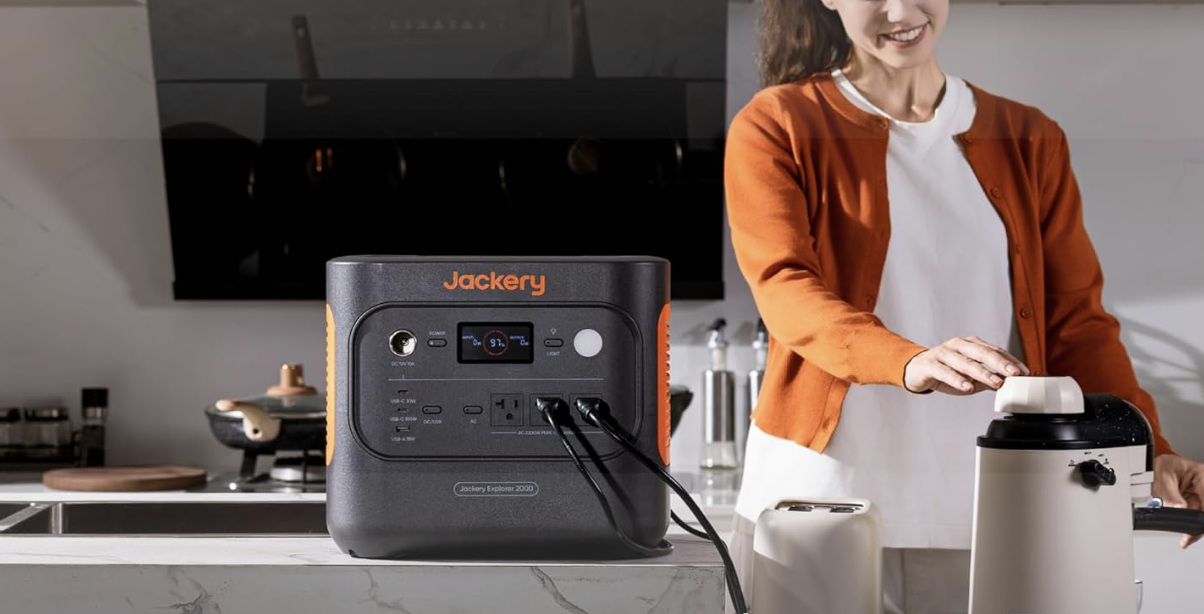
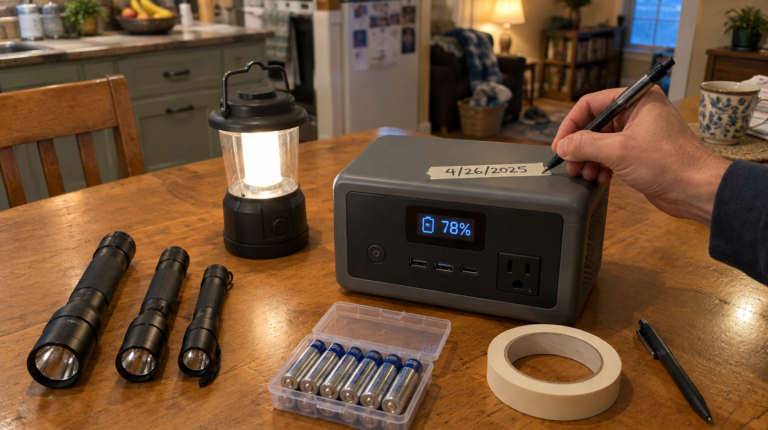
Solar generators and portable solar panels are excellent for families because they are quiet and completely fuel-free. Large battery stations from brands like Jackery or Goal Zero can power emergency fans, laptops, and mini-fridges for hours. They are also perfect for keeping critical medical tools like CPAP machines running safely. Portable solar panels can quickly recharge small devices like phones and tablets when placed under direct sunlight. You can even use a DIY solar oven with a black interior, reflective panels, and an insulated glass cover to cook hot meals using only the sun.
Gas and Propane Generators for Heavy Loads
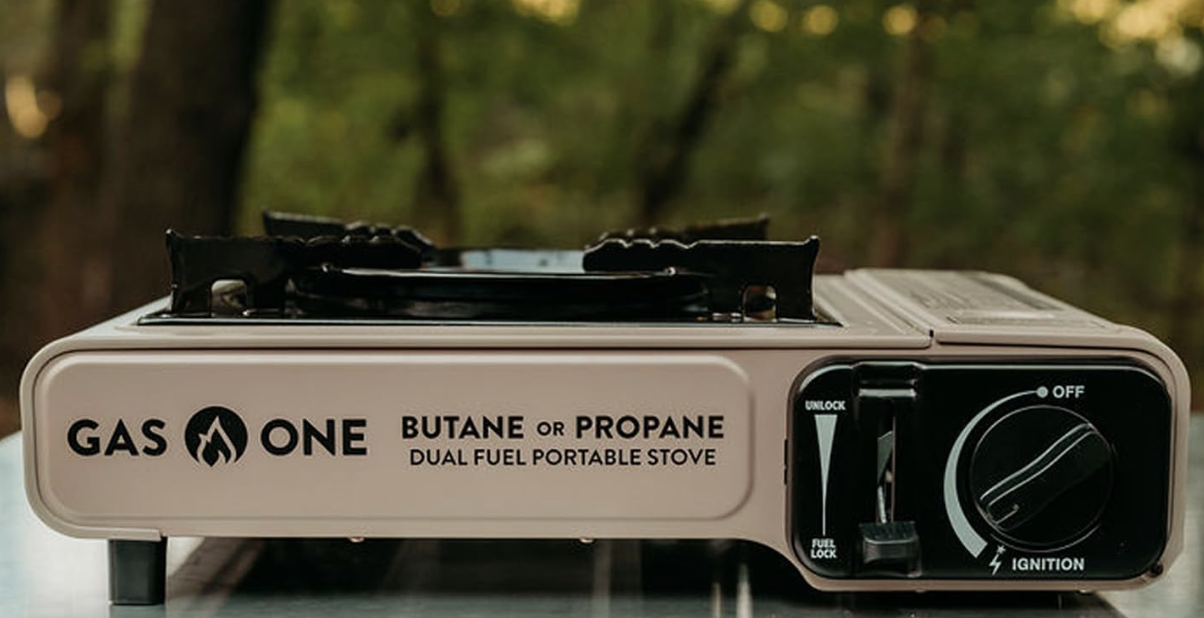
Traditional gas-powered generators can supply plenty of electricity to keep your main refrigerator, fans, and household lights running. However, keep in mind that many standard generator models cannot handle the high start-up wattage that a home A/C unit needs to turn on. Always check the wattage limits of your generator before plugging in big appliances. For cooking meals, a consistent propane stove lets you cook, boil water, and sterilize supplies easily without electricity.
Budget Battery Packs and Car Inverters
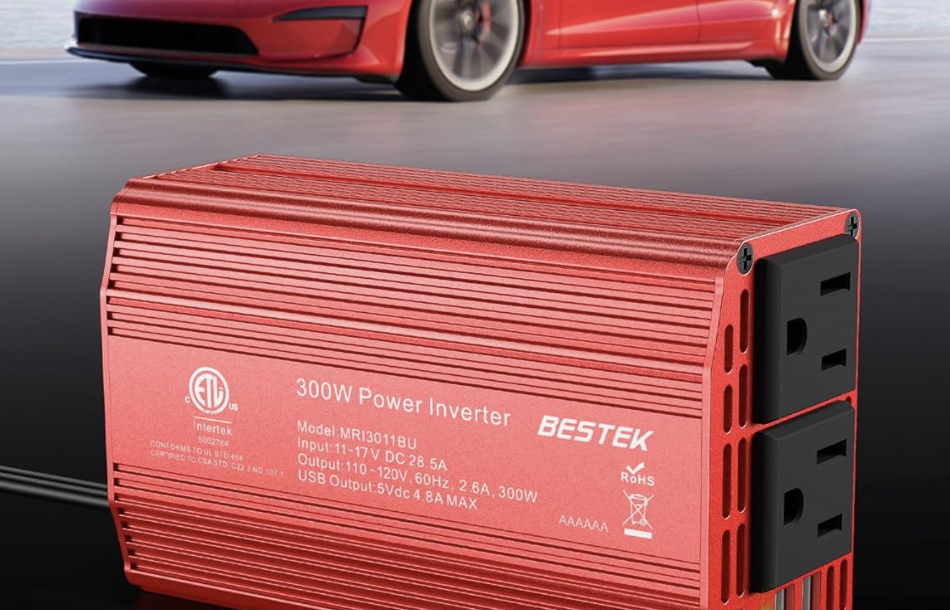
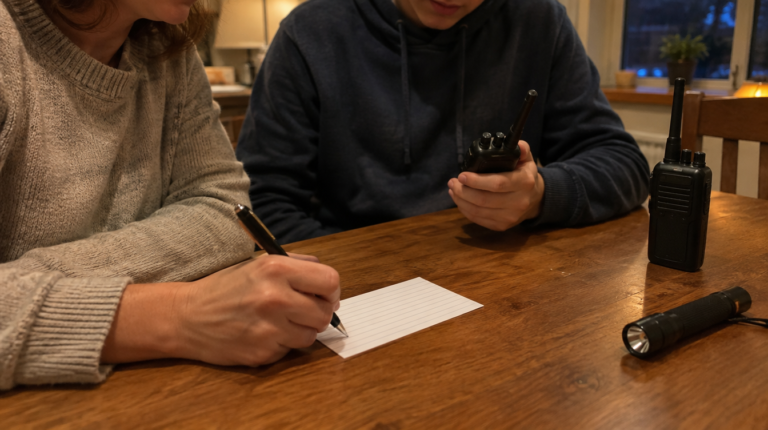
You do not need to spend thousands of dollars to have a basic blackout backup plan. Stock up on small rechargeable battery packs to keep your flashlights, radios, and emergency tools charged when there is an outage advisory. You can also buy a cheap car power inverter. This tool plugs into your vehicle so you can charge your family’s phones and tablets off the car battery. Just remember to start your car’s engine every now and then so you do not drain the car battery completely.
How Do You Keep Refrigerator Food Safe When the Power Goes Out?
To keep your refrigerator food safe when the power goes out, you must keep the fridge doors closed tightly and regularly check the temperature with a food thermometer. This strict discipline will prevent your groceries from spoiling and save you hundreds of dollars in wasted food.
Managing your food supply requires a clear plan before and during the blackout. Below, we will cover the smart steps you can take before a heat wave arrives, followed by the safety rules you must follow during an extended outage.
Smart Steps to Take Before the Blackout Hits
When a heat wave warning is issued, set your refrigerator and freezer to their coldest settings right away. Doing so buys you extra time if the power cuts out later. You should also freeze one-gallon water jugs, two-liter bottles, and extra ice packs. These act like giant ice blocks that keep the inside of your fridge colder for a much longer time. Finally, stock up on plenty of non-perishable foods that do not need cold storage.
Strict Food Safety Rules During a Power Outage
During the blackout, tell your kids to keep the fridge and freezer doors shut as much as possible. An unopened refrigerator will keep food cold for about 4 hours. A full, unopened freezer can hold its temperature for up to 48 hours without power. If you expect the outage to last for more than a day, move your perishable foods into a separate cooler filled with your frozen water jugs and insulated blankets.
| Food Safety Guide | Action Required |
| Unopened Fridge Time |
Keeps food safe for up to 4 hours. |
| Unopened Freezer Time |
Keeps food safe for up to 48 hours if it stays completely full. |
| The Danger Zone |
Use a thermometer. If food rises above 40°F for over 2 hours, throw it away. |
What Are the Vital Hydration and Heat Safety Rules for Families?
The most vital safety rules for a heat wave are allocating at least 1.5 to 2 gallons of water per person daily and tracking early signs of heat illness. Drinking enough water consistently keeps your body’s internal cooling system working correctly when temperatures soar.
Protecting your household means focusing on daily fluid intake and constant observation. Let us look closer at how much water your family needs to stay hydrated and the specific symptoms you need to watch for.
Daily Family Hydration Needs
To prevent severe dehydration, allocate 1.5 to 2 gallons of water per person daily for drinking needs. Make sure your children drink water consistently throughout the day instead of only doing so when they feel thirsty. You can also serve water-rich foods like watermelon, cucumbers, and celery to help supplement your family’s water intake.
Watch for Signs of Heat Exhaustion
Keep a close eye on your family during a summer power outage so you can recognize heat problems early. You need to act fast if anyone begins to show these signs of heat exhaustion:
-
Dizziness, headache, and excessive sweating
-
Muscle cramps, nausea, and feeling weak
-
Cool, clammy skin despite the heat
If anyone shows these signs, immediately apply wet cloths, cooling towels, or ice packs on their neck, wrists, and feet to cool their body quicker.
A summer power outage can be highly stressful, but your family does not have to struggle in the heat. By taking a few practical steps ahead of time like blocking out window sunlight, monitoring food temperatures, and picking the right backup power tools you can easily wait out the dark. True survival and self-sufficiency belong to those who plan ahead. Take action today so your household is fully prepared when the grid fails this summer.
Frequently Asked Questions (FAQs) About Summer Blackouts
How do you cool a house down fast without electricity?
The fastest way is to block out all hot sunlight by covering windows with heavy blankets or foil. Keep your interior doors closed to trap the cool air, and use a battery-powered fan blowing over a large bowl of ice to create an instant cold breeze.
What will run on a portable solar generator during an outage?
A standard portable solar battery station can easily power emergency fans, laptops, phones, and mini-refrigerators. They are also perfect for keeping critical medical tools like CPAP machines running safely overnight.
How do I know if food is still safe to eat after a power outage?
You must check the food with a digital thermometer. If the internal temperature of your meat, dairy, or cooked food rises above 40°F and stays there for more than 2 hours, it is no longer safe and must be thrown away.