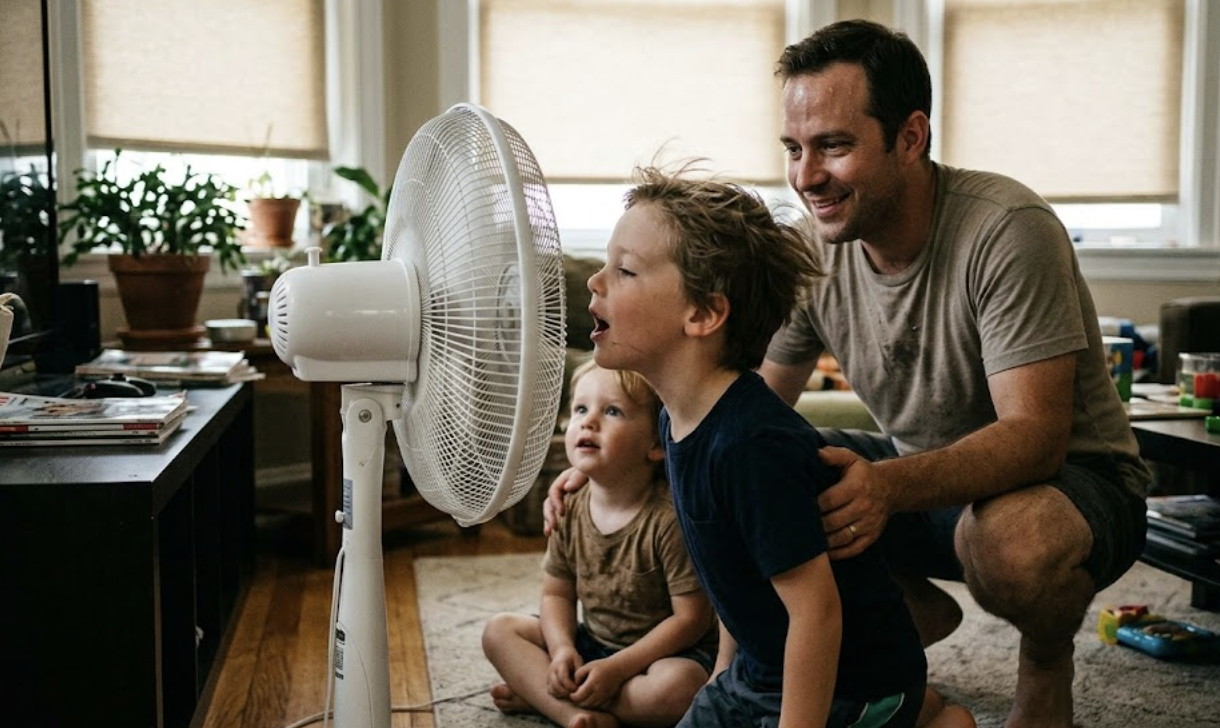

Last Updated: May 2026
At a Glance: Heatwave Safety
-
Prolonged heat events become exceptionally dangerous during power outages because trapped indoor heat cannot escape, requiring you to establish a clear shelter-in-place or evacuation plan before the heat hits.
-
To survive grid-down heat, designate a single “cool room” on the lowest, shadiest level of your home and consolidate your battery-powered fans and cooling supplies strictly in that space.
-
Thirst is a poor indicator of hydration; you must establish a strict water routine, stock up on electrolytes, and closely monitor vulnerable family members for early signs of heat exhaustion.
“We tried to tough it out when the grid failed last summer. By day two, the house was 92 degrees, the kids were completely lethargic, and we realized we had no actual rule for when to finally pack up and leave.” That’s the reality of a modern grid-down heatwave. It’s three days of heat, warm nights, and no AC. That’s why a family heatwave plan matters before the grid strains or fails.
Why Heatwaves Become Dangerous Fast
The National Weather Service defines a heatwave as two or more consecutive days of abnormally and uncomfortably hot and unusually humid weather. In recent decades, American cities have experienced a rise in prolonged heat events from an average of two per summer in the 1960s to about six today. On average, heatwaves in major U.S. cities stick around for about four days at a time. That stretch is long enough to raise health risks if you’re not prepared.
However, the real danger isn’t just the peak daytime temperature but also the built-up heat that gets trapped inside your home.
Your house absorbs the sun’s energy all day. When warm nights prevent the structure from cooling down, your place turns into an oven. Normally, your body cools itself through sweat. But when humidity spikes, that evaporation process stalls out. Combine this with a power outage that removes your air conditioning, and your body will be forced to fight a rising indoor temperature with no mechanical help. Understanding this progression is critical, because trying to just “wait it out” without a dedicated way to lower your body heat is a massive health risk.
Make a Heatwave Decision Plan Before Summer

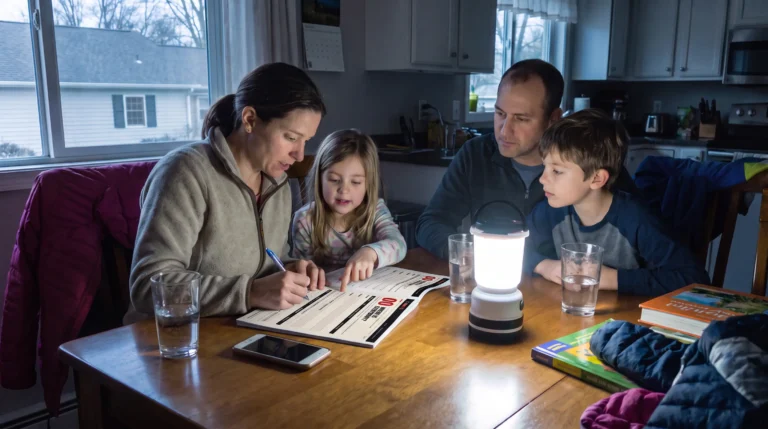
People often debate whether it’s safer to shelter in place or evacuate to a cooler location. The truth is, it’ll be hard to think clearly when you’re in a 90-degree room. You need a clear set of rules established while everyone’s clear-headed. Sit down and build a heatwave plan with your family:
- When will we stay home? Establish what indoor temperature is your absolute limit.
- When will we go? Set a hard trigger for heading to a cooling center, a hotel, a relative’s house, or a shaded public place.
- Who checks on the elderly? Assign a specific person to monitor older relatives.
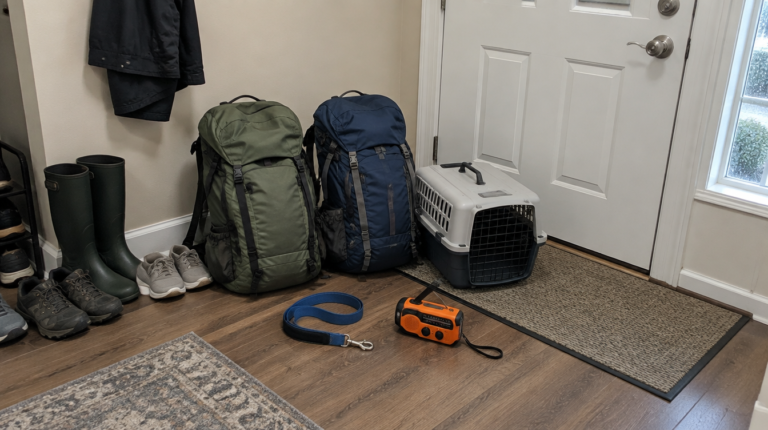
- Who handles the logistics? Delegate exactly who is responsible for packing the kids, the pets, medication, and transportation.
Heat Illness Warning Signs
You need to know what a medical emergency looks like, and you must act decisively when symptoms appear.
- Heat Exhaustion: Watch for heavy sweating, dizziness, headache, or nausea. If this happens, move the person to a cool area, have them sip water, and let them rest. If symptoms continue, seek medical help.
- Heat Stroke: This is catastrophic failure of the body’s cooling system. Call emergency services immediately for confusion, fainting, loss of consciousness, seizures, or symptoms that do not improve quickly.
Protect the Family Members Most at Risk

During any extreme weather event, the vulnerable family members will most likely struggle first. That’s why you must run an audit of your household and tailor your heatwave plan specifically to protect them as standard cooling methods won’t always be enough to keep them safe.
Babies and Young Children
- Babies and young children struggle to regulate body temperature so even short heat spells can overwhelm them.
- Dress little ones in light cotton clothes and keep them in shaded or air-conditioned areas whenever possible.
- Hydrate infants every 15-20 minutes especially when temperatures soar.
- Watch for red skin, fussiness, rapid breathing.
Older Adults
- Adults aged 65 and up often lose the ability to sweat efficiently and regulate body temperature.
- Following the 1995 Chicago heat wave, hospital admissions for people aged 65 and older increased by 35 percent.
- Check on them frequently; do not rely on them to feel thirsty.
- Apply damp cloths to their forehead or back of the neck.
- Watch for confusion, dizziness, weakness, or unusual behavior.
Pregnant Women
- Research links a higher risk of dehydration-related issues during pregnancy.
- Stay indoors during peak heat hours and rest often in a cool room or use a fan directed at your skin.
- Drink at least 10 cups of water daily and consume an electrolyte-rich beverage.
Pets
- Provide constant shade and cool water.
- Avoid pavement walks entirely during the day.
- Watch for heavy panting, drooling, weakness, or vomiting.
How to Build a Heatwave Kit for Your Family
When the power drops and the house starts baking, the last thing you wanna do is dig through the garage looking for batteries or a specific fan. Instead of throwing random items into a plastic bin, organize your family’s heatwave kit by the actual jobs you need to accomplish. This keeps you from scrambling in the dark and ensures you have a complete system ready to deploy.
1. Cool the room before it heats up: Reflective window coverings and blackout curtains
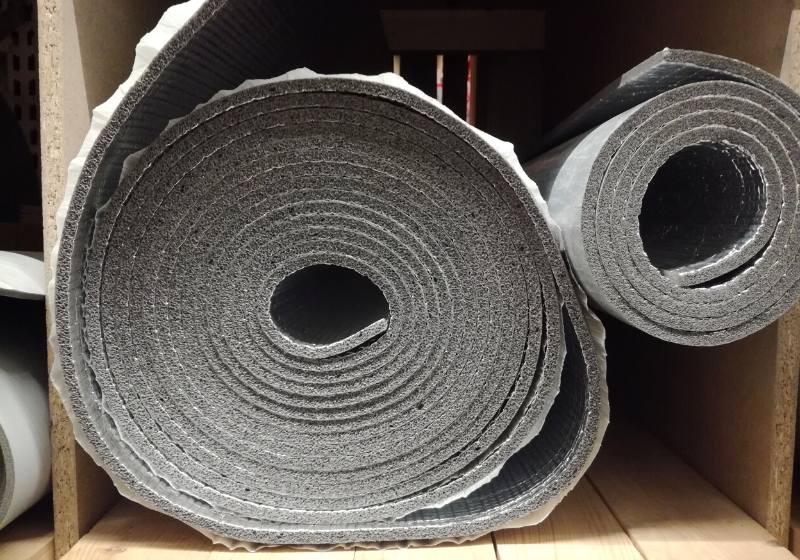
This is what you put on your windows before the heat builds up. Blocking the sun’s energy early is your first line of defense to stop your home from turning into an “oven”.
2. Make the room feel cooler without the thermostat: Battery-powered fans
Paired with a damp towel, fans create an active cooling breeze without relying on a dead AC unit. Remember to aim them directly at your family members rather than wasting battery life trying to circulate hot air in an empty room.
3. Cool the body down fast: Cooling towels and spray misters

If the AC’s down, these are the items that’ll help cool a body down fast. Applying a damp mist or cooling towel to your neck and pulse points strips body heat rapidly and helps your natural sweat cycle do its job.
4. Keep your water supply stable for days: Hard-sided water bricks or insulated flasks
This container setup ensures you have bulk water stored efficiently while keeping personal sipping containers cold. Having a dedicated water system is the only way to successfully maintain your family’s strict hydration routine.
5. Keep fans and comms running: High-capacity power banks and solar chargers
These are what keep your phones and fans running after every outlet in the house goes dead. A reliable backup power source is your lifeline for receiving emergency alerts and maintaining critical airflow.
6. Know exactly when to leave: Digital indoor thermometers
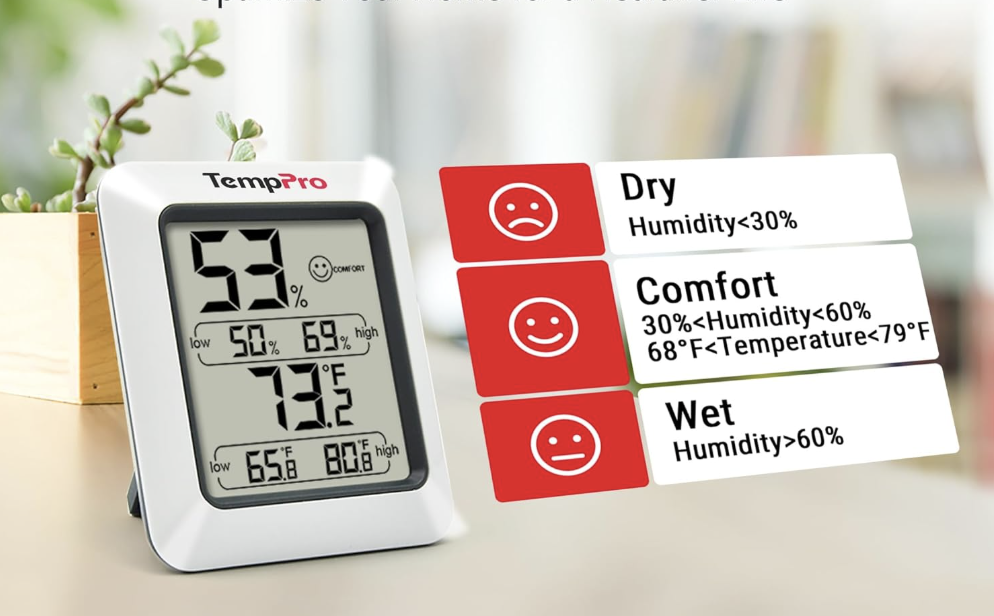
This is the single tool that tells you exactly when staying home is no longer the right call. Instead of guessing how hot it is, a thermometer gives you the hard data you need to trigger your evacuation plan before conditions become dangerous.
7. Care for babies, seniors, and pets: Extra electrolytes and sponge bath supplies
The most vulnerable members of your family will overheat and lose fluids much faster than healthy adults. Sponge baths provide rapid, manual temperature reduction, while extra electrolytes replace the crucial minerals they lose through sweat.
When the AC died during last summer’s massive heatwave, my family learned the hard way that just “waiting it out” is actually pretty dangerous. I ended up testing a ton of different emergency gear to find out what really works, and I put together this exact setup to drop core temperatures fast, track the room heat, and keep everyone hydrated. These are the specific items we personally use in our house to stay safe when the heat hits dangerous levels.:


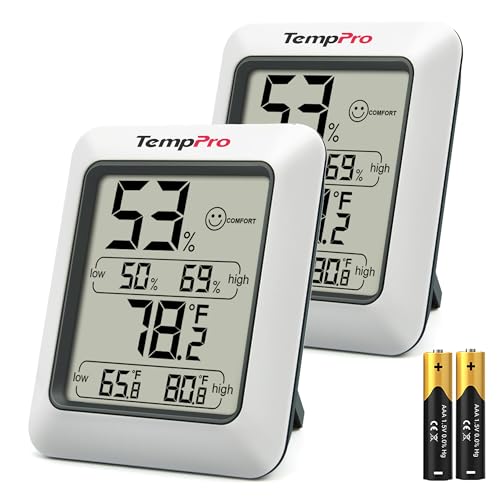

Last update on 2026-10-23 / Affiliate links / Images from Amazon Product Advertising API
How to Build a Family Hydration Routine
“Drink when you’re thirsty” is terrible advice during a heatwave. By the time you feel parched, you’re already entering the early stages of dehydration. During extreme heat, the body can perspire up to 2.5 liters per hour, so sipping water frequently helps prevent dehydration. Hydration requires a strict routine.
- Give each person a dedicated reusable bottle and set achievable goals. For example, finish the whole flask by mid-morning and complete another by lunchtime.
- Aim for at least 8-10 cups a day, more if you’re sweating or active.
- Sip steadily instead of waiting until you feel thirsty. Consistent intake helps your body regulate its temperature and prevents headaches or cramps.
- Drink water consistently throughout the day to replace minerals you lose when sweating.
- Watch children and seniors closely, because they may not actively ask for water.
- Snack on water-rich foods to replenish fluids and nutrients. Watermelon contains 92 percent water which is why it’s one of the top hydrating foods this season.
- Keep a bowl of cut fruit in the fridge for quick access; cucumbers and berries hold nearly as much water as well as electrolytes and vitamins.
Hydration Prep: Keep reliable water storage containers, insulated bottles, and electrolyte packets stocked before summer hits.
Choose One “Cool Room” in the House
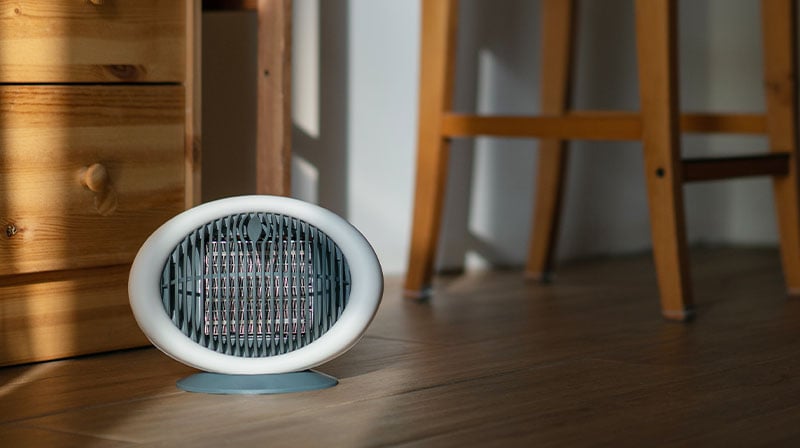
When the grid fails, you cannot cool a 2,000-square-foot house with a couple of battery-operated fans. You have to shrink your living area. The core idea here is to pick one single, manageable space and fiercely defend its temperature from the rest of the house.
- Pick the lowest, shadiest room in the house (heat naturally rises to the upper floors).
- Close off all unused rooms to trap cooler air and limit warm airflow from hotter areas.
- Block the sun before the room heats up by keeping curtains closed during the day.
- Avoid using the oven or the stove, which generates unnecessary indoor heat.
- Consolidate your resources. Keep your water, snacks, medications, pet supplies, and chargers inside this room so you don’t have to keep opening doors.
- Plan to sleep there as a family if needed.
Gear support: Blackout curtains, reflective window film, and a reliable battery-powered fan are game-changers for your cool room.
What to Do When the Power Goes Out During a Heatwave
The clock starts ticking the second the fan blades stop spinning. When the grid fails, your main defense is gone. That’s when your preparation actually kicks in. Your immediate goal is resource preservation specifically, preserving whatever cold air, battery life, and physical energy you have left.
- Move everyone into your designated cool room immediately.
- Keep the fridge and freezer doors closed to preserve food as long as possible.
- Use your battery fans carefully to maximize runtime; pair them with wet towels for maximum efficiency.
- Charge phones from power banks only when absolutely needed.
- Monitor your indoor temperature closely using your thermometer.
- Text family members with updates instead of calling, as texts require less battery and network bandwidth.
- Know exactly where your local cooling centers are located before the outage happens.
Prep Note: A reliable portable power station or high-capacity power bank is critical for keeping fans and comms running during a blackout.
Know When Staying Home Is No Longer Safe
People often stay in dangerous, sweltering homes simply because it is familiar. There is a fine line between being resilient and being stubborn. Knowing when to abandon your home is a core survival skill. If you hit your predetermined temperature threshold, you execute your plan and leave. Leave if:
- The indoor temperature keeps rising past your predetermined safety limit.
- A vulnerable person begins showing physical symptoms of heat illness.
- You have no airflow, run out of water, or lose your vehicle access.
- Crucial medications or medical devices are compromised by the heat or power loss.
- Local officials issue evacuation or cooling center guidance.
Leaving early is not panic. It is the calculated execution of a good plan.
Heatwave Safety Tips: A Quick Reminder for the Hottest Days
If the temperature spikes, hydrate frequently and move yard work and daily walks to early mornings or evenings. Most importantly, check on family members who need extra care.
Ready to plan a cool‑down routine?
FAQs
Keep these quick answers in mind when dealing with rising temperatures.
How do you stay cool without AC during a heatwave? Use fans with wet towels, keep curtains closed during the day, and avoid using the oven or stove.
What room is safest during extreme heat?
The lowest, shadiest room in your home with the doors to unused spaces closed off.
How much water should a family store for a heatwave? Aim for at least 8-10 cups a day, more if you’re sweating or active.
Are fans safe during extreme heat? Yes, especially when paired with a damp cloth or spray mist. However, fans alone may not prevent heat-related illness in very high temps.
When should you leave home during a heatwave?
When indoor temperatures hit your predefined limit, someone shows signs of heat illness, or you lose the ability to cool down and hydrate.
How do you protect elderly relatives during a heatwave? Check on them frequently. Because older adults often lose the ability to sweat efficiently, apply damp cloths to their forehead or the back of their neck to manually lower their temperature.
What are the first signs of heat exhaustion? Look out for heavy sweating, dizziness, headache, or nausea.
QUICK POLL
Are heatwaves a real climate emergency or just normal summer weather?
Whatever you picked, defend it in the comments below.