
A couple of weeks ago, my wife and I left on a much needed vacation. What should have been a pleasant week long cruise through the Bahama’s ended up being 72 hours of our own personal hell.
While we didn’t have anything near the experience of the passengers on the Carnival Triumph, it was still not something we had planned for.
The first two days of the cruise went off without a hitch, we set sail on the high seas and spent them like we do every time we cruise on a new ship, learning to navigate around the ship and what every nook and cranny holds.
And then at the end of day 2 came the lobster dinner.
(It could have been anything really, but we share everything and I never got sick, everything that is except the lobster)
Day three started early and abruptly, at 5:00 am my wife jumped out of bed and made a break for the restroom; and it only got worse from there.
My wife had a stomach surgery recently that left her much more prone to dehydration than a normal person, and I always worry about how much water she has drank.
So needless to say after 12 hours of her not being able to even keep down ice chips, I was a little perturbed.
I found my way to the medical center to see if they had any pepto bismol or anything the help settle her stomach.
As soon as I mentioned an upset stomach the nurse became very serious and asked me what the symptoms were.
After explaining them she said that I needed to get her down there right away, that they had even waived the $90.00 exam fee.
One look at the rapidly filling waiting room showed why.
It wasn’t just us, there were over 30 people guest and crew alike with the same sickly green skin tone that my wife had taken on.
I had to all but drag her down to the sick bay, but I am glad I did, they gave her a shot for nausea and vomiting and a special diet that came right along with a 24 hour quarantine in our cabin to avoid further contamination of other passengers.
I however was told that I was free to move about the ship… which I still think is a little odd when the person I share a bed with had a possibly infectious disease.
The nurse and the doctor wouldn’t tell me what it was that had affected so many people, but when we returned to our room there was a letter waiting for us explaining that they believed she had been infected with the Norovirus or as she not so affectionately called it, the plague.
I didn’t have internet access to look it up until I got home, but this is what I have found out about it since then:
The Norovirus commonly known as the “stomach flu” is one of the most infectious viruses around. It takes fewer than 20 virus particles to infect someone, so each droplet of vomit has enough virus to infect over 100,000 people. In the United States, norovirus causes 21 million illnesses annually, requiring 70,000 hospitalizations, of which 800 result in death.
The viruses are transmitted by fecally-contaminated food or water; by person-to-person contact; and via aerosolization of the virus and subsequent contamination of surfaces. Noroviruses are the most common cause of viral gastroenteritis in humans, and affect people of all ages.
But being the most common cause doesn’t make it any less dangerous…
Surviving a crisis situation is difficult enough without getting sick. In a harsh environment, good health is critical, so keeping yourself in good shape can save your life.
I saw first hand just how quickly some one can become critically dehydrated even with proper medical equipment so close by, imagine how bad it will be when there are no doctors around!
Why is the Norovirus is so contagious?
- It’s unusually hardy. Norovisus is known to survive up to 12 hours on clean hard surfaces like a countertop, and up to 12 days on fabrics like carpets and upholstery.
- It has an extremely high rate of infection. It only takes a few viruses to make a person sick.
- It resists disinfectants. Common household cleaners and alcohol-based hand sanitizers have little effect on the virus. The exception is bleach, which does kill the virus.
- It is easily aerosolized. Infected persons vomit, then cough or sneeze, and the virus drifts around in the air, infecting those who breathe it.
Symptoms of Norovirus
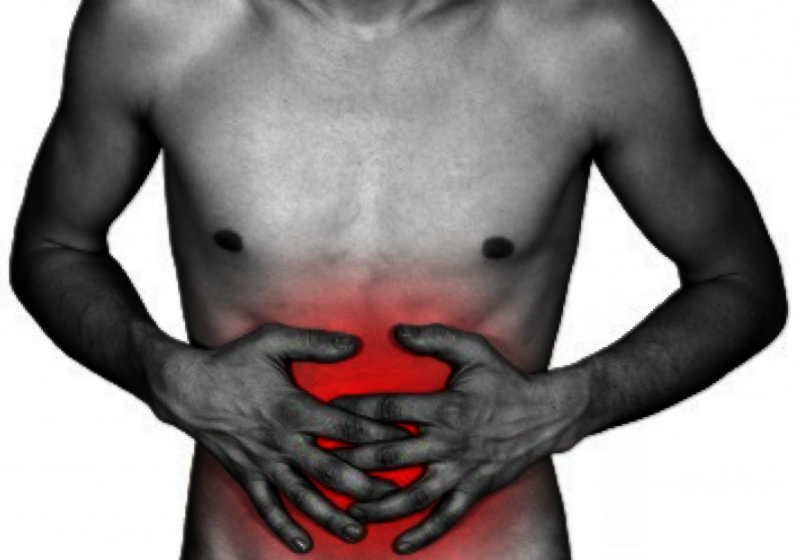
- Sudden onset of nausea and vomiting. Projectile vomiting is characteristic.
- Watery diarrhea.
- Some people also have fever, headaches, chills, severe fatigue, and stomach cramps.
The primary complication is dehydration. Symptoms typically last from one to three days.
How to prevent the infection and spread of the Norovirus
Practice proper hand hygiene
Wash your hands carefully with soap and warm water, especially after using the toilet and changing diapers and always before eating or preparing food. If soap and water aren’t available, use an alcohol-based hand sanitizer. These alcohol-based products can quickly reduce the number of germs on hands in some situations, but they are not a substitute for washing with soap and water.
Here is the catch, your standard bottle of Purell isn’t going to cut it. Most of these only have a 62% alcohol content which has been found to be ineffected against the Norovirus. You need something a bit stronger…
Something like this:
(Be sure to look at the “Customers Who Bought This Item Also Bought” for a few other options)
Take care in the kitchen
Carefully wash fruits and vegetables, and cook oysters and other shellfish thoroughly before eating them.
Do not prepare food while infected
People with Norovirus illness should not prepare food for others while they have symptoms and for 3 days after they recover from their illness.
Clean and disinfect contaminated surfaces
After throwing up or having diarrhea, immediately clean and disinfect contaminated surfaces by using a bleach-based household cleaner as directed on the product label. If no such cleaning product is available, you can use a solution made with 5 tablespoons to 1.5 cups of household bleach per 1 gallon of water.
Wash laundry thoroughly
Immediately remove and wash clothing or linens that may be contaminated with vomit or stool. Handle soiled items carefully—without agitating them—to avoid spreading virus. If available, wear rubber or disposable gloves while handling soiled clothing or linens and wash your hands after handling. The items should be washed with detergent at the maximum available cycle length and then machine dried.
How to avoid contamination from an infected person:
- Wash your hands frequently and thoroughly. This is critical. Disinfectants and hand sanitizers have little effect — you have to wash the virus off your hands with plenty of running water. Use plain soap and lots of rubbing and rinsing. This is far and away the most effective way to clean the virus off your hands.
- Wear a mask. It might seem goofy, but it’s very effective.
- Isolate the patient. If possible, don’t let the sick person share a room or bathroom with others.
- Do not share food or utensils.
Treating Norovirus
Noroviruses don’t respond to antibiotics, so save them for bacterial infections. Antiviral drugs are also ineffective. For otherwise healthy patients the treatment is just to provide comfort until it passes — keep warm, rested, and calm. Prevent dehydration with plenty of bland fluids like water and diluted broth, with a little mineral salt to replace electrolytes. Avoid sugary drinks, which aggravate diarrhea, as well as caffeine and alcohol, which are diuretics.
If you get infected and can get to a doctor, after watching my wife with it, I want to urge you to head there right away.
There is no reason to suffer through it if you don’t have to.
Want more tips? Check out these related articles from our site:
25 Home Remedies for Cold and Flu | Survival Tips
5 Natural Ways to Soothe Hay Fever
7 Natural Ways to Soothe a Respiratory Infection