
Last Updated: November 2026
Most lists of everyday items with survival uses stop at the clever part. They skip the part where the trick fails you.
That’s the part worth knowing. Each of the 10 items below comes with its limit, and section 1 holds the water step most lists leave out.
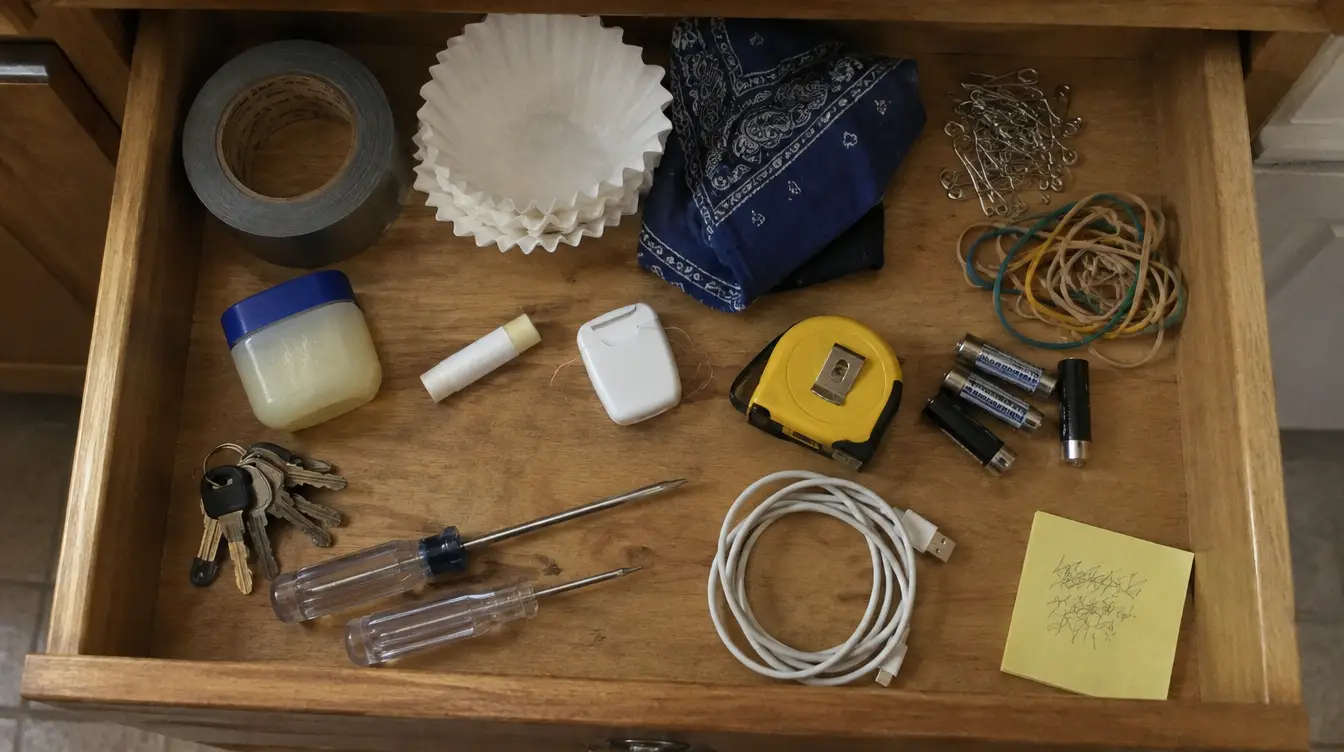
Here’s where I land: build a small kit first, then use this list as the backup that fills the gaps. Most of these items are already in a kitchen drawer or the garage, so you can sort them tonight.
At a Glance: Everyday Items for Survival
- Start here: Water comes first, so pack a coffee filter and a way to boil. Duct tape and garbage bags handle repairs and rain cover after that.
- Water: Strain cloudy water through a coffee filter, then boil it. Straining alone doesn’t make water safe.
- Boil time: Hold a rolling boil for 1 minute, or 3 minutes above 6,500 feet.
- Medical limit: None of these replaces a first-aid kit. For bleeding that won’t stop, press with a clean cloth and call 911.
Survival Life earns a commission if you buy through the Amazon links on this page, at no extra cost to you. As an Amazon Associate, Survival Life earns from qualifying purchases.
1. Everyday items for water: strain first, then boil
Straining takes the grit out of water. It doesn’t make the water safe to drink.
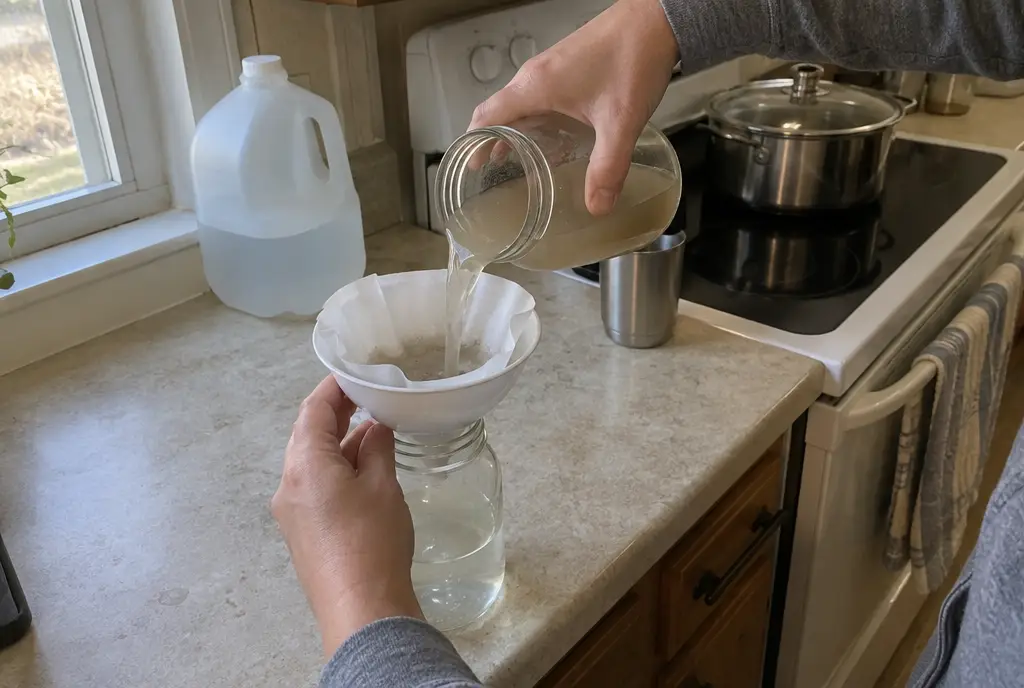
My rule here is simple: the proven method comes first and the workaround comes second. Boiling is the safest way to treat water, and straining through coffee filters or layers of clean cloth first just helps the boil work on clearer water.
Hold a rolling boil for 1 minute. Above 6,500 feet, hold it for 3 minutes. Plan on at least 1 gallon of water per person per day, based on basic emergency water guidance.
That means a 3-day supply for a family of 4 is about 12 gallons. Most households don’t have that sitting around, so know your backup before you need it.
If you want a deeper look at your options, our guide to water purification methods covers what to do when boiling isn’t possible.
Coffee filters
A coffee filter catches grit and floating bits before you boil. Fold 1 into a cone and pour slowly, or stack 2 for cloudy water.
Let the water drip through on its own. Pressing on the filter tears it and lets the grit back in.
Where it fails
A filter doesn’t remove germs. Boil the water after you strain it, every time.
Bandanas
A clean cotton bandana folded into 4 layers works as a pre-strainer when you have no filter. Rinse it first with water you already have, so it doesn’t add dirt.
It also holds a clean dressing in place once the bleeding has stopped.
Where it fails
A bandana is cloth, not treatment. It won’t make water safe, and it can’t stop serious bleeding on its own.
Pantyhose
Stretch a clean leg over a bottle neck and pour through it to catch sticks and sand. Use a pair that’s never been worn.
Cut the leg off and it also makes a stretchy emergency tie for a bundle or a loose strap.
Where it fails
Nylon lets fine silt through and does nothing about germs. Boil afterward, and treat it as the coarsest strainer on the list.
Tin cans
Water needs a metal container to boil in. A cleaned tin can works when you have nothing else.
Peel off the label and scrub the inside first. Set the can on a stable, fire-safe surface and watch it the whole time.
Where it fails
The cut rim is sharp, so wear gloves and tape it over. A plain metal cup is the better long-term choice.
Boiling needs fuel and a container. When you have neither, a personal water filter covers the gap. One limit: it filters as you drink, so it does not replace a pot and a boil when you need safe water to carry or cook with:
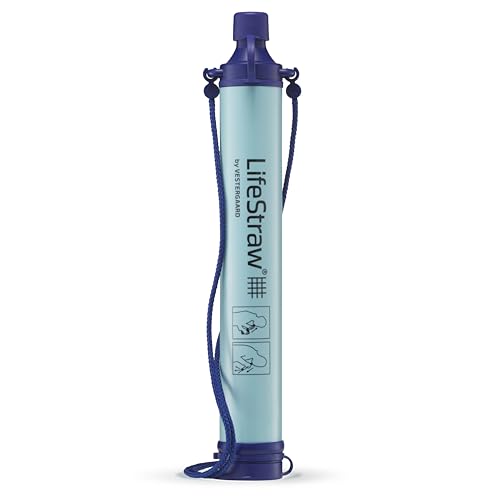
- Removes Bacteria & Parasites: The Microfiltration Membrane Removes 99.999999% of Waterborne Bacteria (Including E. Coli and...
- Removes Microplastics: Removes the Smallest Microplastics Found in the Environment (Down to 1 Micron), and Reduces Turbidity...
Last update on 2026-11-19 / Affiliate links / Images from Amazon Product Advertising API
2. Keep the heat in and the rain out
Cold and wet beat most people before hunger does. These 3 items help you stay dry and warm until you reach a better setup.
For most weather, shelter from wind and wet matters more than a fire. Start there, and add heat once you’re covered.
Garbage bags
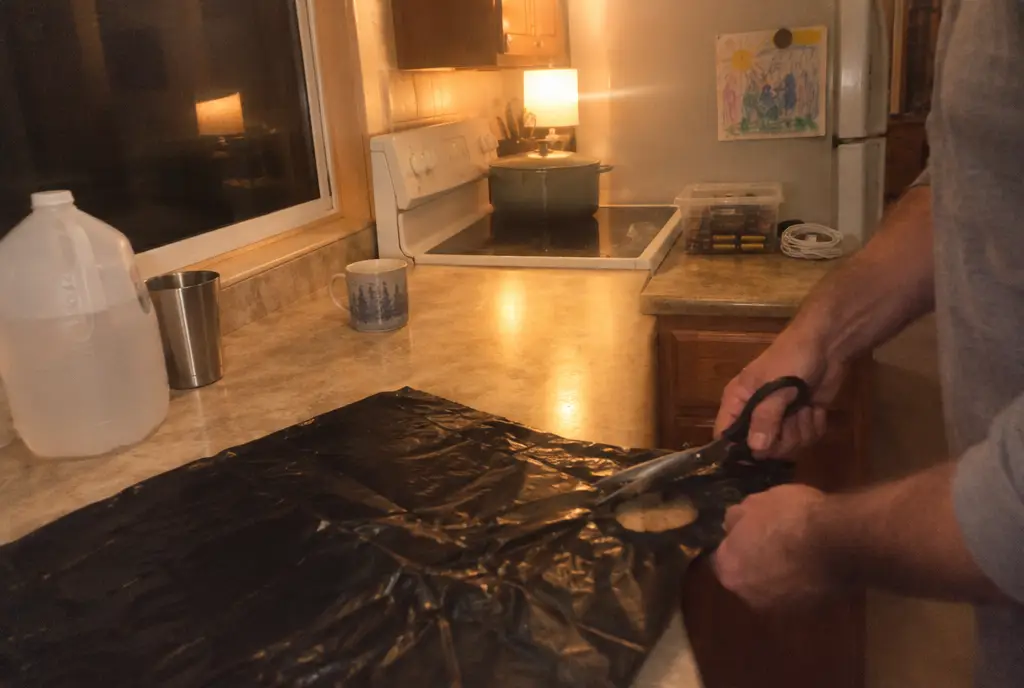
A heavy contractor bag becomes a rain poncho with 1 hole cut for your head. Cut 2 small slits for your arms if you need your hands free.
Stuffed with dry leaves or clothes, it also adds a layer of insulation under your jacket.
Where it fails
A bag traps sweat, so vent it when you’re working hard. Never put a bag over a child’s head.
A cut-open bag works for a while and tears easily. For repeated rain, a poncho made for the job lasts longer, though a disposable one is still thin:
Paid link below.

- Instant Shield: This clear rain poncho for adults covers you from head to knee with a snug hood and roomy fit that layers...
- Pocket Ready: Each disposable poncho comes individually wrapped in a compact packet that slips into a purse, glove box, or...
Last update on 2026-11-19 / Affiliate links / Images from Amazon Product Advertising API
Aluminum foil
Fold a sheet into a reflector behind a candle or small flame to push heat toward you. Bend the edges back to make a shallow curve.
A flat piece also flashes sunlight, so you can signal. Tilt it slowly until the bright spot lands where you want it.
Where it fails
Foil doesn’t insulate on its own. Keep a reflector on a fire-safe surface, never near fuel and never in a closed room.
Lip balm
Rub balm into a cotton ball and it catches a spark easily. It also burns longer than dry cotton, which gives wet kindling a head start.
Pull the cotton apart a little first, so more of it can catch. Then keep your tinder dry and ready before you strike anything.
Where it fails
Balm won’t light once it’s soaked. Keep 1 tube in a zip bag with your lighter or ferro rod.
3. Repairs that keep a small problem small
Small failures grow when you ignore them. A torn strap or a cracked handle slows you down, and these 3 items fix most of that.
Fix the problem while it’s still small. A 2-minute patch now beats a ruined pack tomorrow.
Duct tape
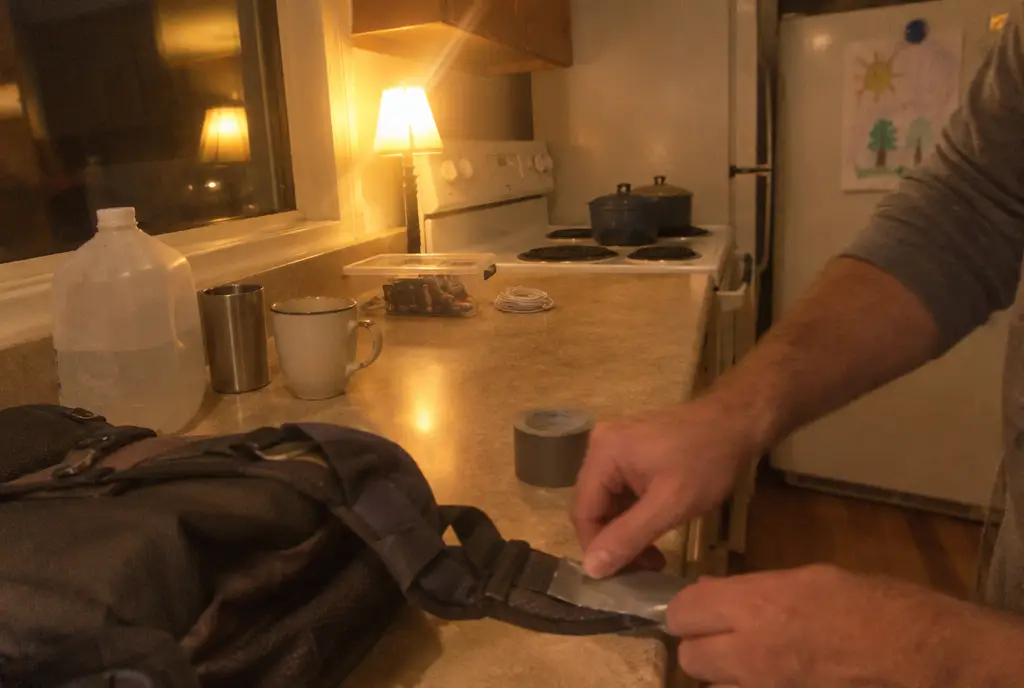
Wrap a few feet of tape around a pencil or an old card so it’s ready to use. It patches a torn tent, fixes a strap and mends a cracked handle around the house.
Press it down hard and smooth out the bubbles. Overlap each strip by half its width for a stronger hold.
Where it fails
Tape won’t stick to wet or dirty surfaces. It’s also not a bandage, so keep it off skin and wounds.
Safety pins
Pins close a tear and hold a bandage end. They also clip layers of fabric together. A bent pin makes a small hook for a loose zipper.
Keep 5 or 6 pinned to the inside of a bag strap. They’re easy to lose when they’re loose in a pocket.
Where it fails
Pins rust and snag. Keep the points covered and never pin through skin.
Credit cards
An expired card scrapes ice off a windshield and spreads sealant into a crack. It also pries open a stuck lid. It’s a small flat tool that weighs almost nothing.
Keep 1 in your wallet and 1 in the car. That way the tool is already where you need it.
Where it fails
A card bends under force and snaps in the cold. Use an expired one, never a card you still need.
4. Turn the list into a small kit
A list you only read won’t help you. A kit you’ve packed and handled will.
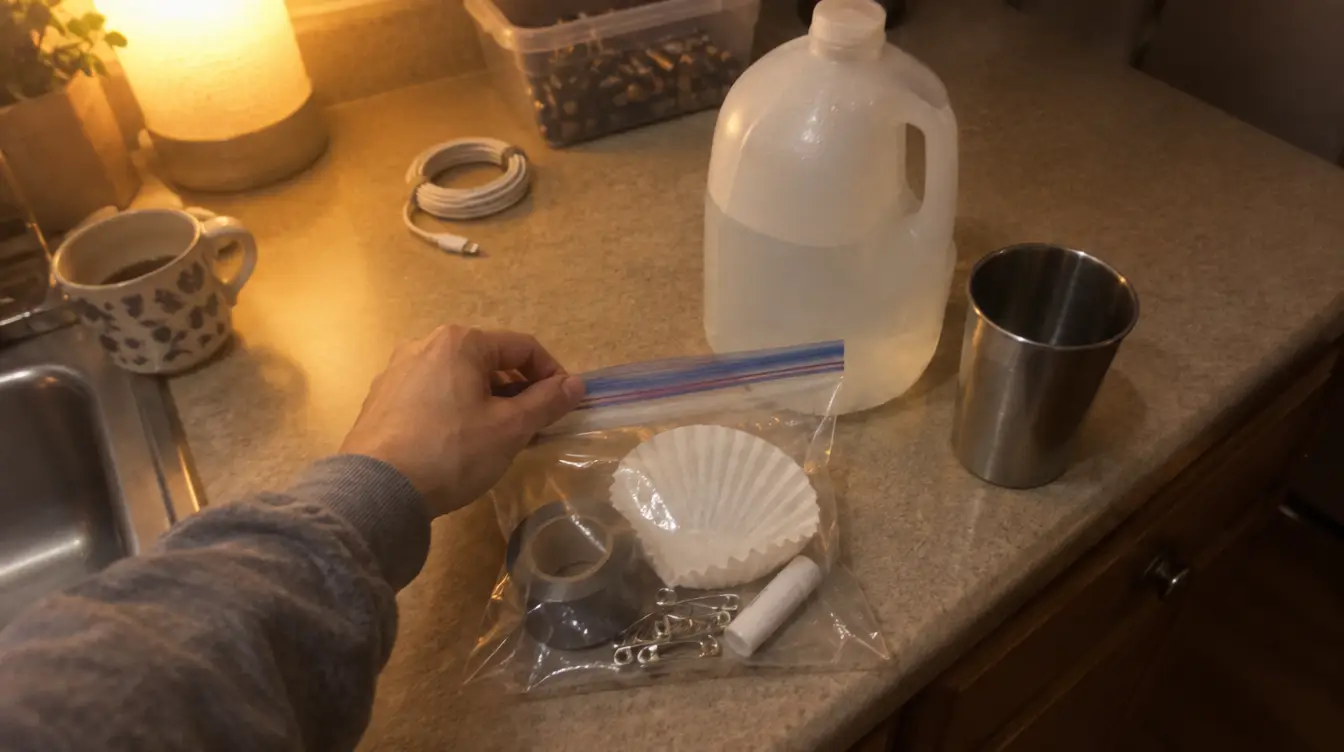
Start with 1 zip bag. Put in a small roll of tape, 2 coffee filters, 4 safety pins, 1 lip balm and 1 expired card. That’s 5 items, and the bag takes up less room than a paperback.
Next, add the water pieces: a metal cup and a clean bandana. Keep a lighter or ferro rod in the same bag, so the boil step is ready when you are.
Here’s where I land on order. Water comes first and warmth comes second. Repairs wait their turn.
Then add a first-aid kit and a rain cover as your budget allows. Buy the first-aid kit before the rain cover, because it does a job no household item can.
Run one drill before you call the bag done. Boil a pot of tap water on your stove and time it from a rolling boil. You’ll know exactly how long your setup takes, and you’ll find any missing piece while the stakes are low.
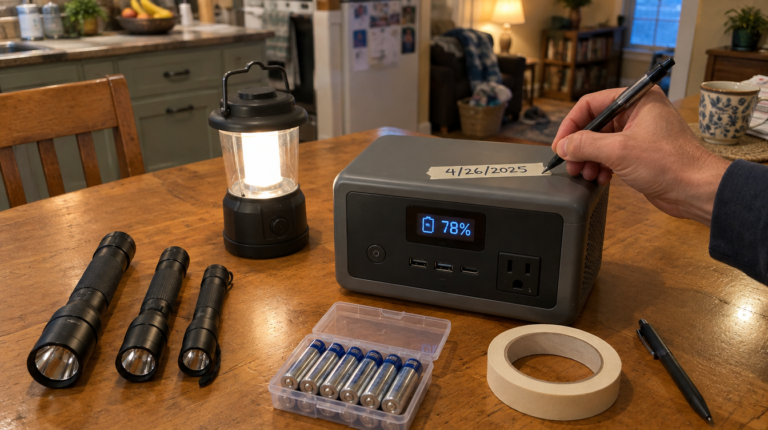
Check the bag once a season. Replace the lip balm if it has melted and refill anything you’ve used. Write the date on the outside so you know when you last looked.
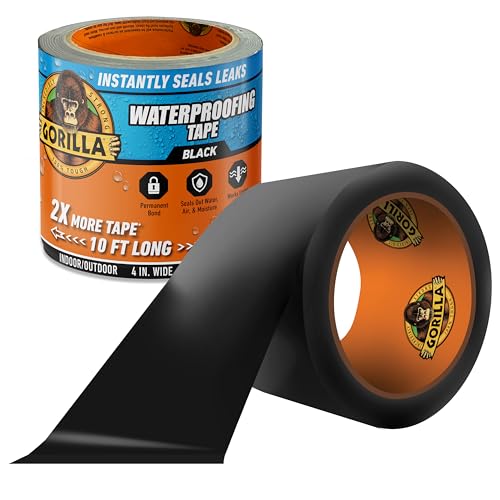
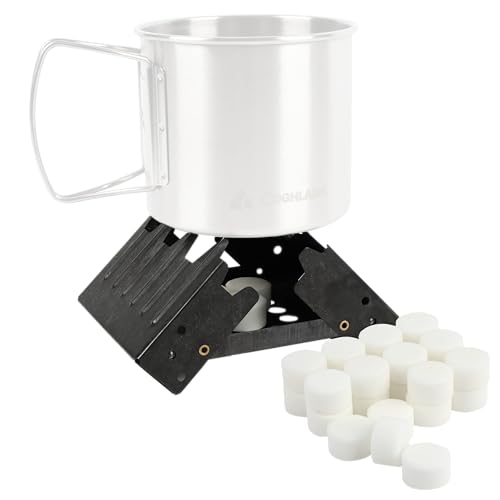
These store-bought pieces fill gaps the household items leave. One limit: stock changes, so check each listing for current availability before you count on it.
Paid link below.



Last update on 2026-11-19 / Affiliate links / Images from Amazon Product Advertising API
Common Mistakes
- Skipping the boil. Straining looks clean, but clear water can still carry germs. Boil for 1 minute, or 3 minutes above 6,500 feet.
- Treating a hack as a kit. A small first-aid kit holds supplies made for cuts and burns. Our first-aid kit buyer’s guide covers what belongs in one.
- Putting tape, foil or balm on a wound. None of them belongs in a cut. For bleeding that won’t stop, press with a clean cloth and call 911.
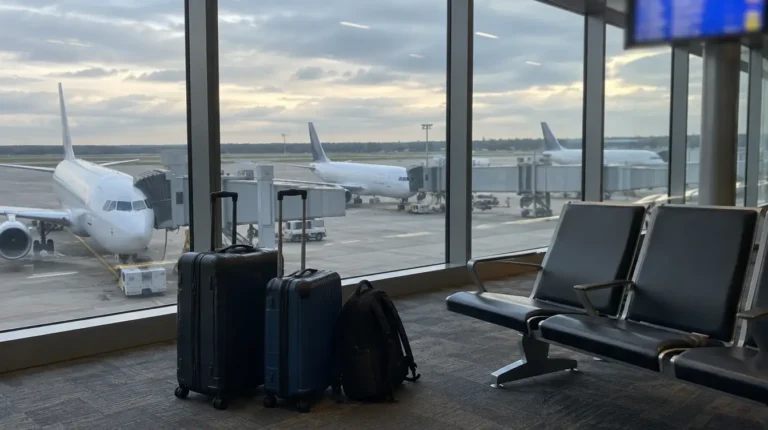
- Packing all 10 for a trip. This list is for home, so pick the 2 or 3 everyday items you’d actually use for a bag. Our bug-out bag list shows what to carry.
- Trusting a trick you’ve never tried. Try each one once when nothing is at stake, so it works when it counts.
- Heating things in a closed room. Flame and smoke build up fast, so keep every flame outdoors or well vented.
For your vehicle, the same rule applies. Our car emergency kit guide shows what to keep in the trunk.
Everyday Items Survival FAQ
Coffee filters and layers of clean cloth work best for removing grit. Straining isn’t treatment, so boil the water for 1 minute after, or 3 minutes above 6,500 feet.
Not yet. Straining removes grit, not germs, so boil the water first. Hold a rolling boil for 1 minute, or 3 minutes above 6,500 feet.
No. A small first-aid kit holds supplies made for wounds, and these items only fill gaps. For bleeding that won’t stop, press with a clean cloth and call 911.
Start with a small roll of duct tape and 2 coffee filters. Add a metal cup if you have room.
It works as a last resort when you have nothing else. Tape over the cut rim and use a plain metal cup when you can.
Do one thing today
Pick your first 2 everyday items and put them in a zip bag: a small roll of duct tape and 2 coffee filters. Write the boil time on the bag: 1 minute, or 3 minutes above 6,500 feet.
That takes about 5 minutes tonight. Set the bag next to your first-aid kit and you’re done.