
Last Updated March 2026
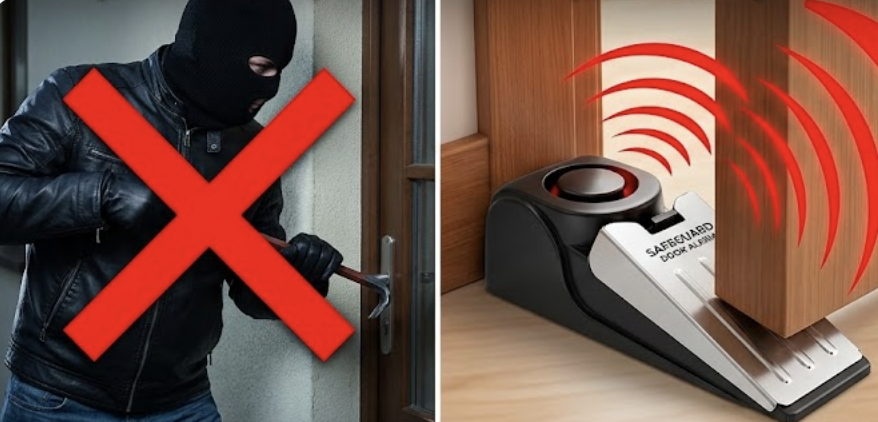
It’s getting wild out there. With grocery prices and fuel costs climbing, the supplies sitting in your home are worth more than ever. And thieves know it. That’s what made me realize that my regular locks weren’t good enough anymore. I needed a way to harden my home’s perimeter without getting stuck with expensive monthly monitoring fees.
If you’re looking for a budget-friendly way to make your home harder to target, I rounded up easy-to-install DIY alarm kits that provide loud deterrence and better perimeter protection for safer nights ahead.
Top 5 DIY Home Alarm Security Systems | How to Install One at Home
Here are five DIY alarm systems that can go toe-to-toe with the big brands:
1. Best Cheap Multi-Pack: GE Personal Security Window and Door Alarm (5 Pack)
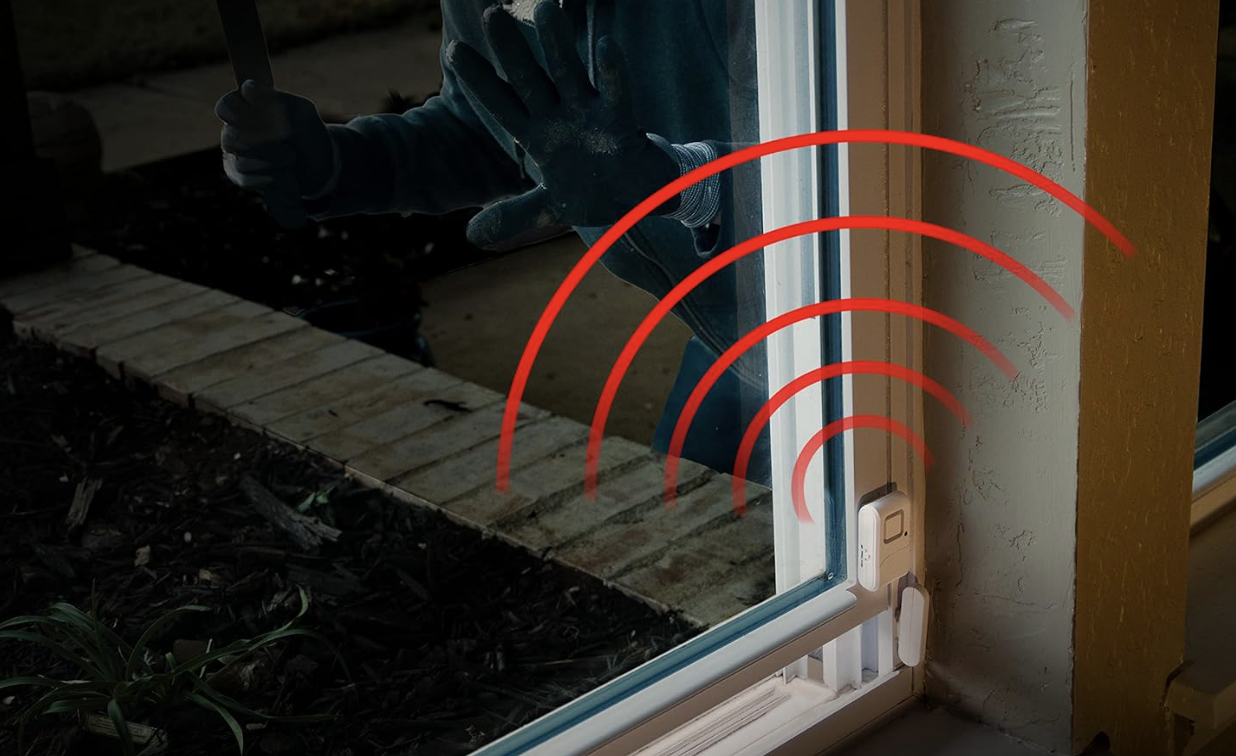
Top feature: 120-decibel siren, which is loud enough to be heard throughout a house and definitely enough to startle an intruder (or a teenager sneaking out). It’s designed to be a “psychological” deterrent that alerts the whole neighborhood.
Specs: * Set of 5 independent units.
- Two modes: “Alarm” (loud siren) and “Chime” (gentle alert).
- Powered by LR44 button cell batteries (usually included).
- Indoor use only.
- Installation: 100% Tool-Free. Each unit comes with a self-adhesive backing. Simply peel and stick the alarm on the frame and the magnetic sensor on the door or window. No wiring or drilling required.
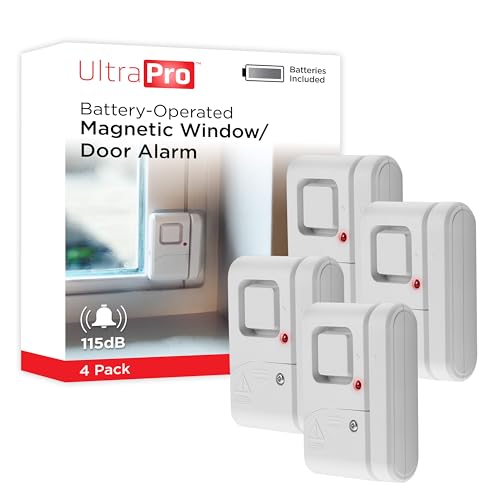
2. Best Budget Home Security System: UltraPro Personal Security Window and Door Alarm (4 Pack)
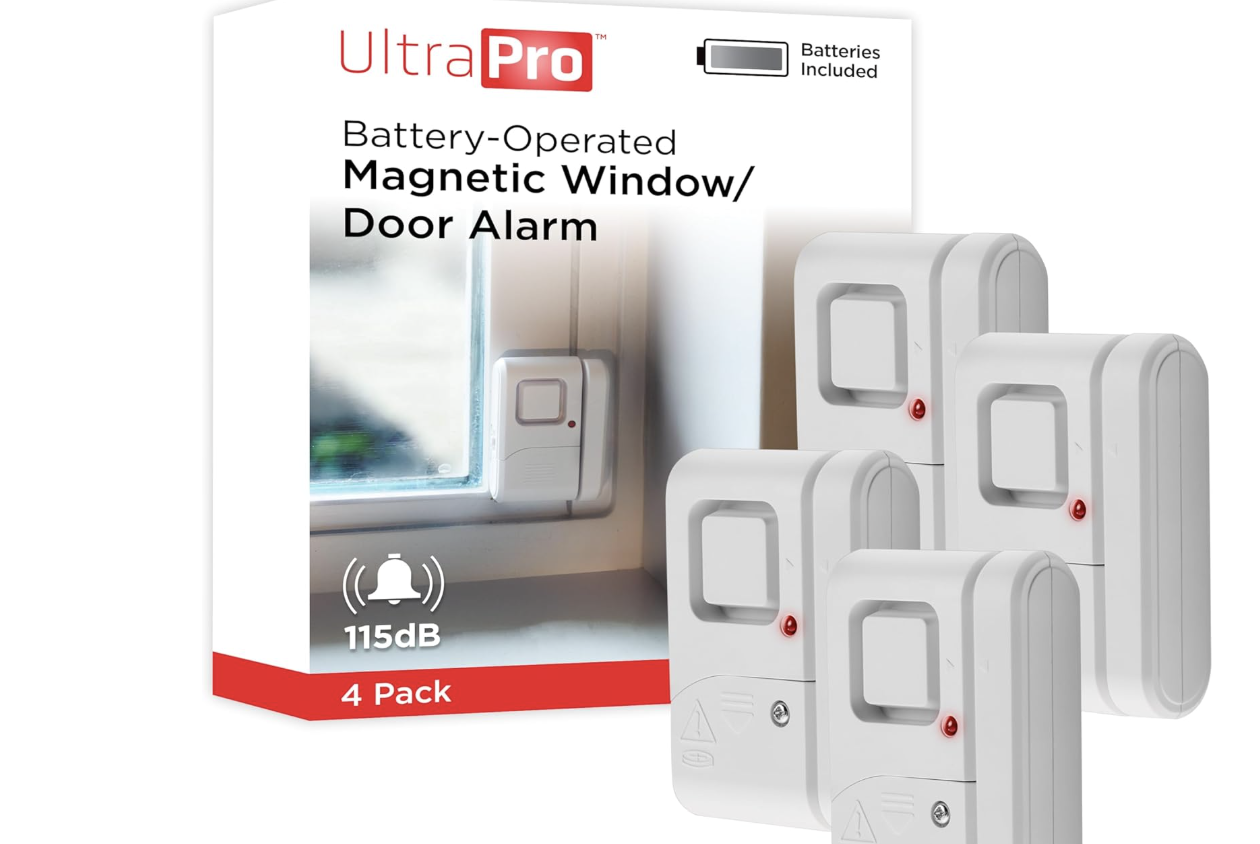
Top feature: Low Battery Test Button. Unlike some ultra-cheap units where you only find out the battery’s dead when it fails to beep, UltraPro has a dedicated “Press to Test” button and an LED indicator to ensure they’re still live.
Specs: * Set of 4 independent units.
- 120 dB alarm rating.
- High/Low volume settings (or Chime/Alarm toggle).
- Brighter, modern white finish compared to older GE models.
- Installation: Peel-and-Stick. Uses double-sided adhesive tape (included in the package). The sensor and alarm must be aligned within roughly 0.5 inches to function correctly. They’re also easy to line up, even on uneven door frames.
Quick heads-up: since most of these units run on button cells, I was a little worried about them dying in the middle of the night. Here’s where I grabbed my LR44 batteries:
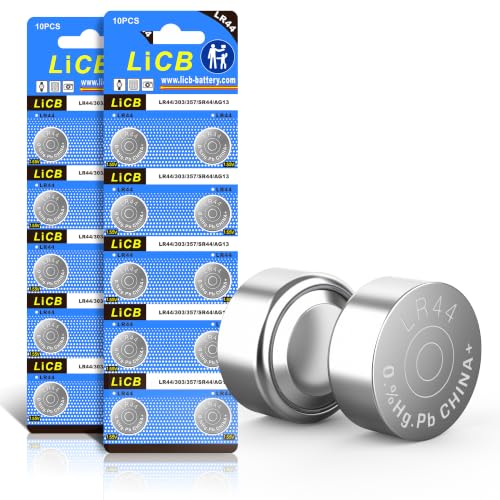
- ★If your device uses any of the following batteries, this is what you are looking for...
- ★High Quality: Tested under Strict Quality Control Standards. CE and ROHS Certified. Grade A cells LR44 Ensure Longer...
Last update on 2026-10-22 / Affiliate links / Images from Amazon Product Advertising API
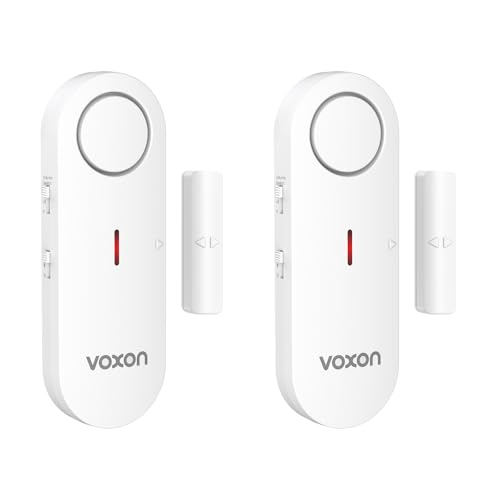
3. Best for Kids’ Rooms / Apartment Use: VOXON Door/Window Alarm
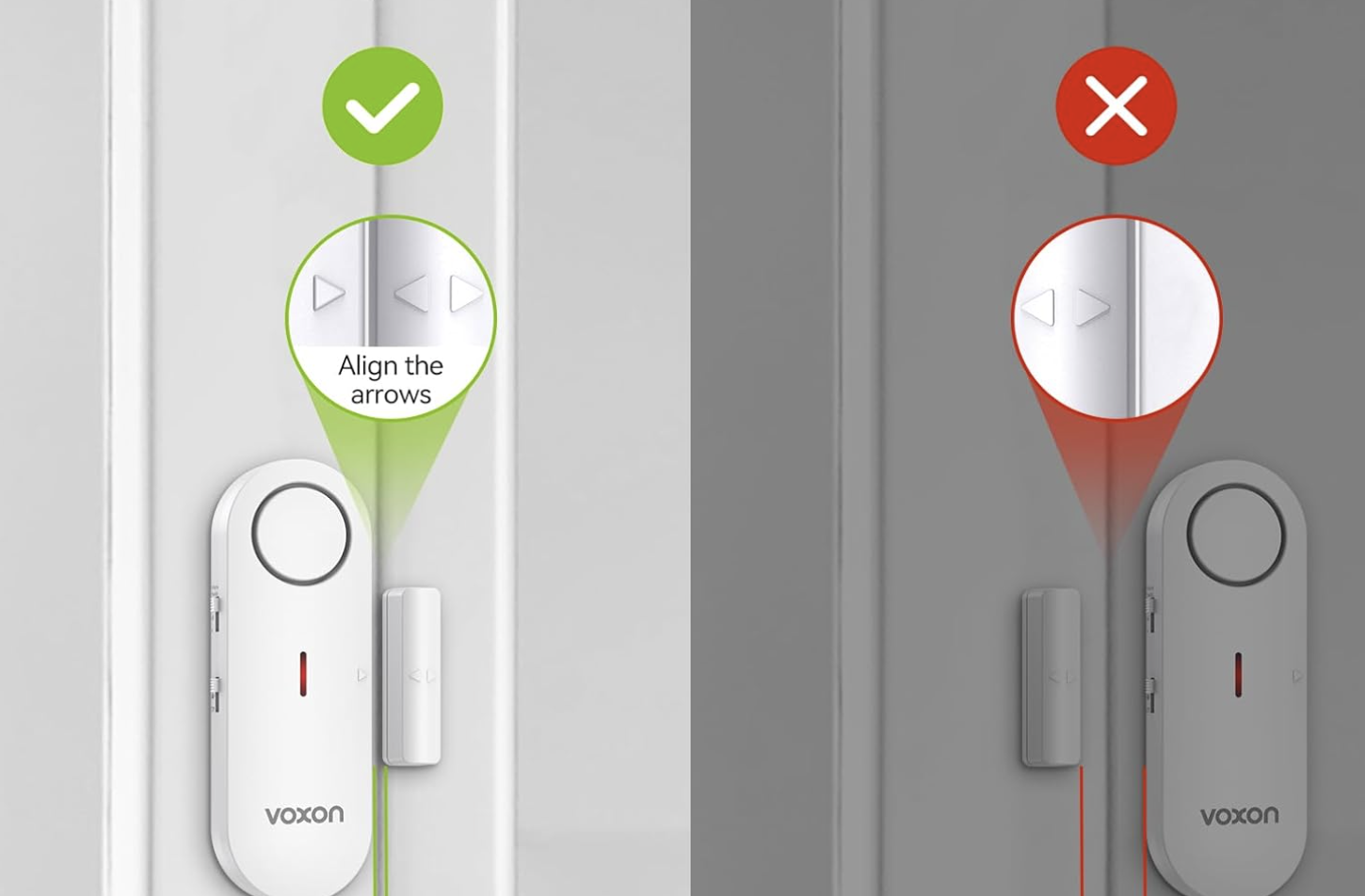
Top feature: Ultra-Slim Profile. Because it’s marketed for “kid safety” and nurseries, VOXON looks less bulky and more discreet than standard industrial-looking alarms. It blends into white frames so kids are less likely to mess with it.
Specs: * Single or multi-pack options (typically sold as a pair or single).
- High-decibel output (120 dB).
- Simple On/Off toggle switch on the side.
- Magnetic induction technology.
- Installation: Adhesive Mount. Designed specifically for sliding windows and doors where space might be tight. Clean the surface first, stick it on, and you’re done in 30 seconds.
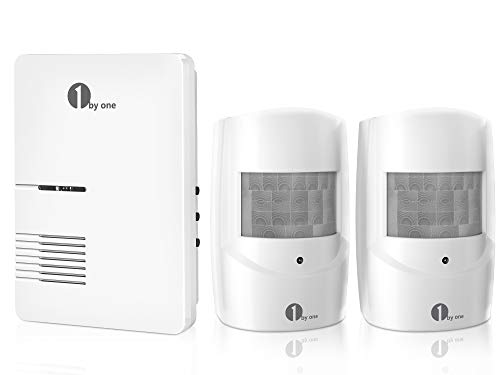
4. Best Outdoor DIY Home Alarm Security System: 1byone Driveway Alarm
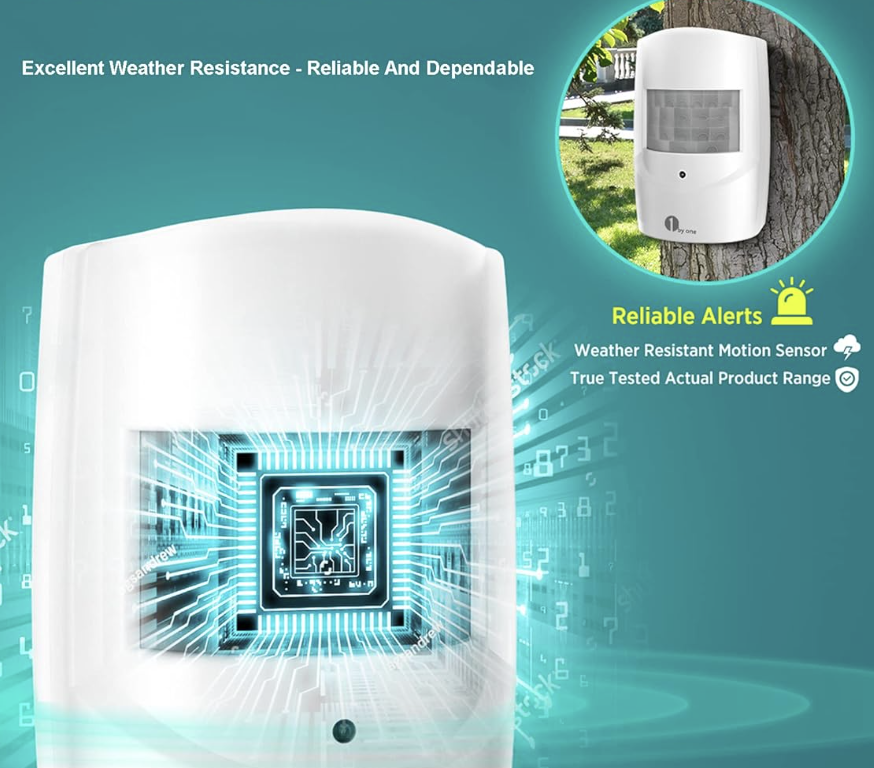
Top feature: 1,000-Foot Wireless Range. This model uses Passive Infrared (PIR) sensors to detect movement up to 1,000 feet away from the receiver, which makes it ideal for long driveways, detached garages, or front gates.
Specs: * Kit includes 1 Plug-in receiver and 2 Weatherproof PIR sensors.
- 36 different ringtones/melodies and 3 volume levels.
- Sensors detect motion within a 24-foot radius.
- Uses a secure 433MHz wireless signal.
- Installation: Hybrid Setup. The receiver plugs into any standard indoor outlet. The sensors are battery-powered and should be mounted to a wall, fence, or tree using the included screws and wall anchors for long-term stability in the elements.
5. Best Smart Option Under $50: WiFi Door Alarm System (8-Piece Kit)
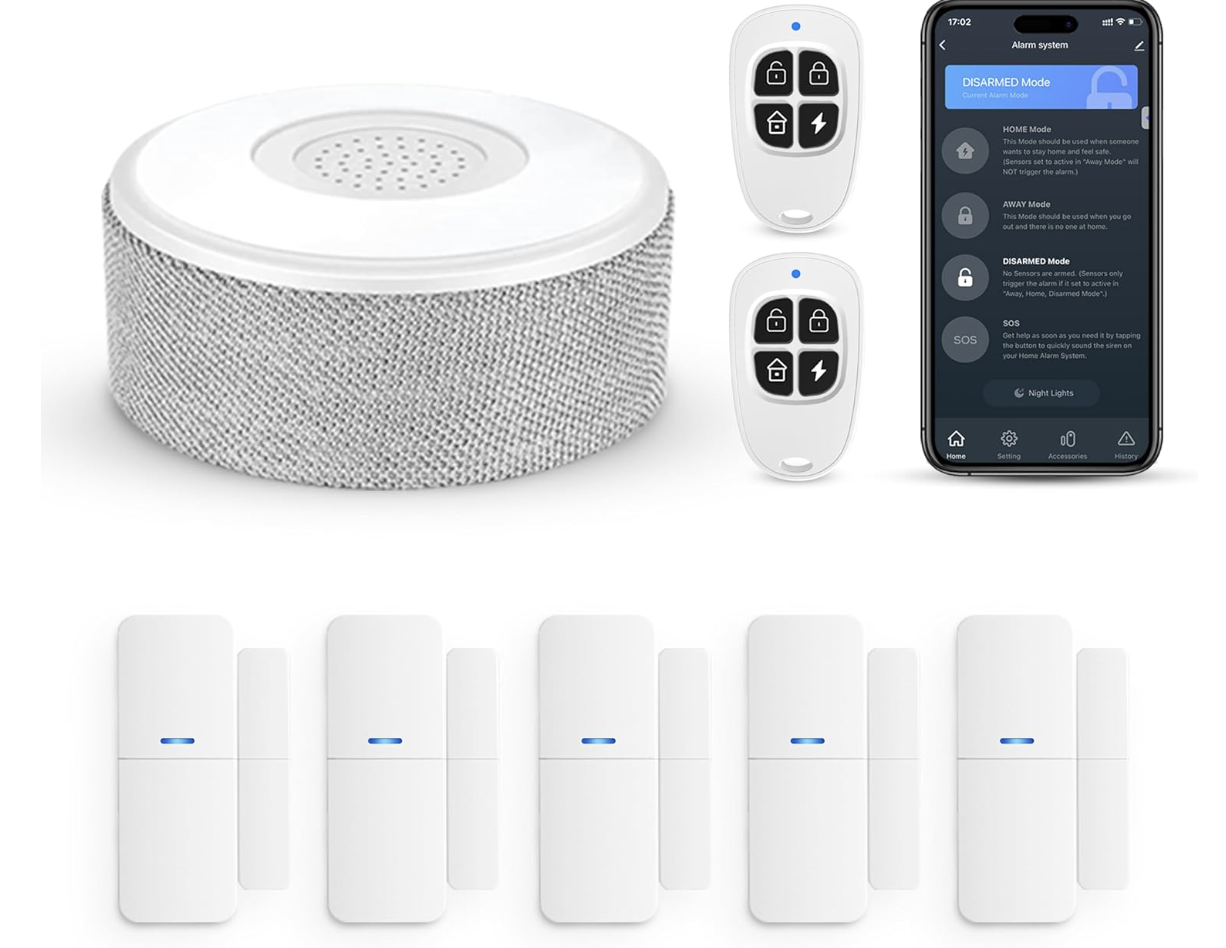
Top feature: Real-Time Smartphone Notifications. While the others just make noise, this alarm system pings your phone via an app (like Tuya or Smart Life) the second a door opens, even if you’re miles away. It gives you “smart home” capability without the monthly subscription fee.
Specs: * 8-Piece Kit: 1 Base Station (Hub), 5 Door/Window Sensors, and 2 Remote Controls.
- Connectivity: 2.4GHz WiFi required (No monthly fees).
- Expandable: You can add up to 20+ sensors to the same hub.
- Compatibility: Works with Alexa and Google Assistant for voice arming/disarming.
- Installation: Plug & Pair. Plug the Base Station into a central outlet. Use the app to pair the door sensors, then mount the sensors using the provided adhesive. It takes about 10–15 minutes to sync the whole house.
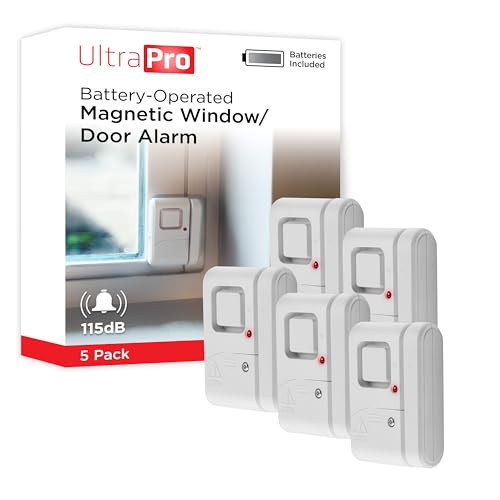
I took a deep dive into the world of DIY sensors and read through hundreds of reviews to find alarm kits within my $50 budget that still get the job done. I ended up with these five because they cover every “blind spot” in my place. To help you skip the weeks of research I did, here’s exactly how these five home alarm security systems measure up against each other.
Last update on 2026-10-22 / Affiliate links / Images from Amazon Product Advertising API
FAQs
1. Do these DIY alarm systems require a monthly subscription fee? No! All of the systems on this list are standalone, budget-friendly options that do not require expensive monthly monitoring contracts. The magnetic sensors rely on loud local sirens to deter intruders, and even the smart WiFi option sends real-time alerts directly to your phone for free.
2. Are these window and door alarms hard to install? Not at all. The majority of these indoor sensors feature 100% tool-free installation. Systems like the GE, UltraPro, and VOXON kits use a simple peel-and-stick adhesive backing. You just align the magnetic sensor with the alarm on your door or window frame. The only system that requires minor drilling is the outdoor 1byone Driveway Alarm, which uses screws for weather-resistant mounting.
3. How will I know if the batteries die in my door sensors? Since most of these compact alarms run on small button cell batteries (like LR44s), checking their power level is crucial. Some models, like the UltraPro, feature a dedicated “Press to Test” button and an LED indicator so you can easily verify the unit is still live without having to trigger the 120-decibel siren.