
Having an abnormal harvest season? Perhaps a harsh winter or overbearing summer? Studies have found that extreme weather has been on the rise, causing unfavorable weather patterns.
Research also reveals that man-made climate change may be the cause of the problem by interfering with global air-flow patterns.
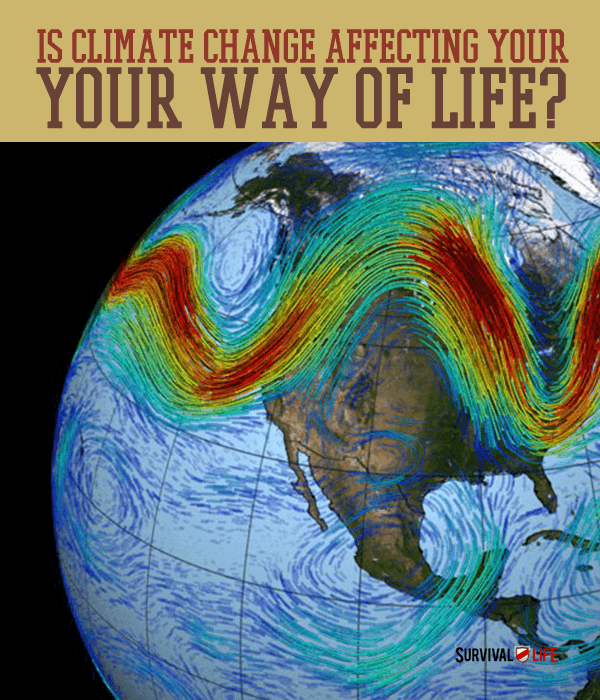
Floods, freezes and heat waves favor certain areas of the Northern Hemisphere, due to strong atmospheric currents that steer extreme weather to the same places repeatedly.
For example, there is an annual monsoon season in Asia, heat waves in western North America, as well as cold winters in eastern North America. Sounds familiar, right?
Giant waves of air in the atmosphere normally even out the climate, by bringing warm air north from the tropics and cold air south from the Arctic. However, this new study suggests these waves have been getting stuck in place during extreme weather events.
“What we found is that during several recent extreme weather events these planetary waves almost freeze in their tracks for weeks,” lead author Vladimir Petoukhov, of the Potsdam Institute for Climate Impact Research (PIK) in Germany, said in a statement. “So instead of bringing in cool air after having brought warm air in before, the heat just stays,” via Business Insider
The Greenhouse Effect
Essentially, the greenhouse effect is when greenhouse gases form a protective layer around the Earth, which captures some of the suns rays and keeps Earth from becoming a frozen planet. This also allows organisms to grow. The theory of climate change is that the more greenhouse gases we release into the air, via human activities such as deforestation, industrial agriculture and tourism, the thicker this protective layer grows, capturing more heat from the sun, continually making the Earth warmer. Many worry Earth may one day become too warm to sustain life, via The Frog Blog
What does this mean for you?
How long these weather extremes last is critical, the researchers say. While two or three days at 86 degrees Fahrenheit pose little threat, 20 plus days can lead to extreme heat stress, which can trigger deaths, intense fires, water shortages and lost harvests, via Live Science
How to predict the [current] weather:
I have always been fascinated by the weather, and while I cannot predict climate change, understanding current weather patterns can prove to be very helpful in a survival situation:
The truth of the matter is, we live on a very dynamic planet.
Check out these related articles:
Surviving Mother Nature’s Fury
Emergency Hurricane Survival Kit List & Preparedness Tips
Best Bug Out Locations | Where To Go When The SHTF
Like this post?
Be sure to like us on Facebook so you can be the first to know about latest survival tips and off the grid living skills.