Planning to build a bug out bag? Build the ultimate bug out bag by following these helpful tips and tricks!
In this article:
- How to Pack a Bug Out Bag
- Why It’s Necessary to Have a Bug Out Bag
- A Brief History
- Bug Out Bag or Survival Kit
- Choosing a Bug Out Bag
- Bug Out Bags for the Family
- Bug Out Bag for Your Vehicle
- Three Rules to Remember When Building Bug Out Bag
- A Word on Premade Kits
Build Bug Out Bag for Greater Chances of Survival
What is a bug out bag?
Also known as BOB, this is a kit you carry around that contains all the necessary items a person will need to survive for 72 hours.
How to Pack a Bug Out Bag
A 72-hour bug out bag or “Go Bag” is not just for end-of-the-world scenarios since it is also handy to have around in case of other emergencies. These can include power outages, car breakdowns, natural disasters, and other instances where you might be without services for a few days.
Why It’s Necessary to Have a Bug Out Bag
If you live in an area prone to hurricanes, wildfires, or ice storms, a bug out bag will help keep you and your family safe at home or during an evacuation. Also, a bug out bag kit will give you access to supplies that may not be easily available during these situations.
If you keep the most necessary items in your bug out bag, it will be easier to get your hands on them when you need them.
A Brief History
What is a bug out bag? “Bug out” is British military slang for “leaving quickly under fire.” The concept of the bug out bag started with the military, where it was used as a survival kit when you need to exit an area quickly.
Aviators during World War II took the bug out bags or “bailout bags” with them when skydiving over enemy territory.
Bug Out Bag or Survival Kit
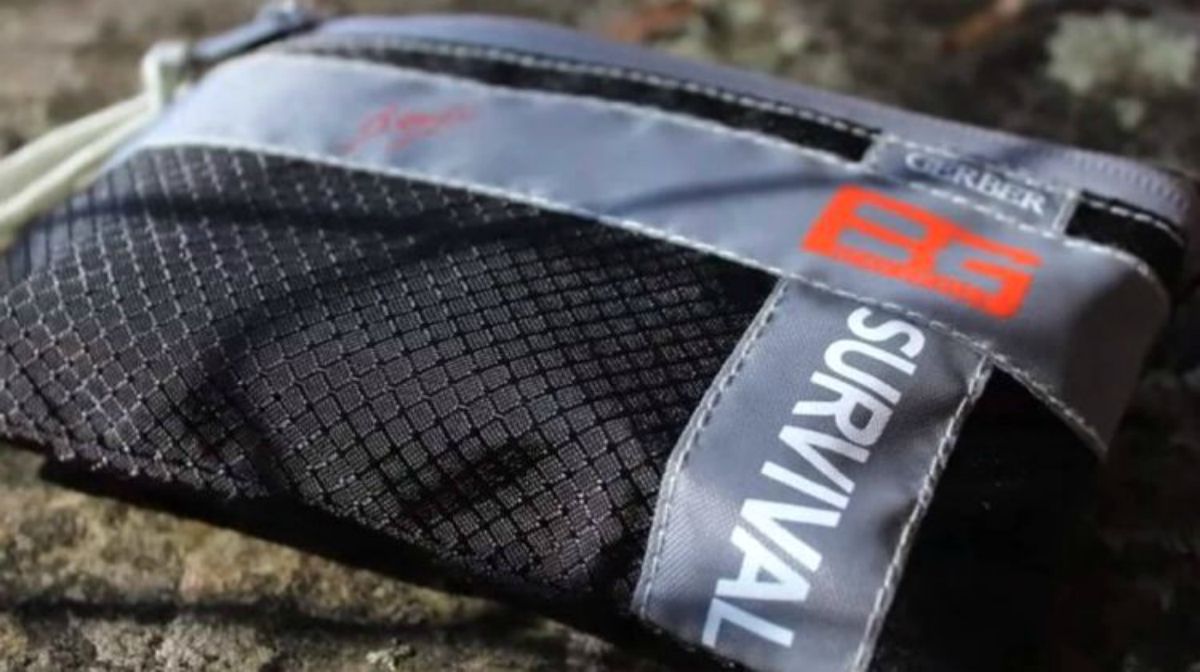
A bug out bag is different from a survival kit because a bug out bag is meant to give you the items you need for the first 72 hours of survival. Because of this, a bug out bag should be able to carry lightweight, emergency, and short-term supplies as opposed to long-term solutions.
And while choosing a military-style bag or backpack has become a very popular choice due to its durability, it may not always be the best option.
Choosing a Bug Out Bag
When choosing a bug out bag, you would want the bag to blend in with its surroundings. For example, if you have to travel through an urban area, a blue or black nylon backpack is a good choice.
On the other hand, if you are traveling through the wilderness, a camouflage pattern is ideal. The key is for the bag to not stick out like a sore thumb.
As a side note, your bug out bag does not have to be an actual “bag” since it can just be a Rubbermaid container, another type of box that fits in your trunk or could even be a large purse.
The size and type of bug out container depends on whether you will need to be carrying it while walking (in which case a backpack is a better choice) or if you can drive to your alternate location.
Bug Out Bags for the Family
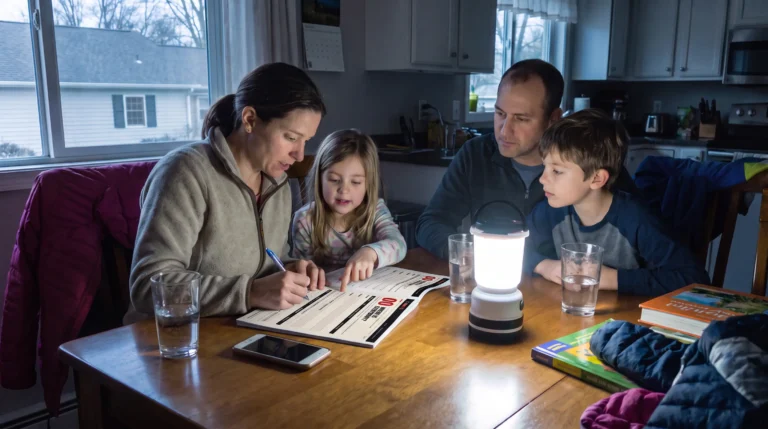
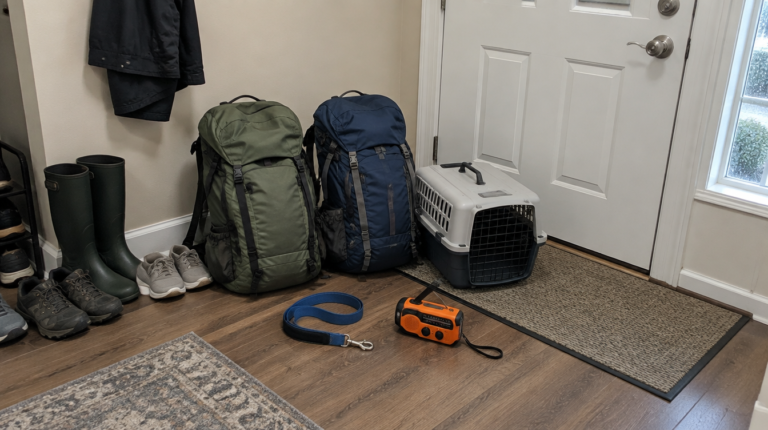
If you have more than one person to pack a bug out bag for, consider packing a smaller bag for each member of the family so everyone has their own supplies. Additionally, this will also help you organize your supplies.
Bug Out Bag for Your Vehicle
Transportation is something that can occupy an entire article in and itself, but there are a few brief considerations to think about regarding vehicles when planning for bugging out:
- If possible, try to acquire and maintain a vehicle manufactured before 1981 since these vehicles have fewer electronics. Because of this, they are less likely to be affected in the event of an Electromagnetic Pulse (EMP) attack.
- A vehicle with a diesel engine is preferable.
- It should have enough room for the people and cargo you need to transport when “bugging out.”
- At your safe location, it is a good idea to have a bicycle and cart for transportation that does not require fuel.
Three Rules to Remember to Build Bug Out Bag
When building your bug out bag, it is important to remember three rules that will help you in the event of an SHTF situation. Essentially, it focuses on preparation in terms of building your bug out bag and the actual bugging out.
First, you gather the right supplies, then develop a solid plan. Finally, you also have to check the supplies in your bug out bag and practice using the tools you will need in an emergency situation.
RELATED: Bug Out Bag Essentials | 30 Uses For Trash Bags
First Rule: Have the Right Supplies

The first rule in building the ultimate bug out bag is gathering the right supplies. Your bug out bag is only as good as the supplies you put in it and the skills you have to use them.
Here are a few suggestions for stocking your 72-hour bug out bag. However, remember to take this with a grain of salt because you still need to customize this kit for your area, needs, and family.
Here is a list of the supplies you need to build a bug out bag:
First Aid Supplies
- Adhesive bandages
- Ace bandages
- Rubbing alcohol
- Hydrogen peroxide
- Gauze pads
- Tourniquet
- Aspirin & Ibuprofen
- Tweezers
- Scissors
- Bug spray
- Sunscreen
- 30 days of prescription medications
- Antibacterial ointment
- Pepto Bismol
Clothing (per person)
- Three pairs of wool socks
- Three pairs of underwear
- Two pairs of pants
- Two t-shirts
- One long-sleeved undershirt
- Jacket
- Long underwear (thermals)
- Something a little more risque
Food and Water
- Bottled water (two liters per person)
- Electrolyte tabs or salt
- Iodine tabs and cheesecloth
- Protein and nut bars
- Dehydrated fruits and meats
- MREs
Tools
- A Compass (best if you will practice so you know how to use it before you need it)
- Local maps
- Small tool kit (screwdriver, pliers etc)
- Hatchet
- Collapsible shovel
- Knife
- Knife sharpener
- Flashlight
- Extra batteries
- Small pan for heating water
Shelter
- Tent or tarp
- Rope (to hang the tarp)
- Foam pad (to prevent hypothermia)
- Space blanket or emergency blanket (one per person)
- Sleeping bag
Miscellaneous
- Toothbrush
- Toothpaste
- Dental floss
- Ziploc bags
- Trash bags
- Duct tape

- 50-count package of Large BAND-AID Brand of First Aid Products Tru-Absorb Sterile Gauze Sponges for minor wound care. Use...
- These sterile first aid gauze pads feature a special low-linting design which helps provide cleaner wounds and may help...
Last update on 2026-10-22 / Affiliate links / Images from Amazon Product Advertising API
Second Rule: Come Up with a Plan

The second rule in bugging out is formulating a solid plan. One thing almost nobody thinks to include in a bug out bag is a written plan.
This is necessary because when disaster strikes, you’ll most likely be distracted and won’t be able to think quickly. The plan should include:
- A list of what to take
- Directions for getting to the alternate location
- An alternate meeting place, should that be necessary
- It is possible that you could be injured or incapacitated and somebody else in your family or group will have to lead the group to safety.
In the event of a catastrophic failure of all systems, if you have written out your plan, you will be better able to safely and confidently get from point A to point B without forgetting anything.
Third Rule: Prepare for Execution
Finally, the last rule in building your bug out bag and preparing for an SHTF situation is preparing to execute your plan and making sure you are equipped with the right tools and supplies before it takes place. Make sure you have practiced using the items in your bug out bag.
A compass is useless if you don’t know how to use it, and using one is actually harder than it looks! Practice starting a fire without matches.
Check the food and medical items in your bag to make sure they have not expired and rotate them out as needed (practice FIFO – First In First Out). Otherwise, leave the bag alone.
No products found.
A Word on Premade Kits…
There are tons of premade kits you can buy that already come with supplies. However, because they may not come with items you want or need, your best bet is still to build your own from scratch.
In addition, the premade kit can also be used as a springboard to create your personalized “ultimate” bug out bag.
No products found.
Watch this video posted by SensiblePrepper on how to make a DIY Walmart Premium Bug Out Bag:
There are certain things you need to remember to successfully build the best bug out bag. Do not “borrow” items from the bag for non-emergency situations.
If you do, you might forget to put the items back or replace them, and in the case of an emergency, you will be stuck without something vital that you need.
Most importantly, remember that while a bug out bag won’t prepare you for every scenario, it can still help you get to the place where you have prepared for every eventuality.
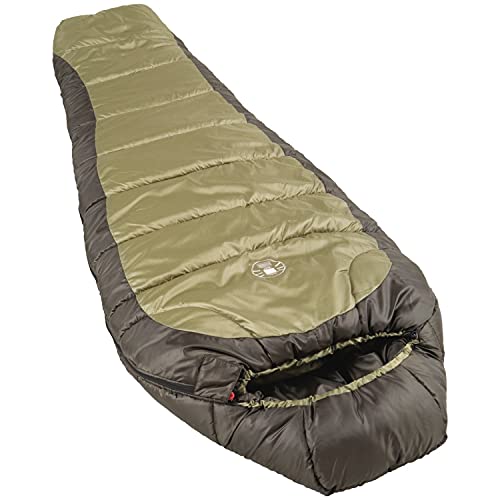
- Mummy-style adult sleeping bag designed for camping even in temperatures as low as 0 degrees Fahrenheit
- Can comfortably accommodate most people up to 6 feet 2 inches in height
Last update on 2026-10-22 / Affiliate links / Images from Amazon Product Advertising API
What do you put in your bug out bag? Have something “weird” or uncommon essentials? Leave a comment below and let us know.
Up Next: 36 Reason Why You Should Test Your Bug Out Bag Today!
Follow us on Facebook, Instagram, Twitter, Tumblr, and Pinterest!
The contents of this article are for informational purposes only. Please read our full disclaimer.
Editor’s Note: This post was originally published on February 2, 2018, and has been updated for quality and relevancy.