
Mesquite trees are considered by the World Conservation Union and many Texas ranchers alike as a pest and a nuisance. They are invasive, drain the water table and compete with other agriculture plants for water.
But to any outdoors man or survivalist in the southern part of the U.S, Mesquite is a fantastic and overlooked resource.
They have been known to tap directly into the water table via an extraordinarily long taproot (recorded to be up to 190 feet long).
Frontiersmen would hunt for mesquite trees in order to harvest these roots for fire wood. These roots are so abundant that they helped to give rise to the phrase “dig for wood and climb for water.”
Mesquite gum was widely used to treat infection and irritation, sores, wounds, sunburn, and chapped skin. It is good restorative for dysentery, diarrhea, stomach and intestinal distress and hemorrhoids. It was also used as a treatment for lice, cough, sore throat, mouth sores, laryngitis, and painful teeth and gums.
Poulticed leaves were used for red ant bites, and a tea made of the leaves was used as an eyewash for inflammations of all kinds, including pink eye. The white inner bark is useful as an intestinal antispasmodic and was also used to stop excessive menstrual bleeding and to reduce fevers.
This gum was used for so many medicinal purposes that it became a major export out of Texas.
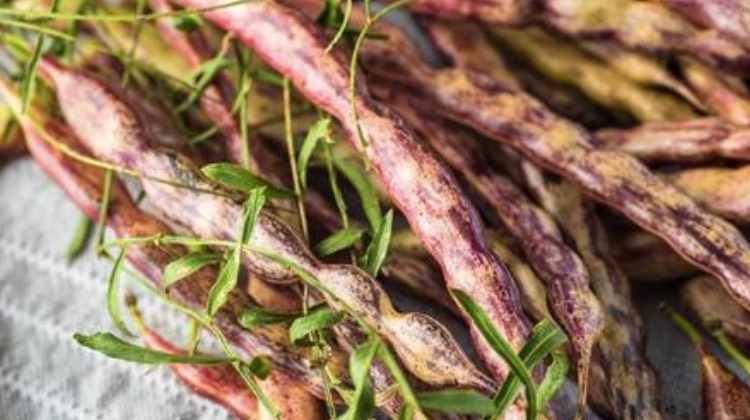
The mesquite pods or beans were a major, if not the primary food source for the many desert Indian tribes such as the Apache, Pima, and Hopi tribes.
Think of them as the ultimate grab and go snack pack.
Just a few minutes of picking can yield hundreds of these little pods to carry with you.
Each one is a little burst of sugary energy.
If you ever get a chance to give them a try, you might be amazed at how they taste.
They remind me of pancakes and syrup, with a deliciously sweet brown sugar flavor and just a hint of maple.
Be warned though not all of the mesquite pod is edible — a great deal of it is indigestible fiber. what you are looking for is thepulp or pith between the brittle outside and the hard seeds. DO NOT try to crack open the seed with your teeth, you are much more likely to crack a tooth… take my word for it!
With the right tools they can be made into a mesquite flour and used in baking.
A few tips on harvesting the pods:
Mesquite pods ripen for harvesting throughout the summer.
Ripe pods may range in color from yellowish tan to reddish (not green), and are dry and brittle. They come off the tree with little pulling.
Where NOT to harvest:
Do not harvest from areas that are polluted or contaminated. These include:
– Highway corridors and other areas with high traffic and air-borne pollutants
– Areas where there is known or suspected use of pesticides or herbicides (you don’t want your pods to come into contact with soil that is sprayed with Round Up)
– Avoid trees with that are in the direct vicinity of telephone poles because they are treated with toxic preservatives that can leach into the tree
– Avoid gathering pods from the ground where there is likely to be animal waste such as dog and cat droppings.
If you are unsure about harvesting in a certain area, just err on the side of caution and avoid it.
How to harvest
Ripe pods are best from the tree rather than gathered off the ground. They will be cleaner, with far less chance that there will be any mold on the pods.
Pods can be picked up from the ground after they have fallen as long as they have not been contaminated (see “Where not to harvest above”), have not started to decompose and mold, and as long as they are rinsed off and thoroughly dried in the sun for 2-3 days.
Avoid any pods with black mold spots on them.
Taste before you pick
Once you have found a tree that you want to pick from go ahead and TASTE one of the pods. If it tastes good to you, start picking
The flavor can vary widely from one tree to the next so it is a good idea to sample from multiple trees before you decide.
Bring a bag, there will be plenty of pods to choose from, in fact bring multiple bags!
Storing mesquite pods
Store in a dry, rodent-free place until you are ready to eat them.
Be sure your pods are completely dry before you store them to prevent molding. You can dry pods by laying them out on a cloth, metal roofing, or the hood of your car in the sun for 2 to 3 days. You know they are dry when you can easily snap them in two when you try to bend a pod.
These trees are widely scattered from Mexico up to Kansas and stretch east from Florida all the way to California. I am curious, do you guys know of any trees native to more northernly states or even across the ocean that can be used in as many ways as the mesquite tree?