
At a Glance: 7 Everyday Home Security Blindspots
- Focus on Detection: True home security relies on loud alarms, bright lights, and fast phone alerts to scare away intruders.
- Easy DIY Setup: You do not need a professional installer or heavy tools to set up these modern, peel-and-stick security kits.
- No Weapons Needed: Smart tech allows you to protect your property and family effectively.
Keeping your family safe does not mean you need to own a weapon. A modern home security system reliance focuses on early detection, physical delays, loud alerts, and fast emergency responses. By using smart tools like wireless cameras, entry sensors, and automated locks, you can stop intruders before they ever step inside. Let’s look at how easy it is to set up your own safety net. If you want to skip straight to the top gear, check out our recommended systems below!
7 Everyday Home Security Blindspots
We all like to think our homes are fortresses, especially if we’ve invested in a heavy deadbolt or put a security sticker in the window. However, most intruders don’t pick locks like they do in the movies; instead, they exploit the basic physical flaws and predictable daily habits that we walk past without a second thought.
1
Weak Front Door Frames
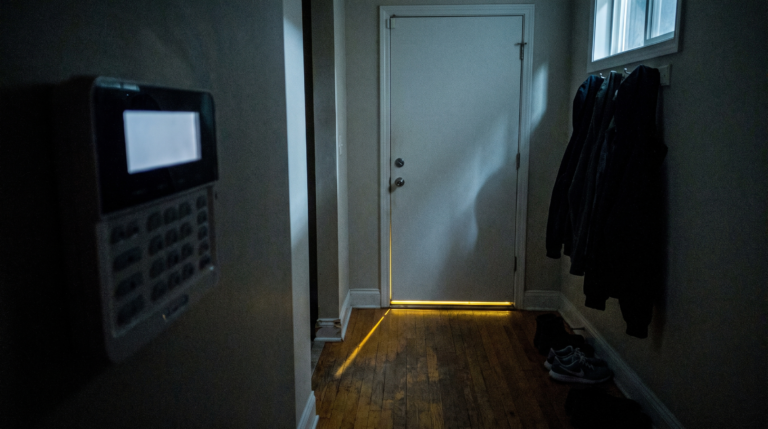
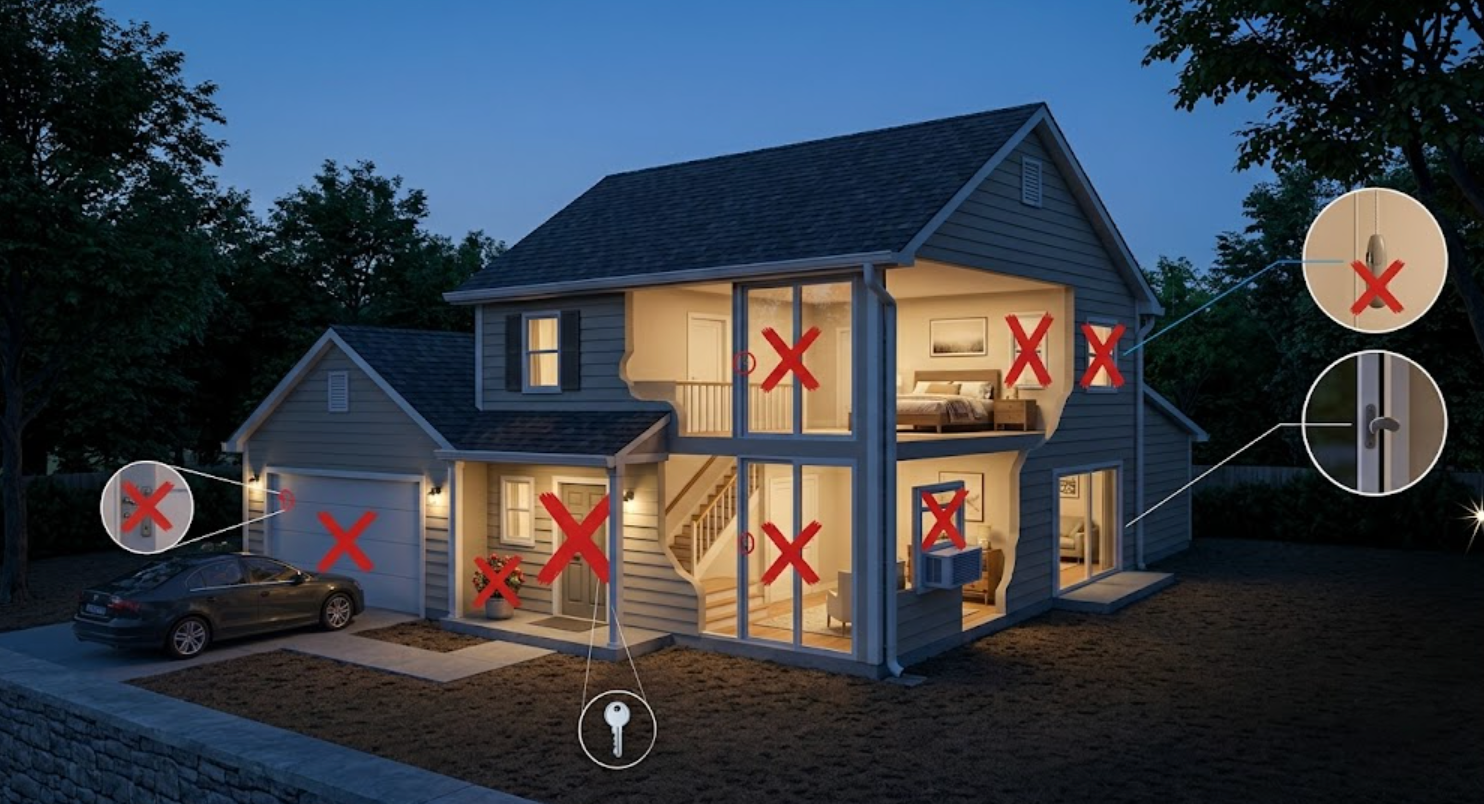
Homeowners place immense trust in heavy, high-grade metal deadbolts, completely overlooking the fact that a lock is only as strong as the soft wood frame holding it together. Most builders install the latch plates using tiny half-inch screws that barely grab the surface wood. Because of this structural flaw, an intruder doesn’t need to waste time picking your lock. A single solid shoulder check or a heavy kick will instantly split the decorative wood trim, bypassing your expensive security system entirely in seconds.
2
The Garage Door Safety Cord
We naturally view a closed, heavy garage door as an impenetrable wall of steel, completely forgetting about the manual override lever sitting just inches behind the top weather stripping. This red emergency release cord is designed for power outages, but it also creates an easily accessible vulnerability. A thief standing outside your home only needs a regular wire coat hanger to exploit it. By sliding the wire through the small rubber gap at the top of the door, they can hook the cord and pull it down, quietly rolling the door open in under six seconds.
3
Back Porch Sliding Glass Doors
Because we lock our sliding glass doors from the inside, we automatically assume the backyard entrance is completely safe. In reality, factory sliding door latches are notoriously cheap, weak components that rely on minimal physical overlap to stay closed. Since these doors face away from the street, they give an intruder complete privacy to work without being seen by neighbors. A thief can easily use a simple flathead screwdriver to pry the entire door upward, popping the weak latch right out of its shallow track mechanism without making any noise.
4
Window Air Conditioners
Homeowners look at a window unit and see a heavy object blocking an opening, ignoring that it is usually held in place by nothing more than a closed window sash and flimsy plastic side panels. A prowler scouting the side of a house sees these cooling units as a temporary plug rather than a permanent barrier. From the outside, they can simply apply hard, sustained physical pressure to push the entire heavy unit forward. This sends the air conditioner crashing onto your floor and leaves a massive, unobstructed entrance straight into your home.
5
Hiding a Spare Key Outside
Stashing a backup house key near the porch seems like a brilliant safety net for emergencies, kids, or house-sitters. However, while we think our chosen hiding spots are incredibly unique, human behavior is highly predictable under pressure. Tucking a key under a flower pot, inside a fake plastic rock, or on top of a porch light fixture isn’t actually hiding it from a criminal. A burglar looking for a clean entry will check these exact spots within thirty seconds of stepping onto your porch, easily using your own convenience against you.
6
Unlocked Upstairs Windows
Many homeowners rigorously lock down their first floor while leaving upper-level bedroom or bathroom windows completely unsecured, assuming that height acts as a natural defense system. They forget that criminals look at a house structurally and quickly spot the ladder alternatives built right into your property. A sturdy downspout, a low-hanging tree branch, a porch overhang, or even a stack of heavy patio furniture left in the backyard can provide an agile climber a quick staircase straight to an unlocked second-floor window.
7
Dark Pathways Around the House
Homeowners often focus their entire exterior lighting budgets on the front porch and the driveway for curb appeal, leaving the lateral sides of the house in pitch-black shadow. While your front yard is brightly illuminated for neighbors to see, your unlit side gate leads into a total visibility blind spot. By leaving this area dark, you grant a criminal the luxury of time and complete cover. They can comfortably jimmy your side windows or kick your basement doors open completely out of sight of passing cars or neighboring properties.
What Should a Home Security System Include?
A comprehensive home security system setups must include layers of defense that detect intruders, trigger loud alarms, and send instant alerts to your smartphone. It focuses entirely on stopping threats at your outer walls rather than confronting them inside your living room.
To build a complete shield around your property, you need to understand the core parts that make these systems work. Let’s break down the essential pieces of equipment you will need to keep your family safe.
Perimeter Sensors and Cameras
Door and window sensors catch entry attempts early. At the same time, exterior video doorbells track movement before anyone touches your doorknob.
Alarms and Smart Locks
Loud sirens scare off intruders by drawing attention to your house. Smart locks reinforce entry points and send mobile alerts directly to your phone the moment a door opens.
Best DIY Home Security Components 2026
These affordable individual components allow you to build or expand your security setup piece by piece without dropping hundreds on a massive bundle. Check the current online listings before buying, since discounts and availability can change quickly.
1. Ring Door & Window Contact Sensor (2nd Gen)
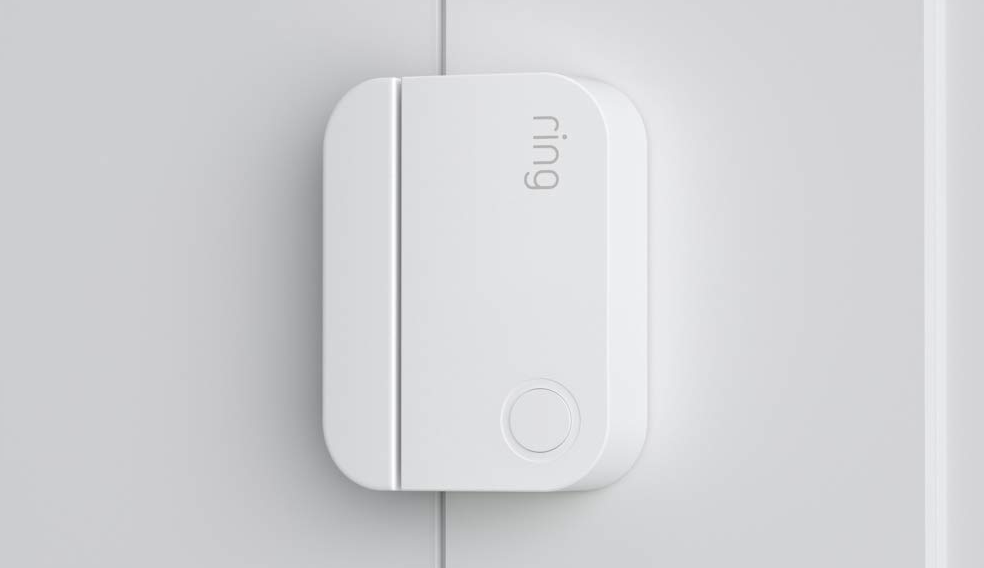
This individual add-on sensor seamlessly connects with the popular Ring ecosystem, making it a breeze to protect specific doors or windows. It is built to notify you instantly on your smartphone whenever a protected opening is breached, giving you peace of mind without a massive financial layout. It is best for expanding existing Ring systems or targeted entry protection.
-
Specs: 2nd Generation magnetic contact sensor, uses two CR2032 batteries, requires a Ring Alarm Base Station.
-
Pros: Compact design, seamless Ring integration, long battery life, and cheap to buy in multiples.
-
Cons: Requires a Ring Base Station to function, and does not feature standalone Wi-Fi capability.
-
Simple Installation: Clean the door or window frame, peel the adhesive backing, and stick the sensor and magnet within 0.5 inches of each other. Pair it via the Ring app in seconds.
2. eufy Security Motion Sensor
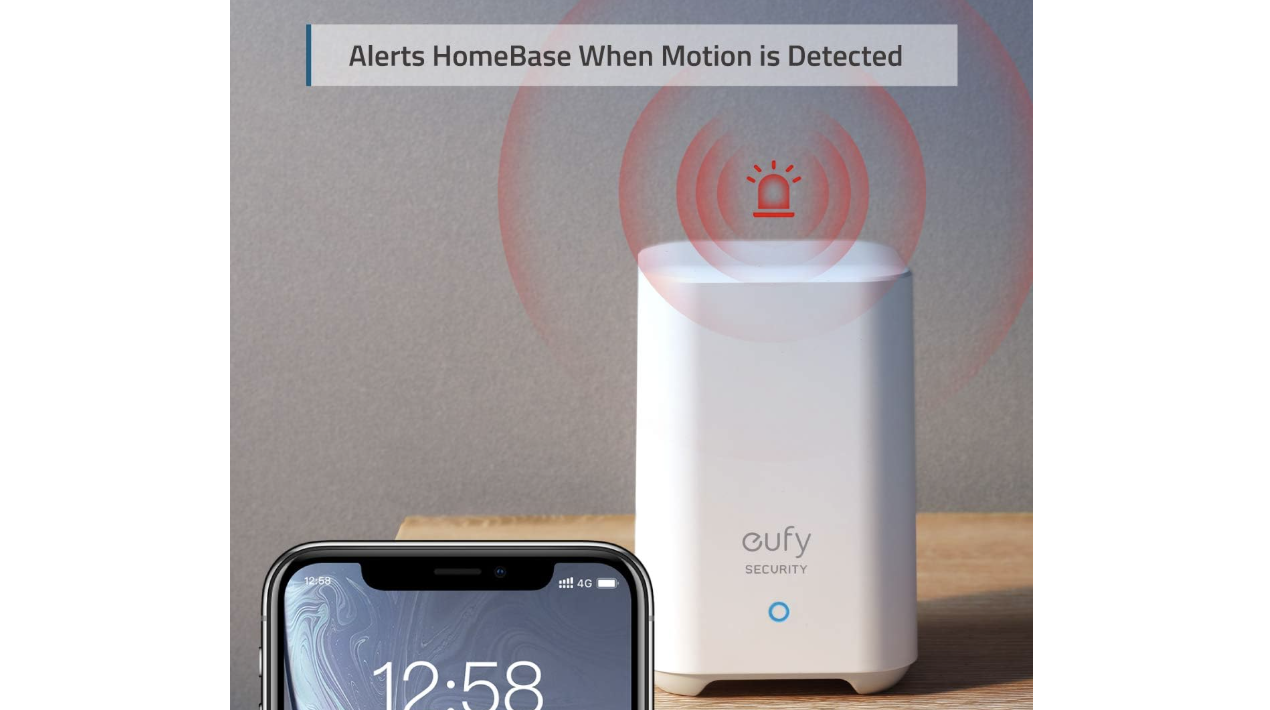
If you hate the idea of recurring monthly bills, this standalone motion sensor tracks wide interior spaces while keeping your wallet full. It connects directly to your home internet hub to send crisp, free alerts straight to your phone when something moves inside your home. This component is best for tracking wide indoor spaces without monthly fees.
-
Specs: 100° coverage angle, 30-foot detection range, 2-year battery life, requires eufy HomeBase.
-
Pros: Adjustable sensitivity, pet immunity up to 50 lbs, and zero monthly fees for real-time alerts.
-
Cons: Requires a eufy HomeBase to operate, and is strictly rated for indoor use only.
-
Simple Installation: Use the included adhesive mount to place the sensor in a room corner roughly 7 feet off the ground. Pair it directly with your existing eufy app.
3. YoLink Wireless Smart Siren
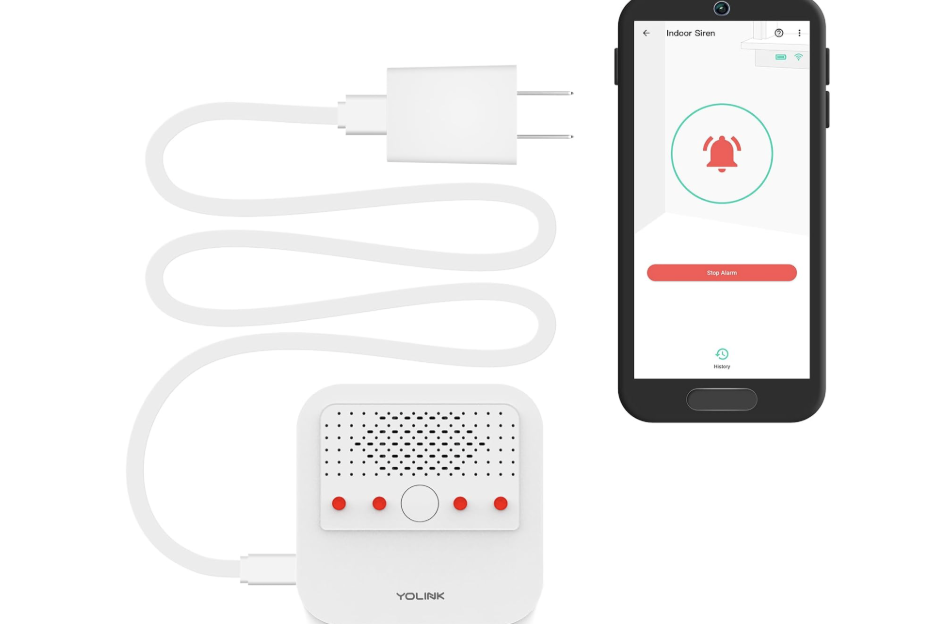
Loud sirens scare off intruders by drawing immediate attention to your house. This heavy-duty standalone siren can be placed anywhere inside or outside your home to deliver a deafening alert the moment your perimeter is crossed. This component is best for scaring away intruders with ultra-loud volume.
-
Specs: 105-decibel alarm speaker, LoRa wireless technology (up to 1/4 mile range), battery or USB power option, requires YoLink Hub.
-
Pros: Extremely loud, works even if your home Wi-Fi goes down, and features a compact, portable design.
-
Cons: Requires a YoLink Hub to communicate with your phone, and has a somewhat utilitarian look.
-
Simple Installation: Plug the siren into a wall outlet or insert AA batteries, link it to your YoLink hub via a quick QR code scan, and set your custom automation rules in the app.
4. Blink Video Doorbell
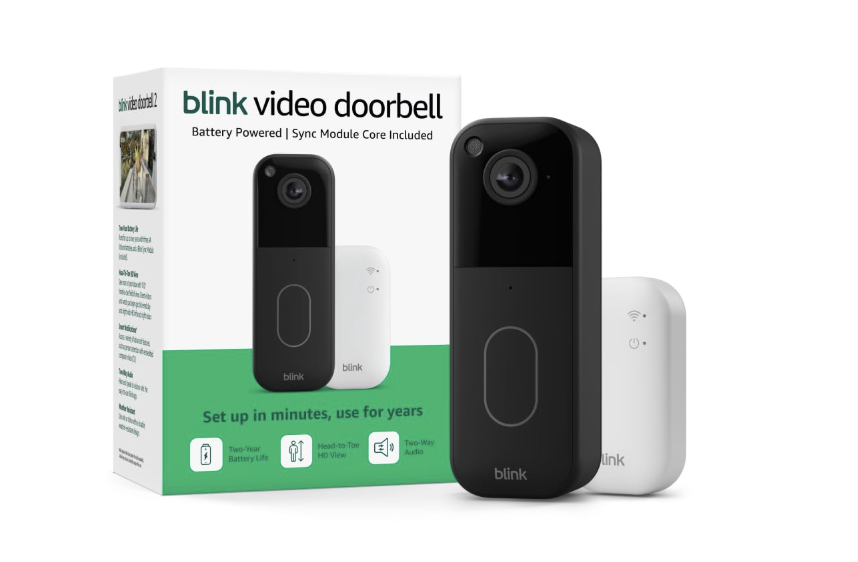
This wallet-friendly video doorbell tracks movement before anyone touches your doorknob, acting as a great visual and audio shield. It uses your home Wi-Fi to stream live video and ring out loud alerts directly to your phone. This is the best budget option for front porch surveillance.
-
Specs: 1080p HD video resolution, two-way audio communication, infrared night vision, AA battery-powered or wired operation.
-
Pros: Very affordable standalone price, integrates perfectly with Alexa, and supports optional local storage.
-
Cons: Subscription required for cloud saving, and can experience a slow wake-up time when run strictly on battery power.
-
Simple Installation: Mount the backing bracket to your door frame using two screws or outdoor tape, click the doorbell into place, and pair it with the Blink app.
5. Wyze Lock Bolt
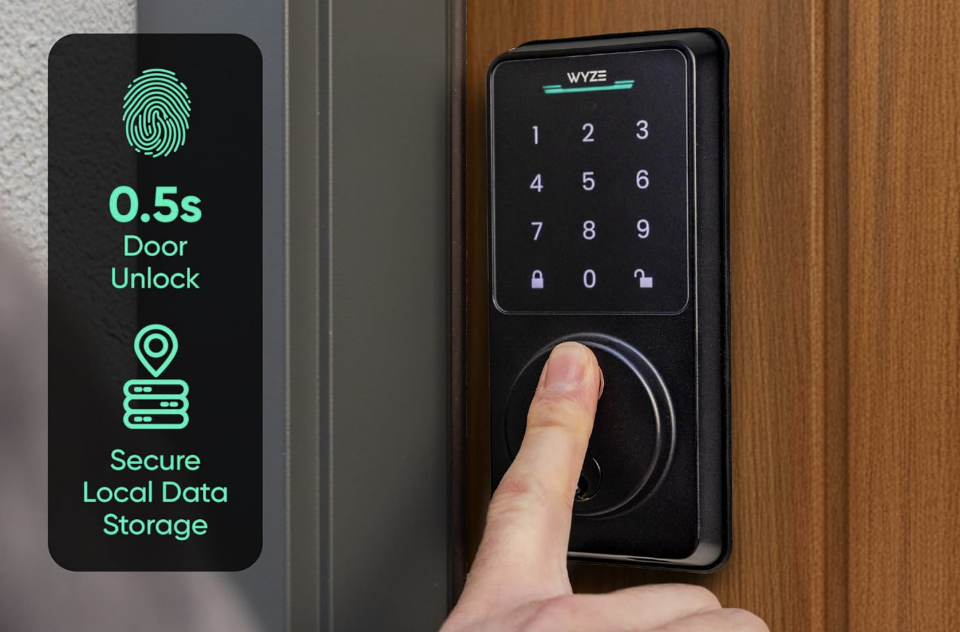
A simple and budget-conscious choice for physical security, this smart lock reinforces your primary entry point without a heavy price tag. It combines biometric scanning and a backlit keypad to create a protective barrier on your front or back door. This is a great low-cost component for keyless entry and quick physical reinforcement.
-
Specs: Fingerprint scanner, backlit keypad, Bluetooth connectivity, motorized deadbolt replacement mechanism.
-
Pros: Local storage means no cloud hacking risks, incredibly fast biometric recognition, and highly affordable.
-
Cons: No built-in Wi-Fi, meaning remote access requires you to be within Bluetooth range or purchase a separate gateway.
-
Simple Installation: Remove your old deadbolt with a screwdriver, install the Wyze interior and exterior assemblies into the existing hole, and calibrate the lock via the Wyze app.
6. Wyze Cam v4 Smart Security Camera
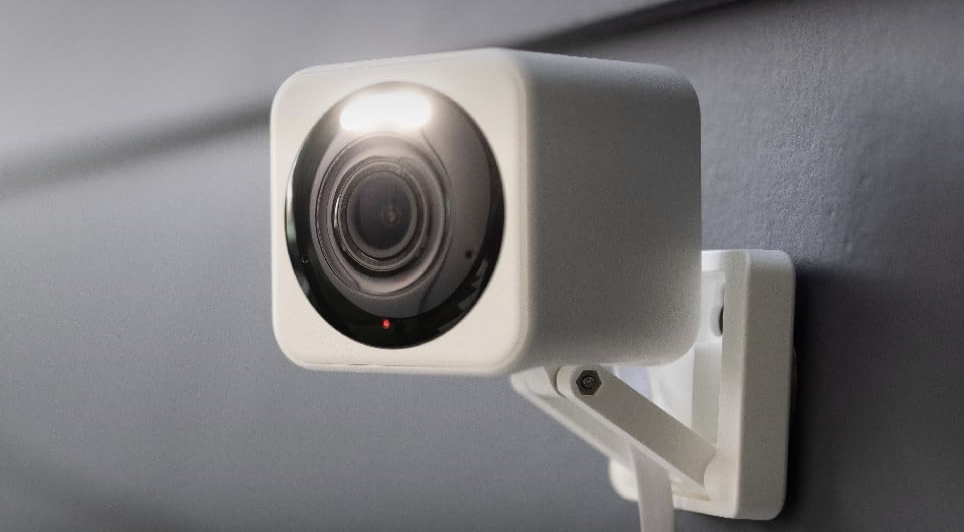
This standalone outdoor camera packs crisp resolution and a built-in spotlight into a tiny, budget-friendly box. It features onboard smart processing that can text your phone during an emergency the second it catches unexpected human movement on your property. This is the best mid-ticket option for affordable, crisp color night vision.
-
Specs: 2.5K HD resolution, color night vision, built-in spotlight, local MicroSD card slot, weather-resistant housing.
-
Pros: Incredible price-to-performance ratio, includes a loud built-in siren, and requires no subscription for local recording.
-
Cons: Power cable must be routed to an electrical outlet, and it only connects to 2.4GHz Wi-Fi networks.
-
Simple Installation: Attach the magnetic base to a metal surface or screw in the wall mount. Plug the USB cable into a power source and scan the setup QR code using the Wyze app.
Can You Mix Security Cameras, Sensors, and Alarms?
Yes, you can mix different brands of security cameras, sensors, and alarms, but they will not always communicate with each other out of the box. To make them work as one unified team, you will usually need a central smart home hub like Amazon Alexa, Google Home, or a Matter-compatible system.
Before you start buying different brands, you need to know how to check if they will play nice together. Let’s look at the key rules for building a mixed-brand system.
Securing your home is completely doable, highly effective, and gives you total peace of mind. By focusing on early warning signs like loud sirens, smart door sensors, and instant phone alerts, you can protect your castle without ever needing a weapon. Pick the DIY kit that fits your budget and home size today, and take control of your family’s safety.
FAQs
What is the best home security system without a firearm?
Systems like SimpliSafe and Ring are excellent because they focus heavily on bright lights, loud sirens, and fast professional monitoring to scare away threats.
What is the best DIY home security system for families?
SimpliSafe is ideal for families due to its simple keypad, helpful panic buttons, and optional 24/7 professional monitoring plans.
Can I install a home security system without professional help?
Yes, almost all modern DIY systems use peel-and-stick adhesive strips and simple mobile apps, allowing you to set them up in under 30 minutes.
Are DIY security systems suitable for renters?
Yes, systems like Tolviviov and eufy use double-sided tape that secures your home without damaging the walls or window frames when you move out.
Can I use security cameras without paying a monthly fee?
Yes, brands like eufy allow you to store video locally on the base station and receive real-time phone alerts completely free of charge.
Do motion sensors work when pets are inside the house?
Many modern motion sensors include “pet immunity” features, which means they ignore animals under a certain weight so your pets won’t trigger false alarms.
Can I mix different brands of cameras, sensors, and alarms?
Yes, but you will need a smart assistant platform like Amazon Alexa or Google Home to link the different brands together under one control screen.
How much should a complete DIY security system cost?
A basic starter kit costs between $50 and $200, though adding extra cameras or specialized sensors can increase the total price.
What security equipment should I install before going on vacation?
Prioritize a smart video doorbell to watch the front porch, entry sensors on all ground-floor windows, and a very loud indoor siren.
Are smart locks safer than traditional door locks?
Smart locks offer excellent safety because they track who enters your home and send alerts if a door is left unlocked, though they should still be paired with a strong physical deadbolt.
QUICK POLL
Putting a motion-activated indoor camera with audio in the main kitchen/living room just in case of a break-in. Is this vital protection, or a massive invasion of privacy for your family?