

Last Updated: April 2026
At a Glance: Tornado Preparedness Tips
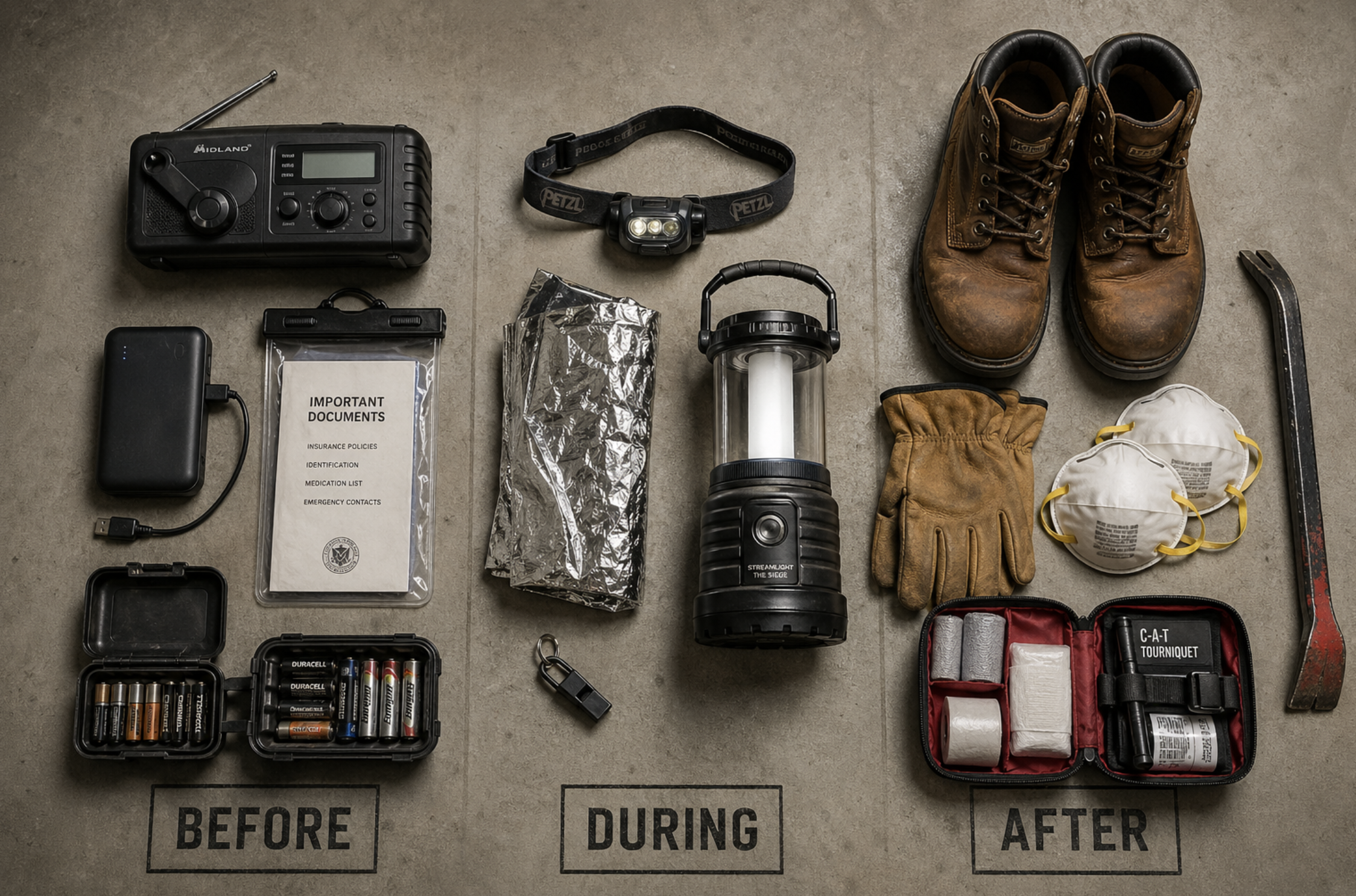
- Don’t Rely on the Grid: Power and cell towers drop fast; you need independent, hands-free lighting and reliable emergency comms.
- Prepare for the Aftermath: Surviving the wind is only step one; walking through a localized collapse zone requires heavy-duty boots and gloves.
- Be Your Own First Responder: Widespread destruction means emergency services will be delayed. Your kit must handle basic extrication and trauma.
The 2026 tornado season has already proven how fast things go wrong. Just look at the devastating EF-4 tornado that ripped through Enid, Oklahoma, in April, leaving massive destruction and residents trapped in their homes. Or consider the deadly March outbreak that swept through Michigan and the Midwest, leveling businesses and claiming lives. The footage is always the same: flattened neighborhoods, downed cell towers, and emergency crews stretched to the absolute limit.
When the sky turns green and the sirens go off, you’ve got about 13 minutes to make your move. That’s the national average for a tornado warning. If you’re tearing the house apart looking for AA batteries and your kid’s inhaler while the wind picks up, you’re already out of time. Most off-the-shelf survival kits cover only the basics and will leave you completely exposed to the specific realities of a twister such as flying glass, pitch blackness, and jammed safe-room doors. If you’re looking for real-world tornado preparedness tips, first on the list would be ticking off 17 items that belong in your kit.
Before the Tornado
1. NOAA Weather Radio (Hand-Crank/Battery Powered)
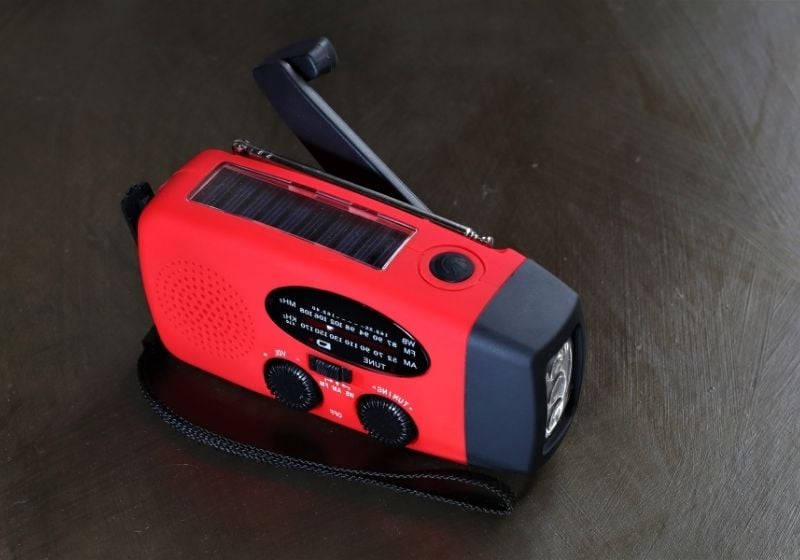
A tornado’s path can shift in seconds. When the funnel touches down, it frequently shreds cell towers and power lines, which means you’ll lose internet access as the storm hits your neighborhood. A dedicated NOAA radio is your lifeline to emergency broadcasts. It tells you exactly where the twister is tracking, if another one is forming behind it, and when it’s actually safe to come out of hiding.
2. Portable Power Bank/Power Station
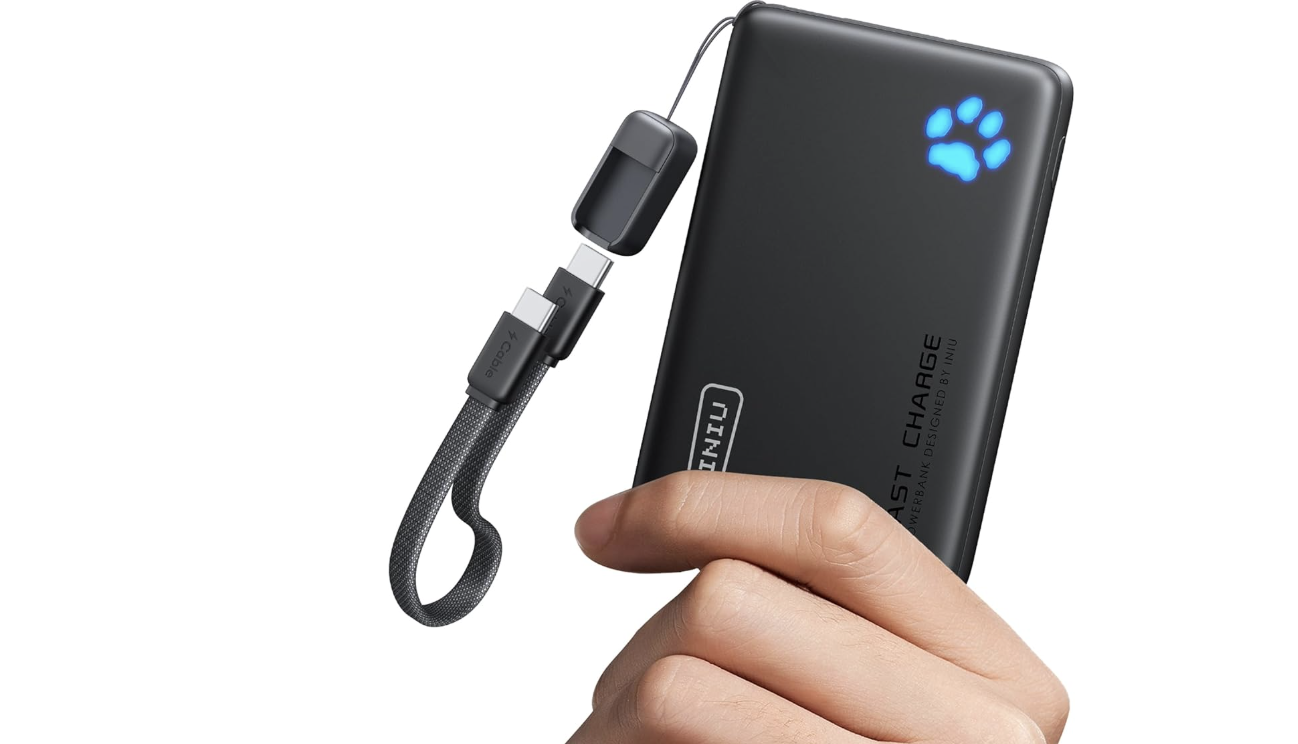
If a tornado takes out the regional power grid, you might be sitting in the dark for days. It’s incredibly common for people to drain their phone batteries using the flashlight app in the safe room, which leaves them with a dead device when they desperately need to check on family. A pre-charged power bank or power station keeps your phone alive for text messages. When cellular networks are overloaded by disaster traffic, a simple text will often push through much faster than a voice call.
I actually bought this specific model originally for a flight since it’s a TSA-approved gear for carry-on, but it’s been so durable it just became my everyday go-to. It’s still going strong, and I’m actually planning to grab an extra one soon just to keep permanently in the safe room.
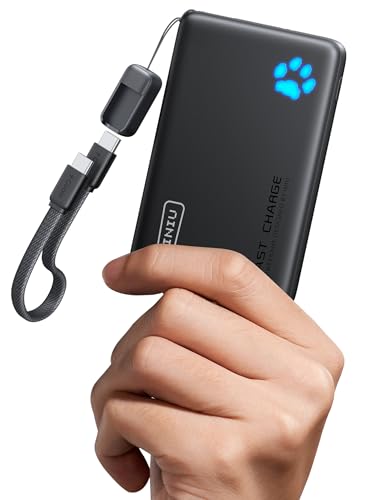
- 40% Smaller & Lighter Portable Charger: Powered by the industry’s first TinyCell high-density battery technology, this...
- 45W Pro Speed Portable Phone Charger: This 45W fast charger boosts an iPhone 17 Pro Max to 76%, a Galaxy S25 Ultra to 84%, or...
Last update on 2026-07-27 / Affiliate links / Images from Amazon Product Advertising API
RELATED: Top 5 Portable Power Stations for Grid-Down Scenarios 2026
3. Extra Batteries (Stored in Hard Cases)
Discovering your gear’s dead while listening to a freight-train roar outside creates immediate panic. Keeping extra batteries in a hard, crush-proof case gives you a reliable backup. When the power shuts down, you can just slap fresh batteries into your radio or lights without having to fumble blindly through junk drawers.
4. Waterproof Document Pouch
If a twister rips the roof off your house, processing insurance becomes a massive bureaucratic nightmare during the aftermath. Additionally, tornados are almost always followed by torrential, sideways rain that can damage everything left in the wreckage. A waterproof pouch protects your IDs, insurance policies, and property deeds. Keeping these documents sealed guarantees you won’t lose your financial lifeline to water damage after the wind stops.
5. Pet Leash or Carrier
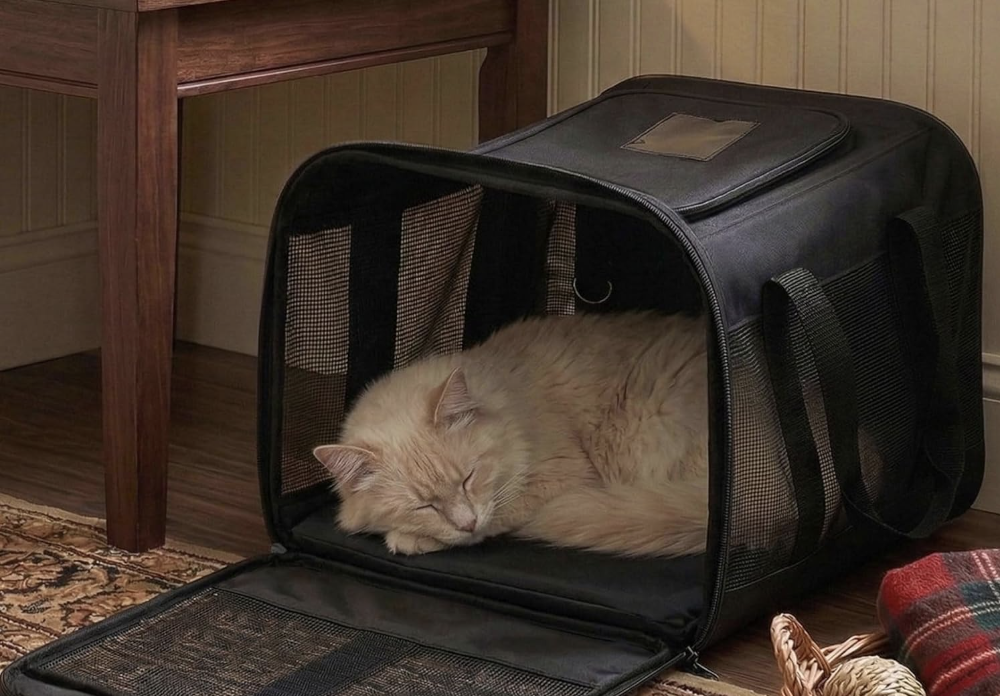
Animals can sense the rapid, violent drop in barometric pressure well before the tornado sirens alarm. This causes them to panic and hide under beds or bolt for the door. Your dog running out into the neighborhood is the last thing you’d want moments before a storm. Having a dedicated leash or carrier staged in the safe room allows you to lock down your animals and keep them safe long before the noise hits jet-engine levels.
I keep a carrier ready so my pet stays protected and contained when things get loud and unpredictable.
During the Tornado
6. High-Lumen Headlamp
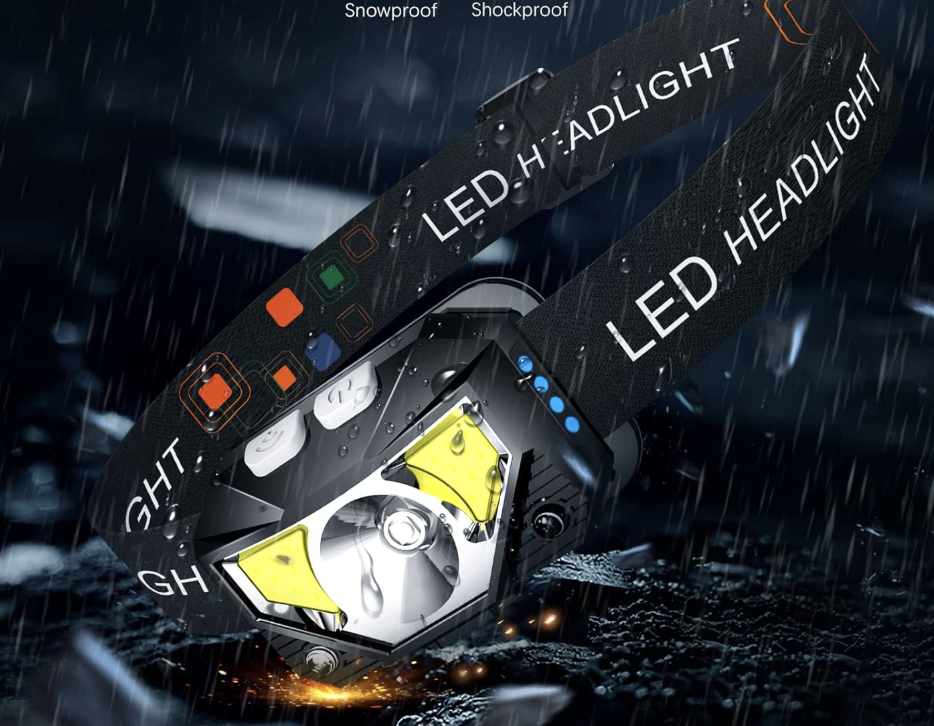
When the power grid fails and it’s pitch black, you simply cannot do things effectively with a flashlight occupying one of your hands. A headlamp cuts through the darkness and follows your line of sight, keeping your hands completely free to manage the chaotic physical environment around you.
7. Heavy-Duty Flashlight or Lantern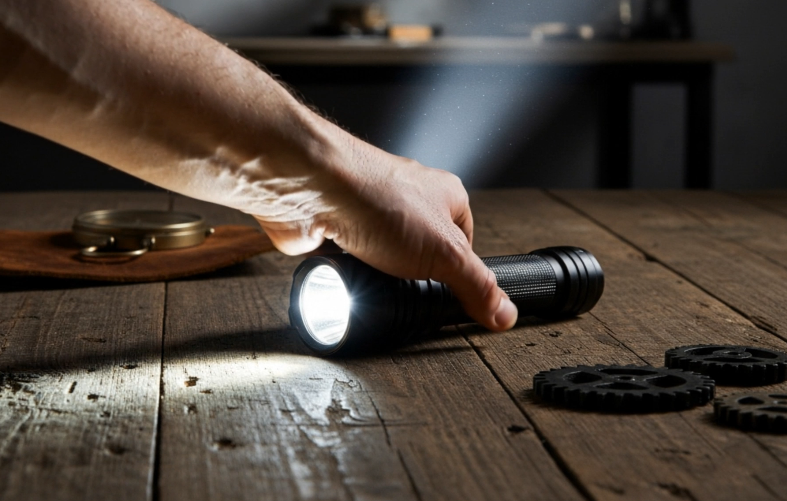
While a headlamp is essential for you, you’ll also need ambient flashlight for the room. Bouncing a strong, heavy-duty flashlight beam off the ceiling, or firing up a battery-powered lantern, immediately lights up the entire cramped space and significantly drops the panic level in the room. If you’re upgrading your handheld beam, check out my review on 2026’s strongest tactical flashlights here.
8. Emergency Mylar Blanket
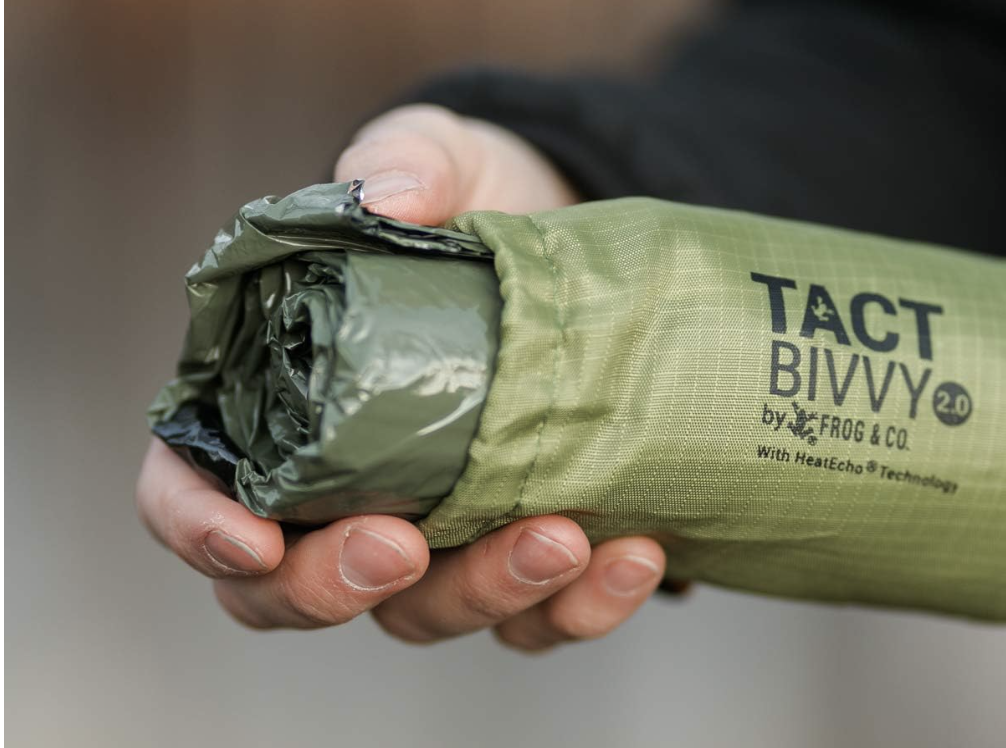
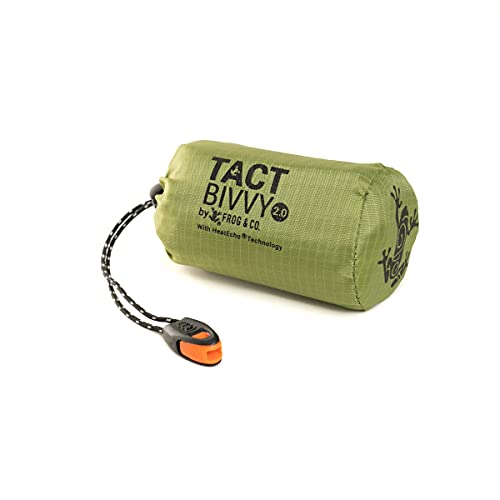
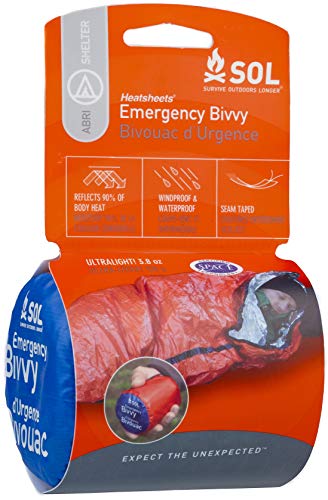
Tornados bring massive, sudden drops in temperature, often accompanied by hail and freezing rain pouring through busted windows. The massive adrenaline dump of a near-miss will also cause your body temperature to plummet. If you get soaked in a drafted safe room, you’ll be at risk of going into physical shock. Wrapping up in a mylar blanket traps 90% of your radiated body heat, giving you a cheap, waterproof layer of thermal armor. If you want to read more on this item, check out my review on The Top 5 Emergency Sleeping Bags here.
![Don’t Die in The Woods – Emergency Sleeping Bag with Hood [Camo]](https://m.media-amazon.com/images/I/51hm8Ob3IiL.jpg "Tornado Preparedness Tips: 17 Items That Belong in Your Kit")


Last update on 2026-07-27 / Affiliate links / Images from Amazon Product Advertising API
9. Survival Whistle (e.g., Fox40)
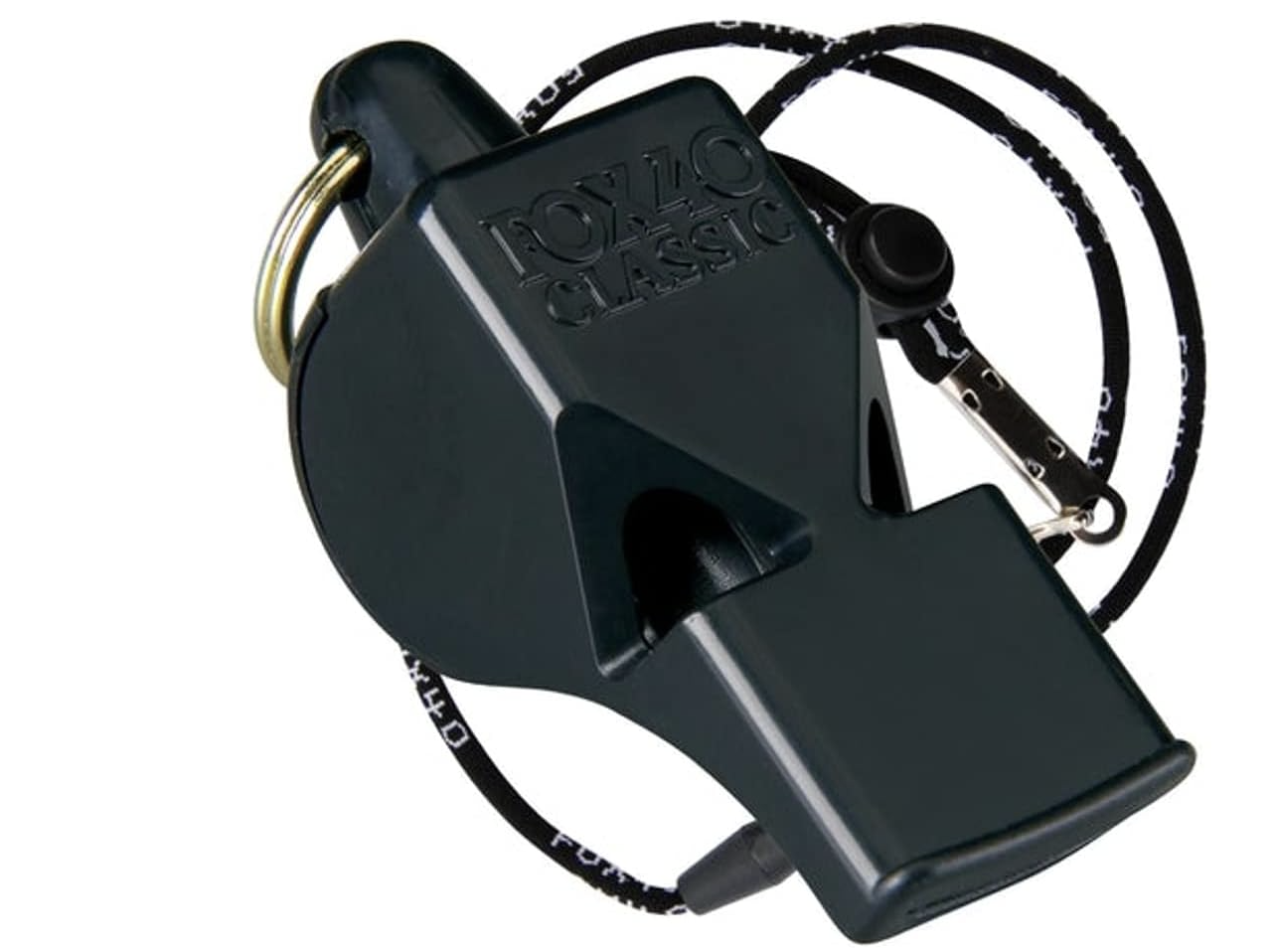
If a 150-mph gust takes out a load-bearing wall and you are pinned under collapsed drywall, your first instinct is to yell for help. However, the human voice gives out quickly and the howling wind, rain, and blaring sirens will drown you out anyway. A high-decibel pealess whistle can cut right through the noise with almost zero physical effort. Three sharp blasts gives rescue dogs and neighbors a universal distress signal to home in on.
10. Bottled Water or Water Pouches
When a twister uproots massive trees, it frequently rips up the municipal water mains buried beneath them. You could be trapped in your basement for hours waiting for the neighborhood to be cleared, with no running water. Keeping pre-packaged water pouches or heavy-duty bottles in your kit provides immediate, uncontaminated hydration without forcing you to leave the safety of your shelter to search a heavily damaged kitchen.
After the Tornado (Extrication & Recovery)
11. Sturdy Leather Boots
A tornado acts like a giant blender. When you finally step out of your safe room, the floors will likely be covered in 3 to 5 inches of jagged glass, twisted roofing nails, and splintered 2x4s. You cannot navigate that in bare feet or socks. Having a dedicated pair of sturdy leather boots right there in your kit gives you the heavy-duty armor required to climb through the wreckage without shredding your feet and becoming a casualty.
I bought a pair of boots last year and keep them in the shelter because once the storm’s over, I don’t want to be stepping into glass and nails barefoot.
Browse Sturdy Boots on Amazon →
12. Heavy-Duty Work Gloves
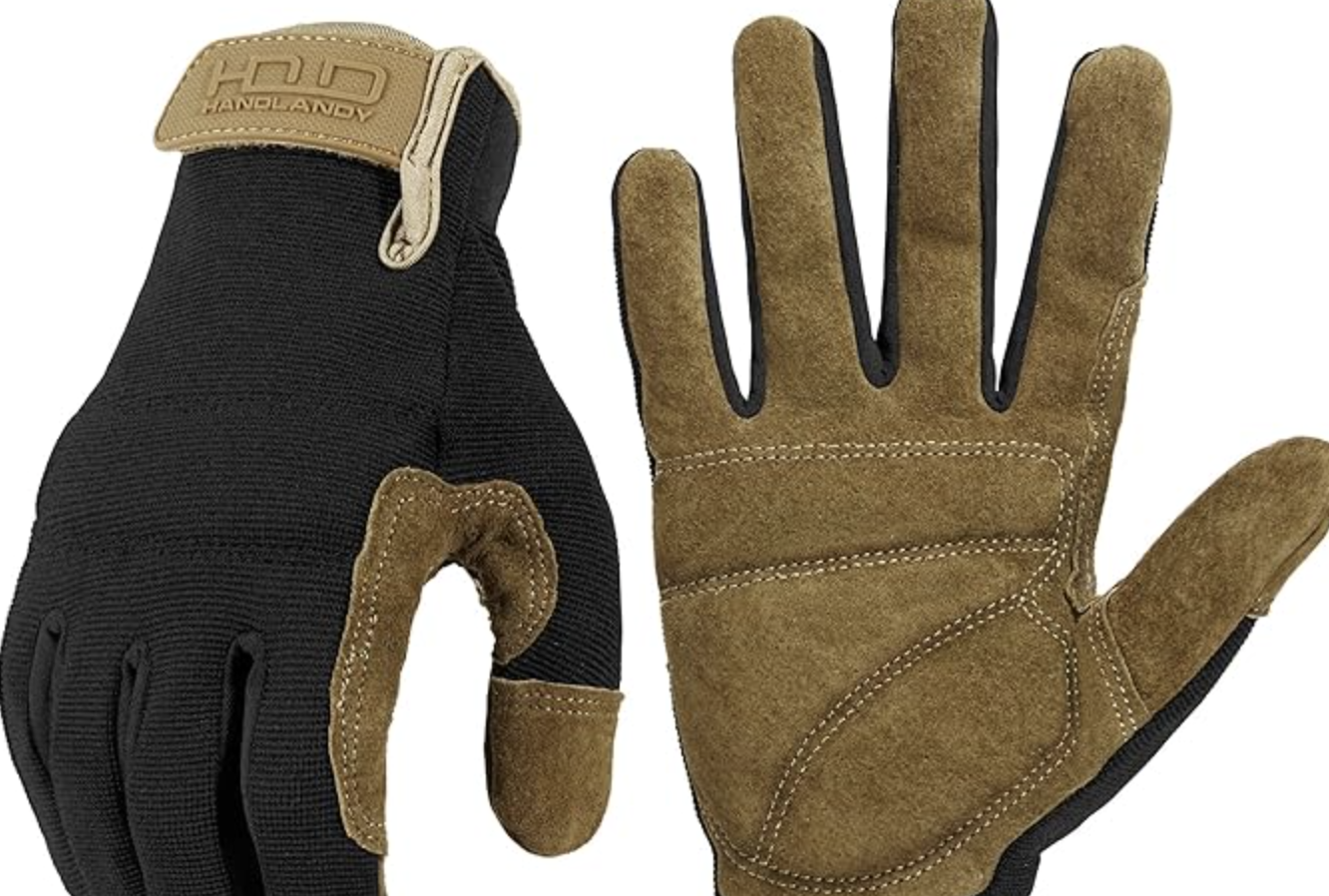
If the door to your basement is blocked by a collapsed ceiling joist or tangled aluminum siding, you have to physically move that wreckage to get out. Attempting to clear tornado debris bare-handed will leave you sliced open by fiberglass insulation and rusty nails. Heavy leather work gloves protect your hands so you can clear a path. If your hands get badly injured, your ability to protect your family drops to zero.
The last time a bad storm rolled through, my yard basically became a minefield of rusty nails, shattered glass, and shredded siding. I learned real quick you don’t want to get your hands all cut up trying to clear that garbage bare-handed. Do yourself a massive favor and get a real pair of thick leather work gloves.
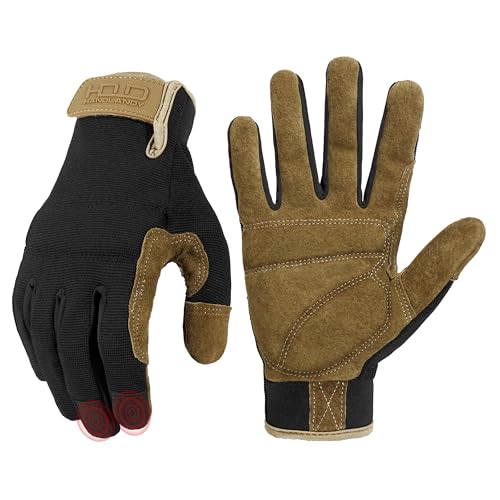
- Premium Materials & Design: HANDLANDY gloves feature upgraded QUALIHIDE pigskin palms with enhanced wear resistance...
- Special touchscreen position: We innovatively set the glove touch-compatible position on the glove nails (instead of...
Last update on 2026-07-27 / Affiliate links / Images from Amazon Product Advertising API
13. Small Pry Bar (12 to 15-inch)
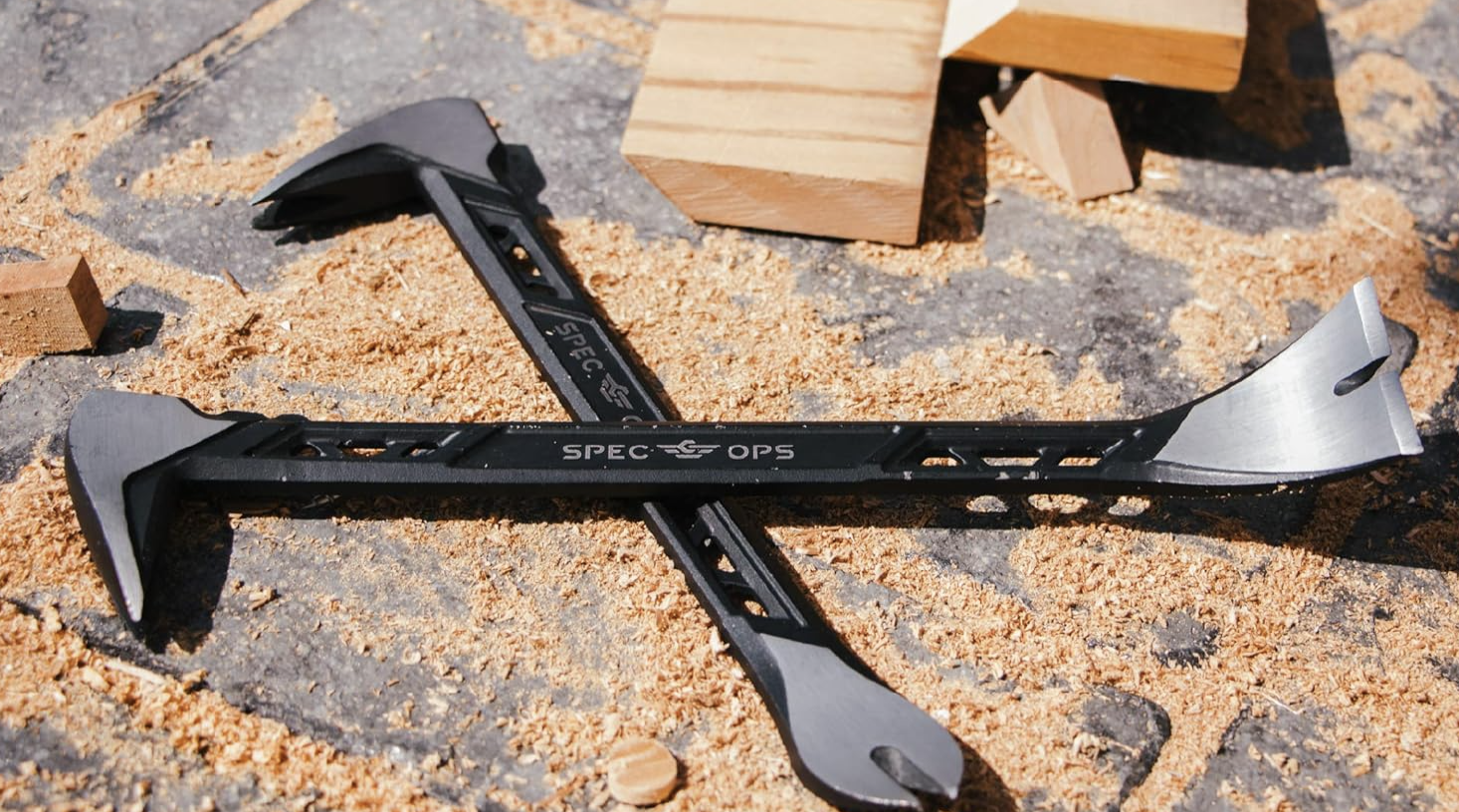
People always forget this one. The pressure drop from a twister can actually warp the wooden framing of your house, and the door to the closet or basement you’re hiding might get wedged shut. Keep a solid steel pry bar on the shelf. It’s the only way you’re popping that door open and getting out. I already added this one to my cart:

- Up to 20% lighter, carbon-steel design for sniper control
- Dual strike zones for rapid nail extraction
Last update on 2026-07-27 / Affiliate links / Images from Amazon Product Advertising API
14. N95 Respirator Masks
Tornados absolutely pulverize drywall and rip up decades of dirty attic insulation. When you emerge from your shelter, the air inside your heavily damaged home will be choked with a thick cloud of toxic, unbreathable dust. Slapping on an N95 respirator mask filters out that airborne debrise ensures you don’t coat your lungs in fiberglass and plaster while trying to assess the damage.
15. Trauma-Rated First-Aid Kit
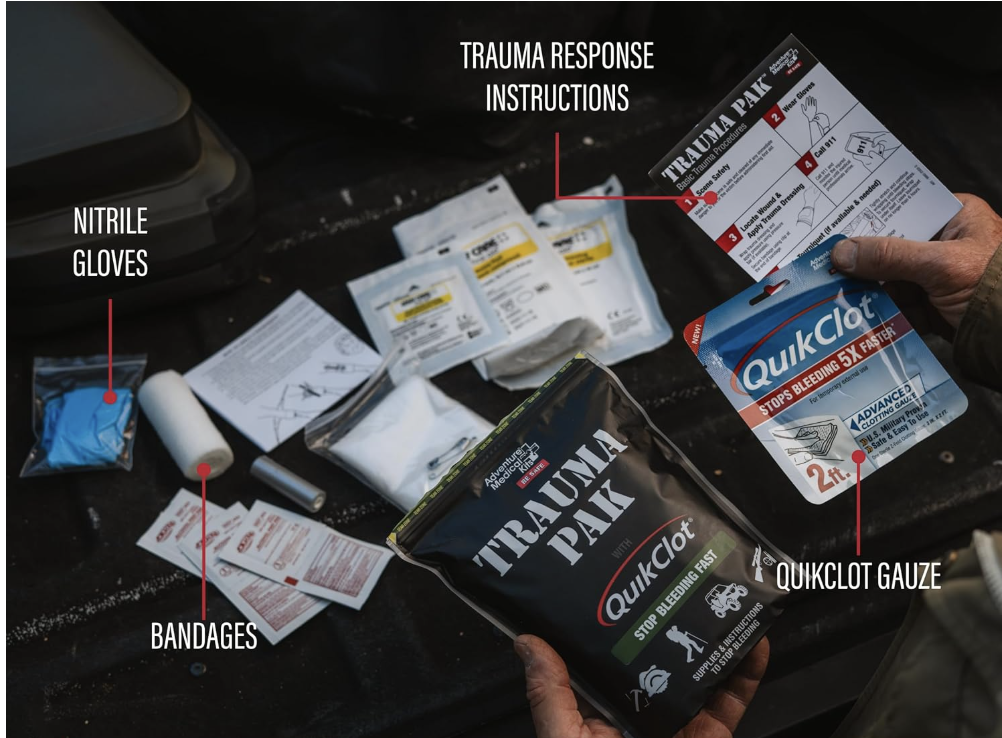
When winds are throwing debris at 100 mph, expect injuries beyond just scraped knees. If a window blows out and someone catches a piece of flying glass, standard drugstore band-aids won’t do much. Because ambulances will be blocked by downed trees and power lines, you’ll need a trauma-rated kit packed with heavy gauze, pressure dressings, and a tourniquet to stop severe bleeding yourself. I actually refilled my trauma kit last week. I get mine from one place:
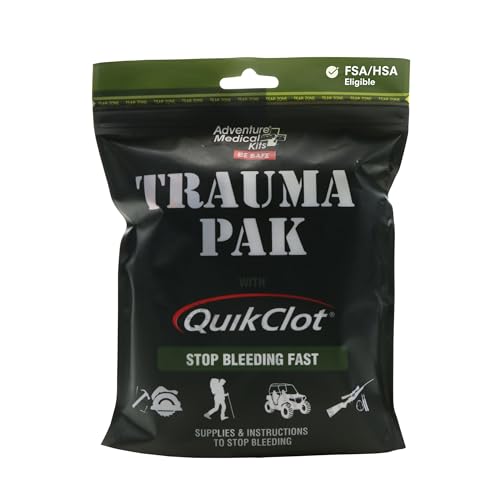
- Includes QuikClot gauze, trauma pad, triangular bandage, and other key supplies for your trauma kit
- Nonallergenic QuikClot first aid gauze speeds up natural clotting and stops bleeding within minutes
Last update on 2026-07-27 / Affiliate links / Images from Amazon Product Advertising API
16. Prescription Medications

It’s a brutal reality of tornados: your daily blood pressure pills or insulin are kept in the upstairs bathroom, but the twister just threw your entire second floor into the neighbor’s yard. Keeping a dedicated 3-day backup supply of vital, life-saving medications inside a waterproof bag in your safe room ensures that a weather disaster won’t rapidly snowball into a medical emergency while you’re waiting for the roads to clear.
17. Caloric Sustainment (Protein Bars)
Even if you make it through the storm completely uninjured, climbing out of a basement into a flattened neighborhood would still require heavy physical labor. You’ll be moving debris, checking on neighbors, and hauling gear for hours. Packing high-calorie, no-cook foods like dense protein bars gives your body the immediate fuel it needs when your kitchen is either destroyed or if regular food’s completely inaccessible.
Final Verdict
A standard survival kit is designed for camping while a tornado kit must be designed for a localized disaster zone. If your current setup doesn’t account for broken glass, trapped doors, and severe bleeding, you are vulnerable. Stop relying on off-the-shelf plastic bags of bandages and water pouches. Put these tornado preparedness tips to work, build a kit that actually solves the brutal physical realities of a twister, and you’ll ensure you step out of the wreckage on your own terms.
Tornado Preparedness Tips FAQs
What are the most important tornado preparedness tips for mobile home residents? The number one rule is to get out. Mobile homes cannot withstand tornado-force winds, even with heavy-duty tie-downs. Your main tornado preparedness tips should center on identifying a permanent storm shelter or sturdy building nearby and evacuating the second a watch turns into a warning.
How often should I review my tornado preparedness tips and emergency kit? Audit your gear at the start of spring and the start of fall. Batteries leak, kids outgrow their heavy boots, and emergency medications expire. Reviewing these tornado preparedness tips biannually ensures your gear is actually ready to deploy when you only have 13 minutes to react.
Should I open the windows to equalize pressure during a tornado? Absolutely not. This is a dangerous, outdated myth. Opening windows wastes precious seconds that you should spend getting to your safe room. The tornado will break the windows if it gets close enough; don’t do the wind’s job for it.
What is the safest room in a house during a tornado? The lowest, most interior room available. An underground basement is best. If you are on a slab foundation without a basement, choose an interior bathroom, closet, or hallway away from exterior walls and windows. The goal is to put as many structural walls between you and the outside as possible.
Does a bathtub actually protect you in a tornado? Yes, if it’s in an interior bathroom. The framing around a bathtub is typically reinforced with extra plumbing pipes, making it a structurally strong pocket in the house. Pulling a heavy mattress over the tub adds a critical layer of overhead protection against falling debris.
QUICK POLL
Should you share tornado supplies with unprepared neighbors or lie to protect your family’s stash?
Defend your answer below. If you’ve lived through this dilemma, we want to hear it.