
Last Updated: April 2026
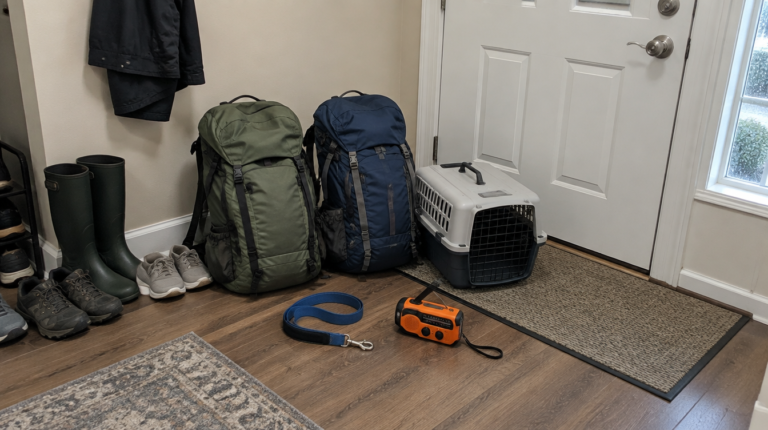
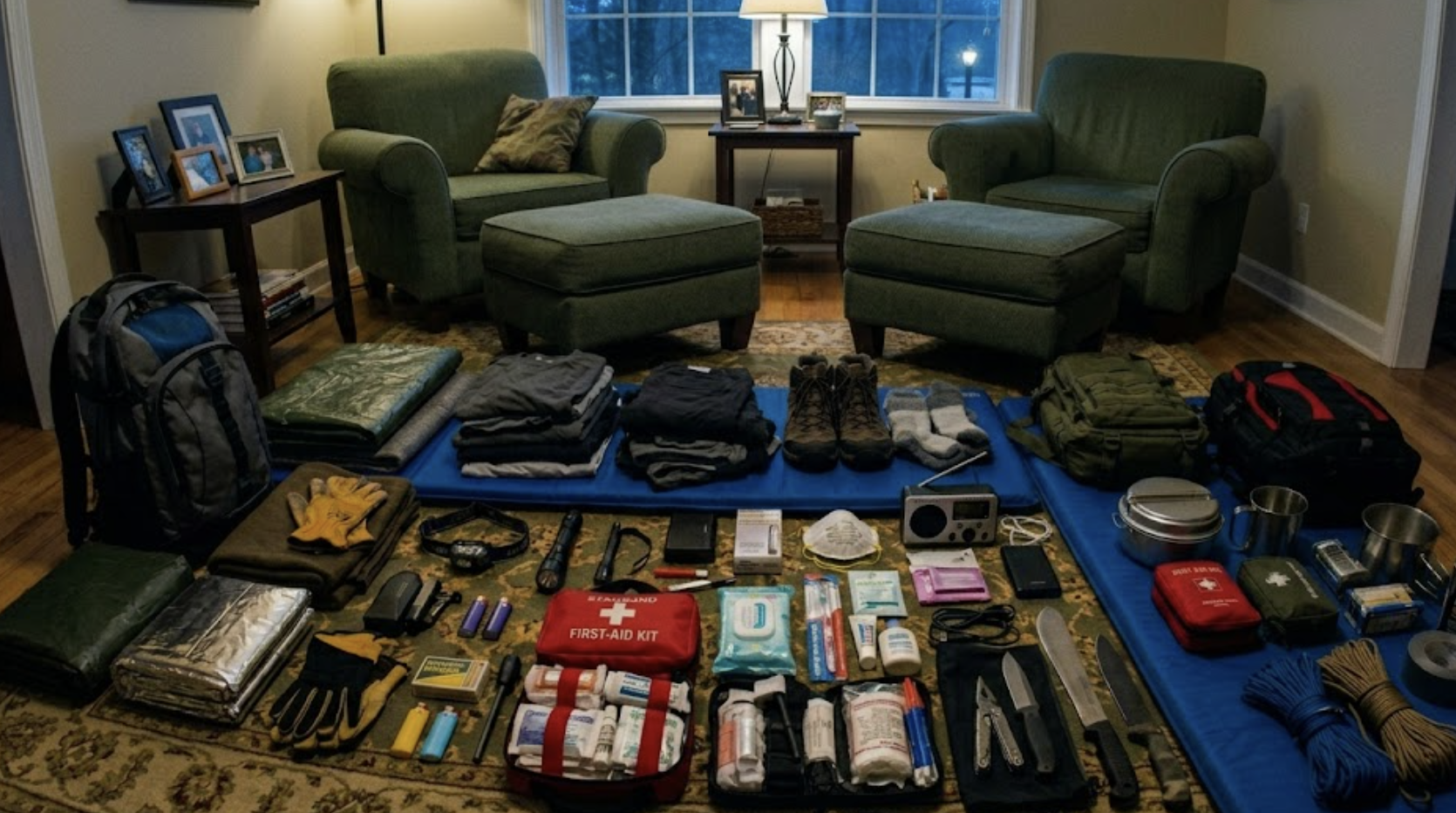
What do you do when the world around you suddenly shifts? Maybe it’s a wildfire closing in, a hurricane bearing down, or a blackout stretching longer than expected. Whatever the emergency, the last thing you’d want to do is scramble for essentials. This is exactly why a bugout bag (BOB) matters.
Your bugout bag is more than just a backpack stuffed with gear. It’s your lifeline, mobile survival kit, and a ticket to staying one step ahead of disaster. While it’s easy to overlook the bag’s importance in calm times, being unprepared during a crisis isn’t a risk worth taking. Let’s break the contents down, piece by piece, so you’ll be ready for anything life throws your way.
Jump to:
Bugout Bag Master List
Bugout Bag Checklist for Specific Disasters
Bugout Bag Checklist for Kids and Pets
Why a Bugout Bag (BOB) is Non-Negotiable
Emergencies will never send a courtesy text. They’ll hit hard and fast, which leaves you with little time to react. A well-prepared bugout bag gives you what you need to evacuate quickly and confidently. It has everything you need to survive at least for the first 72 hours of an emergency.
However, some bugout bags are poorly equipped while others contain too many generic items. To truly prepare, tailor your BOB according to your unique needs, local environment, and likely emergency scenarios. Once you consider these factors, building a personalized kit becomes much easier.
How to Organize Your Bug-Out Bag
A bugout bag is only a lifeline if you can actually carry it, so here’s how to organize it to avoid burnout and find gear quickly.
Step 1: Build Functional Kits
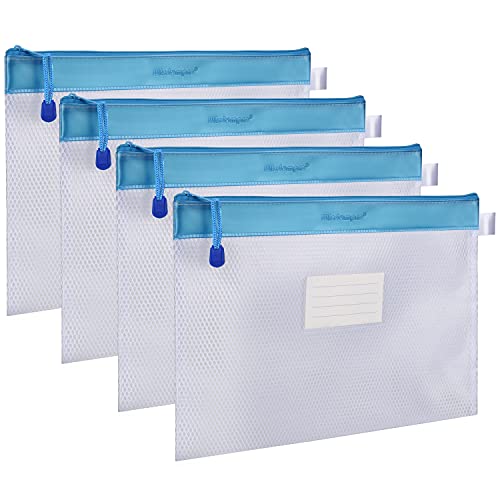
Stop dumping loose gear into the main compartment. Divide your supplies into dedicated pouches (Medical, Power, Food) so you can grab what you need instantly without digging.
Step 2: Pack by Weight Distribution
A top-heavy bag will exhaust you and throw off your balance. Pack according to this map:
| Backpack Zone | Weight Category | What Belongs Here |
| Top Grab | Medium & Fast | First-aid, snacks, ID/cash, maps |
| Middle (Against Spine) | Heavy & Dense | Water bladders, tools, dense food |
| Bottom | Light & Bulky | Spare clothes, socks, emergency blankets |
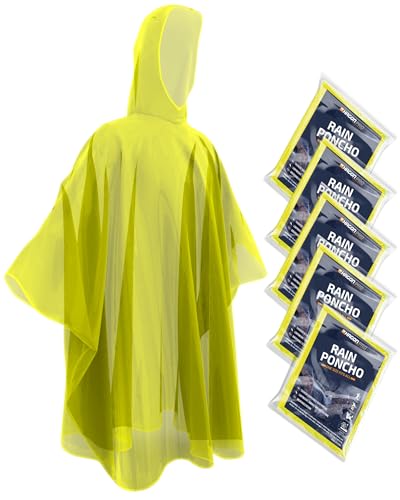
| External Pockets | Immediate Need | Water bottle, rain poncho, flashlight |
Step 3: Label and Lock Down
Use a Sharpie or colored tape on your internal kits so anyone in the family can find items under stress. Keep your IDs, cash, and insurance in a waterproof sleeve right at the top zipper for instant access.
The General Bugout Bag Checklist
Once you have secured your baseline survival mindset, use this checklist to assemble your physical gear. This masterlist provides the essential equipment for a family-focused evacuation.
related Resources
Off-Grid Energy: Portable Power Stations
Reliable Backup →
25-Year Pantry: Best Freeze-Dried Food
Nutrition Mastery →
Shelter: Emergency Sleeping Bags
Core Warmth →
Bugout Bag Checklist for Disasters and Evacuations
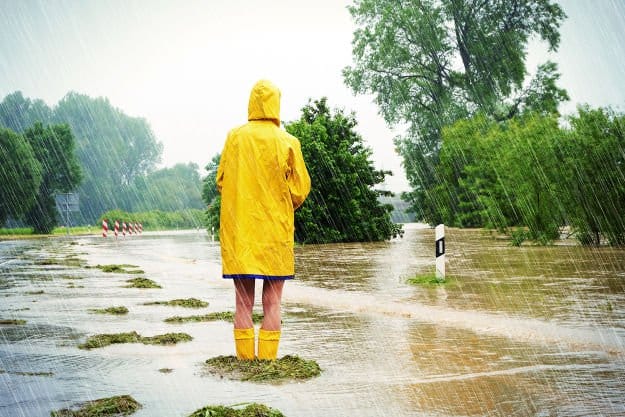
The general checklist above covers your baseline survival needs. However, a generic bag won’t cut it for every crisis. Below, we discuss the specific, additional items you need to add to your loadout based on the exact scenario you are facing.
Note: The items listed below are add-ons. You must add these to your general Bug-Out Bag checklist based on the specific threats in your region. (feel free to screenshot or tick off the boxes)
Hurricanes
When facing a hurricane, water damage is your biggest enemy. You need to adapt your bag to protect your gear from driving rain and standing water. Add these items to your baseline loadout:
I just finished my 2026 hurricane audit, and since I’m officially done taking chances with the weather, these are what I just restocked for my kit. I’ve found that having these on hand is the easiest way to keep my essentials dry and my bases covered if we have to bail fast.


Last update on 2026-10-03 / Affiliate links / Images from Amazon Product Advertising API
Floods
Floods turn your neighborhood into a treacherous obstacle course of hidden debris and contaminated water. Keep things light and sealed. Make sure you pack:
Wildfires
Wildfires require you to move incredibly fast through toxic air. This is about a rapid exit before the roads close. Pack these additions:
Earthquakes
Earthquakes wipe out infrastructure. You will likely be navigating shattered glass and rubble without gas or power. Add these specific items:
Hotel & Shelter Stays
Most evacuations end on a cot in a noisy high-school gym or an unheated budget motel. To make a concrete floor bearable and protect your privacy, pack:
Evacuating on Foot
If a massive traffic jam forces you to abandon your vehicle, you’ll be carrying your bag for miles. You need items that support your physical stamina:
Bug-Out Bags for Kids and Pets
You cannot simply scale down a tactical adult survival bag for everyone else. Below are the specific loadout adjustments you need to make to accommodate the little members of your family.
Pets

Shelters often do not provide supplies for animals. If you bring your pet, they’re entirely dependent on what is in your pack. Add:
-
- At least a 72-hr supply of species-specific pet food.
- Extra water allocated specifically for the animal.
- Durable leash, backup collar, and a muzzle (often legally required at public shelters).
- Collapsible silicone travel bowls.
- Physical copy of their vaccination records.
- Noise Protection: to prevent pet panic.
- Thermal Pet Bivvy: reflects heat on freezing shelter floors.
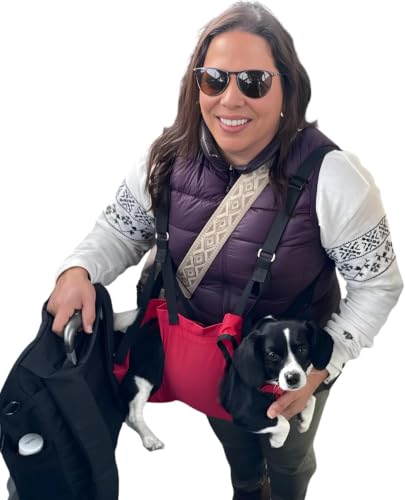
- Emergency Carry Harness: to help carry pets during rapid evacuations.
I’ve spent years trimming my own bag down to the ounce, but I realized I was leaving my dog’s survival up to chance. I went down the rabbit hole to find gear that isn’t sold in your local ‘big box’ pet store because most of that stuff is just for show. I’ve narrowed it down to these finds:


Last update on 2026-10-04 / Affiliate links / Images from Amazon Product Advertising API
(As an Amazon Associate, we earn from qualifying purchases.)
Kids

Disasters are terrifying for children. Their bags shouldn’t be loaded down with survival tools; they should be packed with psychological comforts to keep them calm. Pack:
- Lightweight, kid-sized backpack (gives them a sense of responsibility).
- A favorite small toy, stuffed animal, or comfort item.
- Familiar, morale-boosting snacks they actually enjoy.
- Coloring book and crayons.
- Laminated card attached to their bag with emergency contacts and family rally points.
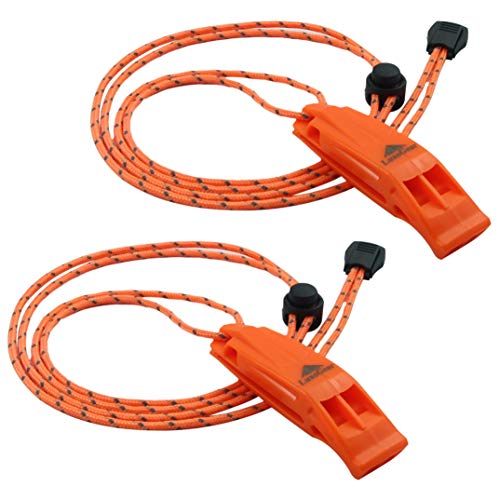
- Emergency whistle
- High-visibility light markers (non-battery light)
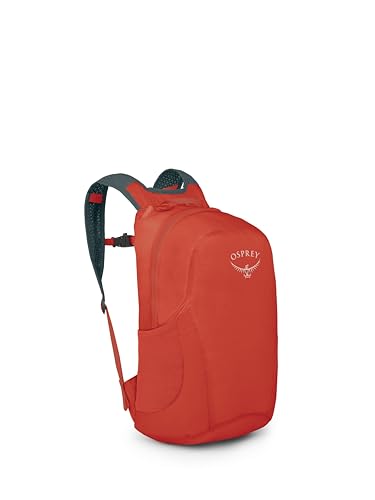
My kids used to hate their bug-out bags because preparing for disasters scared them. I fixed that by getting them life-saving items that look like cool toys. Now, they treat evacuations like a ‘night mission’ and they’re actually proud of their gear. Here’s the stuff that turned their panic into a bit of confidence:

Last update on 2026-10-04 / Affiliate links / Images from Amazon Product Advertising API
Your Lifeline in a Crisis
In a world where emergencies can strike without warning, your bugout bag is a beacon of preparedness. By carefully curating the right gear, you’ll be ready to face any challenge head-on. Whether it’s a natural disaster or a sudden need for evacuation, your BOB gives you confidence and peace of mind.
Now’s the time to start building or refining your bugout bag. Trust me, when the moment comes, you’ll be glad you did.
FAQs
Q: Why is having a bugout bag (BOB) considered a non-negotiable part of disaster prep? A: Emergencies strike hard and fast without a courtesy text, often leaving you with very little time to react. A well-prepared bugout bag acts as your mobile survival kit and lifeline, providing the essentials you need to evacuate confidently and survive at least the first 72 hours of a crisis.
Q: What is the most efficient way to organize my survival gear within the bag?
A: You should build functional kits for categories like Medical, Power, and Food into dedicated pouches so you can find what you need without digging. For proper balance, pack heavy and dense items against your spine, keep light and bulky items at the bottom, and place immediate-need items like rain ponchos and maps in external or top pockets.
Q: How do I determine the maximum weight my bugout bag should be?
A: A bag that is too heavy or top-heavy will exhaust you and throw off your balance during an evacuation. To stay mobile, the general rule is that your bag should weigh no more than 20–25% of your total body weight.
Q: How often should I inspect my gear to ensure it is still ready for a real-world scenario? A: You should perform a kit inspection and refine your bag every 6 months or after any major life changes. Consistent auditing ensures your bag remains a beacon of preparedness rather than a collection of expired or outdated gear.
Q: What specific items should be included for the youngest or four-legged members of the family?
A: Children should have lightweight packs filled with psychological comforts like favorite toys, familiar snacks, and coloring books to keep them calm during terrifying situations. Pets depend entirely on your pack, so you must include at least 72 hours of food, extra water, collapsible bowls, and physical copies of their vaccination records.
QUICK POLL: Is your bug-out bag optimized to protect your family or to feed your hero complex?
Tell me more about your vote! Are you building for a realistic 72-hour evacuation, or are you low-key prepping for a full-blown SHTF movie scenario?