

First Aid Kit Essentials
1. Sanitary Napkins and Tampons
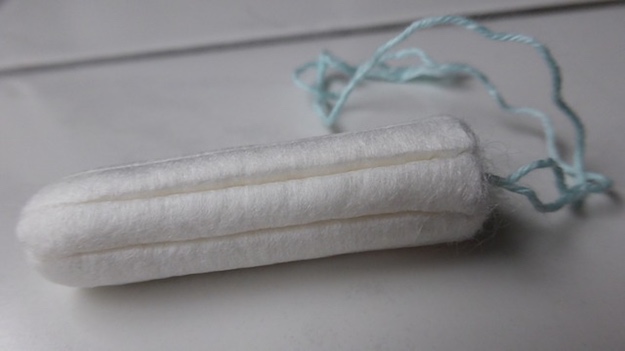
The individually wrapped sanitary napkins and tampons are actually good to keep in a first aid kit. They can be used as a makeshift bandage for wounds.
2. Elmer’s Glue or Shoe Goo
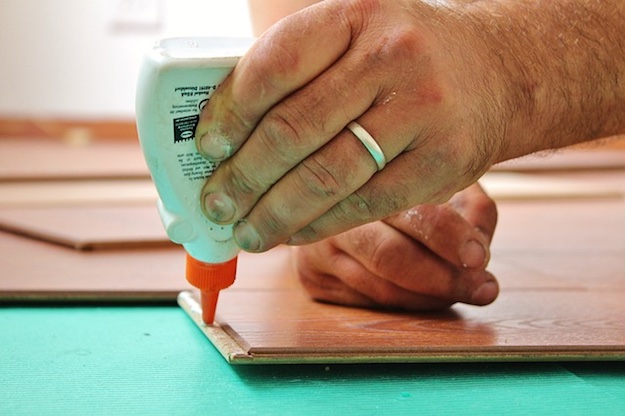
These types of glues can be used to remove a sliver. Place a drop over the sliver and let it dry. Once it is dry, pry it off and the sliver should come off with it.
3. Super Glue
For a minor wound, super glue can be used to seal a cut. Clean the wound and spread a thin layer of super glue on the cut, being careful NOT to get any glue inside the wound. It can cause some skin irritation. (Note: The glue manufacturers do not recommend this use for their product, as there are medical versions available. But we’re talking about when there is nothing else around and no medical help is available. Do your own research and use your best judgment)
4. Duct Tape
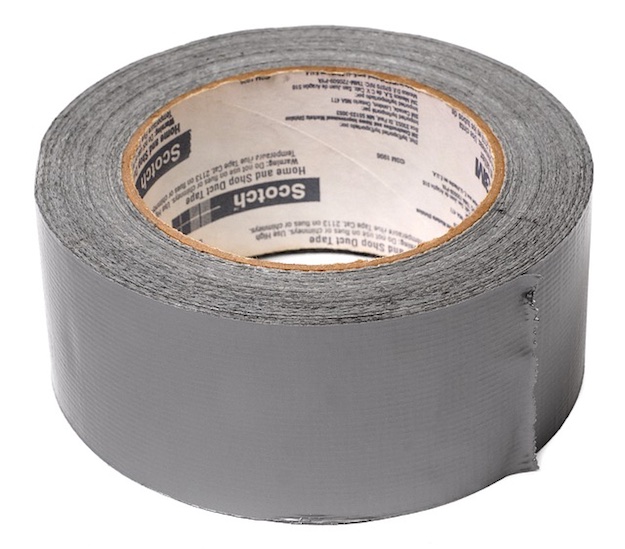
Duct tape can be used to care for blisters: cover the blister with gauze, then cover it with duct tape. Don’t let the duct tape touch the blister, just the gauze. You can also wrap duct tape around a sprained ankle to give it some support. If you have a cut and no adhesive bandages, use duct tape over a clean gauze (or use that sanitary napkin or tampon) to secure it in place. Just don’t place the duct tape directly over the wound.
5. Non-sudsing ammonia
A half water, half ammonia mixture can be used to relieve insect bites
6. Liquid Dish Soap
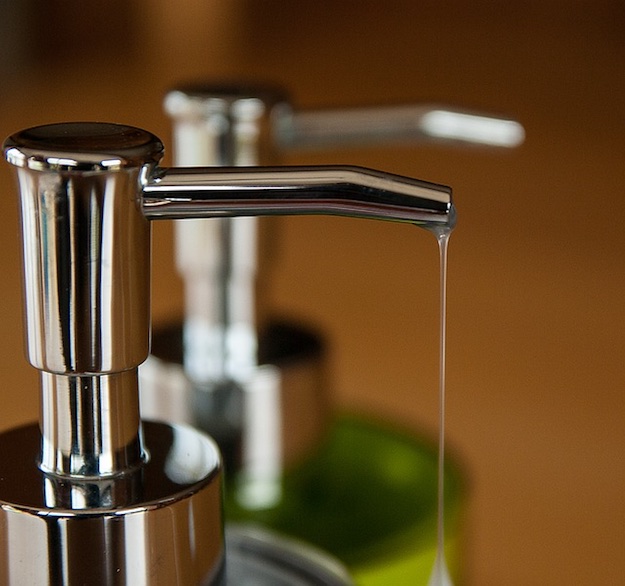
with some water, use to clean cuts. Or freeze dish soap in a ziplock bag and use it as an ice pack.
7. Credit Card, Driver’s License or Other Hard Plastic Cards
You can use a card to remove a bee’s stinger: Scrape across the skin towards the tip of the stinger; this way it comes out the way it came in. Rinse with water.
Want to know what the last 3 common household items for your first aid kit are?
Check out the full article on theapartmentprepper.com
What is in your first aid kit?