
Last Updated: July 2026
Foraging for edible wild plants is an invaluable skill for survival as it will often depend on eating what’s available. Lucky for you, the wild is a garden of free edibles waiting to be harvested as long as you know what to go for.
20 Edible Wild Plants You Didn’t Know You Can Survive on in the Wild
1. Burdock
The burdock consists of big leaves and purplish flower heads that are thistle-like. Boil the leaves at least twice to remove their strong bitterness before consuming. You can also eat the stalks and roots raw or boiled as long as you peel them first.
2. Asparagus
The wild variety of asparagus is thinner than its grocery counterpart and tends to grow on damp soil with direct sunlight. It is edible, whether cooked or raw, and leaves a distinct urine smell when consumed.
When I was first starting out, I was constantly paranoid about accidentally picking toxic lookalikes. This book was my absolute bible in the field, and it’s still the single reference guide I recommend to every beginner:
- Pocket Naturalist Edible Wild Plants by James Kavanagh - 1-58355-127-1
Last update on 2026-09-14 / Affiliate links / Images from Amazon Product Advertising API
3. Lambsquarters
Lambsquarters are edible wild plants rich in vitamin A, vitamin C, calcium, iron, and protein. Its leaves have a milder taste compared to spinach.
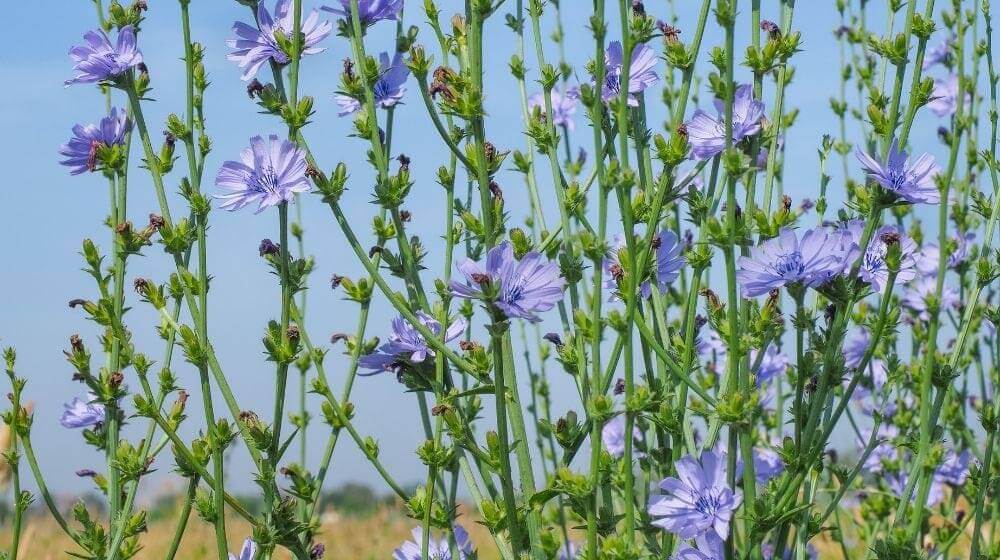
4. Chicory
Chicory is a bushy plant with small, lavender, white, and blue flowers. Its entirety can be eaten from its leaves to its roots. You can eat the flowers raw, but the roots give a pleasant taste after boiling.
5. Wild Ginger
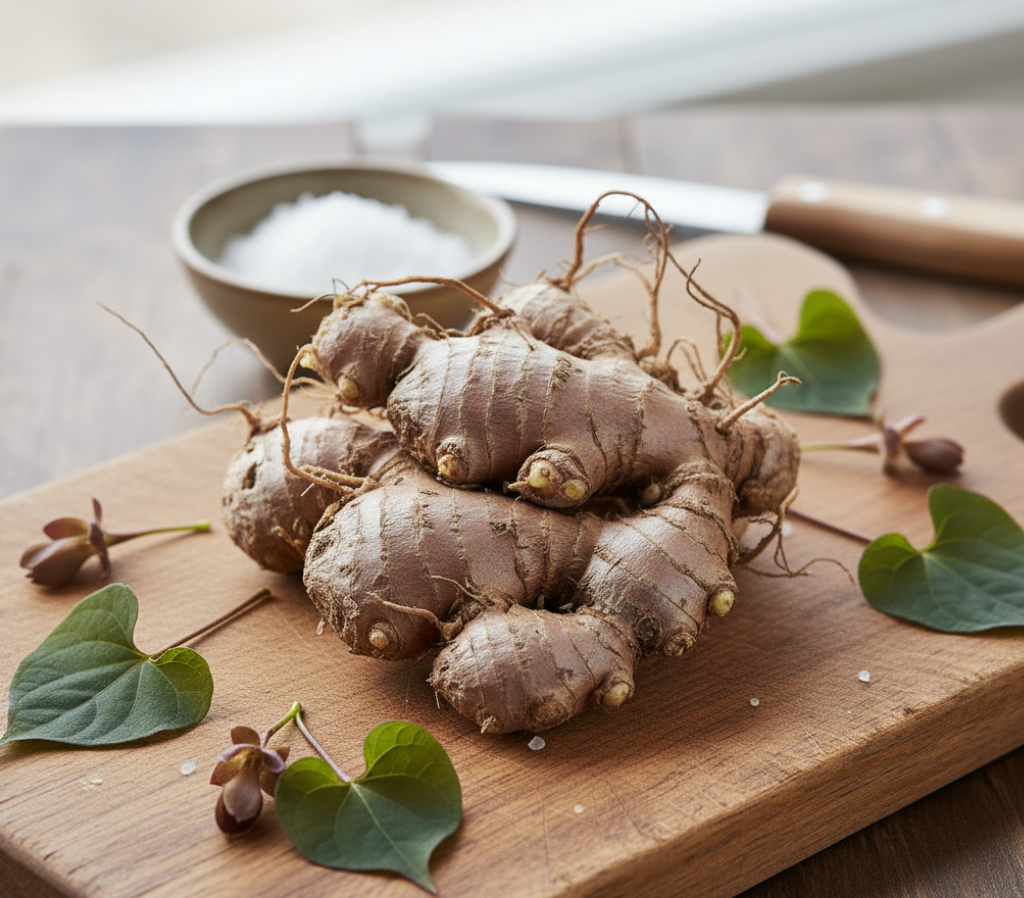
Though eaten as a spice substitute today, you can transform its rootstocks into wild ginger candy by boiling them down in a rich, sugary syrup.
6. Red Clover
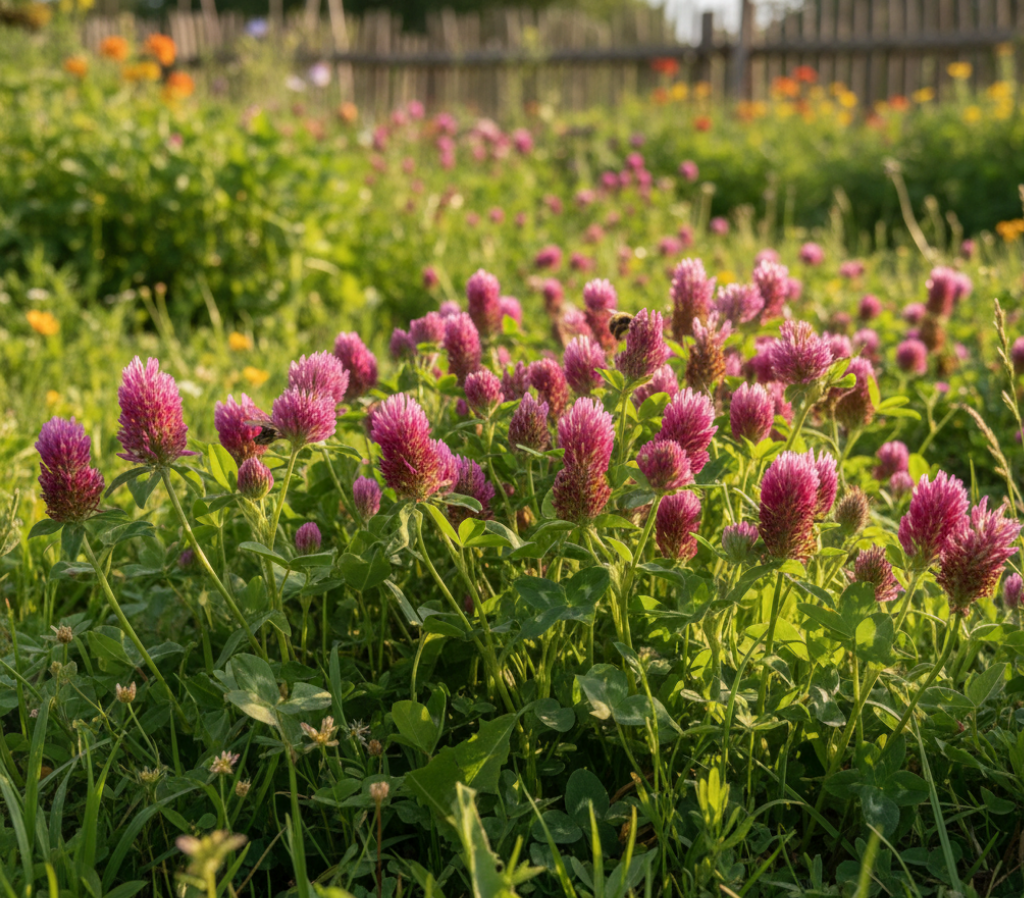
The red clover consists of trefoil leaves and red, rounded flower heads. Besides eating, you can also use it for medicinal purposes for conditions such as high cholesterol and brittle bones.
7. Dandelion
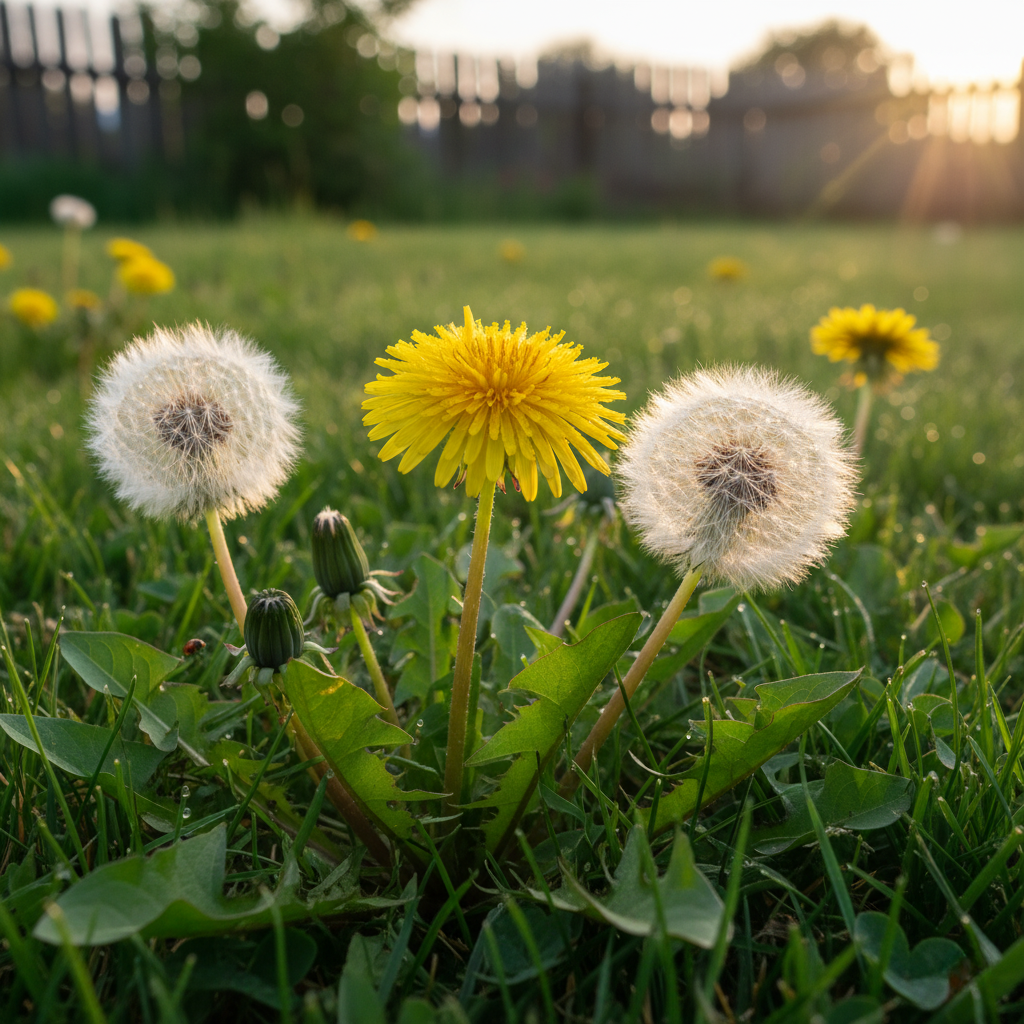
The dandelion plant is entirely edible, from its roots to its leaves. Boiling removes its bitterness. Moreover, you can use the flowers as a garnish when making a dandelion salad.
8. Kelp
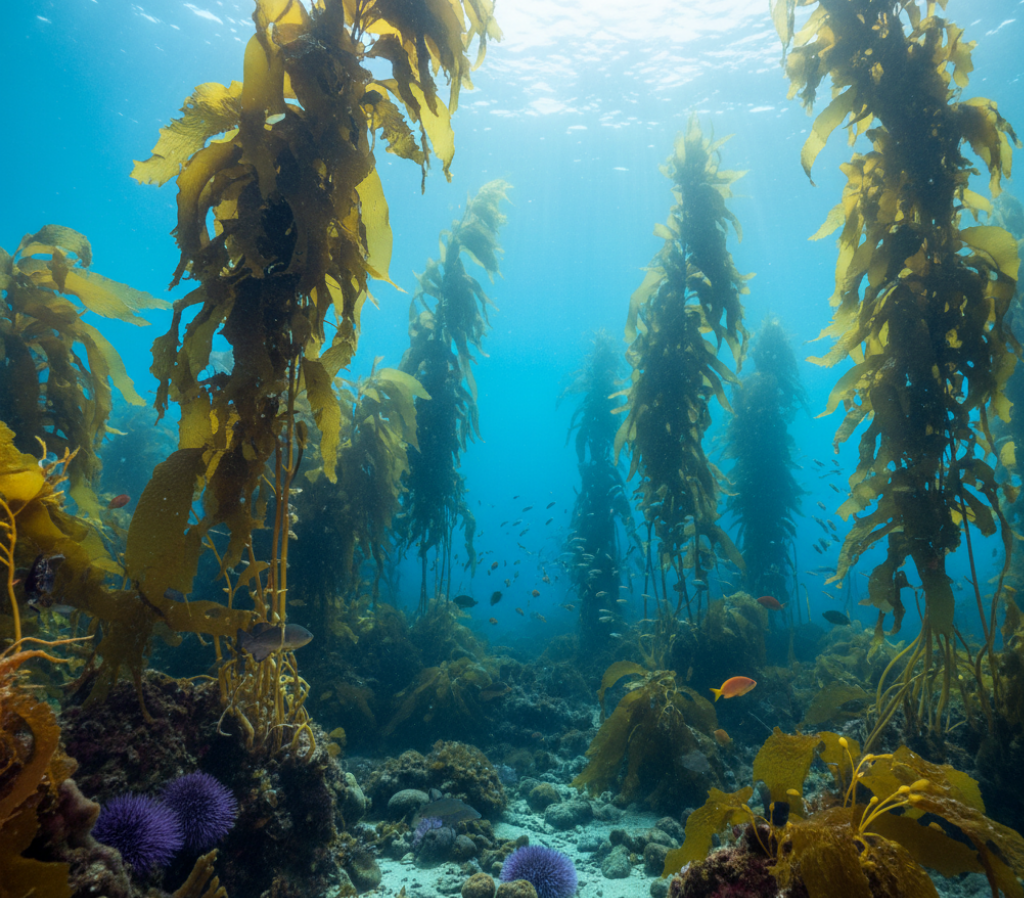
Kelp is a form of seaweed and is rich in folate, lignans, and vitamin K. It produces a compound called sodium alginate, which you can combine with dairy products, among many others.
9. Green Seaweed
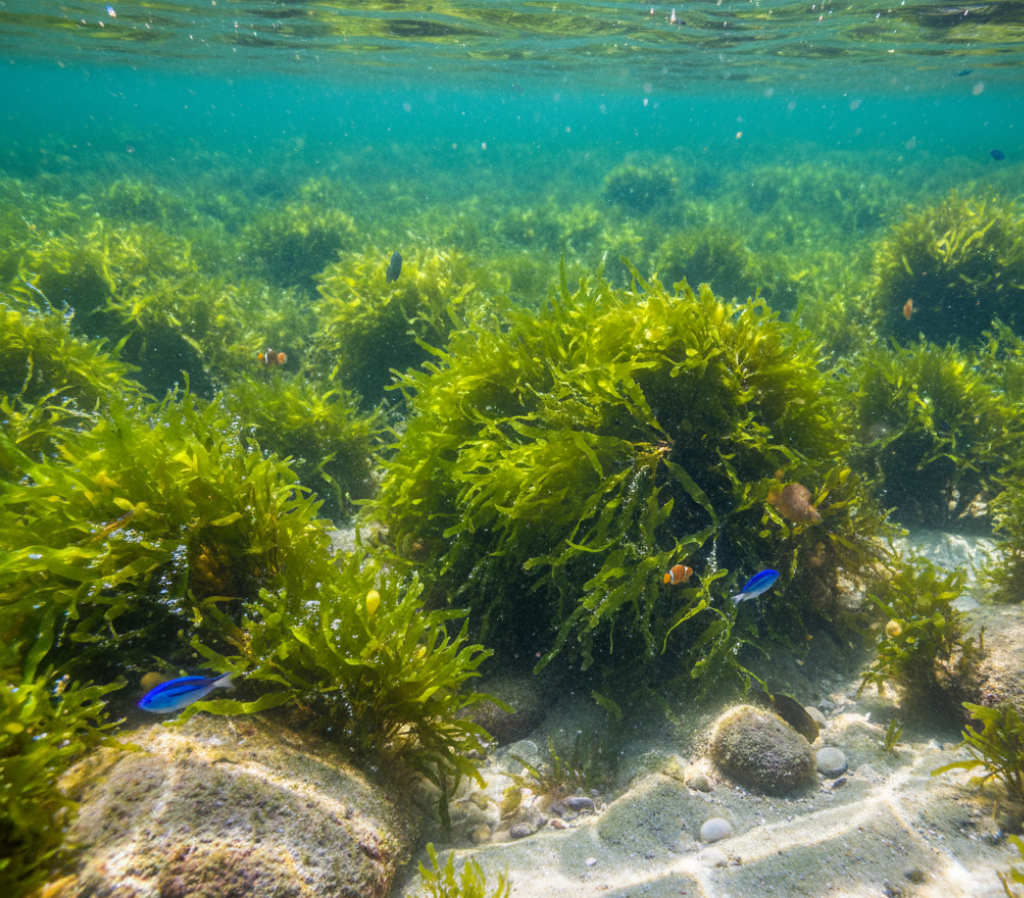
You can eat green seaweed raw after rinsing it with fresh water to remove its saltiness. You can also use it in making many dishes, such as seaweed soup and sushi rolls.
10. Cattail
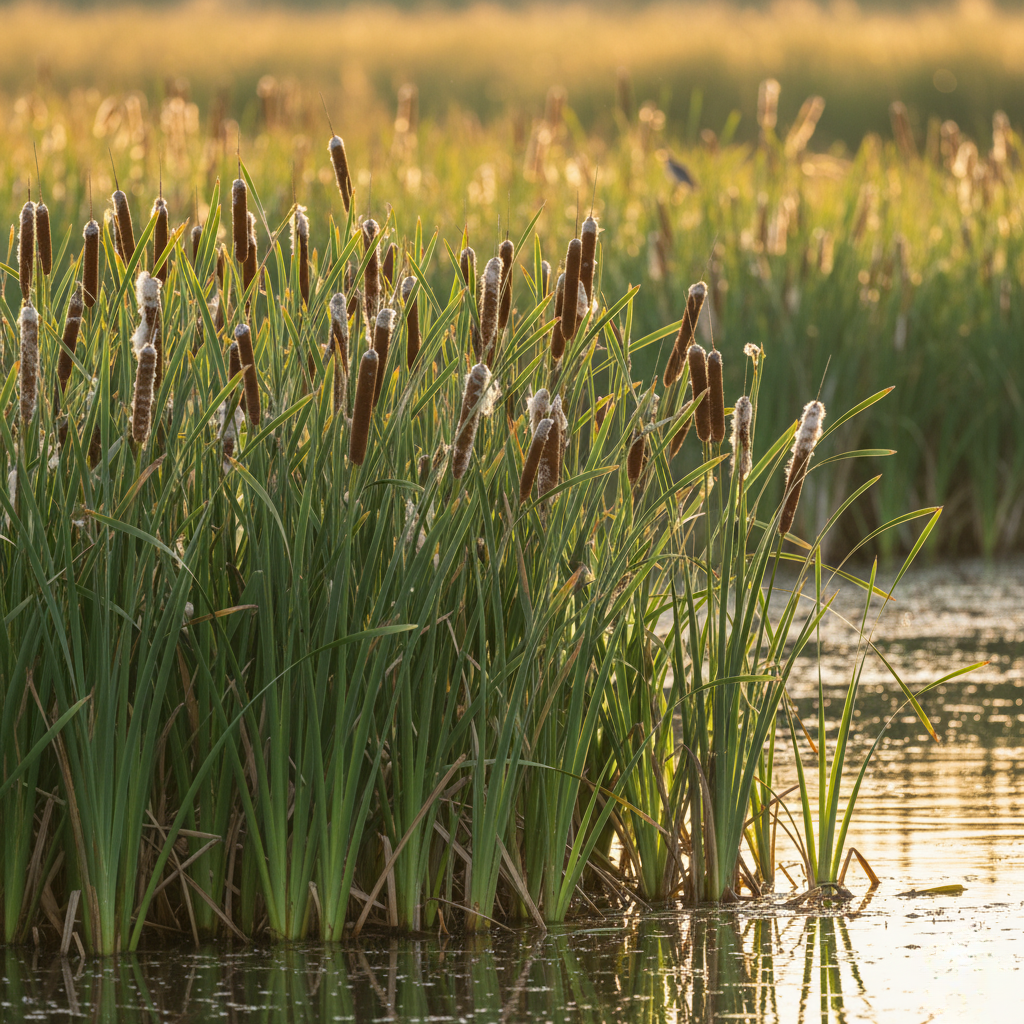
Cattail is mostly found near the edges of freshwater wetlands. Most of it is edible and was a staple diet of Native American tribes. The corn dog-like flower spike has a corn-like taste, but the best part is the stem.
RELATED: Medicinal Plants You Need To Make Natural Home Remedies
🌿 Editor’s Field Note
When I first started foraging, I ruined pockets with muddy roots and snapped cheap pocketknives trying to dig. I eventually pieced together this ultra-budget starter kit. Here’s the exact gear I carry on whenever I forage:
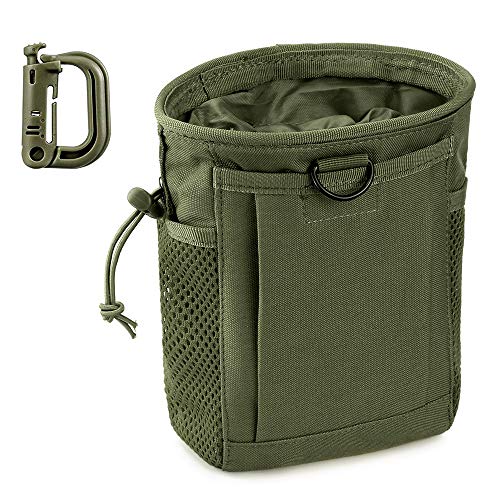
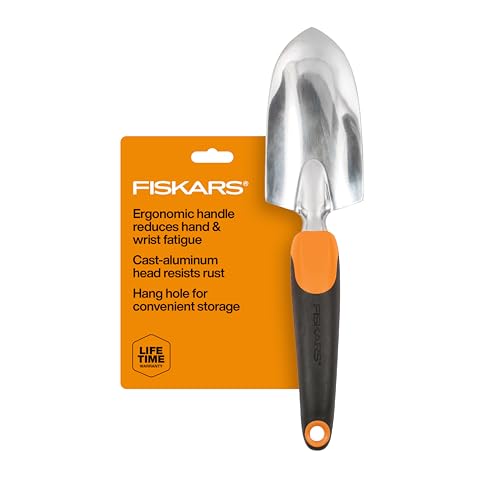



Last update on 2026-09-14 / Affiliate links / Images from Amazon Product Advertising API
11. American Elderberry
Use the purplish-black drupes of this edible wild plant to make jams and jellies. Ensure you cook it thoroughly before consumption as it can be poisonous.
12. White Mustard
White mustard is abundant in most parts of the world. It can be consumed from its seeds, flowers to its leaves.
13. Wild Rose
Wild rose plants can grow anywhere. It is a rich source of vitamins A and C, essential for birds and animals during the winter season.
14. Prickly Pear Cactus
The prickly pear cactus is delicious and nutritious, but consider removing its spines from its outer skin. Boil the stems before consuming.
15. Miner’s Lettuce
The miner’s lettuce is usually used as a salad crop. It is heart-shaped, has slightly succulent leaves, and has a mild flavor. You can also safely consume its flowering shoots and leaves.
16. Chickweed
The chickweed’s leaves are hefty, along with small white flowers on the plant. It is high in vitamins and minerals. Eat raw or boiled.
17. Pine Nuts
Pine nuts are snacks that are edible straight from pine cones. It is also a favored snack of woodland creatures such as squirrels and birds.
18. Fireweed
The fireweed plant has red-stemmed flowers that usually pop up in areas that have recently suffered wildfires, hence its name. Its reddish stalks and pinkish to purple flowers are edible, especially at their earlier stages.
19. Bamboo
The bamboo’s edible parts are the stout and rotund buds, which have been a staple Asian food for centuries. It contains toxins that are lethal when eaten raw, hence the need to boil it first.
20. Purslane
Although purslane is often seen as an obnoxious weed in your lawn, it can provide much-needed vitamins and minerals when growing wild. It has smooth, fat leaves that leave you with a refreshing, sour taste when eaten raw or boiled.
There you have it, fellow preppers, your edible wild plants. Outdoor expeditions should be filled with responsibility, as they are fun, so you can never be too prepared with extra survival knowledge.
QUICK POLL
Foraging Edible Plants: True survival food security or just a fast track to food poisoning?
Share your opinions or foraging experiences below!