
At a Glance: How To Prepare For and Evacuate From A Wildfire
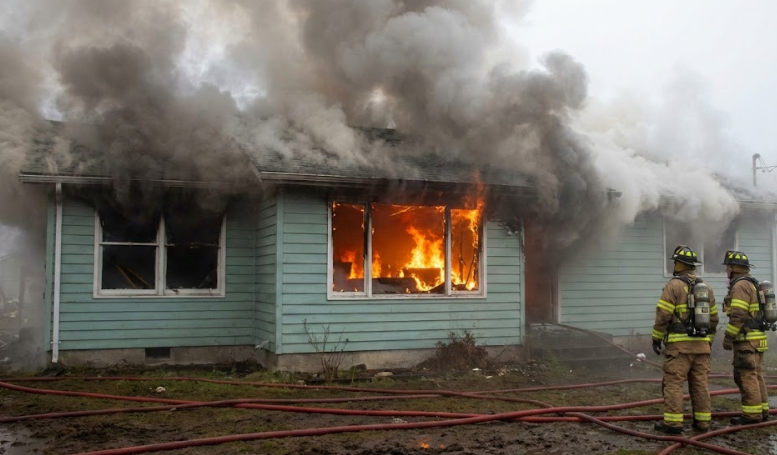
Wildfires in 2026 are moving faster than ever due to record-breaking wind speeds and “flash fuel” conditions. Survival isn’t about luck; it’s about executing pre-decided triggers before the smoke blinds you.
- The “Ready-Set-Go” Protocol: Activate survival tiers based on NWS alerts. Level 1 (Ready) starts at a Fire Weather Watch; Level 2 (Set) triggers during a Red Flag Warning; Level 3 (Go) is an immediate evacuation—do not wait for a door-knock.
- The 1/8-Inch Barrier: Most homes are lost to embers, not flames. Standard 1/4-inch vent mesh is a “sieve” for firebrands. Upgrading to 1/8-inch non-combustible metal mesh is the single most effective way to stop interior ignition.
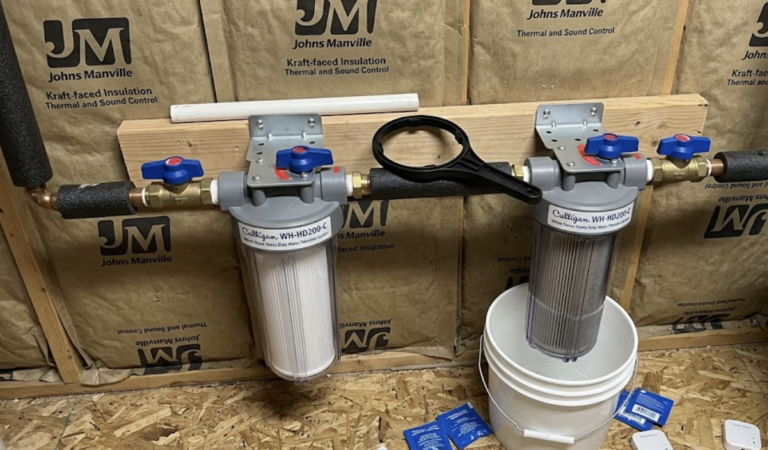
- The “Grid-Down” Water Hack: Wildfires kill power lines, which kills your electric water pumps. Fill bathtubs and 5-gallon buckets early to create a “static” reservoir for dousing spot fires when the garden hose goes dry.
Do you live in an area where wildfires are common? Wildfires can get out of hand pretty quickly, so you must prepare ahead. Here’s how to evacuate if you live near a fire.
THE “READY-SET-GO” WILDFIRE ALERTS
Execute these three tactical levels to command control before smoke hits.
- LEVEL 1 (READY): Fire Weather Watch. High fire risk is possible within 72 hours. Prepare now by duplicating vital documents like social security cards and insurance policies to keep in several locations or fireproof boxes. Scan photo albums to the cloud using mobile apps to ensure you can access them from anywhere. Pre-arrange a safe place to stay with friends or family who are expecting you.
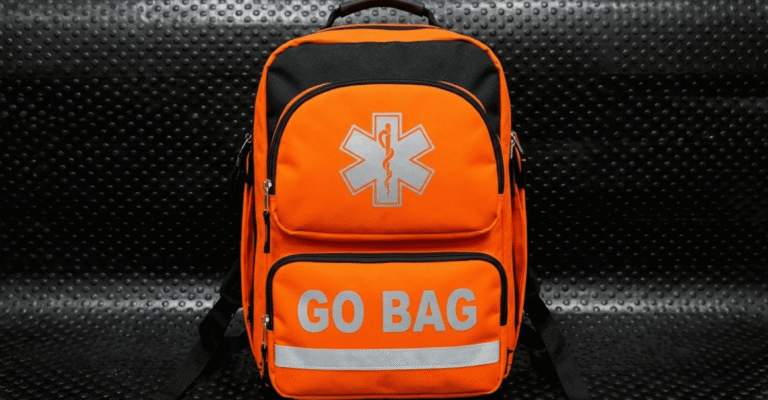
- LEVEL 2 (SET): Red Flag Warning ACTIVE. Extreme fire behavior is expected within 24 hours. Shoot a quick video walkthrough of your home and document the contents of each room. Take photos of serial numbers for TVs and appliances to streamline future insurance claims. Load your car with 72 hours of food, clothing, medications, and your Bug Out Bags.
- LEVEL 3 (GO): Evacuation Order. Danger makes your home unsafe so leave immediately. Material possessions are replaceable but lives are not. Place a sign in your yard confirming that all people and pets have evacuated. This sign saves firefighters from risking their lives searching an empty home.

- 100% Fireproof & Water Resistant: This UL certified upgraded fireproof bag is constructed primarily of fire-resistant...
- Upgraded Waterproof Zippers & 2-Pocket Design & Large Capacity: Two pockets, two zips for added security and convenience. Let...
Last update on 2026-09-13 / Affiliate links / Images from Amazon Product Advertising API
(As an Amazon Associate, we earn from qualifying purchases.)
Wildfire Preparedness: The 15-Minute Tactical Property Audit
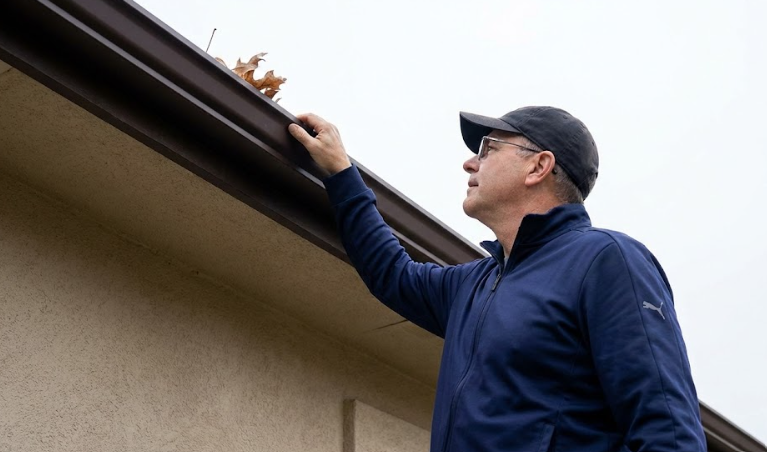
Execute these four actions to find and fix the hidden vulnerabilities that claim 80% of homes during a wildfire.
A. Seal the Ember Gaps (The 1/8-Inch Mistake)
Most modern building codes only require 1/4-inch mesh on attic and foundation vents to keep out rodents. During a wildfire, this is a fatal design flaw. Research shows that 1/4-inch mesh acts like an “ember sieve,” allowing wind-blown firebrands to pass directly into your attic and ignite sawdust, insulation, or stored boxes.
The How-To:
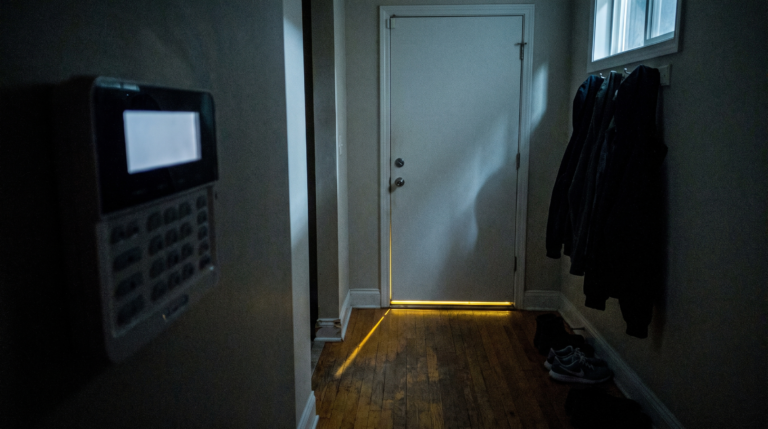
- The Light-Leak Audit: Close your garage door and turn off the lights. Look for any visible daylight around the edges. Any gap large enough to see light is a highway for embers.
- Install 1/8-Inch Metal Mesh: Secure rolls of 1/8-inch non-combustible metal mesh (stainless or galvanized steel) over existing 1/4-inch vents. Do not use fiberglass or plastic mesh because they will melt.
- Emergency Shielding: If a fire is imminent, pre-cut 1/2-inch plywood or metal plates to cover vents entirely. Screw them in place as you evacuate.
B. Create the Water Buffer (The Grid-Down Hack)
Do not rely on your garden hose. During a major wildfire, the power grid is often the first thing to fail. If the power goes out, your well pump stops. If the fire is large enough, municipal water pressure often drops to zero as hundreds of fire engines tap into the same system.
The How-To:
- Stage a “Last Resort” Reservoir: Fill every bathtub and large sink in the house to the brim now.
- The Bucket Protocol: Fill clean 5-gallon buckets or trash cans and place them near entry points.
- The Wet Barrier: Use this “static” water with a mop or bucket to douse small “spot fires” that land on your wooden deck or porch before they can take hold of the structure.
C. Conduct the Projectile Sweep (The Three Culprits)
In 70 mph winds, your property’s greatest threat is physics. Patio umbrellas, trampolines, and unanchored plastic furniture are the “Big Three” culprits. High-velocity gusts transform these into window-breaking projectiles. Once a window is breached, wind-driven embers have a direct highway into your living room.
The How-To:
- The Garage Staging: Move all patio cushions, door mats, and lightweight planters inside the garage or house. These are “flash fuels” that catch fire easily.
- Disable the Lift: If you cannot move a large trampoline, flip it upside down to remove its “wing” effect, or secure it to the ground using heavy-duty earth augers.
- The 5-Foot Zero-Zone: Conduct a rapid sweep within five feet of your foundation. Kick away dry leaves, mulch, or pine needles so that landing embers find nothing but dirt or concrete to burn.
D. Execute Interior Hardening (The 1,000-Degree Draw)
A house on fire acts like a vacuum, pulling oxygen-rich cold air in and pushing hot air out. If your interior doors are open and your HVAC is running, you are effectively creating a “wind tunnel” that pulls smoke, heat, and embers through every room in your home.
The How-To:
- Kill the HVAC: Turn off your air conditioning and heating systems at the thermostat. This prevents the system from sucking embers into your ductwork and distributing them throughout the house.
- The Room-by-Room Seal: Close every single interior door in the house. A closed solid-core door can keep a bedroom at roughly 100°F even while the hallway on the other side reaches a lethal 1,000°F.
- Shut Windows (Don’t Lock): Close all windows tightly to prevent ember entry. Do not lock them; firefighters may need to enter your home quickly to save it, and breaking a lock wastes precious seconds.
- MAKE YOUR HOME YOUR SANCTUARY: 2-pack of 3-month pleated Filtrete 20x25x1 MERV 13 MPR 1900 AC Furnace Air Filter helps...
- COOLING SEASON READY: Keep your home cool and your air cleaner with a Filtrete AC filter (Compared to MERV minimum filter...
Last update on 2026-09-13 / Affiliate links / Images from Amazon Product Advertising API
Evacuating If You Live Near a Fire-Prone Area
Since the beginning of 2020, wildfires have raged through California, burning nearly 3.2 million acres of land. 24 people have died and over 4,200 structures have been destroyed. While some people evacuate early and can leave with their important possessions, others flee as flames approach their homes.
If you’re near a fire or live in an area where they are common, there are steps you should take to safeguard your valuable and irreplaceable possessions. If you have sufficient warning that a fire is approaching that could devastate your home, plan ahead, and make arrangements that will protect you and your family.
1. Rent a Storage Unit
Consider temporarily renting a small storage unit for your valuable things that can’t be replaced, such as photo albums and important documents. Other items that should be moved to a storage unit include anything that could potentially explode and do further damage to your homes, such as fuel and ammunition.
2. Duplicate Important Documents
Keep duplicate copies of all vital documents, social security cards, marriage/birth certificates, insurance policies, passports, etc. in several locations, such as with a family member, in a storage unit, and in a fireproof box.
3. Scan Photo Albums
If you have ample warning that a fire is approaching, scan all your photo albums to the cloud. Free apps like CamScan will let you scan PDFs of photos and documents so that you can access them from anywhere.
4. Prepare for Insurance Claims
In addition to taking photos and videos of the interior and exterior of your home, take pictures of the serial numbers, makes, and models of your electronics. This includes TVs, printers, computers, refrigerators, freezers, and any other large appliances.
5. Know Where You’re Going
Before you need it, pre-arrange a safe place to stay with friends or family. Make sure that they are expecting you and can accommodate you and your family.
6. Help the Firefighters Out
Make a sign for your front yard stating that the house has been evacuated of both pets and people so that the firefighters do not have to risk their lives attempting to evacuate an empty house. This will save them a lot of time and trouble when they could be assisting other people who need them.
If You Have No Warning
If you have no warning or insufficient time to prepare, and you must evacuate immediately, follow these steps:
- Shoot a quick video of your home, walking through and documenting each room in your house and the contents.
- Pack your vehicle with the following:
- Your Bug Out Bags
- Pet food/leashes if you have pets
- Infant Formula and Diapers if you have babies
- Medications and Face Masks (During COVID)
- Important Personal and Identification Documents
- Personal Computer/Phone and chargers
- A week of clothing for each person (7 shirts, 2-3 pants, 7 underwear, 7 socks)
- Concealed Carry Weapons (Looters often come into evacuated areas to try to steal)
- Portable Shelter (tent, tarp, homeless survival shelter, yurt, teepee, etc.)
- Food and water to sustain the entire family for at least 72 hours
- First Aid Kit
- Portable video games or board games for children
- Blankets/Sleeping Bags
- Toilet Paper and/or Wipes
- Photo Albums
Remember that material possessions can be replaced, but lives cannot be. Evacuate early if you can, or immediately after being told to do so. Do not put your life or the lives of firefighters in danger by staying in your home when it has been deemed unsafe to do so.
FAQs
What is the difference between a Fire Weather Watch and a Red Flag Warning? A Fire Weather Watch (Level 1) means critical conditions are possible within 72 hours; this is your window to stage gear. A Red Flag Warning (Level 2) means extreme fire behavior is occurring or imminent within 24 hours. At this stage, you must be “Set” to leave instantly.
Why should I fill my bathtub during a wildfire alert? Wildfires frequently cause power grid failure, which shuts down well pumps and municipal water pressure. Filling bathtubs and buckets provides an offline water supply to douse embers on porches or decks once your garden hose stops working.
How do I stop embers from igniting my home from the inside? Embers enter through attic and foundation vents. You must replace standard 1/4-inch mesh with 1/8-inch galvanized steel mesh. Additionally, perform a “light-leak audit” in your garage—if you can see daylight through a gap, an ember can get in.
Should I lock my doors and windows when evacuating from a fire? No. You should close but not lock all windows and doors. This creates a thermal barrier to protect the interior but allows firefighters to enter quickly if they need to defend the structure without wasting time breaching a lock.
What are the “3 culprits” that break windows during a wildfire? High-velocity winds (up to 70 mph) turn patio umbrellas, trampolines, and unanchored plastic furniture into missiles. Once these shatter a window, wind-driven embers have a direct path to your living room. Secure or move these items inside during Level 2.
Do you already have an evacuation plan prepared? Whether you live near a fire-prone area or not, you need one. Do share with us how you’ll make your plan in the comments section!
Up Next: