
Last Updated: July 2026
At a Glance: 11 Items You Should NEVER Stockpile
- Some Items Spoil Fast: Many popular emergency items (like liquid bleach and cheap batteries) will rot, leak, or stop working after a few months in storage.
- Make Smart Swaps: Instead of buying things that go bad, you should focus on long-lasting alternatives (like dry bleach and lithium batteries) that will actually work in a crisis.
- Start Small and Save: Building a great emergency stash does not have to be expensive if you buy the right items slowly over time.
Have you ever wondered if your emergency stash is actually useful?
Imagine a big storm hits, the lights go out, and you run to your closet to grab your supplies. But when you open your cabinet, you find out your batteries have leaked, your food has spoiled, and your cleaning supplies don’t work anymore.
I used to be in the exact same boat, trying to figure out how to prepare without spending a huge amount of money all at once. But after years of prepping, I learned a simple strategy to build my stash gradually and keep my budget happy. I realized that many common stockpile items are just trash in disguise.
The good news is that you do not need to make these same mistakes. You can easily build a perfect safety net without wasting your hard-earned money. Take a close look at your cart before your next shopping trip.
11 Items You Should NEVER Stockpile (And What to Buy Instead)
Below is the list of 11 common items you should never stockpile, along with the smart, easy swaps that will actually save the day.
1. Liquid Bleach
Liquid bleach is great for cleaning, but it loses its germicidal power very fast. After about six months to a year in storage, it starts to turn into regular salty water. It won’t be able to kill germs or clean anything when you actually need it.
💡 Smart Swap: Buy dry bleach tablets or pool shock powder. They’re dry, so they’ll last for years without losing their bacteria-killing strength!
2. Cheap Dollar-Store Batteries
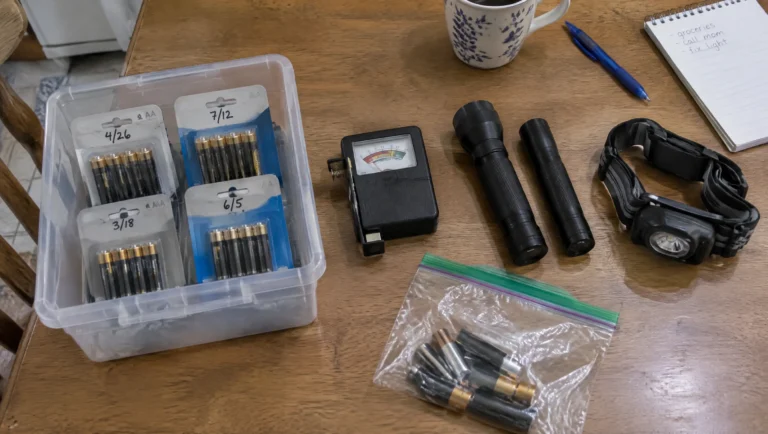
Cheap batteries are highly likely to leak. If you leave them inside a flashlight or radio for a long time, they’ll spill white battery acid and ruin your expensive tools.
💡 Smart Swap: Buy name-brand lithium batteries. They cost a little more, but they don’t leak and can sit on a shelf for up to 10 years.
During a major power outage, I grabbed my favorite flashlight and found it damaged by a cheap, leaking alkaline battery. I immediately replaced my entire stock with premium lithium batteries, which never leak and boast a 10-year shelf life.

- Energizer Double A Lithium batteries are the world's longest lasting AA batteries.
- These AA Energizer batteries power your most critical devices, great for smart home devices, outdoor surveillance systems...
Last update on 2026-10-11 / Affiliate links / Images from Amazon Product Advertising API
3. Gasoline
Gasoline goes bad in just three to six months. If you try to use old gas, it can clog and ruin your car or generator engine. Plus, keeping giant cans of gas in your garage is a major fire danger.
💡 Smart Swap: Store propane tanks instead. Propane never goes bad, and it’s much safer to keep in storage.
I used to store gas cans in my garage until the fumes got so bad I feared a single spark would blow the roof off, only to find the stale gas clogged my generator anyway. I swapped my backup fuel strategy to propane cylinders, which never expire and sit safely in storage for years.

- ITEMS INCLUDED – (2) Refillable EMPTY 1LB Propane Tanks, (2) Caps, and (2) Allen Keys - 2mm (5/64") in size
- REDUCE WASTE - Keep disposable propane tanks out of landfills; the Flame King 1LB refillable cylinder is your eco-friendly...
Last update on 2026-10-11 / Affiliate links / Images from Amazon Product Advertising API
4. Wet Wipes
Even if you do not open the package, wet wipes will dry out completely after a year or two on a shelf. When you open them during an emergency, you’ll just have a package of dry, useless cloths.
💡 Smart Swap: Buy dry baby wipes or pack small washcloths. You can just add regular water to them when you are ready to use them.
5. Super Glue
Super glue is handy for fixing broken tools, but it has a very short shelf life. Even if the tube is tightly sealed and never opened, the glue inside will turn into a rock-hard plastic tube after about a year.
💡 Smart Swap: Buy a pack of single-use mini glue tubes. That way, you only need to open a tiny bit at a time, and the rest of the liquid will stay fresh.
6. Cheap Plastic Tarps
Cheap, thin blue tarps are tempting to buy because they’re so affordable. But if you use them to cover a damaged roof or window, the sun and wind will rip them to shreds in just a few weeks.
💡 Smart Swap: Opt for heavy-duty canvas tarps or thick silver tarps instead. They can survive harsh weather for months.
7. Complicated Solar Power Chargers
Avoid fancy solar chargers with too many buttons, screens, and extra wires. If one tiny computer part inside gets wet or drops, the whole thing becomes a useless piece of plastic.
💡 Smart Swap: Choose a simple solar power charger with just a single USB port and screen. Fewer parts mean fewer things that can break.
I bought a fancy, all-in-one solar power bank with built-in screens and flashlights, only to watch the entire unit fry after a few months. I immediately switched to a simple, folding solar panel. It’s simple but durable.
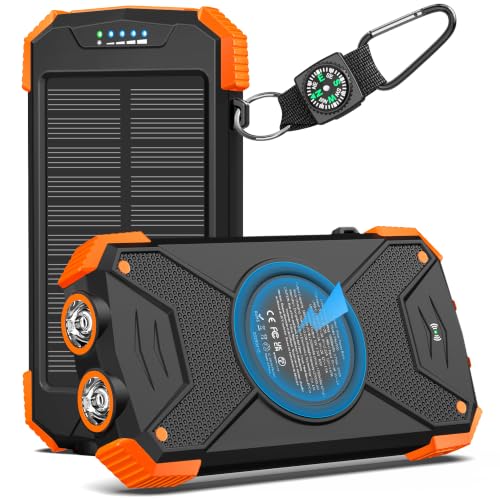
- Brand-Oriented and Outdoor Charger Pro: With over 10 years of experience in solar power banks, BLAVOR has already gained the...
- Leading USB C Input Output Tech and Wireless: The latest upgrade includes a USB-C output with 20W fast charging capability...
Last update on 2026-10-11 / Affiliate links / Images from Amazon Product Advertising API
8. Brown Rice
Many people think all types of rice can last for a long time in the pantry. White rice can, but brown rice cannot as they contain natural oils. After just a few months, those oils tend to spoil. Consequently, the rice will smell like paint and taste terrible.
💡 Smart Swap: Stockpile white rice instead. If you keep it dry and cool, white rice can last for up to 30 years!
9. Large Tubs of Vegetable Oil
Just like brown rice, vegetable oil goes bad after some time in storage. If you buy a giant tub of it, it will start to smell sour and taste bad before you can finish using the whole container.
💡 Smart Swap: Buy small bottles of coconut oil. Coconut oil stays fresh much longer than vegetable oil and is great for cooking.
10. Canned Tomatoes
You might think all canned food lasts for ten years, but foods with a lot of natural acid don’t. The acid inside canned tomatoes, pineapple, and spaghetti sauce will slowly eat away at the metal can. After a year or two, the can might leak, rust, or spoil.
💡 Smart Swap: Buy tomato powder or tomatoes stored in glass jars instead of metal cans.
11. Fresh Milk
When a storm is coming, people run to the store to buy milk. But if the power goes out, your fridge stops working, and fresh milk will spoil in just a couple of days.
💡 Smart Swap: Stockpile powdered milk or boxed, shelf-stable milk (the kind that sits on regular grocery shelves, not in the fridge).
Conclusion
Building a backup stash is one of the smartest things you can do, but doing it all at once can be too expensive. By avoiding these 11 bad buys and focusing on smart, budget-friendly choices instead, you’ll have a viable stockpile when the time comes.
Editor’s Haul
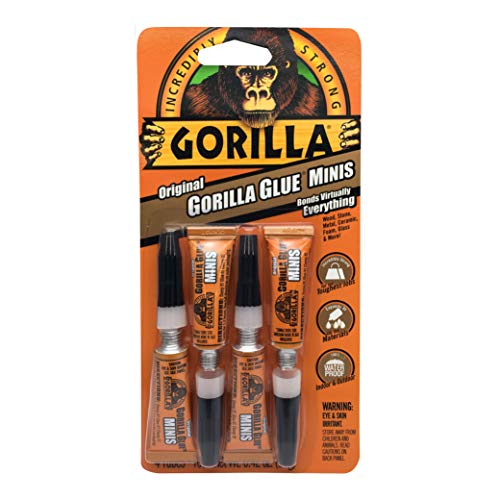
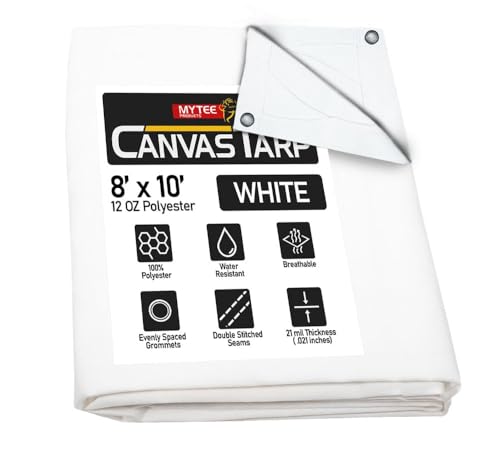
I recently cleaned out my closet and upgraded my personal emergency stash with these highly reliable, budget-friendly smart swaps:


Last update on 2026-10-11 / Affiliate links / Images from Amazon Product Advertising API
FAQs
1. How long does white rice actually last?
If you store white rice in a cool, dry place inside a sealed container, it can easily last for up to 30 years! This makes it one of the absolute best survival foods you can buy.
2. Can I still use expired liquid bleach?
No. Once liquid bleach turns to salt water (usually after a year), it loses its power to kill bacteria and viruses. It won’t work to sanitize your water or clean dirty surfaces.
3. Where is the best place to store my stockpile?
Keep your items in a cool, dark, and dry place. Basements, closets, and under-bed storage are perfect. Avoid hot garages and damp crawlspaces, which make items spoil much faster.
4. How often should I check my emergency stash?
It is a good idea to check your stash at least twice a year. Use this time to swap out items that are getting close to their expiration dates and make sure none of your batteries are leaking.
5. Is stockpiling expensive?
It doesn’t have to be! You do not need to buy a huge amount of supplies all at once. By adding just a few smart items to your cart during your regular shopping trips, you can build a great stash gradually without hurting your budget.
QUICK POLL
What is the correct amount of food a household should stockpile?
Why is that? Defend your choice or share your experience in the comments:)