Subscribe for Real-World Readiness

Weekly checklists, tested gear picks, 10-minute drills.

How To Survive A Plane Crash (2025 Update)

How To Survive A Plane Crash (2025 Update)

how-to-survive-a-plane-crash

Win a
$1,000 Milwaukee Tool Package

One DIY Projects subscriber wins on May 10. A full kit of Milwaukee tools — the kind that makes a weekend project easier to finish, whether it’s a fence post, a set of shelves, or the cabinet door that’s been sticking for years. Free entry, just an email.

Hosted by our partner site

Short takes: How to Survive a Plane Crash

  • Know the safest seating zones, stay alert during takeoff/landing, and follow crew instructions; these actions greatly improve survival odds.
  • Wear proper clothing (long sleeves, sturdy shoes) and count the rows to the nearest exit to escape quickly in low visibility.
  • Use the correct brace position, keep your seatbelt low and tight, and stay calm to reduce injury during impact.
  • After landing, evacuate immediately, don’t grab belongings, and move at least 500 feet away from the aircraft.
  • For a data-driven view on survivability and what actually injures people, check the NTSB’s latest U.S. air-carrier survivability dashboard.

The headline truth hasn’t changed: survival is the norm in U.S. air-carrier accidents. NTSB data show that in roughly 94% of Part 121 accidents, everyone on board survives, with many events tied to turbulence or non-fatal incidents like bird strikes or ground collisions.

What that means for you: control the controllables. Review the briefing card, locate your nearest two exits (and count the rows by touch), and mentally rehearse what you’ll do if the cabin fills with smoke.

How to Survive a Plane Crash: Things to Know

Before every flight, we sit back and try to get comfortable as we greet our fellow passengers sitting next to us. After all, we are going to be sharing the ride with strangers whom we may need to rely on in an emergency, so it’s a good idea to at least say hello.

Before Takeoff:

  • Pay attention to the safety briefing and read the card, especially the brace position diagrams and exit operation. FAA
  • Count rows to two exits (forward and aft). If visibility drops, you’ll move by feel.
  • Keep shoes on for takeoff/landing. Laces beat slides when you’re moving over debris.
  • Secure heavy items under the seat; don’t block your footwell.
  • Lithium batteries (phones, power banks, vapes): they belong in carry-on, not checked. If a device overheats, smokes, or swells, alert the crew immediately. They have specific procedures and equipment for battery fires. FAA

If Something Goes Wrong: 

  • Follow crew commands fast. Seconds matter.
  • Leave bags behind. Overhead-bin delays can bottleneck an evacuation that’s certified around a 90-second benchmark.
  • Stay low, move to light. If there’s smoke, crouch and follow floor-level lighting to the nearest usable exit.

Does Clothing Matter?

Let’s start with clothing pre-flight. What you wear on the plane can save your life. Choose long pants, long sleeves, and closed-toe shoes you can run in. Natural fibers (wool/cotton) are less prone to melting in heat, and a light jacket within reach helps if you land in a cold environment. Ditch scarves, dangling straps, and loose items that snag in tight aisles.

Does Your Seat Selection Have Any Impact on Survival Rates?

There’s no officially designated “safest seat.” While some media analyses have suggested slightly better odds in the rear, safety agencies and experts emphasize that crash dynamics and access to exits dominate outcomes, not a single row number. Book with exits in mind and always count your rows.

Should You Follow The 5 Row Rule True?
how-to-survive-a-plane-crash-look-for-exits

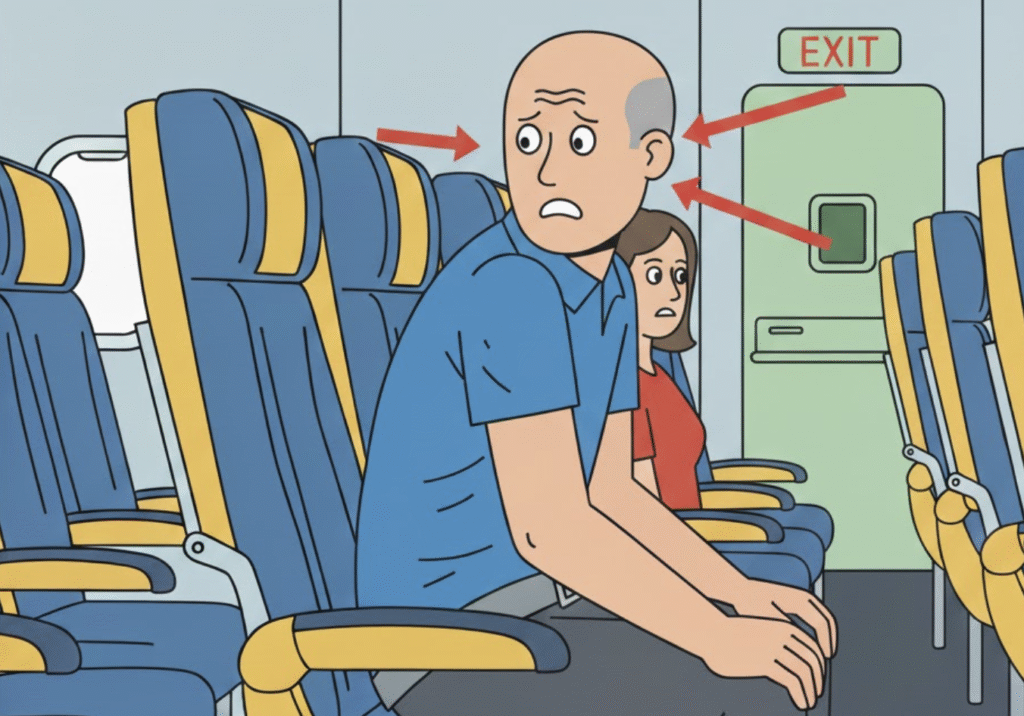
As a useful heuristic (not a regulation): try to sit within five rows of an exit so you can reach it quickly even in smoke or darkness. What matters most is knowing your nearest two exits and moving decisively when the aircraft stops.

How Quickly Do You Need to Get out of the Plane?

Fast. Transport-category aircraft are certified via demonstrations that show full evacuation in 90 seconds or less under test conditions. Real life is messier, so treat “wheels stopped” as your go-signal unless told otherwise by the crew. Don’t film, don’t grab bags, move.

How Important Is Your Seat Belt?

Huge. Keep it fastened low and snug whenever you’re seated, even when the sign is off. Turbulence injuries have been a persistent problem; FAA guidance is clear: stay belted when seated and heed crew instructions.

How to Survive a Plane Crash 2025 Updates: Modern Risks & Must-Knows

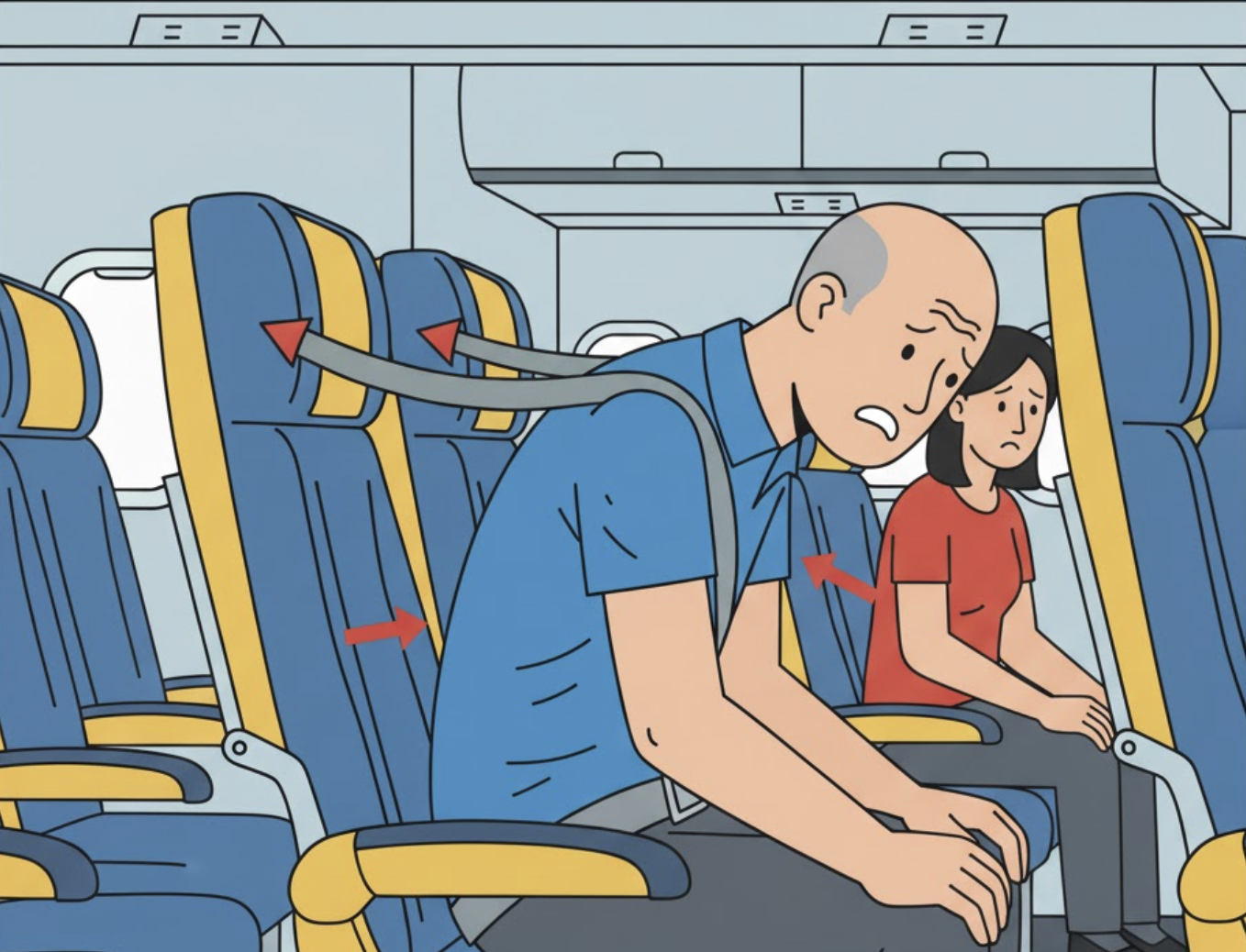
  • Brace position basics. In an emergency landing, adopt the brace shown on your card: belt tight and low across the hips, head down, arms protecting your head/neck. It’s designed to reduce head impact and flailing injuries.
  • Lithium battery etiquette. Keep power banks and devices in sight when charging and never charge them buried in bags; if you see smoke/odor/heat, notify the crew immediately. (Airlines may have their own stricter policies in addition to FAA rules.
  • Turbulence mindset. Most “injury flights” today are turbulence-related. The fix is simple: belt on, tray latched, bin closed.

Screenshot-friendly Quick Checklist on How to Survive a Plane Crash:

  • Count rows to two exits (forward and aft)
  • Keep shoes on for takeoff/landing
  • Belt low & tight anytime you’re seated
  • Phone/power bank in carry-on; report any battery smoke/heat immediately
  • On command: brace, then unbuckle, then go. Important note: Leave the bags. 

Watch this video from Air New Zealand for the most epic safety video ever:

Air travel is very safe, and most incidents are survivable. Your odds of surviving a plane crash improve when you make a few smart choices before and after landing: pick a seat with exits in mind, keep your belt low and snug, practice the brace position, and move the instant the aircraft stops. Leave bags, follow the lights, and get outside quickly.

Don’t wait for your next flight to start knowing how to survive a plane crash. Build the habit now. Count rows to two exits. Keep shoes on for takeoff and landing. Carry a small travel kit with medications, a flashlight, and a phone battery in your personal item.

For more step-by-step How-to guides, check out our Survival Life guides

FAQ: Plane-Crash Survival Based on NTSB Guidelines

1. What actions improve survival during the critical phases of flight?
The NTSB identifies takeoff and landing as the most accident-prone phases. Staying alert, keeping your seatbelt fastened low and tight, and knowing your nearest exits significantly improve survival odds.

2. Does seat location matter for survivability?

While no seat guarantees safety, NTSB crash-data analysis shows survival often depends on proximity to usable exits, not just seat row. Passengers closer to functional exits typically evacuate faster.

3. Why is counting rows to the nearest exit recommended?
In smoke-filled cabins, visibility is often near zero. The NTSB stresses that tactile evacuation cues, such as knowing how many seat rows you must pass, dramatically speed up escape during a plane crash.
4. What is the proper brace position according to safety investigators?

Although variations exist by aircraft type, the core NTSB-aligned guidance is:

  • Bend forward sharply at the waist
  • Place your feet flat on the floor
  • Keeping arms behind the head or on the seatback reduces head, spine, and lower-limb injuries during impact.

5. How important is post-impact evacuation?

Extremely. NTSB findings show that most crash survivors die after the initial impact. Often due to fire, smoke inhalation, or delayed evacuation. Passengers should exit within 90 seconds, leaving all belongings behind.
6. What type of clothing does the NTSB recommend for safer evacuation?

Investigation reports consistently show better outcomes for passengers wearing:

  • Long sleeves/pants
  • Natural fibers (cotton, wool)
  • Closed-toe shoes offer protection against flames, sharp debris, and hot surfaces.

7. Why do crew instructions matter so much in survival outcomes?
The NTSB repeatedly notes that crew-commanded evacuations are the single most effective factor in organized, rapid escape. Crew members are trained to assess hazards and determine which exits are safe.

8. How does carrying luggage affect survivability?
NTSB accident reports emphasize that retrieving bags:

  • Blocks aisles
  • Causes pileups
  • Slows evacuation below survival thresholdsPassengers should never take items during evacuation.

9. What should passengers do immediately after exiting the aircraft?
Move upwind and at least 500 feet from the wreckage. NTSB post-accident analysis shows hazards like fuel fires, explosions, and toxic smoke can occur without warning.

10. What mental preparation does the NTSB advise before each flight?

A quick “safety mindset scan”:

  • Identify exits
  • Review the safety card
  • Secure loose items
  • Assume responsibility for your own evacuation
    Passengers who mentally rehearse actions consistently show higher survival rates.

Leave a Comment

Your email address will not be published. Required fields are marked *

Get field-tested gear picks and drills delivered before you ever need them.

Win a
$1,000 Milwaukee Tool Package

 One DIY Projects subscriber wins May 10. Free to enter. Approximately $1,000 in Milwaukee branded products, shipped via Amazon.com.

Hosted by our partner site

Related Articles

Can you bring a travel emergency kit on a plane?

Hurricane Updates US Today (as of June 2, 2026) Hurricane

Quick Buying Guide Best Overall for Emergencies: WaterStorageCube Collapsible Water

At a Glance: Hurricane Season 2026 Below-Average Forecast: The 2026

Scroll to Top