
Checklist & Tips At-A-Glance:
- Covers a comprehensive winter driving checklist to prepare your vehicle and yourself for cold and icy conditions.
- Emphasizes vehicle readiness, including inspection of tires, brakes, battery, lights, defrosters, and fluid levels before heading out.
- Highlights essential emergency supplies to carry, like blankets, food, water, and tools to stay safe if stranded.
- Offers practical, safe driving tips such as slowing down, increasing following distance, and adjusting to slippery road conditions.
- Aims to reduce winter driving risks through preparation, cautious driving habits, and staying aware of weather and road conditions.

- 2-In-1 Snow Brush & Ice Scraper: Clear snow, frost, and ice with one reliable winter tool. This scraper removes buildup from...
- Paint-Safe Soft Bristles: The 8.66-inch brush head features 4 rows of specially treated split-end PP bristles that...
Last update on 2026-10-23 / Affiliate links / Images from Amazon Product Advertising API
(As an Amazon Associate, we earn from qualifying purchases.)
Checklist & Tips for Safe Winter Driving
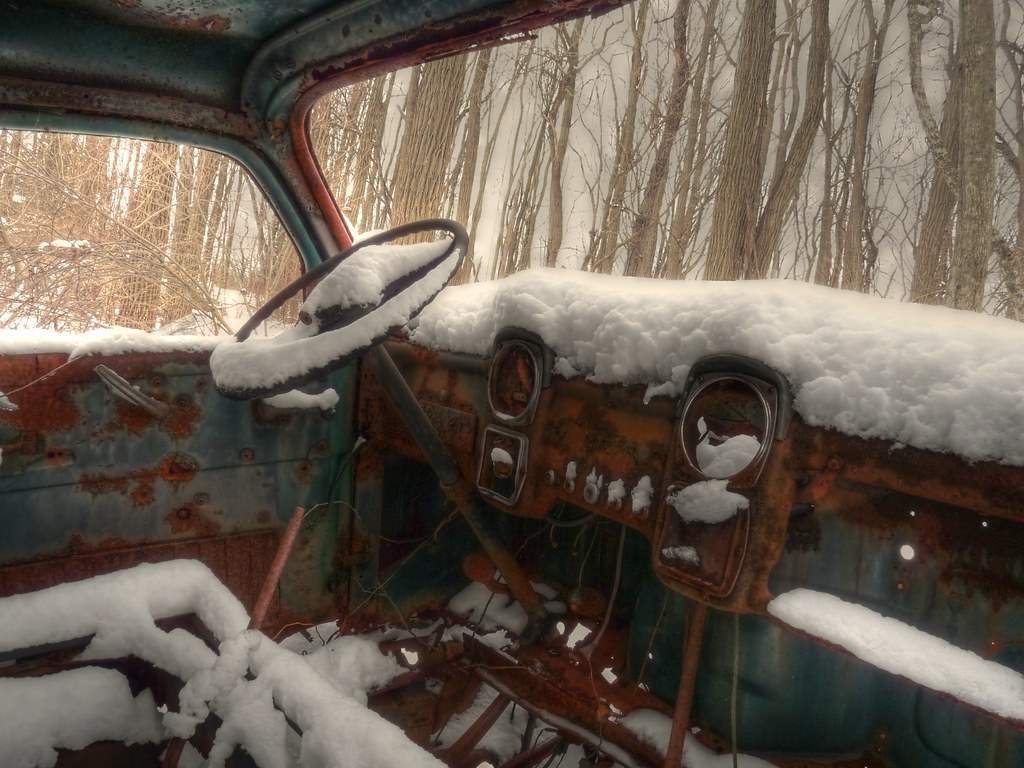
Winter roads can be unpredictable and dangerous, but with the right preparation and knowledge, you can stay safe behind the wheel. This winter driving safety checklist and expert tips walk you through essential vehicle checks, emergency gear to carry, and smart driving practices that reduce risk in snow, ice, and cold weather. Whether you’re commuting or traveling long distances, following these steps helps ensure confidence and control on winter roads.
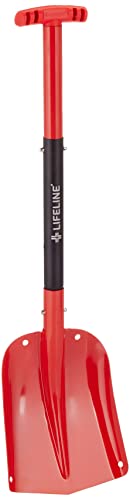
- 3 PIECE COLLAPSIBLE DESIGN: Breaks down to 3 pieces making it easy to store and carry
- LIGHTWEIGHT: Constructed of durable high-quality light aluminum weighing 1.3 lbs.
Last update on 2026-10-23 / Affiliate links / Images from Amazon Product Advertising API
Check Battery
Before winter weather puts your skills to the test, preparation is your strongest defense. This checklist and set of practical tips will help you get your vehicle, emergency supplies, and driving habits ready for safer travel in snow, ice, and cold conditions.
- Battery and Charging System: Have the battery and charging system tested by a trained technician. A fully charged battery in good condition is required to start an engine in cold weather. Automotive shops offer a full charging system diagnostic for a minimal cost (under $20.00), if not for free.
- This is one of the number one reasons drivers end up stranded, as old batteries will quickly be sapped in the cold weather.
- Battery Cables and Terminals: Check the condition of the battery cables and terminals. Make sure all connections are secure and get rid of any corrosion on the terminals and posts.
- Drive Belts: Inspect belts for cracks or fraying. Don’t just look at the top surface of the belt. Turn it over and check the grooves for cracks or uneven wear.
- Engine Hoses: Visually inspect the cooling system hoses for leaks, cracks, and loose clamps. Also, squeeze the hoses to check for any that may be brittle or spongy; these will need replacement.

- Ideal for skiers, fishermen, hunters, campers,
Last update on 2026-10-23 / Affiliate links / Images from Amazon Product Advertising API
Tire Inspection
Regardless of the season, you should inspect your tires at least once a month and always before a long road trip. It only takes about five minutes.
If you find yourself driving in wet, icy, or otherwise less-than-optimal road conditions, you’ll be glad you did
- Check tire pressure and make sure each tire is filled to the vehicle manufacturer’s suggested PSI (pounds per square inch) of air pressure, which is listed in your owner’s manual and on a label inside the driver’s door.
- Keep a tire pressure gauge in your glove box or console at all times and check pressure at least once per month when tires are cold, meaning they haven’t been driven on for at least three hours.
- Look closely at your tread and replace tires with uneven wear or insufficient tread. Tread should be at least 1/16 of an inch or greater on all tires.
A quick check for this is the old penny trick: place a penny inside your tire tread. If any part of Honest Abe’s head is covered by the tread, then you have at least the bare minimum tire tread that is considered safe.
It is then up to you to decide if the bare minimum is enough for you.
Know your car
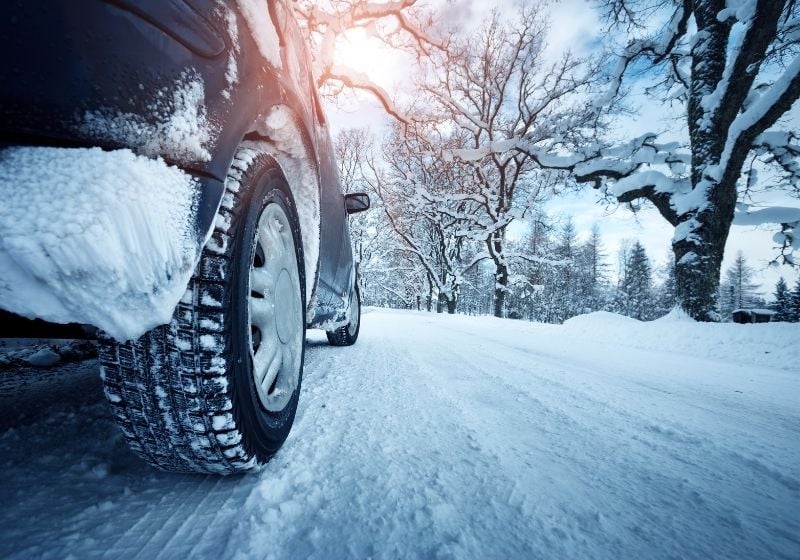
Every vehicle handles differently, especially when driving in winter conditions. Take time now to learn how to best handle your vehicle in icy weather.
- Practice cold-weather driving when your area gets snow, but not on a main road! Until you’ve sharpened your winter weather driving skills and know how your vehicle handles in snowy conditions, it’s best to practice in an empty lot in full daylight.
- Drive slowly. It’s harder to control or stop your vehicle on a slick or snow-covered surface. On the road, add a significant amount of extra distance (think 6 car lengths or more) to allow plenty of time to stop.
- Cold-weather braking is tricky: Know what kind of brakes your vehicle has and how to use them properly. In general, most new cars will have ABS installed, but check to be sure. If you have anti-lock brakes, apply firm pressure; if you have non-anti-lock brakes, pump the brakes gently.
- If you hit a patch of ice and find yourself in a skid, stay calm and ease your foot off the gas while carefully steering in the direction you want the front of your vehicle to go.

This procedure is known as “steering into the skid,” and will help bring the back end of your car in line with the front.
As a note, the above tips on cold-weather driving are especially crucial to follow if you live in a warm climate and don’t have much experience driving on icy or slick roads.
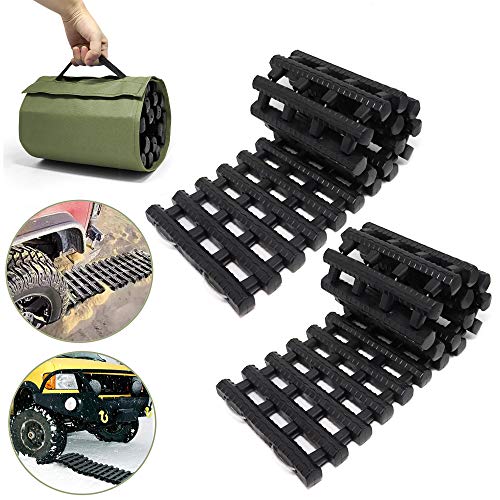
- 【High Strength Eco-Friendly TPR Materials】The 2 pack recovery traction tracks are constructed of indestructible...
- 【7 Ton Capacity】Combined super tough engineering-grade reinforced TPR with galvanized steel connecting cables are...
Last update on 2026-10-23 / Affiliate links / Images from Amazon Product Advertising API
Plan ahead
Keep yourself and others safe by planning before you venture out into bad weather.
- Check the weather, road conditions, and traffic; plan to leave early if necessary.
- Don’t rush! Allow plenty of time to get to your destination safely. Trying to leave out at the last second not only makes your trip more hectic, but the added pressure of being on time will make you much more prone to getting into an accident.
- Familiarize yourself with directions and maps before you go, and let others know your route and anticipated arrival time.
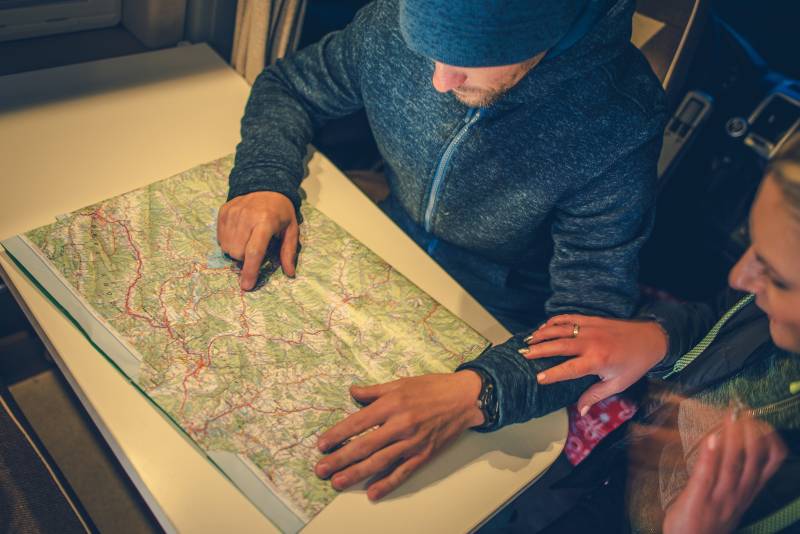
Even if you have a GPS, you never know when the satellite could cut out. I always carry hard copy directions as well as directions on my cellphone, in addition to my GPS. Keep your gas tank close to full. If you get stuck in a traffic jam or in the snow, you might need more fuel to get home or keep warm.
If you do find yourself stuck in the snow, make absolutely sure that if you run your engine for heat, you crack your windows and keep your tailpipe clear of snow or anything that could block the exhaust.
Otherwise, you could end up being disoriented and eventually die from carbon monoxide poisoning
If road conditions are hazardous, avoid driving if possible.
Keep your vehicle well-stocked
Carry items in your vehicle to handle common winter driving tasks, such as cleaning off your windshield, as well as any supplies you might need in an emergency.
Keep the following on hand:
- Snow shovel, broom, and ice scraper.
- Sand or kitty litter. This can be put under your tires to gain traction if your vehicle gets stuck in the snow.
- Jumper cables, flashlights, and warning devices, such as flares and markers.
- Blankets for warmth.
- A cell phone and DC charger, water, food, and any necessary medicine (for longer trips or when driving in lightly populated areas).
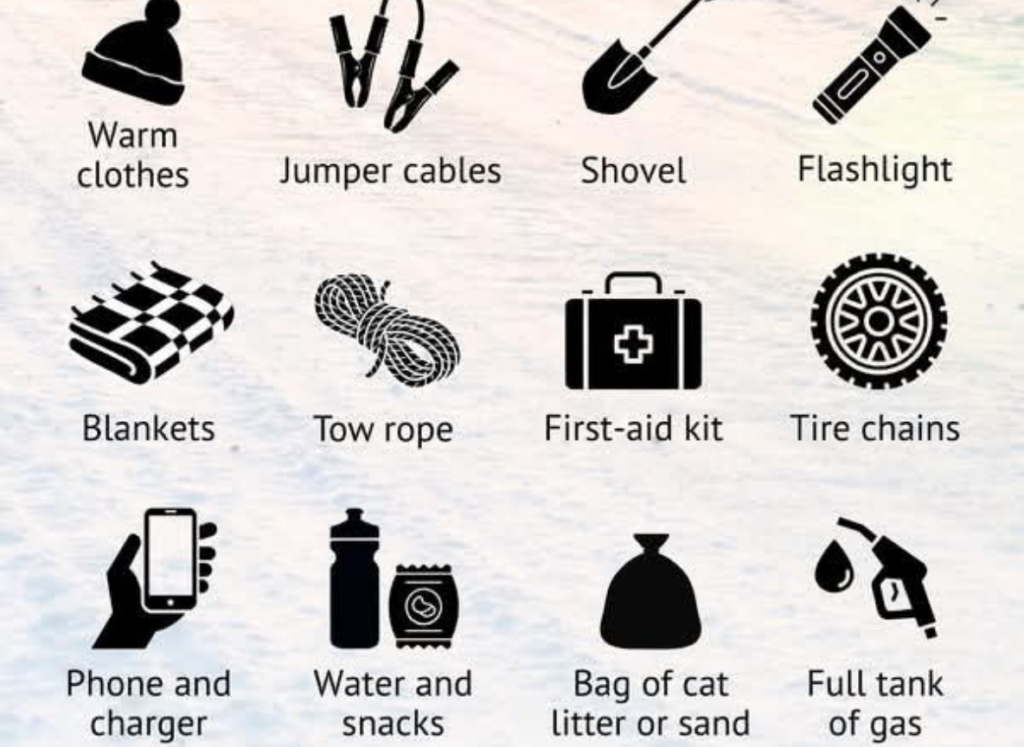
For other ideas on what to pack in your safe travel emergency kit, see my previous post below:
Know what to do in a winter emergency
If you are stopped or stalled in wintry weather, follow these safety rules:
Stay with your car and don’t overexert yourself.
- Keep warm
- Keep calm
- Put bright markers on the antenna or windows. If the snow has stopped, open your hood; this is a universal sign of distress
- I said this above, but I wanted to restate it: To avoid suffocation from carbon monoxide poisoning, don’t run your car for long periods with the windows up or in an enclosed space.

- Markstor Led Road Flares
- Corrosion-Resistant: The shell of Markstor LED road flare lights is made of high strength transparent engineering plastic...
Last update on 2026-10-23 / Affiliate links / Images from Amazon Product Advertising API
Drive Safely All Season Long
Winter driving doesn’t have to be stressful if you take the time to prepare. By completing a quick vehicle inspection, packing the right emergency kit, and adjusting how you drive for snow and ice, you’ll significantly reduce your chances of being stranded or involved in a crash. Safe driving begins before you even start the engine, so plan, stay alert, and respect winter conditions on every journey.
Take Action Now
Ready to make your winter driving safer? Grab our printable Winter Driving Preparedness Checklist and start preparing today. Whether you’re heading out for errands or a holiday road trip, proper planning can make all the difference. Stay safe, stay informed, and enjoy the ride!
Happy holidays and drive safely!
FAQ Winter Driving Safety
1. What should I check on my car before winter driving?
Inspect your tires, brakes, battery, windshield wipers, lights, heater/defroster, and fluid levels to make sure everything is in good working order before hitting winter roads.
2. What emergency items should be in my vehicle during winter?
Carry essentials like blankets, an ice scraper, a flashlight, jumper cables, a first-aid kit, non-perishable snacks, and traction aids (sand or kitty litter) to stay prepared if you get stuck.
3. How should I adjust my driving in icy or snowy conditions?
Slow down, increase your following distance, accelerate and brake gently, and avoid sudden steering movements to maintain control on slick surfaces.
4. Is it better to stay home during severe winter weather?
Yes, if conditions are hazardous, only travel if necessary. Planning and waiting for safer conditions can prevent risky driving situations.
5. Why is tire maintenance important in winter?
Tire pressure drops in cold weather, and proper tread is crucial for traction. Checking tires helps ensure better grip and safer handling on snow and ice.
Want more tips? Check out these related articles from our site:
Follow us on Facebook, Instagram, Twitter, and Pinterest!**Disclaimer: All content on this site is for informational purposes only. Please read our full disclaimer here**Editor’s Note: This post was originally published on December 24, 2012, and has been updated for quality and relevancy.