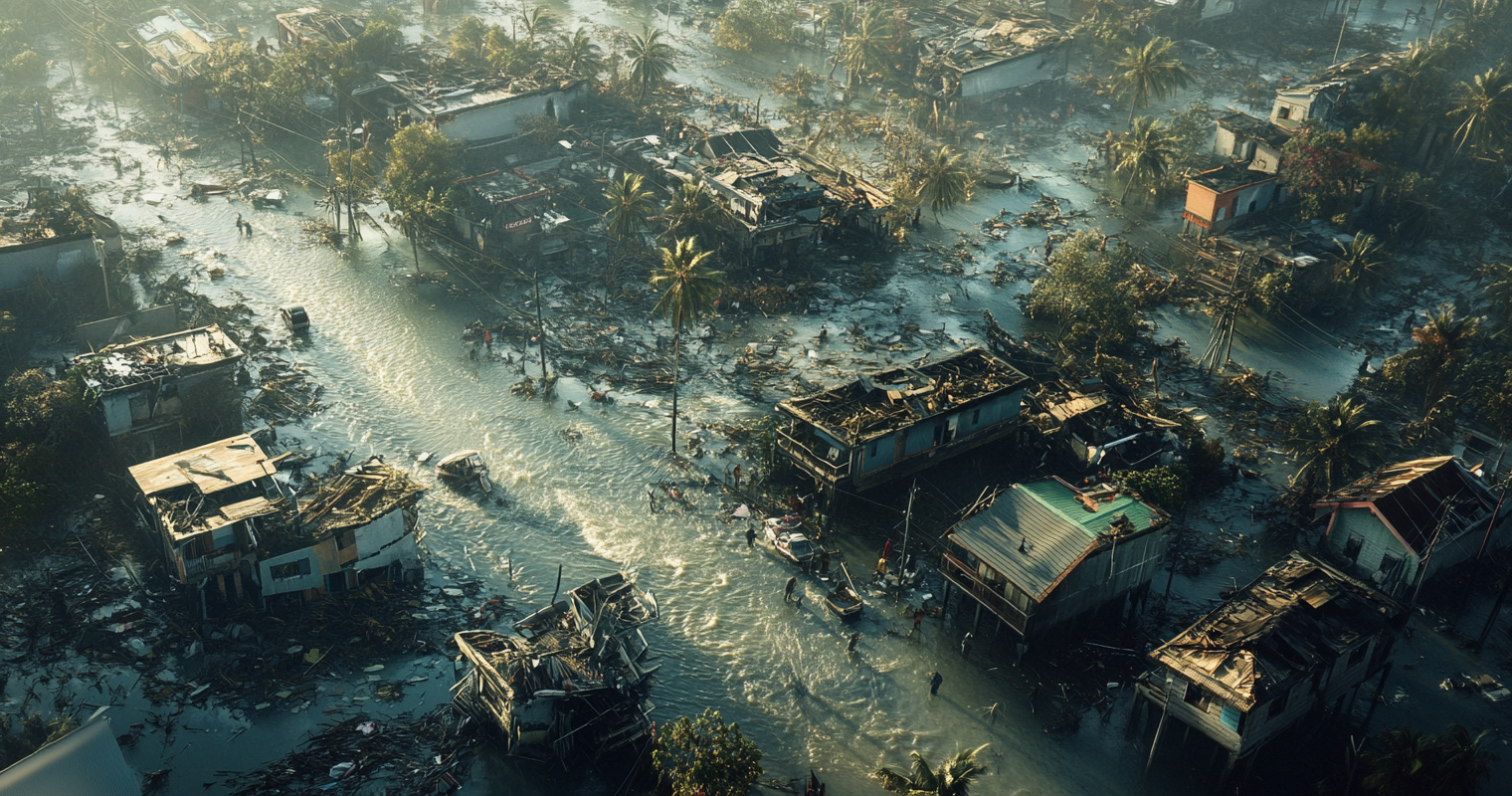

As hurricanes become stronger, our resilience as Americans is being put to the ultimate test. Climate change is turning these storms into consistently dangerous threats, especially for those living in coastal regions. While having emergency supplies helps, they’re often not enough to outlast these intense natural disasters. In times of crisis, having supportive neighbors can become a valuable asset. They can offer and provide tools, share skills, or lend a hand when your resources run low. Here’s why community support can be your lifesaver and how you can lean on it when it matters most.
Hurricanes don’t just damage homes. They knock out electricity, flood roads, and disrupt supply chains. Stocking up on food, water and fuel is a smart strategy, but even the most prepared families can still face challenges when faced with prolonged disasters. Generators ultimately run out of fuel and well-stocked pantries eventually become empty. In situations like these, having friendly neighbors step in can be a big help. They provide the things that other households might lack, especially food and drinking water, additional fuel, or handy tools.
Stories of Community Rescue
Take Kyle Moorcones from North Carolina, for example. During Hurricane Helene, his family’s Starlink satellite system kept them connected when most services were unavailable. A neighbor provided a generator and set up a makeshift system for families to communicate and stay informed. When Moorcones’ generator failed, another neighbor stepped in with the needed resources to restore power.
Meanwhile, one resident used their ATV to reach remote areas and secure essential items like water and diapers. Another family shared fresh eggs, while others pooled their food stores and shared meals. This strong sense of community helped address everyone’s needs. By working together, they restored normalcy and made a tough situation manageable.
Why Connections Matter in a Crisis
Sharing limited resources is important, but so is offering emotional support. Simply knowing you’re not alone can be incredibly comforting to families who lost their homes and possessions. In fact , studies show that people who feel connected to their communities can handle crises better. When you know and trust your neighbors, collaborating in times of need becomes second nature. A connected neighborhood isn’t just a collection of homes. It’s a network of people ready to band together and face challenges. This sense of unity doesn’t just lend support during the storm, it guides you through the aftermath. After all, the stronger the community, the faster the path back to recovery.
Community Planning: A Smart Strategy
With hurricanes growing more intense every year, planning as a community becomes essential. Start organizing your neighborhood by meeting your neighbors and exchanging contact information. Identify the skills and resources each person brings to the table. Some might have medical expertise, others repair skills, or some have useful equipment. These resources can help the entire community survive when roads are blocked or emergency aid is held up.
Develop a neighborhood plan with clear roles and responsibilities. Decide who will check on the children and the elderly and who will manage supplies. Set up reliable communication methods, like walkie-talkies or satellite systems in case the usual options fail. In short, collaborative planning covers everyone’s needs and ensures no one gets left behind.
Why Immediate Help Isn’t Always Possible
Government and relief agencies often face delays due to blocked roads, damaged infrastructure, or competing priorities. In Moorcones’ story, his neighborhood didn’t wait for authorities to show up. They found an excavator and cleared the road themselves. In doing so, they proved that communities are strongest when they act together.
The Heart of Hurricane Survival
Surviving hurricanes isn’t about being a lone hero equipped all the right tools. It’s about being part of a team that comes together to overcome a common challenge. The real strength comes from sharing resources, helping others, and relying on each other during tough times. As natural disasters grow more powerful, our community bonds will become our greatest assets. Building those relationships before disaster strikes might just be the most effective survival strategy.
Looking for more ways to build community support during hurricanes?Click here for expert tips on how to stay safe and thrive together in times of crisis!