
Last Update: August 2026
The most common bug out bag mistakes are overpacking, hauling bottled water instead of a filter, trusting a cheap first aid kit, and never re-checking the bag. Keep a bug out bag under 20% of your body weight, pack it to cover 72 hours, and inspect the contents every six months.
Key Takeaways
- Keep it light and easy to move: A heavy bag is a useless bag, especially when you have kids with you. Use smart gear like water filters instead of packing heavy items.
- Skip the military look: You do not need to look like a soldier. Normal outdoor gear helps your family blend in. It is also more comfortable to carry.
- Check your gear often: A bug out bag needs regular updates. Checking dates, swapping out small clothes, and testing tools is very important.
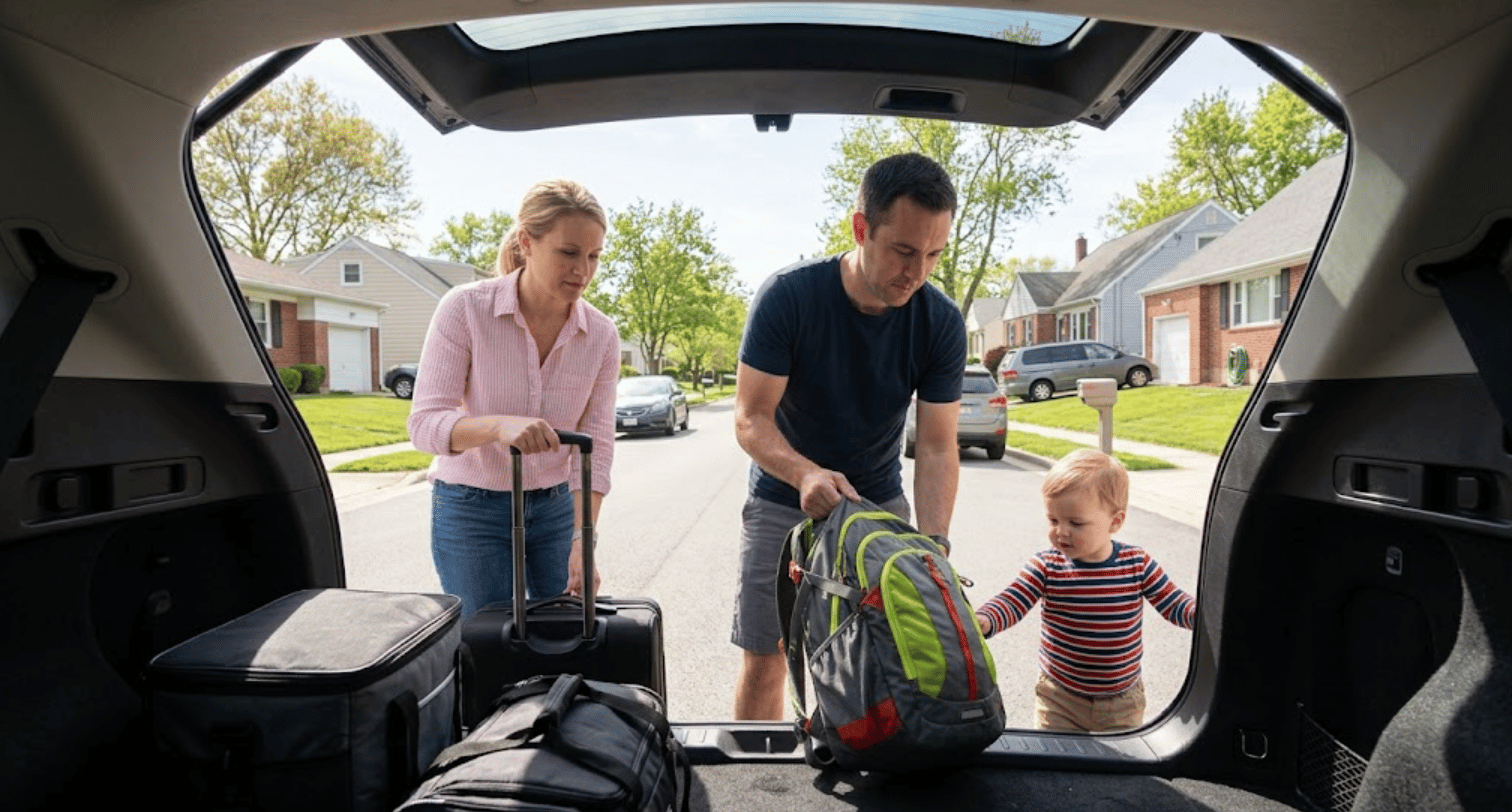
Bad storms and power outages happen, and most families only find their bug out bag mistakes at the worst possible moment. Building a bug out bag can feel like too much work. Many parents think they need lots of money, huge storage space, and expert survival skills just to start packing one. You do not. You mostly need to avoid ten specific errors, and every one of them is fixable this weekend.
Survival Life is reader-supported. Some links below are affiliate links, and we may earn a commission at no extra cost to you.
Top 10 Common Bug Out Bag Mistakes (And How to Fix Them)
Most people make big mistakes when they start packing their bug out bags. These errors waste money and make their bags too heavy to carry. Knowing what not to do is the best way to build a good, cheap emergency kit for your family. By skipping these mistakes, you will avoid wasting gear and stay self-sufficient during an emergency.
1. Overpacking and Ignoring Weight
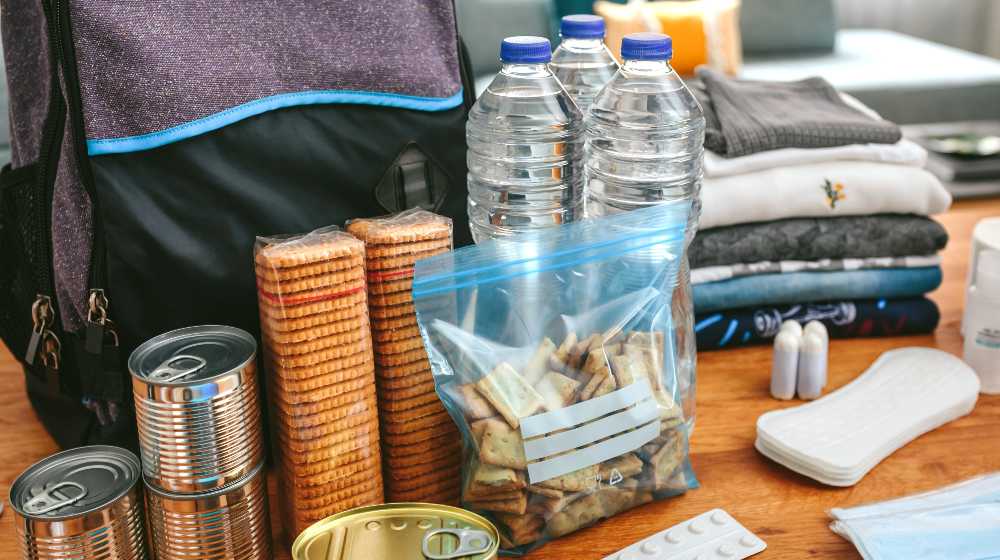
People tend to pack out of fear and panic. If your bag weighs 60 pounds, you’ll get tired very fast. This is even harder if you have to hold a child’s hand.
The Fix: A Bug Out Bag only needs to keep you safe for three days while you travel to a safe place. As mentioned above, keep the bag under 20% of your body weight. If you are starting from zero, our guide to building a go-bag shows what a minimal 72-hour load actually looks like.
Weigh your bags with a digital luggage scale. Swap heavy pots for ultralight titanium cookware. Pick a light hiking backpack instead of a heavy canvas bag.
2. Packing Gallons of Water
Water is vital. But water is very heavy. A single gallon weighs 8.34 pounds, and Ready.gov recommends storing one gallon per person per day. Three days for a family of four is 100 pounds of water before you pack anything else, so carrying it is not realistic.
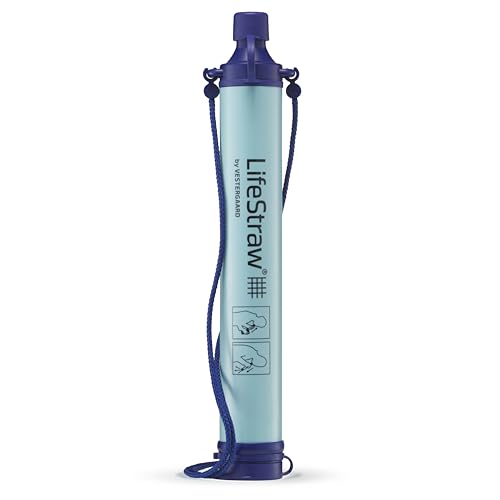
The Fix: Pack a normal amount of water for right now. Pack about 1 to 2 liters per person in a steel canteen. Use filters to get more clean water later. Our breakdown of bug out water filtration and these emergency water purification methods cover which filters actually hold up in the field.
Buy personal water filters like the Sawyer Squeeze or LifeStraw. Bring water purification tablets as a backup. They are very light but give you lots of clean water.
My biggest early mistake was forcing my family to haul heavy gallons of bottled water, which completely exhausted my kids and severely slowed our pace. Swapping to this ultralight hydration system solved our weight problem immediately, offering the incredible convenience of safely drinking from almost any natural water source we encounter.


Last update on 2026-10-20 / Affiliate links / Images from Amazon Product Advertising API
3. Relying on Cheap First Aid Kits
A cheap 250-piece medical kit sounds great. But it usually just has 240 band-aids, cheap tweezers, and some weak cream. This won’t help if someone gets injured.
The Fix: Build your own first aid kit. Make sure it can handle deep cuts, bad burns, and twisted ankles.
Build your own kit using a tough Molle medical pouch. Add real CAT tourniquets, Israeli bandages, and hemostatic gauze (QuikClot). Do not forget pain medicine for the kids!
4. Going Full “Tactical Ninja”
Bags covered in camo patterns and patches might look cool. But in a real emergency, looking like a soldier makes you a target. People will think you have all the best supplies.
The Fix: Try to blend in with the crowd. Your family should look like normal hikers or travelers.
Pick tough, normal looking backpacks from brands like Osprey or Kelty. Bags from Vertx are also great because they look like regular gym bags.
5. Packing the Wrong Food
Packing heavy canned food is a bad idea. Cans are heavy and need an opener. Salty foods like beef jerky are also bad because they make you thirsty.
The Fix: You need light food that gives you lots of energy. Pick food that does not need extra water or cooking. Make sure it is food your kids will actually eat. A bug out bag is not the place to test a new brand for the first time.
Check out freeze-dried meals (like Mountain House or Peak Refuel). You can also pack SOS emergency ration bars. These bars taste like cookies and do not make you thirsty. Eat them with a strong long-handled titanium spork.
6. Forgetting a Proper Shelter
A cheap foil space blanket will not keep you warm all night. They reflect heat, but they rip very easily. They will not stop the wind or rain. Cold weather is where thin foil fails hardest, which we cover in detail in why cold weather Mylar bags fail.
The Fix: You need to build a shelter that can block wind, rain, and wet ground so your family can stay dry.
Buy an emergency Mylar bivvy sack. It acts like a sleeping bag and is much stronger than a flat blanket. Pack a light silnylon tarp for a roof. Add Merino wool socks to stop cold feet and blisters.
7. Forgetting Paper Documents and Cash
Trusting your smartphone to hold all your maps and contacts is risky. If the power goes out, your phone will die. Credit card machines will also stop working.
The Fix: Carry paper maps and written phone numbers. Pack small dollar bills. No one will have change for a huge bill during a crisis.
Keep a fireproof/waterproof document pouch in your bag. Use it for cash, copies of your IDs, and important papers. Pack an encrypted USB drive to save digital copies of family photos.
8. Packing Untested Gadgets
Many people buy a fancy survival tool because it looks cool online. But these cheap tools often break the very first time you use them.
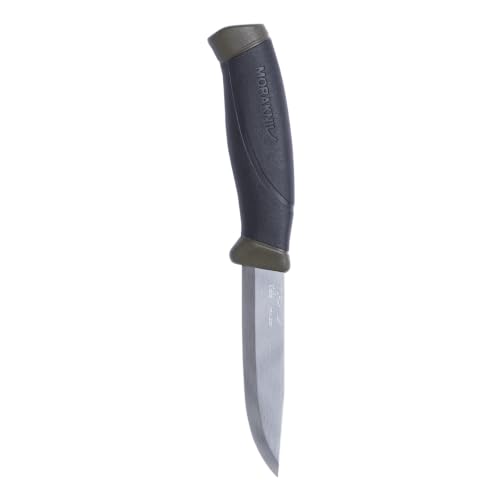
The Fix: Stick to the three most important tools. You need a strong knife, a good fire starter, and strong rope. Do not buy cheap trick tools.
Buy tools that have been proven to work. We like the Morakniv Companion knife, a thick Ferrocerium rod for fires, and real 550 paracord rope.
9. Forgetting Radios and Maps
Using only a maps app on your phone is a bad plan. If cell phone towers lose power, your map app will fail. You will not know where to go.
The Fix: You need to know how to find your way without a cell phone. You also need to hear the news.
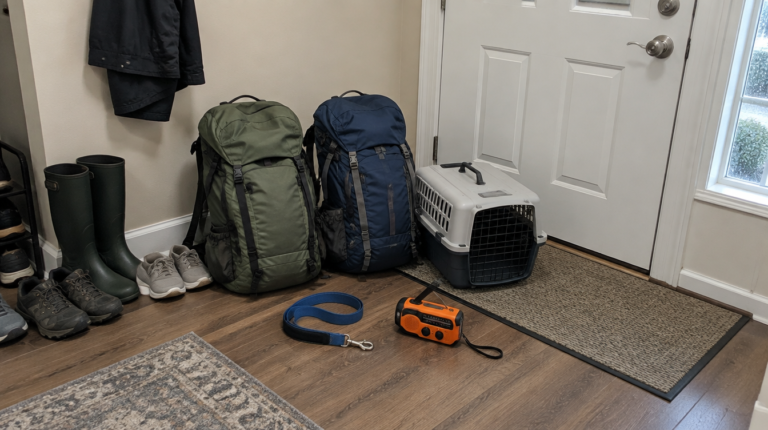
Pack a real lensatic compass and paper maps of your town. Buy a hand-crank emergency NOAA weather radio. These radios can also charge your phone and give you light.
10. The “Pack It and Forget It” Mistake
Putting the bag in a closet for years is a big mistake. When you finally need it, the batteries will be dead. The medicine will be old. Your kids will not fit into the spare clothes.
The Fix: A bug out bag needs care. Check it every six months to make sure everything is ready, and work from our 72-hour kit refresh checklist so nothing gets skipped.
Buy lithium AA/AAA batteries, which manufacturers rate for storage lives of up to 10 years and which do not leak the way alkalines do. Use clear zippered organizer pouches so you can easily see what is inside your bag.
Editor’s Note: When our neighborhood lost power for days, my cheap tools broke and our phones quickly died, leaving my family completely in the dark and panicked. Switching to this reliable gear solved our communication and shelter problems instantly, all while keeping our emergency bags light and convenient to carry. Having a hand-crank radio and a dedicated waterproof pouch means we never have to scramble for news or vital documents during a crisis again.


Last update on 2026-10-20 / Affiliate links / Images from Amazon Product Advertising API
Making a bug out bag for your family takes time. You do not need to spend all your money at once. Start with the basics. Get clean water, a way to stay warm, and a good first aid kit. Skip the heavy and flashy items. Cross-check your load against the official Ready.gov emergency kit list, then fill the gaps using our 72-hour bug out bag essentials checklist. When you are ready to think past the bag itself, our bug out strategies guide covers routes, vehicles, and destinations. Take it one step at a time, check your gear often, and feel good knowing your family is ready.
Bug Out Bag Mistakes: FAQs
- How much should a bug out bag weigh? Your bag should weigh less than 20% of your body weight. For a 150-pound adult, that means 30 pounds at the most. Keeping it closer to 20 pounds is much better.
- Should my kids have their own bug out bags? Yes, if they are old enough to walk on their own! But their bags must be very light. Fill a child’s backpack with their spare clothes, a small stuffed animal, a light blanket, and some snacks. This gives them a sense of helping out.
- How often should I check my bags? You should check your bags every six months. Look at the dates on food and medicine. Test your flashlights. Make sure the spare clothes still fit your kids.
- Can I just buy a full kit online? You can, and it is better than nothing. But we do not suggest doing this. Pre-made kits often use very cheap items. It is much better to buy a good empty backpack and fill it with reliable gear yourself.
- What is the most important item in the bag? Water is the most important thing. A light water filter like the Sawyer Squeeze is the best tool you can have. It gives you lots of clean water without adding heavy weight to your bag.
- How many days should a bug out bag cover? Three days, or 72 hours. Ready.gov builds its entire basic emergency supply kit around that window, and it is the standard we pack to as well.
- What is the single most common bug out bag mistake? Weight. A 60-pound bag gets abandoned within a couple of miles, which means every other item in it stops mattering.
- Do I need a separate bug out bag for the car? A small vehicle kit is worth having, but it does not replace the pack you carry. Cars get stuck in evacuation traffic, and your bag has to work on foot.