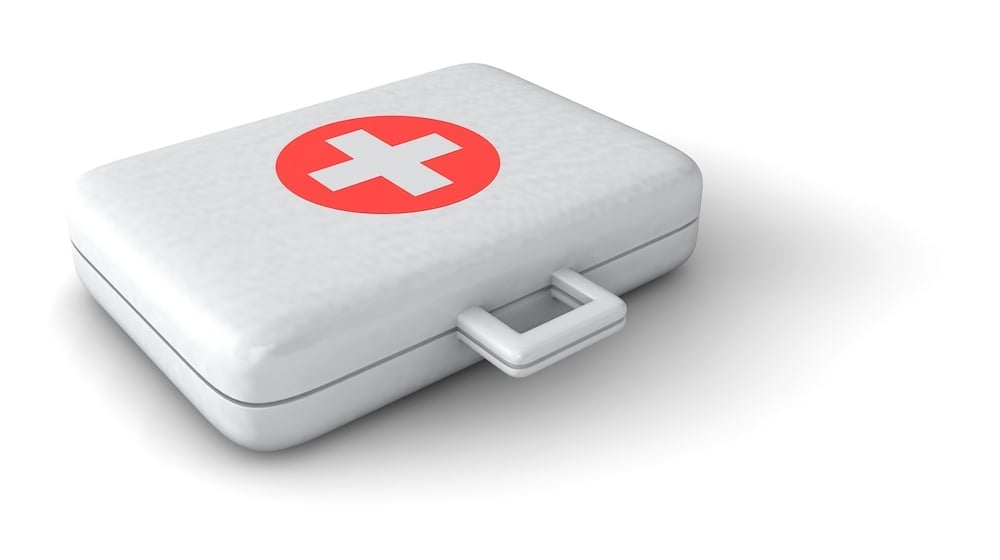

A durable plastic case or a cloth pouch embossed with a red cross, or a green box or rucksack with a white cross, is often found in homes and in the luggage of travelers. The red or white cross is a classic and widely-known symbol of a first aid kit.
12 Essentials for Your Survival First Aid Kit
As terrible it may sound, if you aren’t equipped with the proper essentials, medical incidents can go from bad to worse. Do you want to be a helpless witness to an unpleasant injury or find your magic kit and save the day?
First aid kits are essential in survival situations, so when preparing for the unseen, make sure your first aid kit is ready. Items in a first aid kit vary according to place and use. A kit found in the nurse trolley in the hospital might contain different things than a kit at home. But the bare essentials of a kit remain same. Following are the essentials of a first aid kit:
1. Instruments to Quickly Treat an Injury
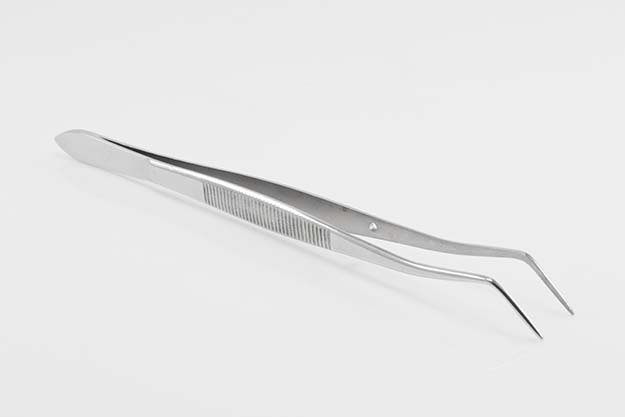
Includes a torch, a pair of tweezers, a syringe without a needle, a digital thermometer, cotton wools for applying antiseptic lotions, cotton swabs, and safety pins.
2. Over-the-Counter Medications
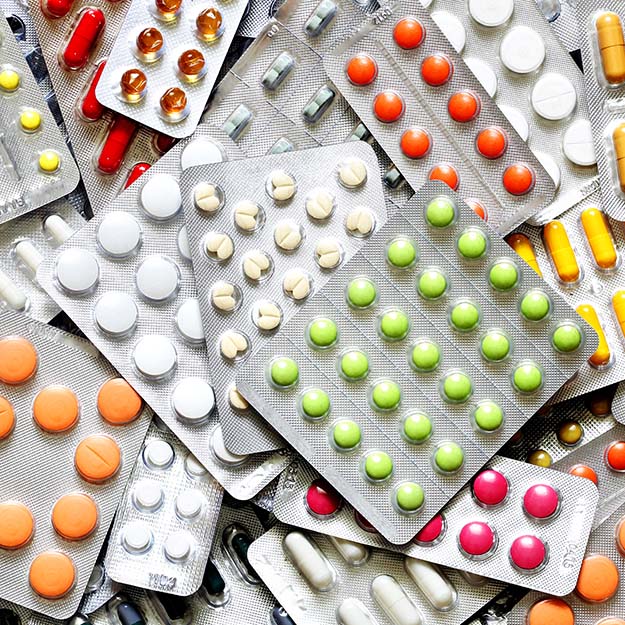
Common medications which are included in the first aid kit are painkillers (aspirin, paracetamol, ibuprofen or any other painkiller), medicines for symptomatic relief (anti-diarrheal, antihistamine or anti-allergy, antiemetic to stop vomiting, emetics such as syrup of ipecac to induce vomiting in case of poisonous ingestion, oral rehydration salts.) Always kits containing medication out of reach of children.
3. Adhesive Bandages in Various Sizes, Moleskins and Band-Aids for Minor Cuts and Wounds
Adhesive bandages are also called sticking plaster and are applied to wounds which are not serious enough to require a proper bandage. They are a protective barrier between wounds, cuts, abrasions and scabs and dust, damage, dirt, and bacteria. Furthermore, the bandage holds the two ends of the cut together to facilitate healing.
4. Sterile Dressings and Petrolatum Gauze Pads
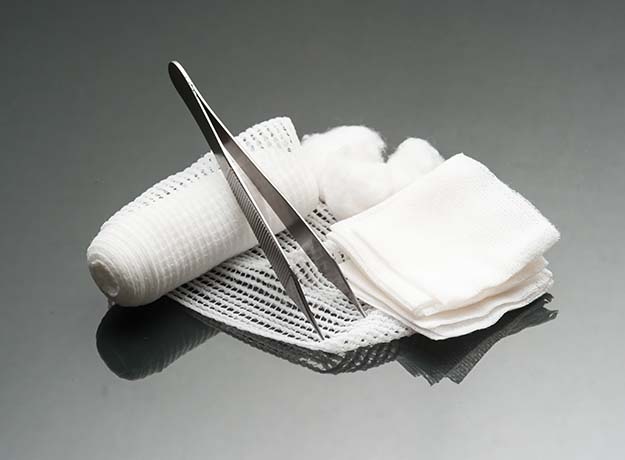
These are used as an occlusive dressing to stop the bleeding, absorb any fluid emanating from the wound, remove foreign objects from the wound, prevent infection and facilitate healing.
5. Butterfly Strips
These are used to close small wounds and lacerations. They are applied to pull both ends of the cuts together. They can be used in replacement of sutures. On minor cuts and wounds, butterfly strips reduce scarring and are easier to care for than sutures.
6. Saline
Saline is used for washing wounds, cuts and abrasions, as it does not sting due to having the same molarity as your body fluids. Because of similar sodium chloride concentration, it can also be used to wash eyes and ears.
7. Antiseptic Wipes and Hand Sanitizer
Antiseptic wipes help in cleaning of wounds without stinging and do not harm the tissues. Hand sanitizer is used to sanitize and disinfect hands before providing aid to the injured person.
8. Sphygmomanometer and Stethoscope
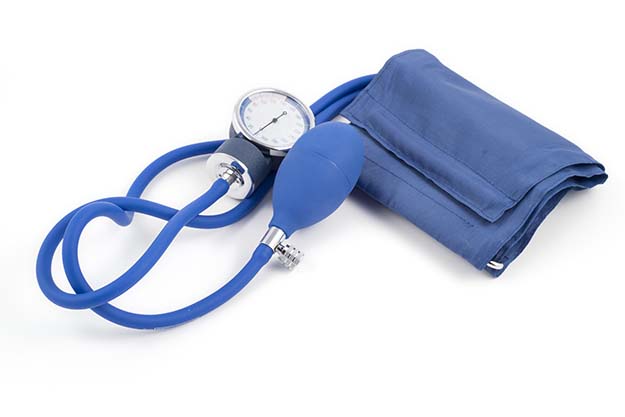
A sphygmomanometer is a device to measure blood pressure, and a stethoscope can monitor breathing and heart rate.
9. Antifungal, Triple Antibiotic Ointment
Apply this to cuts and abrasions for prevention of infection. Calamine will cool down the skin in case of dermatitis, pruritus or any dermal allergy. Anti-itch cream will calm down skin in case of contact dermatitis. Povidone iodine is used to irrigate and wash a wound and provides tincture effect.
10. Hydrogen Peroxide
This is a mild disinfectant used to wash small wounds. It is also used as a mouth rinse to relieve mouth irritation in case of gingivitis and cold sores.
11. Burn Gel
This is a water based gel which contains a local anesthetic such as lidocaine and/or a tea tree oil which acts as an antiseptic.
12. Instant Cold Packs
https://www.instagram.com/p/BoHEmSdivcq/?utm_source=ig_web_button_share_sheet
These are devices which, when squeezed, become very cold and replace ice packs in situations where ice is not available.
In addition to these items, a first aid kit should also include a manual which includes instructions on what to do during various emergency situations, and emergency contact numbers.
What are your first aid must-haves? Let us know in the comments below!
And be sure to check out The Homesteader’s Guide to First aid and CPR from our friends at Pioneer Settler.